

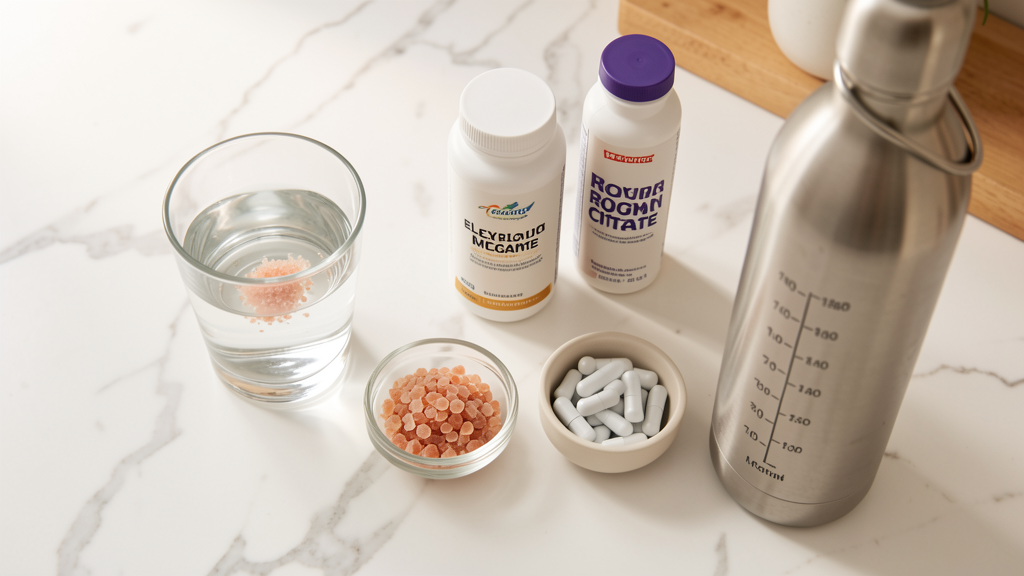
How to Build the Perfect Fasting Electrolyte Kit for 2026
Starting intermittent fasting but dreading the headaches, fatigue, and brain fog? You are not alone. Studies show that up to 70% of beginners experience electrolyte imbalances in their first two weeks. The good news is that building a simple electrolyte kit costs under $40 and eliminates most of these side effects.
In this guide, you will learn exactly which minerals your body needs during a fast, how much to take, which products work best, and how to assemble everything into a convenient daily kit. We tested dozens of electrolyte powders, salts, and supplements so you can skip the trial and error.
Why Electrolytes Matter During a Fast
When you stop eating, your body shifts from burning glucose to burning stored fat. This metabolic switch is powerful but comes with a hidden cost: your electrolyte stores begin to deplete faster than usual. Understanding why this happens is the first step to preventing it.
Here is what happens inside your body during a typical 16:8 intermittent fast:
- Sodium drops first. Without food intake, insulin levels fall, causing your kidneys to excrete more sodium through urine. This is why many fasters feel lightheaded on day one. Sodium is critical for fluid balance, nerve signaling, and muscle function. When sodium drops, blood volume decreases and blood pressure can fall — that light-headed feeling when you stand up too fast.
- Potassium follows. Low sodium triggers potassium loss as your body tries to maintain fluid balance through a process called the sodium-potassium pump. Muscle cramps, weakness, and even heart palpitations are classic signs of potassium depletion. Potassium is essential for every cell in your body, and running low during a fast makes the experience significantly harder.
- Magnesium gets used up. Your body burns through magnesium to support hundreds of enzymatic reactions during fasting. Magnesium is involved in energy production, protein synthesis, and nervous system regulation. Low magnesium leads to restless sleep, anxiety, brain fog, and heart palpitations. Many people are already magnesium-deficient before they start fasting.
- Calcium fluctuates. Though your body has calcium reserves in bones, prolonged fasting can disrupt calcium balance, especially in women over 40 and anyone with reduced bone density. Calcium is crucial for nerve signaling, muscle contraction, and blood clotting.
The solution is not to break your fast early. It is to give your body the minerals it needs to sustain the fast comfortably and safely.
The 4 Essential Electrolytes You Need
A complete fasting electrolyte kit covers four core minerals. Here is what each one does and how much you need daily during a fast.
Sodium (2,000–3,000 mg/day)
Sodium is the electrolyte you lose fastest during fasting. A pinch of sea salt in your water is the simplest fix, but dedicated fasting salts give you more precise dosing. Look for products with at least 1,000 mg of sodium per serving. Pink Himalayan salt works as a budget option, but pre-measured powders are more convenient for consistent daily intake.
Many experienced fasters recommend starting with 1,000 mg of sodium in your first morning glass of water, then adding another 500–1,000 mg throughout the day. If you exercise during your fasting window, increase sodium intake by 500 mg to compensate for sweat losses. Signs you need more sodium include headaches, dizziness, brain fog, and excessive thirst.
Our pick: Check fasting electrolyte powders on Amazon — look for unflavored options with sodium as the first ingredient and no added sugars.
Potassium (3,500–4,700 mg/day)
Potassium keeps your heart rhythm steady and your muscles functioning properly. During fasting, potassium drops alongside sodium due to the interconnected nature of electrolyte balance. The most bioavailable form is potassium citrate or potassium chloride. Avoid potassium gluconate — it has lower absorption rates and may not effectively replenish your stores.
Potassium supplementation during fasting requires care because too much potassium can be dangerous. Most fasters benefit from 1,000–2,000 mg of supplemental potassium daily on top of what they get from their eating window. Split your intake into two doses — one mid-morning and one in the afternoon — to maintain steady levels throughout your fasting window.
Our pick: Browse potassium citrate supplements on Amazon — choose tablets or powder form based on your preference and dosage needs.
Magnesium (300–400 mg/day)
Magnesium supports over 300 enzymatic reactions in your body, from energy production to DNA repair. During fasting, it is consumed at a higher rate because your body is actively breaking down stored fat and cellular debris through autophagy. The two best forms for absorption are magnesium glycinate (gentle on the stomach and promotes relaxation) and magnesium citrate (supports bowel regularity and electrolyte balance). Avoid magnesium oxide — it has poor bioavailability and causes digestive discomfort in most people.
The best time to take magnesium during fasting is in the evening, before bed. This serves two purposes: it replenishes your depleted stores and promotes better sleep quality, which is often disrupted during extended fasts. Start with 200 mg and increase to 400 mg over the course of a week if you tolerate it well.
Our pick: Shop magnesium glycinate on Amazon — look for chelated forms for maximum absorption and minimal digestive side effects.
Calcium (1,000 mg/day)
Calcium is often overlooked in fasting electrolyte kits, but it plays a critical role in nerve signaling, muscle contraction, and blood clotting. If you fast for 20+ hours regularly or follow a ketogenic diet alongside fasting, calcium supplementation becomes more important. Take calcium with magnesium — they work synergistically and magnesium actually helps your body absorb calcium more effectively.
Our pick: Find calcium supplements on Amazon — calcium citrate is better absorbed on an empty stomach than calcium carbonate, making it ideal for fasting hours.
How to Assemble Your Fasting Electrolyte Kit
Building your kit does not require expensive specialty products. Here is a step-by-step approach that works for beginners and experienced fasters alike.
Step 1: Choose your delivery method. You have three main options — electrolyte powders (mix into water), fasting salts (dissolve under the tongue or in water), or individual supplement capsules. Powders are the most convenient for daily fasting and provide the best taste options. Capsules work well if you dislike the taste of electrolyte drinks or need precise dosing. Salts offer the fastest absorption because they bypass digestion entirely.
Step 2: Get a quality water bottle. You need at least 32 ounces of water during your fasting window. A time-marked water bottle helps you pace your intake throughout the day and makes hydration a visual habit. Many fasters report that seeing progress markers on their bottle makes it easier to stay on track. Insulated bottles keep your electrolyte water cold for hours, which matters more than you think — cold water is easier to drink in large quantities.
Step 3: Add a fasting timer app. Tracking your eating and fasting windows ensures you know when to supplement and when to break your fast. The best fasting apps for 2026 include Zero, Fastic, and PlateLens. Some apps even send reminders to drink electrolytes at optimal times during your fast, so you never forget a dose.
Step 4: Create your electrolyte schedule. Here is a simple daily schedule that covers all your bases: Morning (first hour of fast) — 1,000 mg sodium in your first glass of water. Mid-morning — 500–1,000 mg potassium with 16 oz of water. Afternoon — another 500 mg sodium if needed. Evening (1 hour before bed) — 200–400 mg magnesium glycinate. This schedule ensures steady electrolyte levels throughout your fasting window without overwhelming your system.
Step 5: Test and adjust. Start with half doses in your first week. If you feel fine, maintain that level. If you still experience headaches or fatigue, increase to the full dose. Everyone’s electrolyte needs are different depending on activity level, climate, fast duration, and individual physiology. Track how you feel in a simple notebook and adjust accordingly.
Common Mistakes to Avoid
Drinking too much plain water. This seems counterintuitive, but gulping plain water during a fast actually worsens electrolyte imbalances. It dilutes the sodium already in your system and can lead to a dangerous condition called hyponatremia in extreme cases. Always add a pinch of salt to your water during fasting hours — a quarter teaspoon in 16 ounces of water is a good starting point.
Ignoring potassium. Many fasters focus only on sodium and forget potassium. Low potassium can cause irregular heartbeat, muscle weakness, and even cardiac events in severe cases. Make sure your kit includes a potassium source, especially if you fast for more than 16 hours at a time.
Choosing sugary electrolyte drinks. Sports drinks like Gatorade contain 34 grams of sugar per serving — that will absolutely break your fast and spike your insulin levels. Always read labels carefully. Your fasting electrolyte product should have zero calories, zero sugar, and zero artificial sweeteners if you want to maintain a clean fast. Stevia and monk fruit are generally acceptable alternatives if you prefer flavored drinks.
Taking all electrolytes at once. Space your intake throughout the fasting window. Taking everything at once overwhelms your kidneys and reduces absorption. Take sodium in the morning, potassium mid-day, and magnesium in the evening for optimal absorption and to avoid digestive discomfort.
Forgetting magnesium at night. Magnesium supports sleep quality and helps regulate your circadian rhythm. Taking it before bed not only replenishes your stores but also helps you fall asleep faster — a common challenge during extended fasts. This is especially important if you are doing longer fasts (20+ hours) where sleep disruption is more pronounced.
Skipping electrolytes because you feel fine. Electrolyte depletion often happens gradually without obvious symptoms until it reaches a critical point. By the time you feel dizzy or get a headache, you are already significantly depleted. Proactive supplementation is always better than reactive treatment. Establish the habit from day one of your fasting journey.
Quick Reference: Your Fasting Electrolyte Cheat Sheet
| Mineral | Daily Target | Best Form | When to Take |
|---|---|---|---|
| Sodium | 2,000–3,000 mg | Sea salt / fasting salts | Morning (with first water) |
| Potassium | 3,500–4,700 mg | Potassium citrate | Mid-morning and afternoon |
| Magnesium | 300–400 mg | Magnesium glycinate | Evening / before bed |
| Calcium | 1,000 mg | Calcium citrate | With magnesium |
Print this table and stick it on your refrigerator. Having a visual reminder makes it much easier to stay consistent with your supplementation routine.
FAQ
Can I get electrolytes from food during a fast?
No — that is the nature of fasting. You must rely on supplements or electrolyte-enhanced water during your fasting window. However, during your eating window, you can replenish by eating potassium-rich foods like avocados, spinach, salmon, and sweet potatoes. Nuts and seeds are excellent sources of magnesium. Dairy products and leafy greens provide calcium. Building your meals around these foods during your eating window reduces the amount of supplementation you need during fasting hours.
Do electrolyte powders break a fast?
Most electrolyte powders have zero calories and will not break your fast. Check the label for sugars, carbohydrates, or MCT oil — these can trigger an insulin response. Products labeled as “fasting-friendly” or “zero-calorie” are generally safe. If a powder has fewer than 5 calories per serving, it is unlikely to break your fast. Stevia and monk fruit sweeteners do not raise blood sugar and are acceptable for most fasting protocols.
How do I know if I need more electrolytes?
Common signs of electrolyte imbalance during fasting include headaches, dizziness, muscle cramps, fatigue, brain fog, heart palpitations, nausea, and excessive thirst. If you experience any of these, increase your sodium and potassium intake first — they are the most commonly depleted minerals during fasting. If symptoms persist after 24 hours of increased supplementation, consider breaking your fast and consulting with a healthcare provider.
Should I take electrolytes during a 24-hour fast?
Yes, absolutely. Extended fasts deplete electrolytes faster than short intermittent fasts. For 24-hour fasts, follow the full dosing schedule outlined above. For 48+ hour fasts, consider increasing sodium by 50% and consulting with a healthcare provider before beginning. The longer the fast, the more important consistent electrolyte supplementation becomes.
What is the cheapest way to get fasting electrolytes?
The most affordable option is buying pink Himalayan salt (for sodium), NoSalt or Nu-Salt (for potassium), and a magnesium glycinate supplement. This combination costs under $20 and lasts for months. Pre-made fasting electrolyte powders are more convenient but cost $20–40 per month depending on usage. If budget is a concern, the DIY route is perfectly effective and gives you complete control over your dosing.
As an Amazon Associate, I earn from qualifying purchases.
Related posts:
 Boost Your Keto Journey: Perfect Keto Exogenous Ketones Powder Review
 Best Electrolyte Supplements for Fasting and Keto (2026)
 Prolon Fasting Nutrition Program – 5 Day Fasting Kit (Original) Review
 Unlock Your Wellness: Prolon 5-Day Fasting Kit Review & Recommendations
 Revitalize Your Health: Review of the ProLon 3 Day Reset Fasting Kit