
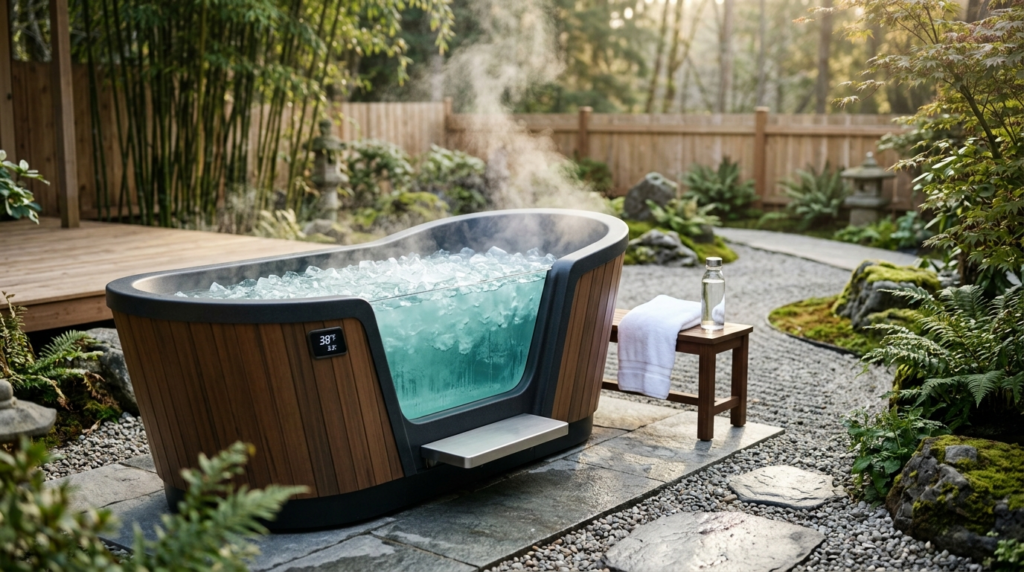
Best Cold Plunge Tubs for Fasting Recovery in 2026: Complete Buyer’s Guide
If you’ve been combining cold exposure with your fasting practice, you already know the magic: that rush of clarity, the reduced inflammation, and the way it seems to amplify every benefit you’re chasing with your fast. But finding the right cold plunge tub can be overwhelming — the market has exploded with options ranging from $100 inflatable setups to $10,000+ commercial-grade systems.
In this guide, we’ve researched and evaluated the best cold plunge tubs specifically for fasting practitioners in 2026. Whether you’re doing intermittent fasting and want a quick 2-minute dip, or you’re recovering from a multi-day extended fast and need reliable temperature control, we’ve got you covered.
As an Amazon Associate, I earn from qualifying purchases.
Why Cold Plunging Enhances Your Fasting Practice
Before we dive into the products, let’s talk about why cold plunging and fasting are such a powerful combination:
- Accelerated autophagy: Cold exposure triggers your body’s cellular cleanup process independently of fasting. When you combine the two, you’re essentially doubling down on autophagy activation.
- Increased norepinephrine: Cold immersion boosts norepinephrine by 200-300%, which helps combat the brain fog and fatigue that can accompany longer fasts.
- Reduced inflammation: Both fasting and cold exposure independently reduce inflammatory markers. Together, they provide compounding anti-inflammatory benefits.
- Enhanced fat burning: Cold exposure activates brown adipose tissue (BAT), which burns calories for heat — a welcome complement to the fat-burning state of fasting.
- Improved insulin sensitivity: Research shows cold exposure improves glucose uptake in muscles, amplifying the metabolic reset you’re achieving through fasting.
What to Look for in a Cold Plunge Tub
Not all cold plunge tubs are created equal. Here are the key features to prioritize:
Temperature Control
The sweet spot for cold plunge benefits is 39-59°F (4-15°C). For fasting recovery specifically, you want the ability to dial in exact temperatures. Cheaper tubs rely on ice and ambient cooling, while premium models include built-in chillers that maintain precise temperatures.
Size and Comfort
You’ll want enough room to submerge up to your neck comfortably. Tubs under 40 inches long can feel cramped for taller individuals. Consider whether you want to sit upright or recline.
Filtration and Sanitation
For regular use, built-in filtration is essential. Without it, you’ll be changing water frequently and dealing with bacteria growth. Look for UV sterilization, ozone treatment, or cartridge filtration systems.
Insulation and Energy Efficiency
A well-insulated tub costs significantly less to operate. If you’re in a warm climate, insulation isn’t optional — it’s critical for maintaining temperature without running the chiller 24/7.
Top Cold Plunge Tubs for Fasting Recovery
1. The Cold Pod Ice Bath Tub — Best Budget Option
The Cold Pod has become the go-to entry-level option for home cold plungers, and for good reason. This inflatable tub sets up in under 10 minutes and offers a surprisingly comfortable experience for the price.
Pros:
- Extremely affordable entry point
- Portable — can be deflated and stored
- Comfortable reclining position
- Includes cover and carrying bag
Cons:
- No built-in chiller — requires manual ice addition
- Temperature consistency is a challenge in warm climates
- Smaller capacity may feel cramped for taller users
Best for: Fasters who want to experiment with cold exposure without a major investment. Great for IF practitioners doing 2-3 minute daily plunges.
2. Ice Barrel 300 — Best Mid-Range Barrel
The Ice Barrel 300 is the gold standard for barrel-style cold plunges. Its vertical design takes up minimal floor space while allowing full-body submersion.
Pros:
- Durable rotomolded construction — built to last years
- Vertical design fits in small spaces
- Holds temperature well with insulation
- No assembly required
Cons:
- Still requires ice for cooling
- Entry/exit can be challenging for some users
- Higher price point than inflatable options
Best for: Dedicated fasting practitioners who want a permanent cold plunge setup without the complexity of a chiller system.
3. TheraFrost Cold Plunge Tub — Best Value with Chiller
The TheraFrost hits the sweet spot between affordability and functionality with its included chiller unit. You get precise temperature control without the premium price tag of commercial systems.
Pros:
- Built-in chiller maintains temps as low as 37°F
- Includes filtration and sanitation system
- Easy setup — plug and play
- Excellent value for a chiller-equipped system
Cons:
- Chiller can be noisy during operation
- Higher energy costs than passive tubs
- Requires proximity to a power outlet
Best for: Fasters doing extended fasts (48+ hours) who need reliable, consistent cold temperatures for recovery.
4. Cold Plunge Pro by The Plunge — Best Premium Option
If you’re serious about integrating cold therapy into your fasting lifestyle, the Cold Plunge Pro delivers commercial-grade performance in a home-friendly package.
Pros:
- Powerful chiller reaches 37°F and holds it precisely
- Triple-stage filtration with UV sterilization
- Premium insulated construction
- Spacious interior fits users up to 6’6″
- App-controlled temperature settings
Cons:
- Significant investment
- Professional installation recommended
- Higher ongoing electricity costs
Best for: Committed fasting enthusiasts who view cold plunging as a non-negotiable part of their wellness routine and want the best experience possible.
5. Inflatable Cold Plunge Pool with Insulated Cover — Best Portable Option
For fasters who travel or don’t have permanent space for a cold plunge setup, inflatable options have gotten remarkably good. Look for models with reinforced walls and insulated covers.
Pros:
- Deflates for travel or seasonal storage
- Lightweight and easy to relocate
- Affordable entry point
- Surprisingly durable with proper care
Cons:
- Requires regular ice purchases
- Less durable than hard-shell alternatives
- Temperature fluctuates quickly
Best for: Intermittent fasters who want flexibility and portability in their cold exposure practice.
Cold Plunge Temperature Guide for Fasting
| Fasting Duration | Recommended Temp | Duration | Notes |
|---|---|---|---|
| 16:8 Intermittent Fast | 50-59°F (10-15°C) | 2-5 minutes | Safe for beginners; great daily practice |
| 24-hour fast | 45-55°F (7-13°C) | 3-5 minutes | Monitor for dizziness; break fast if needed |
| 48-72 hour fast | 50-59°F (10-15°C) | 2-3 minutes | Keep sessions shorter; recovery priority |
| Extended fast (5+ days) | 55-59°F (13-15°C) | 1-2 minutes | Approach cautiously; consult your doctor |
Important safety note: During extended fasts (72+ hours), your body is already under significant metabolic stress. Start with shorter, warmer cold exposure sessions and work your way down. Always have someone nearby during cold plunges while fasting, and exit immediately if you feel dizzy, nauseous, or experience numbness in your extremities.
How to Build a Cold Plunge + Fasting Routine
Here’s a practical framework for integrating cold plunging into your fasting schedule:
Morning Routine (During Eating Windows)
- Break your fast with a nutrient-dense meal
- Wait 30-60 minutes for digestion
- Cold plunge for 2-5 minutes
- Warm up naturally (no hot shower immediately after)
During Extended Fasts
- Start each day with a gentle cold exposure (2 minutes, 55-59°F)
- Focus on breathing techniques — Wim Hof method works beautifully
- Keep sessions short to avoid excessive caloric expenditure
- Monitor your core temperature — if you feel cold constantly, reduce exposure
Safety Considerations for Cold Plunging While Fasting
Combining cold exposure with fasting amplifies both benefits — but also the risks. Keep these safety guidelines in mind:
- Start gradually: Don’t jump into ice baths during your first extended fast. Build your cold tolerance during eating periods first.
- Stay hydrated: Fasting already increases your electrolyte needs. Cold exposure compounds this. Supplement with electrolytes before and after your plunge.
- Have an exit plan: Always ensure you can exit the tub quickly and easily. Avoid locking mechanisms or tight spaces.
- Never plunge alone during extended fasts: Fasting can cause lightheadedness. Cold water can trigger cold shock response. Having someone present is critical during prolonged fasts.
- Listen to your body: If you feel unwell during a fast, skip the cold plunge that day. Recovery and safety always come first.
Maintenance Tips
Proper maintenance ensures your cold plunge tub lasts and remains hygienic:
- Test water chemistry 2-3 times per week
- Clean filters weekly (or as recommended by manufacturer)
- Change water every 2-4 weeks for passive tubs; less frequently for filtered systems
- Cover your tub when not in use to prevent debris and maintain temperature
- Inspect seals and connections monthly on chiller-equipped systems
FAQ
Can I cold plunge while water fasting?
Yes, but with caution. Keep sessions short (1-3 minutes) and temperatures moderate (55-59°F). Your body has limited glycogen reserves during a water fast, making thermoregulation more challenging. Always listen to your body and exit if you feel unwell.
Does cold plunging break your fast?
No. Cold immersion does not consume calories or trigger an insulin response. In fact, it may enhance your fasting benefits by independently activating autophagy and boosting norepinephrine levels.
How long should I cold plunge while intermittent fasting?
For most intermittent fasters, 2-5 minutes at 50-59°F is ideal. This duration provides significant norepinephrine and metabolic benefits without excessive stress on the body during your fasting window.
Is it better to cold plunge before or after breaking a fast?
Both have benefits. Cold plunging while fasted amplifies fat burning and autophagy. Plunging after eating provides better recovery and inflammation reduction. For extended fasts, cold exposure during the fast is generally more beneficial.
What temperature is too cold for fasting cold plunges?
During extended fasts (72+ hours), avoid temperatures below 45°F (7°C) unless you’re highly experienced with cold exposure. During shorter fasts, temperatures as low as 39°F (4°C) can be safe for experienced practitioners with proper supervision.
Conclusion
Cold plunging and fasting are a natural pairing that can significantly enhance your wellness results. Whether you choose an affordable inflatable tub like the Cold Pod for daily practice or invest in a premium chiller-equipped system for serious recovery, the key is consistency.
Start with shorter sessions, work your way to colder temperatures, and always prioritize safety — especially during extended fasts. The combination of controlled cold exposure and strategic fasting can transform your health in ways that neither practice achieves alone.
Ready to get started? Check out our top pick for fasting practitioners: the TheraFrost Cold Plunge Tub — it offers the best balance of temperature control, build quality, and value for serious fasters.
As an Amazon Associate, I earn from qualifying purchases.
Related posts:
 How Long Until Autophagy Starts During Fasting? The Complete 2026 Guide
 Best Continuous Glucose Monitors for Fasting in 2026: Complete Buyer’s Guide
 How to Break a Fast Safely: Complete Guide for 2026
 Does Coffee Break Your Fast? The Complete Science-Backed Guide for 2026
 The Role of Probiotics in Fasting: A Complete Guide