
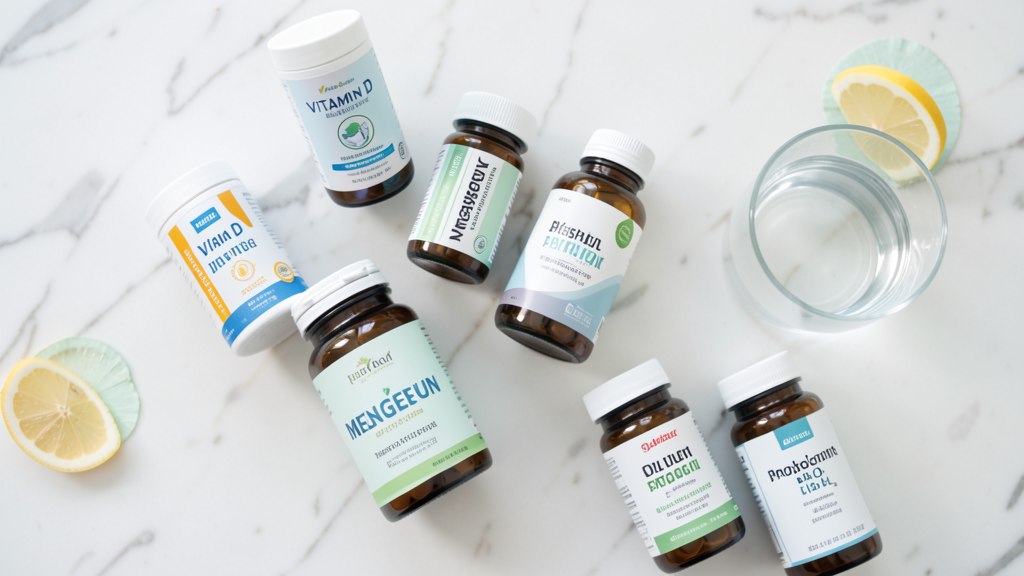
You’ve set your fasting timer, poured your water, and you’re ready to power through another window. Then you glance at your supplement organizer on the counter. Should you take your morning vitamins now, or wait until you break your fast? It’s one of the most common questions in the fasting community — and the answer isn’t as simple as you might think.
Some supplements will absolutely break your fast, while others are not only safe but actively recommended during fasting windows. The confusion stems from the fact that “breaking a fast” isn’t a binary switch — it exists on a spectrum. A few calories from a fish oil capsule won’t undo 16 hours of fasting the same way a bowl of oatmeal would.
In this comprehensive FAQ guide, we’ll break down exactly which supplements you can take while fasting, which ones to save for your eating window, and the smartest timing strategies to maximize both your fasting results and your supplement absorption.
Does Taking Supplements Break a Fast?
The short answer: it depends on the supplement. Fasting is fundamentally about keeping your insulin levels low and staying in a fasted metabolic state. Anything that contains calories, sugar, or significant macronutrients will trigger an insulin response and technically break your fast.
Here’s the general rule of thumb:
- Zero-calorie supplements — safe during fasting windows (electrolytes, creatine, black coffee)
- Supplements with calories, sugar, or fat — break your fast (protein powder, gummy vitamins, collagen)
- Fat-soluble vitamins (A, D, E, K) — technically safe calorie-wise but poorly absorbed without food
- Water-soluble vitamins (B, C) — generally safe, though absorption may be slightly reduced
The key distinction is between what technically breaks a fast (anything with calories) and what practically matters for your goals. If you’re fasting for autophagy — the cellular cleanup process that activates during prolonged fasting — even small caloric inputs can interfere. If you’re doing intermittent fasting primarily for weight loss, a supplement with 5-15 calories isn’t going to meaningfully impact your results.
Which Supplements Are Safe to Take While Fasting?
These supplements won’t break your fast and are commonly recommended during fasting windows. In many cases, they’ll actually enhance your fasting experience and help you fast longer and more comfortably.
Electrolytes (Sodium, Potassium, Magnesium)
Electrolytes are the single most important supplement category during fasting. When you stop eating, your body depletes sodium, potassium, and magnesium rapidly — especially during extended fasts beyond 24 hours. Even during shorter intermittent fasting windows, electrolyte depletion contributes to headaches, dizziness, muscle cramps, brain fog, and the fatigue that many people mistakenly attribute to “low blood sugar.”
The science is clear: fasting increases urinary excretion of sodium and potassium as insulin levels drop. Lower insulin signals the kidneys to release excess sodium, and potassium follows. This is why the first few days of a fasting regimen often feel rough — your body is adjusting to a new electrolyte balance.
Look for electrolyte supplements that contain zero sugar, zero calories, and no artificial sweeteners. Products like LMNT Electrolyte Drink Mix are specifically designed for fasting — each packet delivers 1,000mg sodium, 200mg potassium, and 60mg magnesium with absolutely zero sugar. For a deeper dive, check our detailed review of the best electrolyte supplements for fasting in 2026.
Creatine Monohydrate
Creatine has zero calories and won’t spike insulin. If you train while fasted — which many intermittent fasters do — creatine monohydrate powder mixed with water is perfectly fine during your fasting window. Creatine supports muscle performance, recovery, and even cognitive function, making it an excellent fasting-friendly supplement for people who work out in the morning before their eating window opens.
One note: some creatine products include added sugars or flavoring agents. Always check the label and choose unflavored creatine monohydrate for use during fasting windows. Five grams of plain creatine in water has effectively zero caloric impact.
Fish Oil / Omega-3 (Softgels)
This is one of the most debated supplements in the fasting community. Omega-3 fish oil capsules contain calories from the oil — typically 10-15 calories per capsule with about 1-1.5g of fat. For most people doing casual intermittent fasting (16:8 or 18:6), this is negligible and won’t meaningfully impact fat-burning or autophagy.
However, there’s a practical consideration: omega-3 fatty acids are fat-soluble, meaning they absorb significantly better when taken with dietary fat. Taking fish oil on an empty stomach means you’re getting less benefit from the supplement. The smart move? Save your omega-3 supplements for a meal that includes healthy fats like avocado, olive oil, or nuts.
Probiotics (Capsules, Not Gummies)
Probiotic capsules with no added fillers, prebiotics, or sweeteners generally won’t break your fast. The bacterial cultures don’t need food to survive transit through your stomach to your intestines. They’re actually an excellent complement to fasting — emerging research shows that fasting can reshape the gut microbiome in beneficial ways, and probiotics support that transition.
Just avoid gummy probiotics, which typically contain sugar, gelatin, and 5-15 calories per gummy. Look for capsule or powder forms with a high CFU count and minimal additional ingredients.
Black Coffee and Green Tea
While not supplements per se, many people consume these during fasting windows for their metabolism-boosting and appetite-suppressing effects. Both contain virtually zero calories and won’t break your fast. Coffee may even enhance autophagy according to some preliminary research. Just skip the sugar, milk, and creamer — even a tablespoon of cream adds about 30 calories and can disrupt a strict fast.
Water-Soluble Vitamins (B-Complex, Vitamin C)
B vitamins and vitamin C are water-soluble and contain minimal calories per dose. You can take them during your fasting window without breaking your fast in any meaningful way. That said, absorption may be slightly better when taken with food. If you’re doing a 16:8 intermittent fast, consider taking these in your eating window for optimal uptake — but if you only remember to take them in the morning, taking them on an empty stomach is perfectly fine.
Which Supplements Break Your Fast?
These supplements should be saved for your eating window. They either contain enough calories to trigger an insulin response, require food for proper absorption, or both.
Multi-Vitamins with Food-Based Ingredients
Most standard multivitamins contain fillers, binders, and sometimes small amounts of calories from food-based ingredients. The calories are usually low (5-15 per tablet), but the bigger issue is that fat-soluble vitamins in multivitamins need dietary fat for absorption. Vitamin A, D, E, and K all require fat to be transported across your intestinal wall and into your bloodstream. Taking a multivitamin on an empty stomach means you’re absorbing a fraction of these critical nutrients.
Gummy Vitamins
Gummy vitamins are essentially candy with added vitamins. They typically contain 10-15 calories per gummy from sugar, corn syrup, and gelatin. This absolutely breaks your fast. Beyond the caloric content, the sugar in gummy vitamins can trigger an insulin response that’s disproportionate to the small amount of vitamins delivered. Swap to capsule or tablet forms during fasting windows.
Protein Powders and Shakes
Even a small protein shake contains 100+ calories and triggers a significant insulin response. Whether it’s whey, casein, plant-based, or collagen protein — if it delivers meaningful protein, it’s breaking your fast. Save your protein powder for your eating window. If you’re interested in preserving muscle during fasting, read our guide on the best supplements for fasting and muscle preservation.
Collagen Peptides
Collagen contains about 35-40 calories per scoop with roughly 9-10g of protein. This will break your fast and trigger an insulin response. While collagen has excellent benefits for skin, joints, and gut health, it’s a protein source and belongs in your eating window.
BCAAs and EAAs
Branched-chain amino acids and essential amino acids contain calories and trigger insulin release. While some fasted trainers swear by BCAAs for muscle preservation during fasted workouts, research consistently shows they do break a fast. If preserving muscle is your priority, consider creatine instead — it’s calorie-free and has stronger evidence for muscle preservation.
Vitamin D3 in Oil-Based Softgels
Vitamin D is fat-soluble, meaning it needs dietary fat to be properly absorbed. Oil-based D3 softgels contain a small amount of calories from the carrier oil (typically 5-10 calories per softgel). While the caloric impact is minimal, you’re essentially wasting the supplement by taking it without food. Save vitamin D3 for a meal that includes healthy fats.
Adaptogen Powders and Herbal Supplements
Many adaptogen supplements — ashwagandha, rhodiola, mushroom blends — come in powder form and contain small amounts of calories from the plant material itself. While individually small (5-20 calories per serving), they can technically break a strict fast. Capsule forms of adaptogens are generally lower in calories and more fasting-friendly.
The Complete Supplement Timing Cheat Sheet
| Supplement | Breaks Fast? | Best Timing |
|---|---|---|
| Electrolytes (zero sugar) | No | During fasting window |
| Creatine monohydrate | No | During fasting window |
| Probiotic capsules | No | During fasting or with food |
| Black coffee | No | During fasting window |
| B-complex vitamins | No | Either window |
| Vitamin C | No | Either window |
| Fish oil / Omega-3 | Technically yes (10-15 cal) | With food (better absorption) |
| Multivitamin | Technically yes (5-15 cal) | With food (fat-soluble vitamins) |
| Gummy vitamins | Yes (10-15 cal, sugar) | With food |
| Protein powder | Yes (100+ cal) | With food |
| Collagen peptides | Yes (35-40 cal) | With food |
| BCAAs / EAAs | Yes (20-40 cal) | With food |
| Vitamin D3 (oil softgel) | Technically yes (5-10 cal) | With fat-containing meal |
Frequently Asked Questions
Can I take magnesium while fasting?
Absolutely. Magnesium is one of the most recommended supplements during fasting. It helps prevent muscle cramps, supports sleep quality, reduces anxiety, and maintains healthy blood sugar levels. Choose magnesium glycinate or citrate in capsule form for best results. Glycinate is particularly well-absorbed and gentle on the stomach. Check our detailed review of the best magnesium supplements for fasting sleep quality for our top picks.
Will a multivitamin break my fast?
A standard multivitamin contains minimal calories (5-15 per tablet), so it won’t significantly impact a weight-loss-focused intermittent fast. However, for autophagy-focused fasts — where you’re trying to maximize cellular cleanup — even small caloric inputs matter. Additionally, fat-soluble vitamins (A, D, E, K) in multivitamins are poorly absorbed without food. Best practice: take your multivitamin with your first meal of the day.
Can I take fish oil capsules during my fasting window?
Fish oil capsules contain about 10-15 calories each from the oil. For casual intermittent fasters doing 16:8 or 18:6, this is negligible. However, fish oil is fat-soluble and absorbs significantly better with dietary fat. Take it with a meal that includes healthy fats like avocado or olive oil for maximum benefit.
Is it safe to take ADHD medication while fasting?
Many ADHD stimulant medications (like Adderall or Ritalin) should be taken with food to reduce stomach irritation and ensure proper absorption. However, some people take them on an empty stomach without issues. The bigger concern is that stimulant medications suppress appetite, which can make it harder to eat enough during your eating window. Always consult your prescribing physician about the best approach for your specific medication and fasting schedule.
Should I take probiotics while fasting or with food?
Probiotic capsules can be taken during your fasting window — the beneficial bacteria don’t need food to survive transit to your gut. However, some people experience mild stomach discomfort taking probiotics on an empty stomach. If that’s you, take them with your first meal. Avoid gummy probiotics during fasting (they contain sugar and calories).
What about apple cider vinegar supplements?
Apple cider vinegar in liquid form (1-2 tablespoons diluted in water) has negligible calories and won’t break your fast. Some people use it to support digestion and blood sugar regulation during fasting. ACV capsules are also generally fine, though check the label for added ingredients. Just avoid ACV gummies, which contain sugar and calories.
Can I take iron supplements while fasting?
Iron absorption is actually enhanced on an empty stomach — that’s why many doctors recommend taking iron supplements between meals. If you need to supplement iron, your fasting window is an ideal time. Just be aware that iron can cause stomach discomfort in some people. If that’s an issue, take it with a small amount of food.
The Smart Timing Strategy
Here’s the simplest approach that covers most people: separate your supplements into two groups.
Take during fasting windows: Electrolytes (non-negotiable for extended fasts), creatine monohydrate, probiotic capsules, water-soluble vitamins if needed, iron supplements, and apple cider vinegar.
Take with food: Multivitamins, fat-soluble vitamins (A, D, E, K), fish oil/omega-3, collagen, protein powder, gummy vitamins, BCAAs/EAAs, and adaptogen powders.
This strategy ensures you’re not breaking your fast unnecessarily while also maximizing the absorption of supplements that need food to work properly. Your fasting window is for fat-burning and autophagy; your eating window is for nourishment and nutrient uptake.
The Bottom Line
Don’t let the supplement question stress you out or derail your fasting practice. The vast majority of your fasting benefits — fat loss, improved insulin sensitivity, mental clarity, reduced inflammation — come from the fasting itself, not from whether you took a capsule of vitamin C an hour ago.
Focus on the fundamentals: stay hydrated with electrolytes, eat nutrient-dense whole foods during your eating window, be consistent with your fasting schedule, and get enough sleep. The supplement timing details are optimization on top of a solid foundation.
For most people doing intermittent fasting (16:8 or 18:6), the practical impact of taking a zero-calorie supplement during the fasting window is minimal. What matters far more is what you eat and when you eat during your feeding window. A poor diet during your eating window will undo all the benefits of a perfect fast — no supplement timing hack can fix that.
Start with the basics — electrolytes during fasting, multivitamins with food — and optimize from there as you learn how your body responds to different supplements and fasting protocols.
As an Amazon Associate, I earn from qualifying purchases. This article is for informational purposes only and does not constitute medical advice. Always consult with a healthcare provider before starting any supplement regimen, especially if you have underlying health conditions or take medications.
Related posts:
 Can You Drink Protein Shakes While Fasting? What Actually Breaks a Fast (2026)
 Do You Need Supplements While Fasting? A Comprehensive Breakdown
 How to Stay Hydrated During Fasting: Best Supplements to Try
 Best Electrolyte Supplements for Fasting in 2026 — Tested & Ranked
 Best Supplements for Fasting and Muscle Preservation in 2026