
Why Bone Broth Is One of the Best Ways to Break a Fast
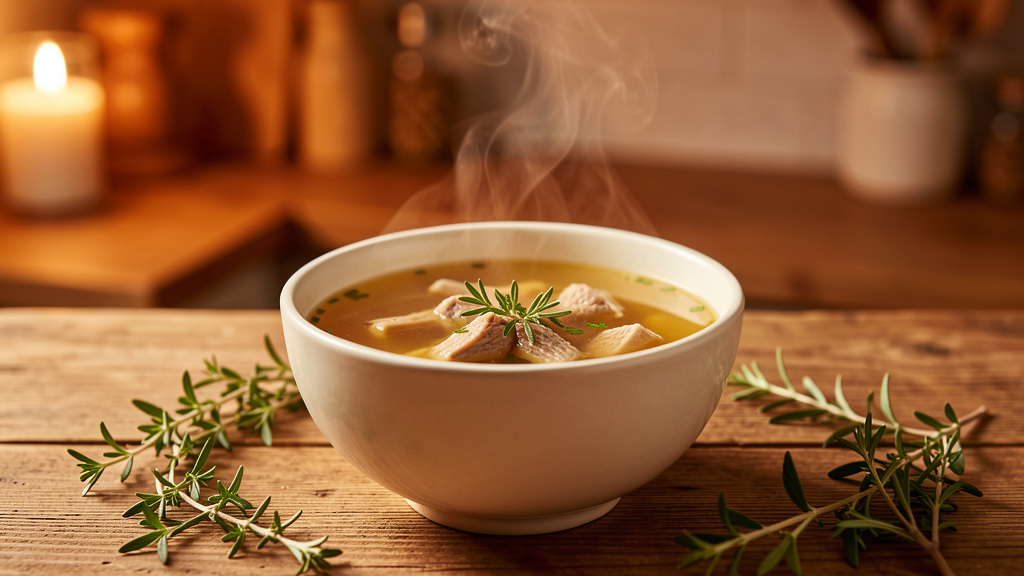
If you’ve ever ended a long fast with a heavy meal and paid for it with bloating, cramps, or nausea, you already know the hard truth: how you break your fast matters as much as the fast itself. Bone broth has become the go-to recommendation in fasting communities — and for good reason.
After hours (or days) without food, your digestive system is essentially in standby mode. Your stomach acid production drops, your gut lining has been resting, and your microbiome has shifted. Throwing a steak and potatoes at a dormant gut is like cold-starting a car in subzero weather and immediately flooring it. Bone broth is the gentle warm-up your body craves.
Here’s what makes bone broth uniquely suited for breaking a fast:
- Easily digestible protein — The collagen and gelatin in bone broth are partially broken down through simmering, making them far easier to absorb than intact muscle meat protein.
- Gut-healing compounds — Gelatin and amino acids like glutamine help seal and soothe the gut lining, which can become more permeable during extended fasting.
- Electrolytes — A quality bone broth contains sodium, potassium, and magnesium — exactly the minerals you need to replenish after fasting.
- Low glycemic impact — Unlike fruit juices or smoothies, bone broth won’t spike your blood sugar, keeping you in a gentle transition from fasting to feeding.
If you’re looking for a convenient option, check out these top-rated grass-fed bone broths on Amazon →
Which Type of Bone Broth Should You Use?
Not all bone broth is created equal — and when you’re breaking a fast, quality matters more than ever. Here’s how to choose the right one.
Homemade vs. Store-Bought
Homemade bone broth is the gold standard. When you simmer bones for 12-24 hours with a splash of apple cider vinegar, you extract maximum collagen, minerals, and amino acids. You also control exactly what goes in — no fillers, no preservatives, no hidden carbs.
Store-bought bone broth has come a long way. Brands like Kettle & Fire and Bare Bones now offer shelf-stable and frozen options that rival homemade. The key is reading the label: look for broths with 8+ grams of protein per serving and minimal ingredients.
Beef vs. Chicken vs. Fish
Each type of bone broth offers slightly different benefits for fast-breaking:
- Beef bone broth — Highest in collagen and glycine. Best for extended fasts (24+ hours) when you need maximum gut-healing support.
- Chicken bone broth — Richer in cysteine, which helps thin mucus and supports immune function. Great after shorter fasts (16-24 hours). Also the most palatable if you’re feeling queasy.
- Fish bone broth — Lighter and faster to digest. Good if you have a sensitive stomach or are breaking a very long fast (48+ hours) and need the gentlest possible reintroduction.
For convenience and quality, Kettle & Fire organic bone broth is a top pick on Amazon →
How Much Bone Broth Should You Drink When Breaking a Fast?
The amount of bone broth you need depends on how long you’ve been fasting. Here’s a practical breakdown:
| Fast Duration | Initial Serving | Wait Before Eating | Notes |
|---|---|---|---|
| 16:8 intermittent fast | 1 cup (8 oz) | 15-30 minutes | Optional — you can eat a regular meal right after |
| 24-hour fast | 1-2 cups (8-16 oz) | 30-60 minutes | Recommended to ease digestion back online |
| 48-hour fast | 2 cups (16 oz) | 1-2 hours | Follow with light, low-carb food |
| 72+ hour fast | 2-3 cups over 1-2 hours | 2-3 hours | Sip slowly. Follow refeeding protocol carefully |
Pro tip: Sip your bone broth slowly over 10-15 minutes rather than chugging it. This gives your digestive enzymes time to ramp up and helps your stomach adjust to receiving food again.
Step-by-Step: How to Break a Fast With Bone Broth
Here’s the exact protocol I recommend, whether you’re coming off a 16-hour intermittent fast or a 3-day water fast.
For Intermittent Fasting (16-24 Hours)
- Warm 1 cup of bone broth on the stove or in the microwave. Avoid boiling — you want it steamy, not scalding.
- Sip slowly over 10-15 minutes.
- Wait 15-30 minutes before eating your first real meal.
- Break your meal with protein and healthy fats — think eggs, avocado, grilled chicken. Avoid heavy carbs and sugar for the first meal.
For Extended Fasting (48+ Hours)
- Start with 1 cup of warm bone broth. Sip over 15 minutes.
- Wait 30-60 minutes. Notice how your body responds. Any nausea or discomfort? If so, wait longer.
- Have a second cup if tolerating well. This provides more electrolytes and protein to stabilize your system.
- After 1-2 hours, introduce a small portion of easily digestible food: steamed vegetables, a small piece of fish, or a soft-boiled egg.
- Avoid these for the first 24 hours after a long fast: raw vegetables, heavy fats (deep fried food), high-sugar foods, dairy (if sensitive), and large portions of red meat.
For a premium grass-fed option that’s ready in minutes, Bare Bones grass-fed bone broth is available on Amazon →
Common Mistakes to Avoid
After spending days fasting, the last thing you want is to sabotage your results with poor refeeding. These are the mistakes I see most often in fasting communities:
1. Breaking a Fast With Carbs Instead of Broth
After fasting, your body is primed to store whatever you eat. If you break with carbs — fruit, toast, smoothies — you’ll get an insulin spike that can cause fatigue, hunger, and even rebound eating. Bone broth provides protein and fat without the glycemic roller coaster.
2. Using Broth With Hidden Additives
Many commercial “bone broths” are really just flavored stock with less than 2 grams of protein per serving. Check the label. If the protein content is under 8 grams per cup, you’re not getting real bone broth — you’re getting salt water with chicken flavoring. Also watch for added sugars, natural flavors, and preservatives that can irritate a fasting-sensitive gut.
3. Eating Too Much Too Fast After the Broth
Even though bone broth is gentle, your digestive system needs time to fully “wake up.” After your broth, give it at least 30 minutes before eating solid food. For extended fasts, wait even longer. The #1 cause of refeeding discomfort is simply eating too much, too fast.
4. Skipping Electrolytes
Bone broth contains electrolytes, but it may not be enough after a 48+ hour fast. Consider adding a pinch of sea salt or using an electrolyte supplement alongside your broth. LMNT electrolyte packets are a great companion on Amazon →
Can You Drink Bone Broth During a Fast?
This is one of the most debated questions in fasting communities. The honest answer: it depends on your goals.
If you’re fasting for weight loss, a cup of bone broth (35-50 calories) during a prolonged fast won’t meaningfully impact your calorie deficit. It might even help you fast longer by reducing hunger and preventing electrolyte crashes.
If you’re fasting for autophagy, bone broth will likely pause the process. The protein content (particularly the amino acid leucine) triggers mTOR signaling, which inhibits autophagy. Even small amounts matter for autophagy purists.
If you’re fasting for gut rest, bone broth is a middle ground — it’s partially broken down and doesn’t require heavy digestion, but it does stimulate some digestive activity.
The practical recommendation from most experienced fasters: use bone broth during a fast only if you’re struggling and it helps you continue. A fast with bone broth is better than no fast at all.
The Best Bone Broth Products for Fasting
Not everyone has time to make homemade bone broth — and that’s fine. Here are the top store-bought options that meet the quality standards for fast-breaking:
- Kettle & Fire — Shelf-stable, 10g protein per cup, grass-fed, multiple flavors. Best overall convenience pick.
- Bare Bones — Frozen and shelf-stable options, 9g protein per cup, made from organic bones. Best for purists.
- Bonafide Provisions — Frozen, 10g protein, slow-simmered for 24+ hours. Best for extended fast refeeding.
- ProLon Fast Bars — Not broth, but specifically designed for breaking ProLon fasting cycles. Worth knowing about if you do fasting-mimicking diets.
For the full selection, browse the best-rated bone broths on Amazon →
As an Amazon Associate, I earn from qualifying purchases.
Conclusion
Breaking a fast with bone broth isn’t just a trend — it’s a scientifically sound practice that protects your gut, replenishes electrolytes, and eases your body back into digestion. Whether you’re finishing a 16-hour intermittent fast or a 3-day water fast, starting with a warm cup of quality bone broth sets you up for a smooth, comfortable transition back to eating.
The key takeaways: choose a high-protein, minimally processed broth, sip it slowly, and wait before eating solid food. Your digestive system will thank you — and you’ll avoid the bloating, nausea, and fatigue that come from breaking a fast the wrong way.
Ready to stock up? Check the latest prices on Amazon →
Frequently Asked Questions
Does bone broth break a fast?
Technically, yes — bone broth contains calories and protein, so it does break a fast. However, it’s widely considered one of the best ways to break a fast because it’s gentle on the digestive system and provides the nutrients your body needs most after fasting. If you’re fasting for autophagy, even small amounts of protein will pause the process.
How long after bone broth can I eat solid food?
After a 16-24 hour fast, wait 15-30 minutes. After a 48+ hour fast, wait 1-2 hours and start with small, easily digestible portions. Always listen to your body — if you feel nauseous after the broth, wait longer before eating solids.
Can I add salt or herbs to my bone broth when breaking a fast?
Yes, a pinch of sea salt is actually beneficial — it helps replenish sodium lost during fasting. Mild herbs like ginger or turmeric can also be soothing. Avoid adding fats (like coconut oil or butter) for the first cup, as your gallbladder may not be ready to process large amounts of fat after a prolonged fast.
Is store-bought bone broth good enough for breaking a fast?
Quality store-bought bone broths with 8+ grams of protein per serving are excellent for breaking a fast. Look for brands that use grass-fed or organic bones and have minimal ingredients. Avoid products labeled “stock” or “broth” with less than 5g protein — these are typically just flavored water.
What if I feel sick after drinking bone broth?
Mild nausea can happen if you drink the broth too quickly or if your stomach is extra sensitive after a long fast. Try sipping more slowly, diluting the broth with water, or starting with a smaller amount (half a cup). If nausea persists or is severe, especially after a fast longer than 72 hours, consult a healthcare provider — this could be a sign of refeeding syndrome.
Related posts:
 How to Break a Fast Safely: Complete Guide for 2026
 Does Coffee Break Your Fast? The Complete Science-Backed Guide for 2026
 How Long Until Autophagy Starts During Fasting? The Complete 2026 Guide
 Best Continuous Glucose Monitors for Fasting in 2026: Complete Buyer’s Guide
 Best Cold Plunge Tubs for Fasting Recovery in 2026: Complete Buyer’s Guide