
Does Autophagy Really Tighten Loose Skin After Weight Loss?
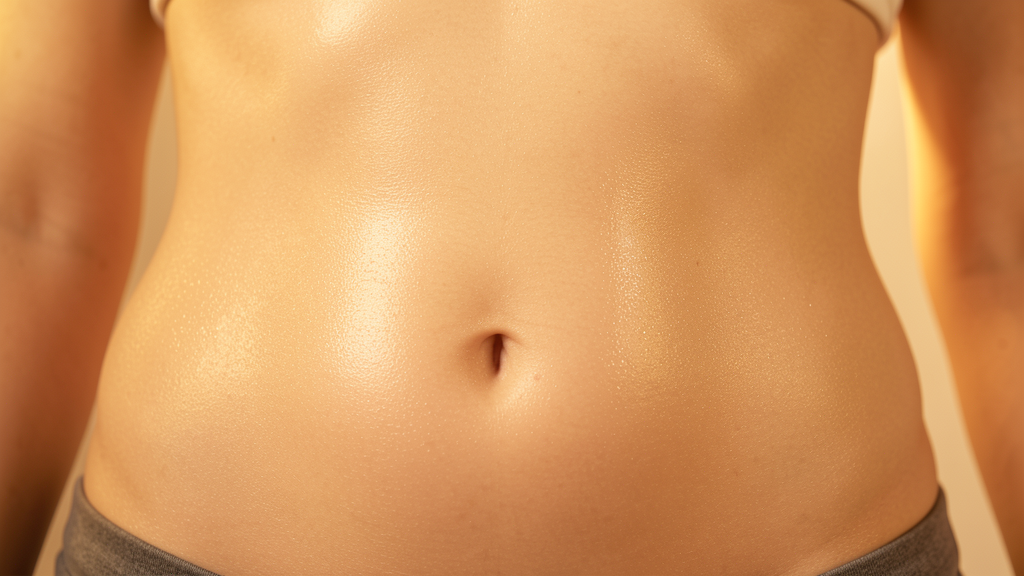
It’s one of the most asked questions in fasting communities: “Will autophagy get rid of my loose skin?” If you’ve lost 30, 50, or even 100+ pounds through intermittent or extended fasting, you already know the triumph of shedding weight — and the frustration of loose skin that doesn’t bounce back. Reddit threads on this topic rack up thousands of upvotes and hundreds of comments, and the answers are all over the map. Some people swear their skin tightened dramatically after long fasts. Others report no change at all.
So what’s actually going on? This FAQ breaks down the science, the real-world results, and the practical steps you can take — including products that genuinely help — so you can set realistic expectations and take action.
What Is Autophagy and How Does It Relate to Skin?
Autophagy (literally “self-eating”) is a cellular recycling process your body ramps up during fasting. When you deprive yourself of calories for extended periods — typically beyond 16-24 hours — your cells start breaking down damaged proteins, old organelles, and other cellular debris to reuse for energy and repair. It’s your body’s built-in cleanup crew.
The connection to skin is straightforward in theory: autophagy degrades old, damaged collagen and elastin fibers — the structural proteins that give skin its firmness and elasticity. By clearing out the damaged proteins, autophagy supposedly makes room for new, healthy collagen to be synthesized. Think of it like demolishing a crumbling wall so you can rebuild it properly.
But here’s where the story gets complicated. Autophagy’s effect on skin isn’t as direct as many fasting advocates claim, and the timeline is much longer than most people expect.
The Science: What Research Actually Shows
Let’s separate what we know from what we’re guessing:
- Autophagy is real and measurable during fasting. Studies using biomarkers like LC3-II and p62 confirm that autophagy significantly increases after 24+ hours of fasting in humans.
- Skin undergoes autophagy too. Research published in Nature Cell Biology confirms that autophagy plays a role in skin homeostasis, wound healing, and the removal of damaged collagen.
- The “loose skin” problem is multifactorial. Loose skin after major weight loss isn’t just about damaged collagen — it involves lost fat volume, reduced skin elasticity from aging, stretch marks, and the physical limits of how much skin can contract.
- No human clinical trials have directly measured autophagy-induced skin tightening after weight loss. The evidence is mostly animal studies and anecdotal reports.
Dr. Pradip Jamnadas, a cardiologist whose lectures on fasting have gone viral, has discussed autophagy and loose skin in his talks. He suggests that extended fasting (5+ days) may promote skin tightening through autophagy, but he also emphasizes that the process is slow and individual results vary significantly.
Real People, Real Results: What Fasters Report
The Reddit community provides a massive, uncontrolled dataset. Here’s the pattern that emerges:
People Who Report Significant Skin Tightening
- Tend to have done extended fasts (3-7+ days) repeatedly over months
- Lost weight gradually rather than extremely rapidly
- Are younger (under 35-40) with better baseline skin elasticity
- Combined fasting with skin-supportive habits (hydration, collagen peptides, red light therapy)
People Who Report Minimal or No Change
- Lost weight very rapidly (surgical or extreme calorie restriction)
- Have significant stretch marks or severely damaged skin architecture
- Are older (skin elasticity naturally declines with age)
- Lost very large amounts of weight (100+ lbs) — the skin simply can’t contract enough
One of the most dramatic examples comes from a Reddit user who lost 130 pounds and reported virtually no loose skin, attributing it to intermittent fasting over several years. But it’s impossible to isolate autophagy from other factors like genetics, age, and the rate of weight loss.
How Long Does It Take for Autophagy to Affect Skin?
This is where expectations need serious adjusting. Autophagy doesn’t work like a cosmetic procedure — you won’t see visible skin tightening after a single 3-day fast. Here’s a realistic timeline based on aggregated anecdotal reports:
- 1-3 months of consistent extended fasting: Possible subtle improvements in skin texture and tone. Most people won’t notice visible tightening.
- 3-6 months: Some fasters report visible improvements, especially in mild to moderate loose skin (think 20-40 lbs weight loss).
- 6-12+ months: More noticeable changes become possible, but this assumes consistent fasting, good nutrition, and skin-supportive practices.
The key word is consistent. Occasional 24-hour fasts won’t trigger enough autophagy to meaningfully affect skin. Most people reporting results did regular 48-72 hour fasts or monthly 5-7 day extended fasts.
Products That Support Skin Recovery During Fasting
While you can’t buy autophagy in a bottle, certain products can support the process by providing the building blocks your skin needs to rebuild collagen and maintain elasticity — especially during the refeeding window after extended fasts.
1. Collagen Peptides
Hydrolyzed collagen provides the amino acids (glycine, proline, hydroxyproline) your body needs to synthesize new collagen fibers. Take it during your eating window, not during a fast, since it contains calories and amino acids that would halt autophagy. Check price on Amazon →
2. Red Light Therapy Devices
Red and near-infrared light (630-850nm wavelengths) has been shown in clinical studies to stimulate collagen production and improve skin elasticity. This is one of the most evidence-backed tools for skin recovery — and it works synergistically with autophagy. Check price on Amazon →
3. Vitamin C Serum
Vitamin C is essential for collagen synthesis — your body literally cannot make collagen without it. A quality topical vitamin C serum applied to loose skin areas can support the remodeling process. Check price on Amazon →
Practical Steps to Maximize Skin Tightening
Here’s a protocol based on the best available evidence and real-world results:
- Extended fasting: Regular 48-72 hour fasts, with occasional 5-day fasts if you’re experienced. This is where the most potent autophagy response happens.
- Refeed with skin nutrients: Break your fasts with bone broth, collagen-rich foods, and vitamin C-rich fruits and vegetables. The refeeding window is when your body actually rebuilds tissue.
- Stay hydrated: Dehydrated skin loses elasticity faster. Aim for 2-3 liters of water daily, plus electrolytes during fasts. Check price on Amazon →
- Red light therapy: 10-20 minutes daily on the areas of concern. This is the most evidence-supported non-invasive option for collagen stimulation.
- Strength training: Building muscle underneath loose skin can fill out the area and improve appearance significantly.
- Patience: Give it at least 6-12 months before considering more invasive options.
When Autophagy Isn’t Enough
Be honest with yourself: if you’ve lost 100+ pounds, have severe stretch marks, or are over 50, autophagy alone probably won’t resolve significant loose skin. That’s not failure — it’s biology. Skin has physical limits on how much it can contract, and once the dermal structure is severely disrupted by stretch marks, no amount of cellular recycling will fully reverse it.
In those cases, a combination approach works best: use autophagy and supportive products to improve what you can, and consider consulting a plastic surgeon for the rest. Many people find that even moderate improvement through fasting and skin-supportive practices makes surgical options less extensive (and less expensive).
FAQ
Can I take collagen during a fast to help my skin?
No — collagen peptides contain calories and amino acids that will break your fast and halt autophagy. Take collagen during your eating window, ideally right after breaking your fast when your body is primed for tissue repair.
How long do I need to fast for autophagy to start?
Autophagy begins ramping up around 16-24 hours of fasting, but meaningful levels typically require 24-48+ hours. For skin-specific benefits, most evidence (anecdotal) suggests 48-72+ hour fasts are needed for a significant autophagic response.
Will dry fasting speed up skin tightening?
Dry fasting (no food or water) is extremely controversial and potentially dangerous. While some advocates claim it accelerates autophagy, there’s no reliable human evidence for this, and the risks of dehydration, kidney stress, and electrolyte imbalance are serious. We strongly recommend against dry fasting.
Does age matter for autophagy and skin tightening?
Yes, significantly. Younger skin has more fibroblasts (collagen-producing cells) and better elasticity. People under 35 tend to see better results from autophagy-based skin recovery. Over 40-50, results slow down but aren’t zero — you may just need more patience and supportive products.
Should I combine red light therapy with fasting?
Yes — this is one of the best combinations. Red light therapy doesn’t interfere with fasting or autophagy, and it directly stimulates fibroblasts to produce new collagen. Use it during your fasting window for maximum benefit.
Conclusion
Autophagy can help with loose skin after weight loss, but it’s not a magic cure and it’s certainly not fast. The evidence — both scientific and anecdotal — suggests that consistent extended fasting, combined with skin-supportive nutrition and red light therapy, can produce meaningful improvements over months. But for significant loose skin after major weight loss, autophagy alone has limits, and that’s okay.
The best approach: commit to regular extended fasts, refeed with collagen and vitamin C, stay hydrated with electrolytes, use red light therapy daily, and give it at least 6-12 months. If you’re not satisfied with the results after that, talk to a professional about additional options.
As an Amazon Associate, I earn from qualifying purchases.
Related posts:
 Does Coke Zero Affect Autophagy?
 Unlock Weight Loss: Master Autophagy Fasting with Water for a Healthier You!
 Rolling 72-Hour Fasts for Rapid Weight Loss — Does It Really Work?
 Reviver Salt Pills: The Ultimate Electrolyte Boost for Runners and Fasters!
 Revive Your Performance: A Review of REVIVER Salt Pills with Electrolytes for Runners and Fasters