
How Fasting Fights Inflammation: 2026 Research Breakthroughs
Chronic inflammation sits at the root of nearly every modern disease — from heart disease and diabetes to autoimmune conditions and cancer. For years, the mainstream advice has been to take anti-inflammatory drugs and make lifestyle tweaks. But a growing body of 2026 research shows that fasting may be one of the most powerful anti-inflammatory tools we have, working not by masking symptoms but by resetting your body’s internal defenses at the cellular level.
A landmark randomized clinical trial published in February 2026 found that intermittent fasting reduced Crohn’s disease activity by 40% and cut systemic inflammation markers in half. That’s not a supplement or a pharmaceutical — that’s modifying when you eat. In this article, we’ll break down what that study found, explain how fasting triggers autophagy and immune recalibration, and give you a practical framework for using time-restricted eating to fight chronic inflammation.
The 2026 Crohn’s Disease Study: What Researchers Found
In February 2026, researchers published findings from a randomized controlled trial examining the effects of time-restricted feeding (TRF) on adults with Crohn’s disease — a chronic inflammatory bowel condition that affects approximately 3 million Americans. The results were striking: participants practicing TRF experienced a 40% reduction in Crohn’s disease activity and a 50% decrease in systemic inflammation markers, including C-reactive protein (CRP) and interleukin-6 (IL-6).
What makes this study particularly significant is its methodology. Unlike observational studies that can only suggest correlations, this RCT randomly assigned participants to either a time-restricted feeding protocol (eating within an 8-10 hour window) or a control group. The fasting group showed measurable improvements not just in subjective symptoms — less pain, fewer flare-ups — but in the clinical objective markers that gastroenterologists use to assess disease severity.
The researchers also measured changes in body composition, finding a significant reduction in BMI and visceral adiposity in the fasting group. Visceral fat is a known driver of chronic inflammation, as it releases inflammatory cytokines that circulate throughout the body. By reducing visceral fat stores, the fasting participants essentially cut off one of their body’s primary sources of inflammatory signaling.
Several participants in the fasting group reported that they were able to reduce their medication dosage during the study period — something their gastroenterologists attributed to the measurable improvement in inflammation. While the study did not advocate medication changes, it demonstrated that TRF could complement existing treatment plans and potentially reduce dependency on long-term pharmaceuticals.
How Fasting Triggers Autophagy: Your Body’s Cleanup Crew
To understand how fasting fights inflammation, you need to understand autophagy — the body’s internal recycling system. Autophagy (from Greek, meaning “self-eating”) is a process where cells break down and remove damaged components, misfolded proteins, and dysfunctional organelles. Think of it as your body’s deep-cleaning crew that activates when you stop eating.
When you fast, your body shifts from using glucose (from food) to using stored fat for energy. This metabolic switch triggers a cascade of cellular events. Low insulin levels and elevated ketone bodies signal cells to ramp up autophagy, which clears out inflammation-promoting damaged mitochondria and cellular debris that would otherwise keep the immune system in a state of constant activation.
The connection to inflammation is direct. Damaged mitochondria release reactive oxygen species (ROS) and damage-associated molecular patterns (DAMPs) — the same molecules that activate NF-κB, a key inflammatory transcription factor. By clearing these damaged components, autophagy dials down the chronic low-grade inflammation that most people carry around without realizing it.
Researchers at the Salk Institute for Biological Studies have shown that the brain-gut pathway is activated during fasting to further promote energy balance and immune regulation. Their research also suggests that fasting-induced autophagy may reduce the risk of common diseases associated with age-related chronic inflammation — including heart disease, type 2 diabetes, and certain cancers. The implication is clear: regular fasting sessions may be one of the simplest and most effective ways to activate this internal defense system.
The Gut Microbiome Connection: How Fasting Reshapes Your Immunity
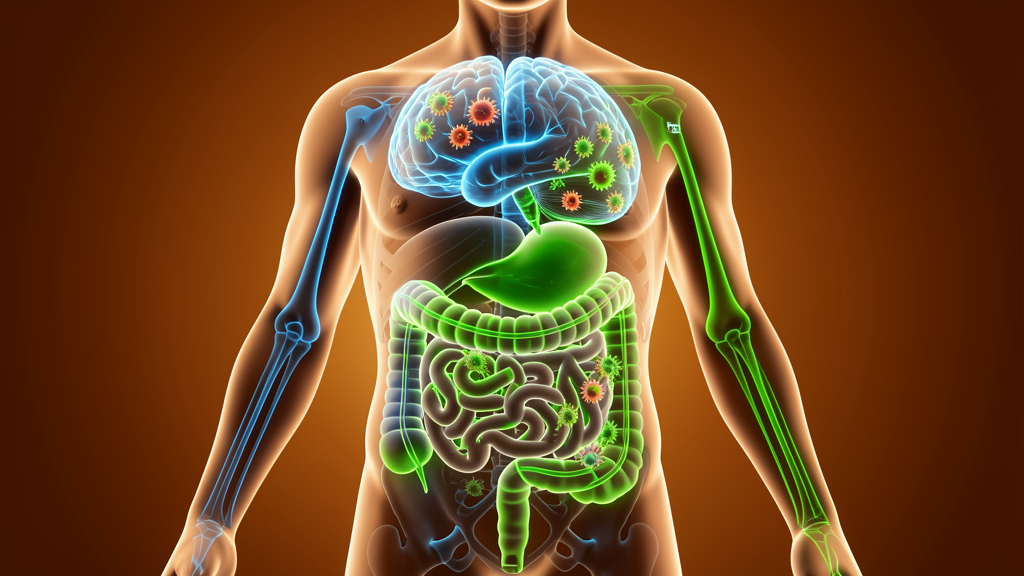
One of the most exciting findings from recent fasting research involves the gut microbiome — the trillions of bacteria living in your digestive tract that play a central role in immune function and inflammation. A 2025 study published in ScienceDirect found that alternate-day fasting significantly altered the gut microbiota of mice on a high-fat diet, including increased abundance of short-chain fatty acid (SCFA) producing bacteria — known for their positive effect on bone density and anti-inflammatory properties.
This finding is particularly relevant for people with chronic inflammatory conditions. SCFA-producing bacteria like Faecalibacterium prausnitzii and Roseburia produce butyrate, a short-chain fatty acid that strengthens the intestinal barrier and reduces systemic inflammation. When these bacteria decline — often due to poor diet, stress, or antibiotic use — the gut becomes “leaky,” allowing bacterial products to enter the bloodstream and trigger immune responses.
A 2025 study in Gut Microbes also found that intermittent fasting triggers interorgan communication through the gut microbiota-exosome axis, and this communication may improve the progression of diabetic osteoporosis. In essence, fasting tells your gut bacteria to produce anti-inflammatory compounds that travel throughout the body via exosomes (tiny cellular vesicles) and deliver their benefits to distant organs — including bones, liver, and brain.
This explains why many people who fast report not just weight loss, but a general reduction in pain, stiffness, and inflammation throughout their body. Fasting isn’t just giving your digestion a break — it’s fundamentally changing the bacterial community that influences every aspect of your immune system.
What This Means for Your Fasting Practice (and Anti-Inflammatory Strategy)
The research is clear: fasting has measurable anti-inflammatory effects that go beyond simple weight loss. But how do you translate these findings into a practical anti-inflammatory strategy?
Start with a 12-14 hour overnight fast. If you’ve never tried time-restricted eating, begin with a 12-hour fast (e.g., stop eating at 8 PM and resume at 8 AM). This is enough to trigger early autophagy and activate the anti-inflammatory cascade — without any extreme restrictions. Gradually extend to 14-16 hours as your body adapts.
Alternate between 16:8 and 20:4 windows. For maximum anti-inflammatory benefit, mix time-restricted eating with occasional longer windows. A 16:8 schedule (eating within 8 hours) is the most studied protocol for reducing inflammation, but a 20:4 (or even one-day-per-week 24-hour fast) may amplify the benefits by extending the autophagy window.
Consider a 5:2 fasting schedule for chronic conditions. If you’re dealing with an autoimmune condition or chronic inflammation, the 5:2 diet (two days per week of net 500-600 calorie restriction) has specific evidence for autoimmune diseases like rheumatoid arthritis and Crohn’s disease. This protocol gives your body two days per week of heightened autophagy and immune recalibration.
Incorporate anti-inflammatory foods during your eating window. When you break your fast, focus on inflammation-reducing foods: fatty fish (salmon, sardines) rich in omega-3s, turmeric and ginger, leafy greens, and berries. Avoid ultra-processed foods and excessive sugar, which negate the anti-inflammatory benefits of fasting by increasing oxidative stress. A quality turmeric supplement can also support your anti-inflammatory regimen, particularly when paired with black pepper for better absorption.
Track your inflammation markers if possible. Ask your doctor to check your C-reactive protein (CRP) and interleukin-6 (IL-6) levels before starting a fasting protocol and after 4-8 weeks. This gives you objective data on whether fasting is reducing your systemic inflammation.
Support hydration and electrolyte balance. During longer fasts, electrolyte depletion can increase cortisol and stress hormones — which actually increase inflammation. Use electrolyte supplements (magnesium, potassium, sodium) during extended fasting periods, especially if you’re fasting for 24+ hours. A good electrolyte supplement for fasting can make a significant difference in how you feel during your fast.
Remember that fasting is a tool, not a magic bullet. The anti-inflammatory benefits come from consistency — practicing time-restricted eating 5-7 days per week, not just once in a while. As Dr. Satchin Panda from the Salk Institute has emphasized, the most powerful benefits of fasting come from the automatic effects of our internal biological clocks (circadian rhythms). When your eating aligns with your circadian rhythm — eating during daylight hours and fasting at night — the anti-inflammatory benefits are significantly amplified.
Autophagy, Cancer, and Long-Term Health: The Bigger Picture
The 2026 Crohn’s disease study is just the latest in a growing body of evidence showing that fasting has anti-inflammatory effects that may extend to cancer prevention and treatment. A 2025 study found that a 5:2 fasting schedule has been shown to reduce colorectal adenomas — the precursors to colorectal cancer — by suppressing the growth of cancer-promoting bacteria in the gut.
Meanwhile, the immune system benefits of fasting appear to be linked to a process called “hematopoietic stem cell regeneration.” Extended fasting (72+ hours) triggers the production of new immune cells from bone marrow, effectively resetting the immune system. This is why researchers at Mount Sinai have applied 5:2 fasting in cancer patients undergoing chemotherapy — they observed greater lymphocyte recovery (a measure of immune function) compared to conventional chemotherapy alone. The idea is that short periods of withdrawal from food can awaken dormant immune function and improve how the body responds to therapy.
Autophagy is also being studied as a potential mechanism for anti-aging. By clearing damaged cells and promoting the replacement of old cells with new ones, fasting may slow the aging process at the cellular level. This is why some researchers call autophagy “the fountain of youth” — it appears to protect against age-related diseases by cleaning up the damage that accumulates over time.
However, the picture is more nuanced than headlines suggest. A 2023 review in the British Journal of Nutrition cautions that intermittent fasting may have negative effects on bone health, particularly in postmenopausal women and those with a history of osteoporosis. The researchers emphasize that the effects of fasting on bone health are not fully understood, and that the most responsible approach is to ensure adequate intake of calcium, vitamin D, and protein during eating windows. A well-planned fasting protocol should never come at the cost of nutritional deficiencies.
Practical Framework: Getting Started with Anti-Inflammatory Fasting
Here’s a step-by-step approach to using fasting as an anti-inflammatory tool:
Week 1-2: Foundation. Establish a 14-hour overnight fast. Stop eating at 8 PM, resume at 10 AM. Include anti-inflammatory foods during your eating window: salmon, leafy greens, turmeric, and berries. First thing in the morning, consider adding a omega-3 supplement to support anti-inflammatory processes throughout the day.
Week 3-4: Expansion. Extend your fast to 16 hours. Try one 20-hour fast per week. Introduce electrolyte supplementation (a quality fasting electrolyte mix would work well). Ask your doctor to check your CRP level if you haven’t already.
Week 5-6: Autophagy Activation. Alternate between 18-hour fasts and 48-hour fasts (e.g., Monday/Wednesday). During the 48-hour fasts, consume only water, black coffee, and electrolytes. This schedule has been shown to generate the strongest autophagy response and immune reset.
Week 7-8: Evaluation. Check your CRP and IL-6 levels again. Compare them to your baseline. If inflammation markers have decreased, continue your protocol. If not, consult with a healthcare provider to explore other factors — sometimes sleep, stress, or injury may be driving inflammation regardless of fasting.
Long-term maintenance: Once you’ve achieved your anti-inflammatory goals, maintain a 16:8 schedule 5 days per week, with one 24-hour fast per week. This has been shown to sustain the benefits of autophagy and immune regulation while being sustainable long-term.
Frequently Asked Questions
How long does it take for fasting to reduce inflammation?
Most studies show measurable improvements in inflammation markers like C-reactive protein within 4-8 weeks of consistent fasting. The Crohn’s disease study showed significant improvements after 12 weeks of time-restricted feeding. However, the anti-inflammatory effects begin at the cellular level much sooner — early autophagy is triggered within 12-16 hours of fasting, and gut microbiome shifts begin within days.
Can I take anti-inflammatory supplements while fasting?
During a fast, you can take supplements that don’t break your fast: magnesium, vitamin D, turmeric, and omega-3 fatty acids. However, avoid supplements that contain calories, protein, or sugar during your fasting window. A small amount of a high-quality, calorie-free supplement will not significantly affect your fasting results. A curcumin supplement taken during your eating window can enhance anti-inflammatory benefits.
What are the best foods to break a fast for inflammation?
When breaking your fast, prioritize: fatty fish (salmon, sardines) for omega-3s, turmeric and ginger for anti-inflammatory compounds, leafy greens (spinach, kale) for vitamins and minerals, and berries for antioxidants. Avoid ultra-processed foods, excessive sugar, and refined carbohydrates. A simple bone broth with turmeric and ginger is an excellent way to break a fast.
Is fasting safe for people with autoimmune conditions?
Fasting can be beneficial for autoimmune conditions — the Crohn’s disease study shows a 40% reduction in disease activity. However, always consult with your doctor before starting a fasting protocol, as autoimmune conditions require individualized management. Shorter fasts (12-16 hours) are generally safe for most autoimmune conditions, while longer fasts should be supervised by a healthcare provider.
Do I need to be 100% fasted to get anti-inflammatory benefits?
No. Research shows that even a 12-hour overnight fast triggers early anti-inflammatory processes. The key is consistency — eating within an 8-10 hour window every day is far more effective than occasional 24-hour fasts. Start with what you can do consistently, then gradually extend your fasting window as your body adapts.
As an Amazon Associate, I earn from qualifying purchases.
Related posts:
 Fasting Rewires Your Brain: 2026 Research Findings
 Discover the Science: Fasting Explored in ‘The Research on Fasting’
 Fasting And Inflammation: How It Can Reduce Inflammatory Markers
 Best Intermittent Fasting Techniques For Reducing Oxidative Stress And Inflammation
 Fasting And Cancer Prevention: What The Research Shows