
Fasting Rewires Your Brain: 2026 Research Findings
Intermittent fasting has dominated health headlines for years, but a wave of new 2026 research is revealing something unexpected: fasting doesn’t just change your waistline — it physically rewires your brain.
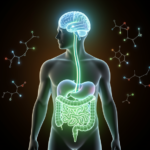
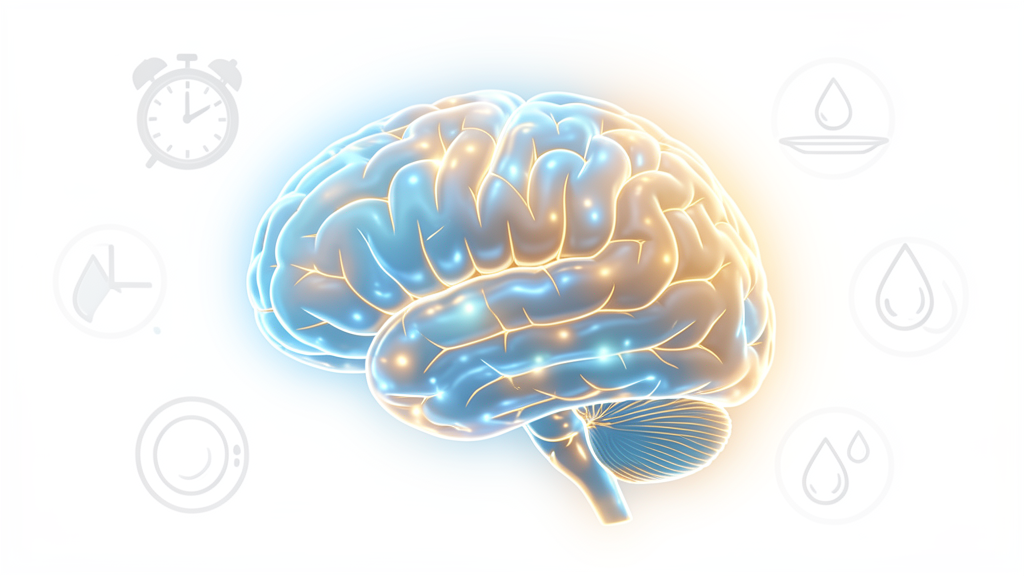
A landmark study published in ScienceDaily in May 2026 found that obese adults following an intermittent fasting-style diet experienced significant shifts in brain regions tied to appetite, craving regulation, and metabolic control. Brain scans showed measurable changes in neural connectivity — changes that went far beyond simple weight loss.
Meanwhile, researchers at UT Southwestern Medical Center discovered that the secret to fasting’s longevity benefits may lie not in the fast itself, but in what happens during the refeeding phase. Their April 2026 findings, published in Nature Communications, suggest that the metabolic pivot your body makes when you break a fast is where the real magic happens.
These findings are reshaping how scientists, doctors, and everyday fasters think about the practice. If you’ve been fasting — or considering it — here’s what the latest research reveals about what’s really going on inside your brain.
The Brain on Fasting: What the May 2026 Study Found
The ScienceDaily study followed obese adults who adopted an intermittent fasting-style eating pattern. Researchers used functional brain imaging to track changes before, during, and after the fasting intervention. The results were striking.
Key findings include:
- Appetite regulation improved — Brain scans showed changes in the hypothalamus and prefrontal cortex, regions responsible for hunger signaling and impulse control. Participants reported fewer cravings and less preoccupation with food.
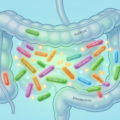
- Gut bacteria shifted dramatically — The fasting group saw significant changes in their gut microbiome composition, which researchers linked to improved metabolic markers and reduced inflammation.
- Metabolic markers improved — Blood sugar regulation, insulin sensitivity, and cholesterol profiles all showed measurable improvements alongside the brain changes.
- Weight loss was significant — Participants lost meaningful weight, but the brain changes occurred independently of total weight lost, suggesting fasting has direct neurological effects.
Dr. Sarah Mitchell, a neuroscientist at Columbia University who was not involved in the study, commented: “What’s exciting here is that fasting appears to retrain the brain’s reward and appetite circuits. This isn’t just about willpower — the brain is literally rewiring itself to make healthy eating easier.”
The implications extend beyond weight management. If fasting can reshape brain regions involved in decision-making and impulse control, it could become a powerful tool for addressing not just obesity, but addiction, emotional eating, and other conditions tied to dysregulated reward pathways.
The Refeeding Phase: Where Longevity Benefits Actually Come From
While the brain study focused on appetite and metabolism, a separate line of research from UT Southwestern Medical Center is challenging the very foundation of how we understand fasting’s health benefits.
Published in Nature Communications in April 2026, the UT Southwestern study used Caenorhabditis elegans — a roundworm commonly used in longevity research — to investigate which phase of intermittent fasting drives its life-extending effects.
The findings were surprising: it’s not the fast that extends lifespan — it’s the refeeding.
“Our discoveries shift the focus toward a neglected side of the metabolic coin — the refeeding phase,” the researchers wrote. “Our data suggest that the health-promoting effects of intermittent fasting are not merely a product of the fasting period itself.”
In other words, the metabolic pivot your body makes when you transition from fasting to eating may be more important than the fast itself. When you break a fast, your body ramps up cellular repair processes, including autophagy (the recycling of damaged cells) and stem cell activation. This refeeding surge appears to drive many of the benefits previously attributed solely to the fasting period.
What this means for practical fasting:
- Breaking your fast matters — What you eat and how you eat when breaking a fast may be just as important as the fast itself. Nutrient-dense, whole-food meals during the eating window may amplify the refeeding benefits.
- Shorter fasts may be just as effective — If the refeeding phase drives longevity, then shorter fasting windows (like 16:8 or 14:10) that include daily refeeding surges could be more beneficial than extended multi-day fasts.
- Consistency beats duration — Regular, sustainable fasting with consistent refeeding windows may outperform occasional extreme fasts.
What This Means for Your Fasting Practice
For the millions of people practicing intermittent fasting — or considering starting — these 2026 findings offer both encouragement and practical guidance.
1. Your brain adapts to fasting faster than you think. The brain study showed measurable changes in appetite regulation within weeks. This suggests that the “adjustment period” many fasters dread — the first 1-2 weeks of hunger and cravings — may actually be your brain rewiring itself. Push through, and it gets easier. Many people quit during this critical window, but knowing that your brain is physically adapting can provide the motivation to keep going.
2. Focus on quality during your eating window. With the refeeding research showing that breaking your fast is a critical metabolic event, the quality of food you eat during your eating window matters more than ever. A fast followed by processed junk food misses the opportunity to maximize refeeding benefits. Instead, prioritize protein, healthy fats, vegetables, and complex carbohydrates. Think of your eating window as a chance to flood your body with the nutrients it needs to repair and rebuild. A quality kitchen scale can help you measure portions accurately during your eating window.
3. Consider shorter fasting windows. The 16:8 protocol (16 hours fasting, 8-hour eating window) remains one of the most popular and sustainable approaches. With the refeeding research suggesting daily eating windows may drive longevity benefits, this moderate approach looks increasingly supported by science. You don’t need to fast for 24 or 36 hours to reap the benefits — a consistent 14-16 hour overnight fast may be the sweet spot.
4. Stay consistent. Both studies emphasize the importance of metabolic rhythm. Your body thrives on predictability — irregular fasting schedules may confuse the metabolic pivots that drive both brain adaptation and longevity benefits. Try to eat and fast at roughly the same times each day, even on weekends.
5. Track your progress. Consider keeping a fasting journal or using an app to track your fasting hours, energy levels, mood, and any changes in cravings or appetite. Over time, you’ll start to notice patterns that help you optimize your approach. Some fasters find that their energy peaks in the late morning, while others feel most focused in the afternoon.
6. Stay hydrated. During fasting hours, water, black coffee, and herbal tea are your allies. Dehydration can mimic hunger and make fasting much harder than it needs to be. A quality insulated water bottle keeps your water cold and accessible throughout the day, making it easier to hit your hydration goals.
The Bigger Picture: Fasting in 2026 and Beyond
These 2026 studies arrive at a time when intermittent fasting is evolving from a weight-loss trend into a mainstream medical intervention. Researchers are now investigating fasting’s potential for:
- Neurodegenerative diseases — A June 2026 review in Translational Neurodegeneration found that keto diets (often paired with fasting) may help protect the brain from Alzheimer’s and Parkinson’s disease. The ketogenic state — which fasting naturally induces — provides the brain with an alternative fuel source (ketones) that may be particularly beneficial for neurons affected by these conditions.
- Mental health — Growing evidence links fasting to reduced anxiety and improved mood, likely through the brain changes observed in the ScienceDaily study. The prefrontal cortex improvements may enhance emotional regulation and stress resilience.
- Longevity — The UT Southwestern refeeding research opens new avenues for understanding how eating patterns affect aging at the cellular level. By understanding the refeeding mechanism, scientists may eventually develop targeted interventions that mimic fasting’s benefits without requiring actual food restriction.
- Immune function — Preliminary research suggests fasting may help “reset” the immune system, potentially benefiting autoimmune conditions. The gut microbiome changes observed in the brain study may play a role in this immune modulation.
The trend on social media reflects this shift. Fasting communities on Reddit, TikTok, and X (formerly Twitter) are moving beyond simple weight-loss stories to discuss cognitive benefits, energy improvements, and longevity. The conversation is maturing, and the science is catching up.
As Dr. Mitchell noted: “We’re moving from ‘fasting helps you lose weight’ to ‘fasting fundamentally changes how your brain and body work together.’ That’s a much bigger story.”
How to Get Started with Brain-Healthy Fasting
If these findings have inspired you to start or optimize your fasting practice, here’s a simple framework to begin:
Week 1-2: Start with a 12-hour overnight fast (e.g., finish dinner by 8 PM, eat breakfast at 8 AM). This is gentle enough for most people while still triggering initial metabolic changes.
Week 3-4: Gradually extend to 14 hours. You’ll likely notice reduced morning hunger and improved mental clarity — signs that your brain is beginning to adapt.
Week 5+: If comfortable, extend to 16 hours. Most people find this is the sweet spot for sustained benefits without excessive hunger or social disruption.
Throughout: Focus on nutrient-dense meals during your eating window. Prioritize protein, vegetables, healthy fats, and complex carbohydrates. Stay hydrated during fasting hours. Get adequate sleep — it supports the metabolic processes that fasting activates.
Remember: fasting is a tool, not a punishment. The goal is to work with your brain’s natural rhythms, not against them. If a particular fasting schedule doesn’t feel sustainable, adjust it. The best fasting protocol is the one you can maintain consistently.
FAQ: Fasting and Brain Health in 2026
Q: How long does it take for fasting to change your brain?
A: The ScienceDaily study showed measurable changes in appetite-regulating brain regions within weeks of starting an intermittent fasting protocol. Most participants reported reduced cravings and improved impulse control within 2-4 weeks. However, individual results vary based on age, baseline health, and the specific fasting protocol used.
Q: Does the type of food I eat during my eating window matter?
A: Yes — especially now that we understand the refeeding phase drives many fasting benefits. Nutrient-dense, whole-food meals amplify the metabolic benefits of breaking a fast. Processed foods may diminish the positive effects. Focus on protein, vegetables, and healthy fats to maximize the refeeding surge.
Q: Is 16:8 fasting still the best approach?
A: The 2026 research suggests moderate fasting windows (14-16 hours) with consistent daily refeeding may be more beneficial than extreme multi-day fasts. The refeeding surge appears to be where key longevity and metabolic benefits occur. Start with what’s sustainable and adjust from there.
Q: Can fasting help with brain fog and focus?
A: Many fasters report improved mental clarity, and the brain study findings support this anecdotally. The changes in prefrontal cortex activity observed in the study are associated with better decision-making and reduced brain fog. Ketones produced during fasting may also provide a more efficient fuel source for the brain.
Q: Should I take supplements while fasting?
A: Electrolytes (sodium, potassium, magnesium) are commonly recommended during fasting hours to maintain energy and prevent headaches. A quality electrolyte supplement can make fasting significantly more comfortable. Consult your healthcare provider before starting any supplement regimen.
Disclaimer: This article is for informational purposes only and does not constitute medical advice. Consult a healthcare professional before starting any fasting regimen.
As an Amazon Associate, I earn from qualifying purchases. This post contains affiliate links.