
Alcohol and Fasting: 7 Questions Answered 2026
One of the most common questions fasters ask — and one that rarely gets a straight answer — is whether you can drink alcohol during a fast. Social events, weekend relaxation, and holiday gatherings don’t stop just because you’re practicing intermittent fasting. The good news is that you don’t have to choose between your social life and your fasting goals. But you do need to understand what alcohol actually does to your body during a fast, and how to make smart choices that keep you on track.
In this guide, we answer seven frequently asked questions about alcohol and fasting, from the basic “does it break your fast?” to the more nuanced effects on ketosis, autophagy, and weight loss. Whether you follow a 16:8 schedule, do OMAD, or occasionally attempt extended fasts, these answers will help you navigate social drinking situations with confidence.
As an Amazon Associate, I earn from qualifying purchases. Product recommendations are based on research and real-world testing, not sponsorship.
Does Alcohol Break a Fast?
The short answer is yes — any caloric beverage breaks a fast. Alcohol contains approximately 7 calories per gram, which means even a single shot of spirits delivers roughly 65-100 calories to your bloodstream. Your body treats alcohol as a priority fuel source, pausing fat oxidation while it processes the ethanol. This is why drinking during your fasting window effectively ends the metabolic state you worked to achieve.
However, the answer gets more interesting when you look at how much alcohol we’re talking about. A single shot of clear spirit (vodka, gin, tequila) has minimal calories compared to a sugary cocktail or a full glass of beer. Some strict fasters argue that 65 calories from a gin and tonic doesn’t meaningfully disrupt the fasting state. The reality is more nuanced: while the calorie load is small, alcohol triggers insulin responses, alters liver function, and shifts your metabolism in ways that go beyond simple calorie counting.
Your liver essentially treats alcohol as a toxin that must be dealt with immediately. When ethanol is present, fat oxidation stops completely until the alcohol is metabolized — a process that takes roughly one hour per standard drink. During this time, any food you’ve eaten gets processed differently than it would without alcohol in your system. The bottom line: if you want a clean fast with maximum metabolic benefits, keep alcohol out of your fasting window entirely.
Will Alcohol Kick Me Out of Ketosis?
If you’re combining fasting with a ketogenic diet, alcohol has a complicated relationship with ketosis. Your liver treats ethanol as a toxin and prioritizes metabolizing it over everything else — including fat oxidation and ketone production. When you drink, your liver temporarily stops producing ketones until it clears the alcohol from your system.
This doesn’t necessarily mean you’ll be kicked out of ketosis entirely. A single drink may only pause ketone production for 2-3 hours. But multiple drinks can suppress ketosis for 6-12 hours, depending on your tolerance and how much you consumed. Heavy drinking can derail ketosis for a full day or more, as your liver works overtime to process the ethanol.
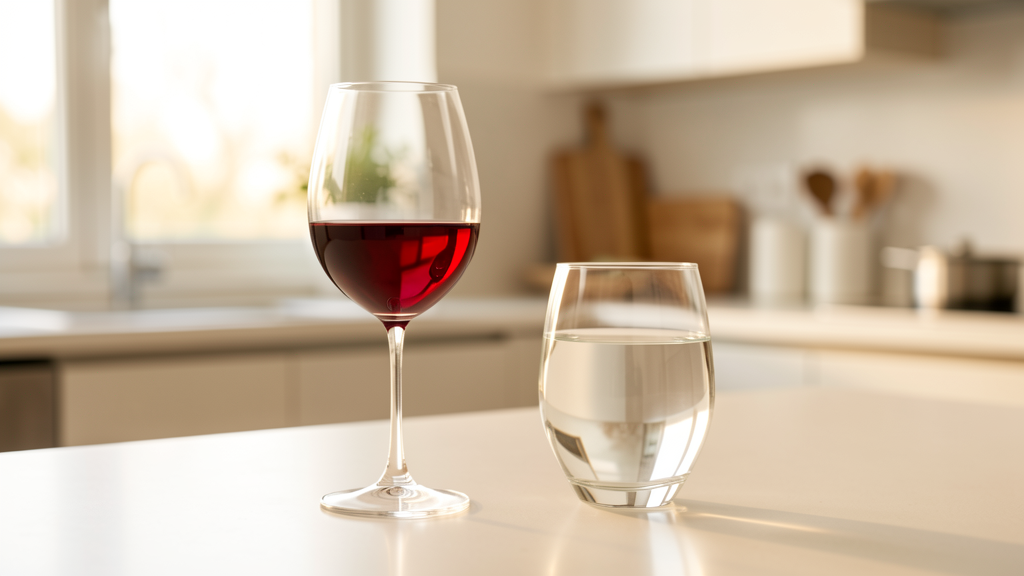
If staying in ketosis is a priority, the best strategy is to choose low-carb alcoholic options: dry red wine (about 3-4g carbs per glass), hard spirits with sugar-free mixers, or low-carb beer. Avoid sugary cocktails, sweet wines, and regular beer — these load you with carbs on top of the alcohol, creating a double hit to your ketone levels. Keeping a quality electrolyte drink on hand can also help you stay hydrated while drinking, which supports faster recovery.
How Does Alcohol Affect Autophagy?
Autophagy — your body’s cellular cleanup process — is one of the most valued benefits of fasting. Research shows that autophagy ramps up significantly after 16-20 hours of fasting, peaking around 48-72 hours. Alcohol interferes with this process in several ways.
First, the caloric content of alcohol triggers mTOR activation, which is essentially the opposite of autophagy. When mTOR is active, your cells are in growth mode, not cleanup mode. Second, alcohol generates acetaldehyde, a toxic metabolite that creates oxidative stress and can damage cellular structures — exactly the kind of damage autophagy is designed to repair. This creates a frustrating cycle: you fast to activate autophagy, then drink alcohol that suppresses it while simultaneously creating more cellular damage that needs autophagy to fix.
The practical takeaway: if autophagy is your primary goal (as it is for many extended fasters), avoid alcohol entirely during your fasting window. Even small amounts can blunt the autophagic response. If you’re doing shorter intermittent fasts primarily for weight management, the autophagy impact of an occasional drink during your eating window is relatively minor.
Can You Drink Alcohol and Still Lose Weight While Fasting?
Weight loss ultimately comes down to calories in versus calories out, and alcohol complicates this equation in multiple ways. A single glass of wine adds 120-130 calories. A beer adds 150-200 calories. A craft cocktail can pack 300-500 calories. When you’re fasting and trying to maintain a caloric deficit, these hidden calories add up fast.
Beyond the direct calorie load, alcohol affects weight loss through three indirect mechanisms. First, it lowers your inhibitions around food — studies show people eat 20-30% more calories on days they drink alcohol. Second, alcohol disrupts sleep quality, and poor sleep increases hunger hormones (ghrelin) and decreases satiety hormones (leptin) the following day. Third, your body burns alcohol calories first, meaning the fat you would have burned during your fast gets stored instead.
That said, you don’t have to eliminate alcohol completely to lose weight while fasting. The key is moderation and timing. Limit yourself to 1-2 drinks, choose lower-calorie options, consume them during your eating window, and account for the calories in your daily total. Many successful fasters enjoy a glass of wine with dinner and still lose weight consistently. The problem isn’t the occasional drink — it’s the pattern of heavy drinking that adds hundreds of empty calories and disrupts the metabolic benefits of fasting.
Supporting your body during fasting days can make the process easier. Magnesium supplements support both sleep quality and electrolyte balance, which can be disrupted by alcohol consumption.
What’s the Best Type of Alcohol to Drink While Fasting?
If you’re going to drink during your eating window, some choices are better than others for fasters. Here’s a practical breakdown based on carb content, calorie load, and impact on your fasting goals:
Best choices (lowest impact on fasting goals):
- Dry red wine (Pinot Noir, Cabernet Sauvignon) — 3-4g carbs, antioxidants from resveratrol
- Clear spirits (vodka, gin, tequila, rum) with soda water — 0g carbs, minimal calories
- Dry white wine (Sauvignon Blanc, Pinot Grigio) — 3-4g carbs
Moderate choices (consume sparingly):
- Light beer — 5-10g carbs, 90-110 calories
- Champagne/Prosecco — 1-2g carbs per glass, but easy to overpour
Best avoided:
- Craft beer — 15-30g carbs, 200-350 calories per pint
- Sugary cocktails (margaritas, mojitos, piña coladas) — 30-60g carbs, 400+ calories
- Sweet dessert wines — 10-15g carbs per small glass
Many fasters are now turning to non-alcoholic beer alternatives that give you the social ritual without the metabolic disruption. These have improved dramatically in recent years, with brands offering genuinely enjoyable flavors at a fraction of the calorie and carb load. If you’re curious about trying them, a six-pack of low-calorie non-alcoholic beer costs roughly the same as a round of cocktails but lets you wake up feeling clear-headed the next morning.
Does Alcohol Dehydrate You More During a Fast?
Yes, and this is one of the most important considerations for fasters who drink. Alcohol is a diuretic — it inhibits vasopressin, a hormone that tells your kidneys to reabsorb water. This means you lose more fluid than you take in, leading to dehydration. During a fast, you’re already in a state where dehydration risk is elevated because you’re not getting water from food.
The combination of fasting dehydration and alcohol-induced dehydration can hit hard. Symptoms include headaches, dizziness, fatigue, dry mouth, and dark urine. These effects are often mistaken for “fasting flu” when they’re actually compounded by alcohol’s diuretic effect.
To minimize dehydration when drinking while fasting:
- Drink one glass of water for every alcoholic beverage
- Add electrolyte powder to at least one glass of water during the evening
- Avoid drinking on an empty stomach — eat your meal first
- Stop drinking alcohol at least 2-3 hours before bed to allow rehydration
The electrolyte connection is particularly important. Alcohol depletes sodium, potassium, and magnesium — the same electrolytes that fasting already taxes. Replenishing these before bed can significantly reduce next-day fatigue and headache severity. Consider keeping an electrolyte supplement on hand for nights when you plan to drink, as the combination of fasting and alcohol creates a double drain on your mineral reserves.
FAQ: Quick Answers to Common Alcohol and Fasting Questions
Q: Does black coffee with Baileys break a fast?
A: Yes. Baileys contains cream and sugar, adding approximately 100 calories per shot. Black coffee itself is calorie-free and fasting-friendly, but any alcoholic cream liqueur breaks the fast immediately.
Q: Can I have a glass of wine during a 24-hour OMAD fast?
A: Technically, yes — you can time it with your single meal. But be aware that alcohol on an empty stomach absorbs faster and hits harder. Eat something first, then enjoy your wine with your meal.
Q: Will one beer ruin my intermittent fasting results?
A: One light beer during your eating window is unlikely to derail your results. The bigger concern is the pattern: one beer often becomes two or three, and the calories add up. If you can stick to one, you’re fine.
Q: Is it worse to drink alcohol during a fast or eat junk food?
A: Both are suboptimal, but in different ways. Alcohol suppresses autophagy and disrupts fat oxidation. Junk food spikes insulin and provides empty calories. From a pure fasting-metrics standpoint, alcohol has a more targeted negative effect on the cellular processes fasting activates.
Q: How long should I wait after drinking before resuming my fast?
A: Wait until your body has fully metabolized the alcohol — roughly 1 hour per standard drink. During this time, stick to water and electrolytes. Once the alcohol is cleared, your body can return to fasting mode.
The Bottom Line
Alcohol and fasting aren’t mutually exclusive, but they do require intentional management. The most important rules: confine drinking to your eating window, choose low-calorie and low-carb options, stay aggressively hydrated with electrolytes, and keep consumption moderate. If autophagy or deep ketosis is your primary goal, consider eliminating alcohol during your fasting periods entirely.
Every faster’s situation is different. The key is understanding what alcohol does to your body during a fast so you can make informed choices rather than guessing. Whether you decide to enjoy an occasional glass of wine or cut alcohol out completely, the knowledge is in your hands.
As an Amazon Associate, I earn from qualifying purchases. Product recommendations are based on research and real-world testing, not sponsorship.
Related posts:
 What Breaks a Fast? 7 Common Fasting Questions Answered 2026
 Fasting Insomnia? Blue Light Blocking Glasses Fix It (2026)
 7 Fasting Mistakes Beginners Make in 2026 (Fix These)
 Dirty Fasting vs Clean Fasting: What the Science Says in 2026
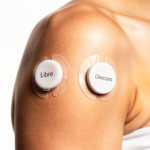 Freestyle Libre 3 vs Dexcom G7 for Fasting: Which CGM Is Best in 2026?