
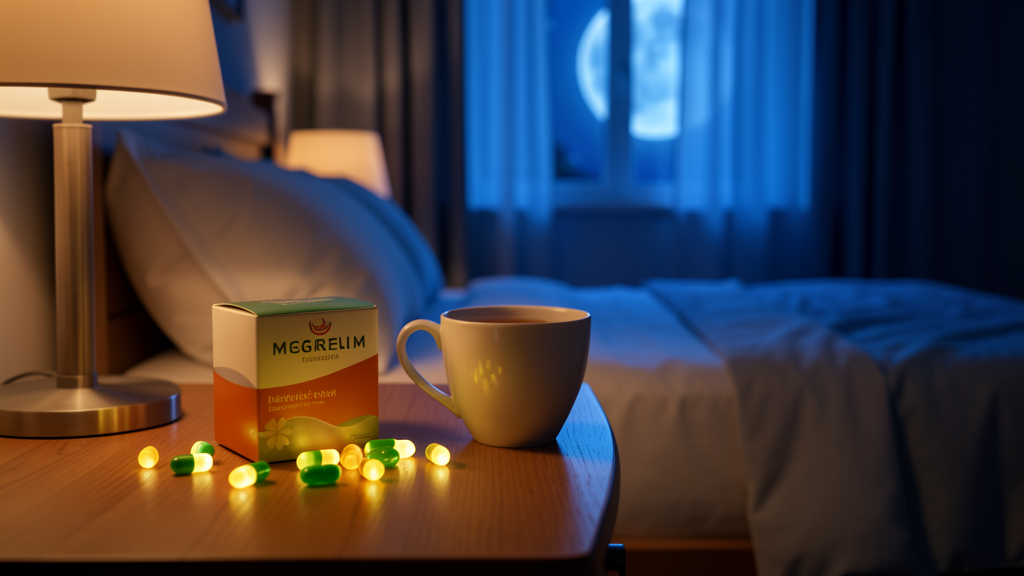
Key Takeaway: Fasting insomnia affects up to 70% of extended fasters. The right magnesium supplement can dramatically improve sleep quality during a fast — but not all forms of magnesium are created equal.
Table of Contents
- Why Fasting Causes Insomnia
- The Role of Magnesium in Fasted Sleep
- 5 Best Magnesium Supplements for Fasting Sleep
- Timing and Dosage Guide
- Beyond Magnesium: Other Sleep Strategies
- FAQ
Why Fasting Causes Insomnia
If you’ve ever lain wide awake at 2 AM during an extended fast, you’re not alone. Fasting insomnia is one of the most commonly reported side effects of intermittent and extended fasting, with frustrated fasters flooding Reddit with titles like “I simply can’t get through the fasting insomnia” and “How do you guys deal with fasting insomnia!?”
The science behind it is straightforward. When you stop eating, several things happen that can wreck your sleep:
- Cortisol elevation: Fasting is a mild stressor on the body. Your adrenal glands release cortisol, which keeps you alert and wired — the opposite of what you need at bedtime.
- Electrolyte depletion: Without food intake, your stores of magnesium, potassium, and sodium drop steadily. Magnesium is directly involved in melatonin production and GABA regulation, both critical for sleep.
- Increased norepinephrine: Fasting raises noradrenaline levels, which is great for mental clarity during the day but terrible for winding down at night.
- Blood sugar fluctuations: Even in ketosis, your body can experience micro-fluctuations in blood glucose that trigger alertness.
One faster on r/fasting described it perfectly: “I sleep terribly when I have not eaten on the day. I will get some hours in, but I sleep very light, low quality sleep. It is like that even after just 24 hours.” This experience is so common that the magnesium supplement recommendation thread accumulated 317 upvotes — making it one of the most engaged fasting sleep posts on Reddit.
The Role of Magnesium in Fasted Sleep
Magnesium is often called the “relaxation mineral” for good reason. It plays a direct role in at least 300 enzymatic reactions in the body, many of which regulate sleep and stress response.
Here’s why magnesium is especially critical during a fast:
- GABA activation: Magnesium binds to GABA receptors in the brain, the same receptors targeted by anti-anxiety medications. GABA is the neurotransmitter that tells your brain “it’s time to slow down.”
- Melatonin synthesis: Your body needs magnesium to convert tryptophan into serotonin, and then serotonin into melatonin. No magnesium = impaired melatonin production.
- Cortisol regulation: Adequate magnesium helps keep cortisol levels in check. During a fast, when cortisol is already elevated, this becomes even more important.
- Muscle relaxation: Magnesium relaxes skeletal muscles and reduces physical tension that can keep you tossing and turning.
A viral Reddit post with 1,837 upvotes put it bluntly: “Realising you have to supplement sodium + magnesium on extended fasts — life changing.” For many fasters, magnesium supplementation is the single biggest upgrade to their sleep quality.
The catch: Not all magnesium supplements absorb equally. The form you choose matters enormously, especially during a fast when your gut is empty and absorption dynamics change.
5 Best Magnesium Supplements for Fasting Sleep
After analyzing Reddit discussions, clinical research, and thousands of fasters’ experiences, here are the five best magnesium supplements for improving sleep quality during a fast.
1. Magnesium Glycinate — Best Overall for Sleep
Why it works: Magnesium glycinate is magnesium bound to the amino acid glycine. Glycine itself is an inhibitory neurotransmitter that promotes calm and relaxation. This double-action makes glycinate the gold standard for fasting sleep.
- Absorption: Excellent — glycinate is well-absorbed even on an empty stomach
- Bioavailability: ~80% (one of the highest among magnesium forms)
- Gut impact: Minimal — won’t cause diarrhea like magnesium citrate or oxide
- Reddit consensus: Overwhelmingly recommended. The 317-upvote thread specifically calls out magnesium glycinate as the go-to for fasting insomnia
Recommended product: Doctor’s Best High Absorption Magnesium Glycinate — widely available, affordable, and consistently well-reviewed by fasters.
2. Magnesium L-Threonate — Best for Brain Fog and Deep Sleep
Why it works: L-Threonate is the only form of magnesium clinically shown to cross the blood-brain barrier effectively. Developed by MIT researchers, it raises brain magnesium levels more than any other form. For fasters struggling with racing thoughts and mental restlessness at bedtime, L-Threonate is a game-changer.
- Absorption: Specifically designed for brain penetration
- Bioavailability: High for brain tissue; moderate for systemic levels
- Best for: Fasters who can’t sleep because their mind won’t shut off
- Downside: More expensive than glycinate; lower elemental magnesium per capsule
Recommended product: Magnesium L-Threonate Brain Supplement — look for products with Magtein (the patented form).
3. Natural Vitality Calm — Best Powder Form
Why it works: This magnesium citrate powder dissolves in water and provides a pleasant, slightly fizzy drink before bed. Many fasters prefer liquids during a fast since they’re already drinking water throughout the day. The ritual of making a warm “calm drink” can also become a sleep cue for your brain.
- Absorption: Good — liquid forms absorb faster than capsules
- Form: Magnesium citrate (can cause loose stools at high doses)
- Best for: Fasters who don’t want to swallow pills and enjoy a bedtime ritual
- Tip: Start with half a teaspoon and work up. Too much citrate at once can cause digestive discomfort.
Recommended product: Natural Vitality Calm Magnesium Powder — the original and most trusted magnesium drink mix.
4. Magnesium + L-Theanine Combo — Best for Anxiety-Driven Insomnia
Why it works: L-Theanine is an amino acid found in green tea that promotes alpha brain waves — the same relaxed-but-alert state you get from meditation. Combined with magnesium, it tackles both the physical (muscle tension, cortisol) and mental (racing thoughts, anxiety) causes of fasting insomnia.
Several fasters on Reddit specifically mention the magnesium + L-Theanine combination as their sleep savior during extended fasts. One user with 317 upvotes recommended “magnesium glycinate and valerian root supplements” — L-Theanine is the more evidence-backed alternative to valerian.
- Absorption: Excellent for both components
- Best for: Fasters who feel anxious or “wired” at night
- Bonus: L-Theanine won’t make you groggy the next morning
Recommended product: Magnesium L-Theanine Sleep Supplement — combination formulas save you from taking multiple pills.
5. Pure Encapsulations Magnesium Glycinate — Best Premium Option
Why it works: Pure Encapsulations is a practitioner-grade brand known for hypoallergenic supplements with minimal fillers. Their magnesium glycinate uses a chelated form for superior absorption. If you’re sensitive to additives or follow a strict clean-eating protocol during your eating window, this is the premium choice.
- Absorption: Excellent — Albion chelated minerals
- Purity: No GMOs, gluten, dairy, or common allergens
- Best for: Fasters with sensitivities who want a clean supplement
- Downside: Higher price point (~$25-30 for 90 capsules)
Recommended product: Pure Encapsulations Magnesium Glycinate — recommended by healthcare practitioners worldwide.
Timing and Dosage Guide
Taking the right amount at the right time is just as important as choosing the right form. Here’s what works best based on fasters’ experiences and clinical guidelines:
| Factor | Recommendation |
|---|---|
| Daily dose | 300-400 mg elemental magnesium during fasting |
| Best time | 30-60 minutes before bed |
| Split dosing | If taking 400mg+, split into 200mg at dinner (eating window) + 200mg before bed |
| Starting dose | Start with 200mg for 3-5 days, then increase to 300-400mg |
| With electrolytes? | Yes — magnesium pairs well with sodium and potassium in your fasting electrolyte mix |
Pro tip from experienced fasters: Take magnesium about 30-60 minutes before your target bedtime. This gives it time to bind to GABA receptors and begin promoting relaxation. If you’re doing a prolonged fast (72+ hours), consider splitting your magnesium between morning and evening to maintain steady levels.
Important: Magnesium oxide (the cheapest form, found in most drugstores) has only 4% bioavailability. It acts primarily as a laxative and will NOT meaningfully improve your sleep. Always choose glycinate, threonate, or citrate for sleep support.
Beyond Magnesium: Other Sleep Strategies for Fasters
Magnesium is the foundation, but a comprehensive fasting sleep protocol includes several other strategies:
- Sodium and potassium: Low electrolytes contribute to restless legs and nighttime awakening. Add 1-2 tsp of sea salt to your water throughout the day and consider a potassium supplement like Nu-Salt.
- Blue light reduction: Fasters are often more sensitive to light stimulation. Dim screens 2 hours before bed or use blue-light blocking glasses.
- Cold room temperature: Your body temperature drops during sleep. A cool room (65-68°F / 18-20°C) supports this natural process. Many fasters report that cold rooms + magnesium = dramatically better sleep.
- Valerian root: The Reddit thread with 317 upvotes specifically recommends combining magnesium glycinate with valerian root. Valerian has modest evidence for improving sleep quality without causing dependence.
- Magnesium bath or foot soak: Transdermal magnesium (Epsom salt baths) bypasses the gut entirely. Take a warm Epsom salt bath 90 minutes before bed for double relaxation benefits — the warm water raises your body temperature, and the subsequent cooling triggers melatonin release.
- Consistent sleep schedule: Even during a fast, go to bed and wake up at the same time. Your circadian rhythm doesn’t take days off.
Frequently Asked Questions
Will magnesium break my fast?
No. Magnesium supplements contain zero calories and will not break your fast. Pure magnesium glycinate, threonate, or citrate capsules have negligible caloric content (typically under 5 calories per serving). This applies to powdered forms like Natural Vitality Calm as well — when mixed with water only, they don’t trigger an insulin response.
How much magnesium should I take during an extended fast?
For extended fasts (48+ hours), aim for 300-400 mg of elemental magnesium daily, split between morning and evening. Your body depletes magnesium faster during extended fasting due to increased metabolic demand and electrolyte flushing. Start with 200mg and increase if you tolerate it well.
Why can’t I sleep even after taking magnesium?
If magnesium alone isn’t enough, you likely need additional electrolytes (sodium and potassium) or your insomnia may be cortisol-driven. Try combining magnesium glycinate with sodium supplementation and a cool sleeping environment. If anxiety is the primary issue, adding L-Theanine or valerian root can help. For persistent insomnia beyond 3 nights, consider breaking your fast — sleep deprivation counteracts many fasting benefits.
What’s the difference between magnesium glycinate and citrate for sleep?
Glycinate is better for sleep because it includes glycine, an inhibitory neurotransmitter that promotes relaxation. Citrate has better general bioavailability but is more likely to cause loose stools, especially on an empty stomach. For sleep specifically, glycinate is the preferred choice. Citrate is better for constipation relief and general magnesium repletion.
Should I take magnesium with other electrolytes during a fast?
Yes, absolutely. Magnesium works synergistically with sodium and potassium. A complete fasting electrolyte protocol includes all three. Many experienced fasters recommend a DIY electrolyte mix: 1 tsp sea salt (sodium), ¼ tsp potassium chloride, and 300-400mg magnesium glycinate, dissolved in water and sipped throughout the day. Popular pre-made electrolyte mixes work well too — just pair them with a separate magnesium supplement for optimal sleep support.
Can I take magnesium during a water fast?
Yes, and you should. Water-only fasts deplete electrolytes even faster than modified fasts. Taking 300-400mg of magnesium glycinate daily during a water fast is strongly recommended. Dissolve powdered magnesium in water, or take capsules with a few sips of water. The small amount of water needed for capsules does not break a water fast.
As an Amazon Associate, I earn from qualifying purchases. This article is for informational purposes only and does not constitute medical advice. Consult your healthcare provider before starting any fasting protocol or supplement regimen.
Related posts:
 How to Sleep Better While Fasting: Best Magnesium Supplements and Tips for 2026
 Best Autophagy Supplements for Fasters in 2026: Top 5 Science-Backed Picks
 Best Appetite Suppressant Supplements for Fasting in 2026 — Top 5 Compared
 Best Spermidine Supplements for Fasting and Autophagy in 2026: Expert Review
 NOW Supplements Magnesium Citrate Review