
What really happens to your body after seven days without food? A new study published in May 2026 has the fasting community buzzing — and the findings might change how you think about intermittent fasting.
The research, highlighted on ScienceDaily and quickly rising to over 1,400 upvotes on Reddit’s r/fasting, reveals something striking: the most dramatic, potentially therapeutic biological changes during a prolonged water fast don’t happen until after day three.
That means the 16:8 schedules, the 5:2 protocols, and even alternate-day fasting — while genuinely beneficial — may be missing what researchers are calling the body’s “deep biological reboot.” If you’ve ever wondered what separates a weekend reset from a true metabolic transformation, this guide breaks down the day-by-day science of a seven-day water fast.
Why Most Intermittent Fasting Schedules Stop Short
Intermittent fasting has exploded in popularity because it works. Studies consistently show that time-restricted eating improves insulin sensitivity, supports weight management, and may reduce inflammation. But there’s a catch that the latest research makes hard to ignore: the most significant biological shifts require more time than most IF protocols provide.
Here’s the timeline that matters:
- 12–16 hours: Your body begins shifting from glucose to fatty acid oxidation. Ketone production starts at low levels. This is the entry point of most 16:8 fasts.
- 18–24 hours: Autophagy — your cells’ cleanup crew — begins ramping up. Glycogen stores deplete. You’re burning primarily fat.
- 24–48 hours: Ketone levels rise significantly. Growth hormone surges to preserve muscle mass. Brain-derived neurotrophic factor (BDNF) increases, supporting neural health.
- 48–72 hours: Autophagy reaches peak activity. Insulin levels drop to their lowest. Inflammatory markers begin declining measurably.
- Day 3 and beyond: This is where the new research gets interesting. The body enters a fundamentally different metabolic state — one that short fasts simply don’t reach.
As one Redditor summarized it: “If you want the deep biological reboot, you’re going to need seven days of water only.” That’s a bold claim, but the science backs up several mechanisms that only activate during extended fasting.
The Day-by-Day Science of a 7-Day Water Fast
Understanding what happens during a prolonged fast requires looking at the body’s metabolic switches — the points where your physiology shifts from one fuel source to another. Here’s what the research shows happens across seven days:
Days 1–2: Glycogen Depletion and Ketosis Entry
Your liver stores roughly 80–100 grams of glycogen — enough to power your brain and muscles for about 18–24 hours. Once those stores are depleted, your body has no choice but to tap into fat reserves. This is the metabolic crossover point.
During this phase, you’ll likely experience hunger, irritability, and fatigue. These symptoms peak around the 24-hour mark and then paradoxically begin to fade as ketone levels rise. Many experienced fasters report that days one and two are actually the hardest — not because of physical difficulty, but because of psychological adjustment.
Practical tip: Proper hydration and electrolytes are critical from day one. A quality electrolyte supplement like LMNT Electrolyte Drink Mix can help prevent the headaches, muscle cramps, and brain fog that derail many first-time extended fasters.
Days 3–4: Autophagy Peak and Immune Reset
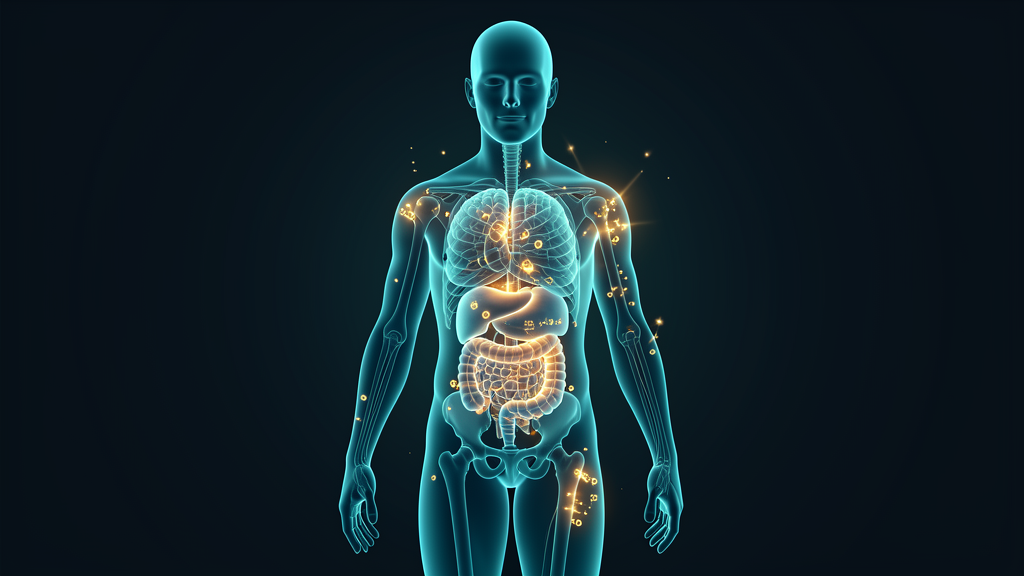
This is the phase the 2026 study identifies as the real turning point. By day three, autophagy — the cellular process where your body breaks down and recycles damaged proteins and organelles — reaches its peak activity level.
But autophagy is only part of the story. Research from MIT and other institutions has shown that extended fasting triggers a remarkable immune system reset. During days three through four, the body begins breaking down old and damaged immune cells. When eating resumes, stem cell-based regeneration creates entirely new immune cells. This “immune reboot” was demonstrated in landmark studies showing that prolonged fasting cycles could essentially renew the entire immune system.
Additionally, insulin levels drop to their lowest point during this phase. For people dealing with insulin resistance — a precursor to type 2 diabetes — this deep insulin suppression can have lasting benefits. Studies have shown that even a single extended fast can improve insulin sensitivity for weeks afterward.
Days 5–7: Deep Ketosis and Brain Neuroplasticity
By day five, you’re in what researchers call “deep ketosis” — your brain is running primarily on beta-hydroxybutyrate (BHB), a ketone body that acts not just as fuel but as a signaling molecule. BHB has been shown to:
- Reduce oxidative stress by inhibiting the NLRP3 inflammasome, a key driver of chronic inflammation
- Enhance brain-derived neurotrophic factor (BDNF), which supports the growth of new neurons and strengthens existing neural connections
- Activate longevity pathways including sirtuins and AMPK, the same pathways targeted by caloric restriction research
Many extended fasters report heightened mental clarity during this phase — a phenomenon that aligns with the neuroplasticity research. The brain, now freed from the metabolic burden of processing constant food intake, appears to operate more efficiently on ketones.
During days six and seven, human growth hormone (HGH) levels can increase by as much as 300–500%. This dramatic HGH surge serves a critical purpose: it protects lean muscle mass from being broken down for energy. Your body is essentially saying, “Burn the fat, spare the muscle.” This is why studies show that extended fasting, counterintuitively, preserves far more muscle than expected.
The Evidence: What the Studies Actually Show
The 2026 study joins a growing body of research supporting the therapeutic potential of extended fasting. Here are the key findings that fasting enthusiasts and skeptics alike should know:
- Immune regeneration: Valter Longo’s research at USC demonstrated that 72-hour fasting cycles triggered stem cell-based regeneration of the immune system. The 2026 study suggests this effect may be even more pronounced at seven days.
- Autophagy depth: While autophagy begins within 24 hours, the depth and breadth of cellular cleanup increases significantly with each additional day. Short fasts trigger “surface cleaning” — extended fasts reach damaged organelles deep within cells.
- Metabolic flexibility: After seven days, the body has fully transitioned to fat-burning mode and has begun optimizing mitochondrial function — the powerhouses of your cells become more efficient at producing energy from ketones.
- Inflammatory markers: C-reactive protein (CRP), interleukin-6 (IL-6), and other inflammatory markers show significant reductions during extended fasts, with effects persisting weeks after refeeding.
It’s worth noting that much of this research has been conducted in controlled settings with medical supervision. The real-world implications for everyday fasters are still being studied, but the biological mechanisms are well-established.
Is a 7-Day Fast Right for You? Practical Considerations
Before you clear your calendar for a week-long water fast, there are critical factors to consider. Extended fasting is not for everyone, and safety must come first.
Who Should NOT Attempt a 7-Day Fast
- Pregnant or breastfeeding women — the nutritional demands are too high
- People with eating disorders — extended fasting can trigger relapse
- Those on diabetes medication — risk of dangerous hypoglycemia
- People who are significantly underweight — insufficient reserves
- Anyone with liver or kidney disease — the metabolic demands may be harmful
Always consult a healthcare provider before attempting any fast longer than 48 hours. Extended fasting is a powerful intervention, not a casual wellness trend.
How to Prepare for a 7-Day Fast
If you’ve cleared extended fasting with your doctor and have experience with shorter fasts (at least several 48-hour fasts under your belt), here’s how to set yourself up for success:
- Week before: Gradually reduce carbs and increase healthy fats to ease the transition into ketosis. Many people find this pre-fast “keto adaptation” period significantly reduces days-one-and-two discomfort.
- Stock electrolytes: Sodium, potassium, and magnesium are non-negotiable during extended fasting. A product like LMNT Electrolyte Drink Mix provides the ratios your body needs without breaking the fast.
- Monitor glucose (optional but recommended): A continuous glucose monitor like Levels Health CGM lets you watch your metabolic switches in real time — it’s fascinating to see your glucose stabilize and ketones rise.
- Clear your schedule: Days three through five can involve fatigue, irritability, and reduced exercise tolerance. Don’t plan intense workouts or high-stakes meetings.
- Have a refeeding plan: Breaking a seven-day fast incorrectly can cause refeeding syndrome — a potentially dangerous shift in electrolytes and fluids. Start with bone broth (Kettle and Fire Bone Broth is an excellent choice), then gradually introduce small, easily digestible meals over 2–3 days.
How Refeeding After a 7-Day Fast Works
The refeeding phase is arguably more important than the fast itself. After seven days without food, your digestive system has downregulated significantly. Your stomach has shrunk. Your insulin response is dialed to “ultra-sensitive.” Dumping a large meal into this system can cause:
- Refeeding syndrome: A dangerous shift in phosphorus, potassium, and magnesium that can cause cardiac arrhythmias in severe cases
- Blood sugar spikes: Your insulin sensitivity is at its peak — a normal meal can cause a dramatic glucose surge
- Digestive distress: Enzyme production has decreased, gut motility is reduced
The safe approach: Day one of refeeding should be bone broth and water. Day two, add small amounts of cooked vegetables and avocado. Day three, introduce lean protein in small portions. Don’t return to normal eating until day four or five of refeeding.
Frequently Asked Questions
How much weight will I lose on a 7-day water fast?
Most people lose 10–15 pounds during a seven-day water fast, though results vary significantly based on starting weight, body composition, and metabolic rate. Not all of this is fat — glycogen depletion and water loss account for roughly 5–7 pounds. After refeeding, expect to regain 3–5 pounds as glycogen stores replenish. The true fat loss of 5–8 pounds, however, is sustained if you transition to a healthy eating pattern afterward.
Is it safe to exercise during a 7-day fast?
Light activity like walking is fine and even beneficial during extended fasting. However, high-intensity exercise should be avoided, especially after day three. Your glycogen stores are depleted, which means your muscles lack their preferred fuel source for intense efforts. Listen to your body — if you feel dizzy, weak, or lightheaded during exercise, stop immediately. Many experienced fasters report that days five through seven actually feel energizing for light movement, even as intense exercise becomes impossible.
Can I drink coffee or tea during a 7-day fast?
Plain black coffee and unsweetened tea are generally considered acceptable during water fasting. They won’t significantly impact autophagy or ketosis. However, caffeine can increase cortisol levels and disrupt sleep — both of which work against the recovery benefits of extended fasting. If you’re caffeine-dependent, keep intake minimal and avoid drinking after noon.
What happens to muscle during a 7-day fast?
This is one of the most counterintuitive findings in fasting research. Despite going seven days without protein, studies show that muscle loss during extended water fasting is remarkably minimal — typically 1–2 pounds of lean mass. The dramatic increase in human growth hormone (300–500% above baseline) acts as a powerful muscle-sparing signal. Your body preferentially burns fat and recycles damaged proteins through autophagy rather than breaking down functional muscle tissue.
Should I take supplements during a 7-day fast?
Electrolytes are essential — sodium, potassium, and magnesium should be supplemented daily to prevent dangerous imbalances. A quality electrolyte mix like LMNT provides these in the right ratios. Beyond electrolytes, a basic multivitamin is reasonable but not strictly necessary for a seven-day fast. Fat-soluble vitamins (A, D, E, K) are stored in body fat and remain available during fasting. Water-soluble vitamins (B, C) may become depleted over seven days, but short-term deficiency is unlikely to cause issues.
The Bottom Line
The 2026 study confirms what experienced fasters have long suspected: the most profound biological benefits of fasting require extended periods without food — specifically, going beyond the three-day threshold that most intermittent fasting protocols never reach.
For the vast majority of people, intermittent fasting (16:8, OMAD, or even 24–48 hour fasts) provides excellent health benefits and is the right starting point. But if you’re looking for the deep metabolic reset — the immune regeneration, the autophagy that reaches damaged organelles, the neurological benefits of sustained deep ketosis — extended fasting may be worth exploring, with proper medical guidance and preparation.
The science is clear: seven days of water fasting triggers changes that shorter fasts simply cannot. Whether that’s worth the commitment and risk is a personal decision — but now you have the research to make it an informed one.
As an Amazon Associate, I earn from qualifying purchases.
Related posts:
 Unlocking Wellness: How ‘Can Fasting Save Your Life?’ Transforms Health
 Does Coffee Break Your Fast? The Complete Science-Backed Guide for 2026
 Best Autophagy Supplements for Fasters in 2026: Top 5 Science-Backed Picks
 Dirty Fasting vs Clean Fasting: What the Science Says in 2026
 Best Smart Body Composition Scales for Fasting and Keto in 2026