
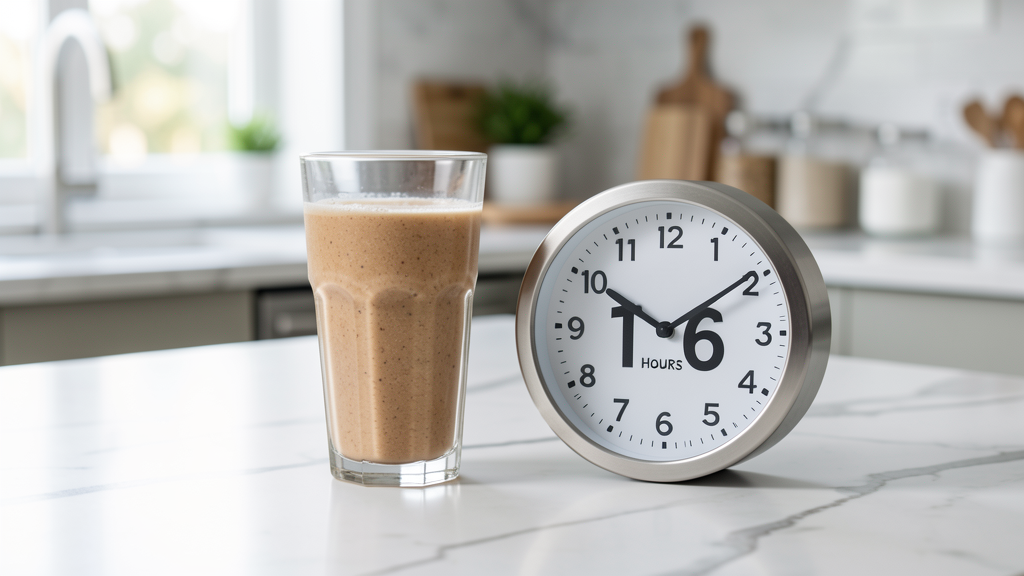
Can You Drink Protein Shakes While Fasting? The Short Answer
It depends on why you’re fasting. If your goal is autophagy or strict caloric restriction, then yes — a protein shake will break your fast. But if you’re fasting for weight management or metabolic flexibility during an intermittent fasting window, a small protein shake might actually support your goals rather than derail them.
This is one of the most debated questions in the fasting community, and the answer isn’t a simple yes or no. Let’s break down the science, the scenarios, and the products that actually matter.
What Actually Breaks a Fast?
Before we get into protein shakes specifically, let’s establish what “breaking a fast” means physiologically. A true fast means consuming zero calories. But in practice, different fasting goals have different thresholds:
- Autophagy: Strict zero-calorie intake. Studies show even 10-15 calories can activate mTOR and suppress autophagy pathways.
- Fat loss: Generally under 50 calories won’t significantly impact fat oxidation. Black coffee (2 calories), plain tea, and even a splash of cream are usually fine.
- Insulin sensitivity: Under 20 calories keeps insulin response minimal. A scoop of protein powder (100-120 calories) will spike insulin.
- Gut rest: Any caloric intake technically ends a gut rest period.
The key takeaway? Your fasting goal determines whether protein breaks your fast.
Protein Shakes and Autophagy: The Science
Autophagy — your body’s cellular cleanup process — is one of the most sought-after benefits of extended fasting. Research from Yoshinori Ohsumi’s Nobel Prize-winning work shows that autophagy is triggered by nutrient deprivation, particularly amino acid restriction.
Here’s the problem with protein shakes during a fast: amino acids are the primary signal that shuts down autophagy. When you consume even a small amount of whey or casein protein, your body detects leucine and other branched-chain amino acids, activates the mTOR pathway, and your autophagy engine effectively stops.
A 2019 study published in Cell Metabolism found that protein intake during fasting windows completely abolished the autophagy benefits seen in calorie-restricted mice. While human studies are limited, the consensus among fasting researchers is clear: if autophagy is your goal, protein is off-limits during your fasting window.
When Protein Shakes During Fasting Actually Help
Now here’s where it gets interesting. If you’re fasting for weight management or muscle preservation rather than autophagy, strategic protein intake can be incredibly valuable.
Consider these scenarios:
Scenario 1: OMAD and Muscle Loss
People practicing one meal a day (OMAD) often struggle to eat enough protein in a single sitting. Research shows you need 1.6-2.2g of protein per kilogram of body weight to maintain muscle mass. For a 180-pound person, that’s roughly 130-180 grams daily. Getting all of that in one meal is physically difficult and can cause digestive discomfort.
A protein shake during your eating window (not your fasting window) can help bridge this gap. The question is timing — consuming it during your eating window preserves the fasting benefits while ensuring adequate protein intake.
Scenario 2: Protein-Sparing Modified Fast (PSMF)
Some advanced fasters practice PSMF — a modified fasting approach where you consume lean protein to preserve muscle while dramatically reducing calories. This isn’t technically a “clean fast,” but it’s a legitimate approach for body recomposition. If this is your strategy, a high-quality protein shake becomes essential.
Scenario 3: Breaking a Fast with Protein
After an extended fast, how you break it matters enormously. Our guide on refeeding after a fast covers this in depth, but briefly: a small amount of easily digestible protein can help stabilize blood sugar and prevent the dreaded “refeeding syndrome” that can occur after 48+ hour fasts.
The Best Protein Options During Your Eating Window
If you’re incorporating protein shakes into your eating window, quality matters. Here’s what to look for:
Whey Protein Isolate
Whey isolate is the gold standard for fasters because it’s rapidly absorbed, high in leucine (critical for muscle protein synthesis), and has minimal lactose. Look for products with at least 25g protein per serving and under 2g of sugar.
- Best for post-workout: Fast-absorbing, high bioavailability
- Watch for: Added sugars, artificial sweeteners that may cause digestive issues
- Recommended: Dymatize ISO100 Hydrolyzed Whey Protein — clean, fast-absorbing, 25g protein per scoop
Plant-Based Protein
For vegan fasters or those with dairy sensitivities, pea and rice protein blends offer complete amino acid profiles. They’re slower to digest than whey, which can actually be advantageous if you’re trying to stay satiated longer during your eating window.
- Best for satiety: Slower digestion keeps you full longer
- Watch for: Incomplete amino acid profiles — always choose blends, not single-source
- Recommended: Orgain Organic Plant-Based Protein Powder — 21g protein, clean ingredients, good taste
Collagen Protein
Collagen is increasingly popular among fasters, especially those interested in autophagy’s skin benefits. It won’t spike mTOR as aggressively as whey (lower in leucine), but it provides unique amino acids like glycine and proline that support joint and skin health.
- Best for: Joint support, skin health, gut healing
- Watch for: Not a complete protein — won’t support muscle building alone
- Recommended: Vital Proteins Collagen Peptides — dissolves easily, unflavored for mixing
What About Other Fasting “Breakers”?
While we’re on the topic, let’s address other common questions about what breaks a fast:
- Bone broth: Contains 40-60 calories per cup, mostly from protein. Will break a strict fast but is excellent for breaking a fast safely.
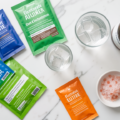
- Electrolytes: Zero-calorie electrolyte mixes are fine during fasting. Check out our complete electrolytes guide for what works.
- Coffee and tea: Perfectly fine — black coffee has negligible calories and may even enhance autophagy.
- MCT oil: Contains calories but doesn’t spike insulin. Some fasters use it strategically; it’s controversial.
- BCAA supplements: Will break a fast from an autophagy perspective (amino acids), but some fasters use them around workouts.
The Practical Framework: Choose Your Protocol
Here’s how to decide whether to include protein shakes in your fasting routine:
If Your Goal Is Autophagy
Zero protein during fasting windows. Stick to water, black coffee, plain tea, and zero-calorie electrolytes. Save protein for your eating window. If you’re doing extended fasts (48+ hours), consider quality electrolytes to maintain energy without breaking your fast.
If Your Goal Is Weight Loss
Keep protein in your eating window. The biggest risk during intermittent fasting isn’t breaking your fast with a few calories — it’s not eating enough protein when you do eat. Muscle loss during weight loss is real and counterproductive. A protein shake during your eating window ensures you hit your targets.
If Your Goal Is Muscle Building
Protein timing matters more than fasting purity. If you’re combining fasting with resistance training, you need protein within a few hours of your workout. A protein shake during your eating window is essential. Don’t sacrifice muscle gains for fasting “purity” — it’s not worth it.
If You’re Doing OMAD
One shake is realistic, two is pushing it. Getting 130-180g of protein in one meal is genuinely difficult. A protein shake alongside your main meal can help you hit targets without making you feel uncomfortably full. Choose a high-quality whey isolate for maximum absorption.
Common Mistakes to Avoid
Mistake 1: Drinking a protein shake during your fasting window and calling it “fasting.” If you’re consuming 120+ calories from protein, you’re not fasting in any meaningful sense. That’s okay — just don’t expect autophagy benefits.
Mistake 2: Not eating enough protein during your eating window. The bigger problem isn’t breaking your fast — it’s undereating. Fasters frequently under-consume protein, leading to muscle loss, hair thinning, and metabolic slowdown.
Mistake 3: Choosing cheap protein with fillers. When you’re only eating in a short window, every calorie should count. Avoid products with added sugars, artificial colors, and proprietary blends that hide the actual protein content.
Mistake 4: Ignoring electrolytes. Whether you’re fasting or breaking your fast, electrolytes are crucial. Our LMNT vs Ultima comparison can help you pick the right option.
FAQ
Will a protein shake kick me out of ketosis?
It depends on the protein source and amount. Whey protein can temporarily raise blood sugar and insulin, which may pause ketone production for a few hours. However, it typically won’t kick you out of ketosis entirely if you’re otherwise well-adapted. Collagen and plant-based proteins have a milder glycemic impact. If you’re monitoring ketones, test before and 2 hours after your shake to see your personal response.
Can I add protein powder to my coffee during a fast?
Technically, adding protein powder to coffee will break your fast from a caloric standpoint. However, some people follow a “dirty fasting” approach where small calorie intake is acceptable. If your goal is weight loss rather than autophagy, a tablespoon of collagen (about 20 calories) in coffee is unlikely to significantly impact results. For strict fasting, keep your coffee black.
How much protein should I eat during my eating window?
Most fasting experts recommend 1.6-2.2 grams of protein per kilogram of body weight daily. For a 70kg (154 lb) person, that’s 112-154 grams. Spread across your eating window, that might mean 40-50g per meal if you eat two meals, or 60-80g in your main meal plus a protein shake. A quality whey isolate shake makes hitting these numbers much more practical.
Is plant protein or whey better for fasting?
Both have their place. Whey is superior for muscle protein synthesis due to its high leucine content and rapid absorption. Plant protein is better for those with dairy sensitivities and may cause less bloating. For pure fasting contexts (breaking a fast), whey isolate is generally preferred because it’s absorbed faster and causes less digestive discomfort. For daily eating windows, the best protein is the one you’ll consistently use.
As an Amazon Associate, I earn from qualifying purchases.