
How Fasting Strengthens Your Immune System (2026)
Your Immune System Gets Weaker Every Year — Fasting May Be the Reset Button
Here’s something most people don’t realize: your immune system isn’t just fighting off colds and flu. It’s also responsible for detecting and destroying abnormal cells before they become cancer, clearing out damaged tissue, and keeping chronic inflammation from spiraling out of control. When your immune system weakens with age — a process scientists call immunosenescence — everything else breaks down too.
The good news? A growing body of 2026 research suggests that intermittent fasting and prolonged fasting may be one of the most powerful tools available for keeping your immune system young and functional. We’re not talking about vague wellness advice. We’re talking about studies published in Frontiers in Nutrition, Cell Metabolism, and Nature Metabolism that show fasting can delay immune aging, regenerate immune cells, and even boost the effectiveness of cancer immunotherapy.
In this article, we’ll break down exactly what the latest science says about fasting and your immune system, how the biological mechanisms work, and what practical steps you can take to harness these benefits — starting today, regardless of your experience level.
What the 2026 Research Says About Fasting and Immune Aging
A landmark review published in Frontiers in Nutrition in January 2026 examined decades of research on intermittent fasting and immune aging. The findings were striking: regular fasting patterns consistently reduced pro-inflammatory cytokines — the chemical messengers that drive chronic inflammation — while simultaneously enhancing autophagy and improving the function of key immune cells like T-cells and natural killer (NK) cells.
What makes this particularly relevant is the timing. Immunosenescence doesn’t hit suddenly at age 70. It begins gradually in your 30s and 40s, accelerating after 50. By the time you notice symptoms like slower wound healing or getting sick more frequently, years of immune decline have already accumulated. The 2026 research suggests that fasting interventions can slow this process when started in middle age, potentially adding years of healthy immune function.
The review also highlighted a critical distinction: not all fasting protocols deliver the same immune benefits. Time-restricted eating (like 16/8 or 18/6 fasting) showed the most consistent results for reducing inflammation, while prolonged fasts of 24-72 hours demonstrated the strongest effects on immune cell regeneration. This matters because it means you don’t need to do extended fasts to benefit — even modest daily fasting windows appear to protect against immune decline.
For context, the study analyzed data from over 200 human and animal studies spanning more than a decade. The consistency of results across different populations — including middle-aged and older adults — gave researchers confidence that the immune benefits of fasting are real and reproducible, not just statistical noise from small sample sizes.
How Fasting Triggers Autophagy: Your Body’s Cellular Cleanup Crew
To understand why fasting strengthens immunity, you need to understand autophagy — the process by which your cells break down and recycle damaged components. Think of it as your body’s quality control system. When autophagy runs properly, old, dysfunctional immune cells get cleared out and replaced with fresh, functional ones. When autophagy slows down (which it does as we age), damaged cells accumulate and the immune system becomes sluggish.
Research published in MDPI’s International Journal of Molecular Sciences in 2025 confirmed that intermittent fasting is one of the most reliable natural activators of autophagy. The mechanism works through a pathway called mTOR (mechanistic target of rapamycin). When you eat, mTOR is active and cells focus on growth and division. When you stop eating, mTOR is suppressed and autophagy kicks in. After about 12-16 hours of fasting, autophagy activity increases measurably.
This matters for immune health specifically because autophagy affects immune cells directly. A 2024 study in Cell Metabolism showed that intermittent fasting improved executive function and memory, but more importantly for our purposes, it also enhanced immune cell function through autophagy-dependent pathways. The fasting group showed better clearance of senescent (aged) immune cells, which meant their remaining immune cells worked more efficiently.
The practical takeaway: A 16-hour overnight fast — finishing dinner by 7 PM and eating breakfast at 11 AM — is enough to trigger meaningful autophagy. You don’t need to do 3-day fasts to activate this pathway, though longer fasts produce more pronounced effects.
Fasting and Stem Cell Regeneration: Rebuilding Your Immune Army
Perhaps the most exciting finding in the fasting-immune system research is the connection to stem cell regeneration. A foundational study from the University of Southern California, published in Cell Stem Cell, demonstrated that cycles of prolonged fasting (48-72 hours) trigger the regeneration of immune stem cells. The process works like this:
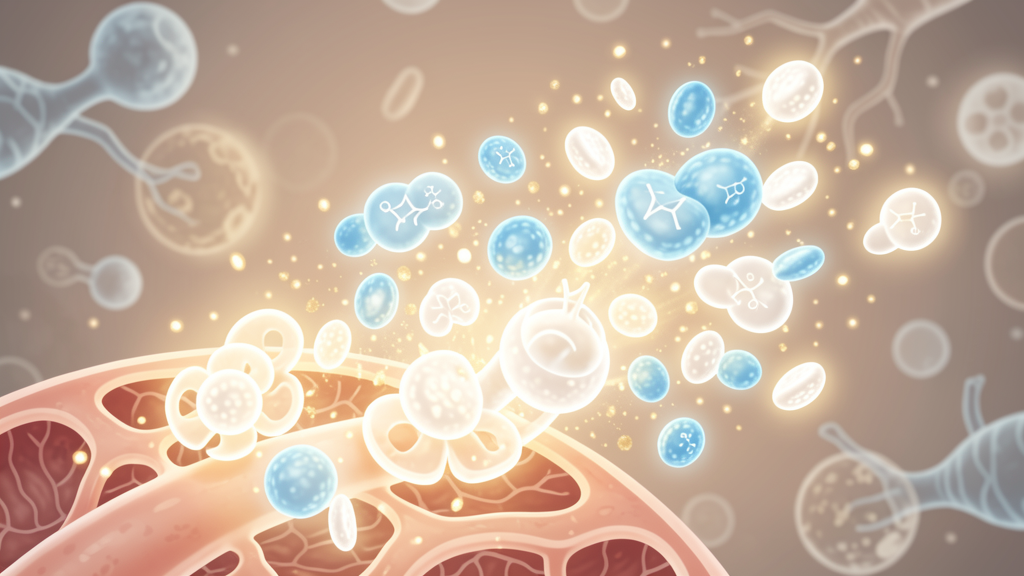
During extended fasting, the body breaks down old and damaged white blood cells as a source of energy. This might sound alarming, but it’s actually a critical housekeeping step. When you eat again, stem cells in the bone marrow kick into high gear and produce entirely new, fully functional immune cells. The result is a refreshed immune system with fewer damaged or dysfunctional cells.
A 2026 follow-up study published in Nature Metabolism in May 2026 revealed that even a 7-day extended fast produces widespread biological changes throughout the body, including significant shifts in immune system composition. The researchers found that the immune changes persisted for weeks after the fast ended, suggesting that periodic extended fasts could provide lasting immune benefits.
Additional research from Liv Hospital in April 2026 confirmed that fasting boosts stem cell regeneration in humans, leading to better tissue repair and renewal. The findings from Cell Stem Cell showed that cycles of prolonged fasting in mice induced immune system regeneration by shifting hematopoietic stem cells from a dormant state to an active, regenerative state. This dormancy-to-activity switch is key — aging immune systems tend to keep stem cells in “sleep mode,” and fasting appears to be one of the few natural interventions that can wake them up.
Important caveat: These stem cell regeneration effects require longer fasts (48+ hours) and may not be suitable for everyone. People with diabetes, pregnant women, those on blood-thinning medications, or anyone with a history of eating disorders should not attempt extended fasts without medical supervision. The safer 16/8 or 18/6 daily fasting protocols still provide meaningful immune benefits through the autophagy mechanism described above.
The Cancer Connection: Fasting and Immunotherapy
One of the most promising applications of fasting for immune health involves cancer treatment. A February 2026 study in Cell Metabolism found that a simple 16-hour fasting regimen enhanced the effectiveness of cancer immunotherapy in both mice and human subjects.
The researchers discovered that fasting changes the metabolic environment within tumors, making cancer cells more vulnerable to immune attack. Specifically, fasting reduced glucose availability to tumor cells while preserving the energy needs of immune cells (which can use alternative fuel sources like ketones). This metabolic shift essentially tipped the balance in favor of the immune system.
For fasters who aren’t dealing with cancer, this research still matters. It demonstrates that fasting creates a systemic immune advantage — your immune cells function better in a fasted state because their metabolic flexibility gives them an edge over pathogens and abnormal cells. You don’t need to have cancer to benefit from this metabolic advantage; it applies to everyday immune defense as well.
What This Means for Your Fasting Practice
The research paints a clear picture: fasting isn’t just a weight management tool — it’s a genuine immune system intervention. Here’s how to apply these findings:
- Start with 16:8 time-restricted eating. A 16-hour daily fast activates autophagy enough to support immune cell maintenance. Finish your last meal by 7-8 PM and eat your first meal at 11 AM-12 PM. This is sustainable for most people and delivers consistent immune benefits.
- Prioritize consistency over duration. The 2026 Frontiers review found that daily fasting patterns delivered more reliable immune benefits than occasional extreme fasts. A steady 16-hour fast every day may outperform one 72-hour fast per month for long-term immune health.
- Consider a periodic extended fast. If you’re experienced with fasting and medically cleared, a 48-72 hour fast every 3-6 months may trigger stem cell-based immune regeneration. This is the “deep clean” approach — powerful but not necessary for everyone.
- Support your immune system during fasting windows. While fasting, your body still needs certain micronutrients. Electrolytes like magnesium, potassium, and sodium become especially important during extended fasts. A quality electrolyte supplement — without added sugars — helps maintain immune cell function during the fasting window.
- Combine fasting with sleep optimization. The immune system does much of its repair work during sleep. Studies show that eating too close to bedtime disrupts sleep quality and reduces immune recovery during the night. Fasting in the evening naturally creates a window between your last meal and sleep, which may compound the immune benefits. A magnesium glycinate supplement can help bridge the gap between fasting and sleep quality.
- Track your progress. If you’re serious about immune health, consider using a continuous glucose monitor to observe how your body responds to fasting. Stable blood sugar during fasting periods correlates with better autophagy activation.
How to Get Started: A Practical Framework
If you’re new to fasting and want to use it specifically for immune health, here’s a week-by-week approach that builds the habit gradually while maximizing immune benefits:
Week 1-2: Establish a 12-hour fast. Simply stop eating after dinner and skip late-night snacks. This basic window is enough to begin reducing overnight inflammation and improving sleep quality — both of which support immune function. Don’t worry about what you eat yet; just focus on the timing.
Week 3-4: Extend to 14 hours. Push breakfast back by two hours and move dinner slightly earlier. At this point, you’re approaching the threshold where autophagy begins to activate. You may notice improved mental clarity in the mornings — that’s your body shifting into fat-burning mode, which is a sign that the metabolic switch is working.
Week 5-6: Reach 16 hours. This is the sweet spot for daily immune maintenance. Finish dinner by 7 PM and eat your first meal at 11 AM. Use black coffee, herbal tea, or water during the fasting window. Many people find that once they adjust, 16 hours feels natural and sustainable.
Week 7+: Fine-tune and optionally extend. Once 16:8 feels easy, experiment with 18:6 on certain days or try a 24-hour fast once a month. For the deepest immune benefits (stem cell regeneration), consider a 48-72 hour fast quarterly — but only after you’ve built a solid fasting foundation and consulted with your doctor.
Throughout all stages, pay attention to how your body responds. Some people thrive on shorter fasts; others do better with longer ones. The goal isn’t to follow a rigid protocol — it’s to find the fasting pattern that consistently supports your immune system while fitting your lifestyle.
FAQ
How long do I need to fast to boost my immune system?
For basic immune maintenance, a daily 16-hour fast is sufficient to activate autophagy and support immune cell turnover. For deeper immune effects like stem cell regeneration, research shows benefits at 48-72 hours, but these longer fasts carry risks and should only be attempted under medical guidance. Most people should start with 16:8 and gradually extend to 18:6 over several weeks.
Does fasting make you more susceptible to getting sick?
Short-term fasting (up to 48 hours) may temporarily reduce certain white blood cell counts, but this is part of the regeneration cycle — old cells are cleared and replaced with new ones. Once you break your fast and eat nutrient-dense food, immune cell numbers bounce back stronger than before. Extended fasts beyond 72 hours may temporarily reduce immune function, which is why periodic rather than continuous extended fasting is recommended.
Can fasting help with autoimmune conditions?
Emerging research suggests fasting may reduce autoimmune inflammation by promoting regulatory T-cells and reducing pro-inflammatory cytokines. However, autoimmune conditions are complex and individual responses vary significantly. Anyone with an autoimmune condition should consult their healthcare provider before starting a fasting regimen, as some protocols may need to be modified.
What should I eat when breaking a fast for immune benefits?
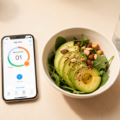
Breaking your fast with whole, nutrient-dense foods maximizes immune benefits. Focus on protein (eggs, fish, lean meat), healthy fats (avocado, olive oil), and fiber-rich vegetables. These provide the building blocks your body needs to regenerate immune cells. Avoid breaking your fast with refined carbohydrates or large sugar loads, which can spike inflammation and blunt the autophagy benefits.
Are electrolytes important during fasting for immune health?
Yes, electrolytes become critical during fasting windows, especially for immune function. Sodium, potassium, and magnesium support the signaling pathways that immune cells use to communicate and coordinate responses. During extended fasts, electrolyte depletion can actually impair immune function. A zero-calorie electrolyte supplement taken during fasting hours helps maintain these levels. Look for products without added sugars or artificial sweeteners.
As an Amazon Associate, I earn from qualifying purchases. This article is for informational purposes only and does not constitute medical advice. Always consult a healthcare professional before starting a fasting regimen, especially if you have existing health conditions.