
Mito Red Light vs Joovv: Which Red Light Panel Actually Helps Your Fasting Recovery?
If you practice intermittent fasting, extended water fasts, or OMAD, you already know that recovery matters as much as the fast itself. Muscle soreness, inflammation, and sluggish cellular repair can slow your progress between fasting windows. Red light therapy has emerged as one of the most promising tools for fasting recovery — but with two dominant brands, Mito Red Light and Joovv, which one actually delivers results?
In this head-to-head comparison, we break down the science, specs, pricing, and real-world performance of Mito Red Light and Joovv panels specifically for people who fast. Whether you’re looking to reduce post-fast inflammation, accelerate autophagy, or simply feel better between fasting windows, this guide will help you pick the right panel for your needs and budget.
Why Red Light Therapy Matters for Fasting Recovery
When you fast, your body enters a state of cellular repair called autophagy — literally “self-eating.” Damaged cells are broken down and recycled. But autophagy is just the first step. Your cells also need energy to rebuild, and that’s where red and near-infrared (NIR) light therapy comes in.
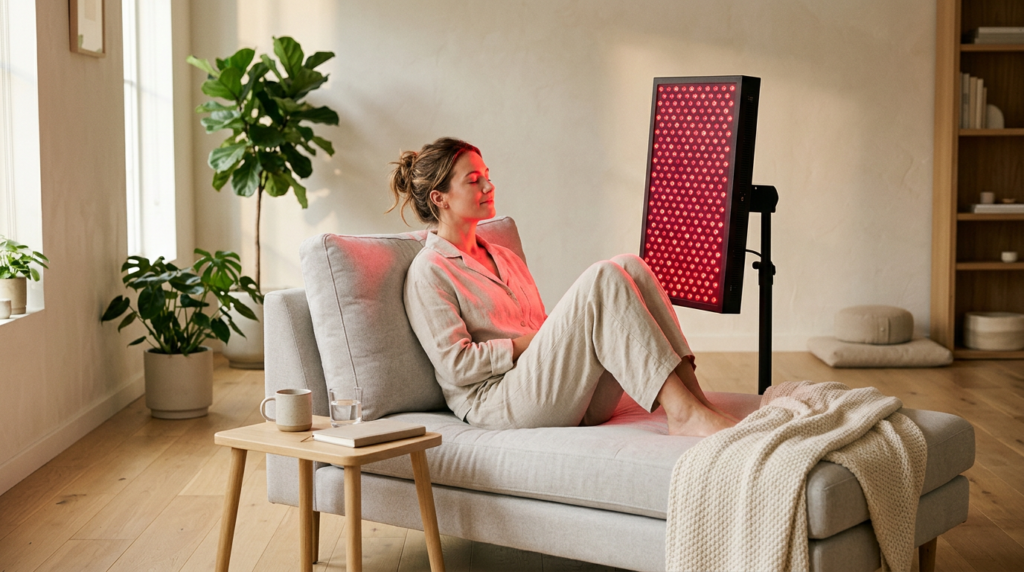
Red light therapy works by delivering specific wavelengths of light (630-660nm red and 810-850nm near-infrared) that penetrate your skin and are absorbed by mitochondria. This boosts ATP production — the cellular energy currency — by up to 200% according to published research. For someone recovering from a 48-hour fast or an intense OMAD schedule, this accelerated cellular energy production can mean the difference between feeling drained and bouncing back quickly.
Specific benefits for fasting recovery include:
- Reduced inflammation — Fasting naturally lowers inflammatory markers, and red light therapy amplifies this effect by suppressing pro-inflammatory cytokines
- Faster muscle recovery — If you exercise during eating windows (as many fasters do), red light accelerates muscle repair by increasing blood flow and collagen production
- Improved sleep quality — Poor sleep during extended fasts is common; red light helps regulate circadian rhythms and melatonin production
- Skin and cellular repair — The skin-tightening effects of autophagy that r/autophagy users rave about are enhanced by red light’s collagen stimulation
Brand Overview: Mito Red Light
Mito Red Light was founded with a simple mission: deliver clinical-grade red light therapy at a fraction of the cost of premium brands. Based in the USA, Mito has built a loyal following in the biohacking and fasting communities by offering panels that match or exceed competitor specs while keeping prices significantly lower.
The current flagship lineup includes the MitoPRO series (MitoPRO 300, MitoPRO 750, and MitoPRO 1500), which feature dual-wavelength output, modular design for combining panels, and industry-leading irradiance measurements. Mito also offers the MitoADAPT line with customizable wavelength settings — a feature Joovv doesn’t match.
Mito Key Strengths
- Higher irradiance — MitoPRO panels deliver 130-165 mW/cm² at the skin surface, meaning faster treatment times
- Modular design — Panels can be linked together for full-body coverage without a separate controller
- Lower price point — Typically 30-40% less expensive than comparable Joovv models
- MitoADAPT wavelength control — Toggle between red (630/660nm), NIR (830/850nm), or both — ideal for targeting specific fasting recovery needs
If you want a powerful panel without the premium price tag, check current Mito Red Light prices on Amazon →
Brand Overview: Joovv
Joovv is the most recognized name in red light therapy, and for good reason — they essentially created the consumer red light therapy market. Founded in 2016, Joovv has invested heavily in marketing, clinical partnerships, and brand building. Their panels are sleek, well-designed, and backed by a loyal customer base including many functional medicine practitioners.
The Joovv lineup includes the Solo 3.0 (half-body), Half 3.0, and Quad 3.0 (full-body). All feature medical-grade LEDs, Bluetooth connectivity via the Joovv app, and Recovery+ mode — a proprietary pulsing pattern claimed to enhance cellular recovery.
Joovv Key Strengths
- Brand reputation — Most recognized name in red light therapy; widely used by healthcare professionals
- Joovv app integration — Bluetooth-connected treatments with guided sessions and progress tracking
- Recovery+ mode — Proprietary pulsing technology designed to optimize cellular recovery cycles
- Ambient mode — Low-intensity setting for evening use that won’t disrupt sleep (useful for fasters doing evening sessions)
- Sleek design — Wall-mounted or stand options with clean aesthetics
For those who prioritize brand reputation and app-connected features, see Joovv panel options on Amazon →
Head-to-Head Comparison: Specs That Matter
| Feature | MitoPRO 750 | Joovv Half 3.0 |
|---|---|---|
| Price | ~$699 | ~$1,195 |
| Wavelengths | 630, 660, 830, 850nm | 630, 660, 810, 850nm |
| Irradiance (skin surface) | ~150 mW/cm² | ~105 mW/cm² |
| LED Count | 300 | 300 |
| Coverage Area | 25″ x 9″ | 36″ x 11″ |
| Modular | Yes (door mount, linkable) | No (standalone or full quad) |
| App/Bluetooth | No | Yes (Joovv app) |
| Wavelength Toggle | Yes (MitoADAPT) | No |
| EMF Shielding | Yes (zero EMF at 6″) | Yes (low EMF) |
| Warranty | 2 years | 2 years |
The numbers tell a clear story. Mito delivers higher irradiance at a significantly lower price. Joovv counters with better coverage area, app connectivity, and brand recognition. But for fasting recovery specifically, which factors matter most?
Which Panel Is Better for Fasting Recovery?
For fasting recovery, the critical factors are irradiance, treatment time, and wavelength flexibility. Here’s why:
Irradiance and Treatment Time
Mito’s higher irradiance (~150 mW/cm² vs ~105 mW/cm²) means you can achieve the same therapeutic dose in less time. For a standard 10-minute session, Mito delivers approximately 50% more total energy. If you’re doing daily sessions as part of your fasting recovery protocol — perhaps first thing in the morning before breaking your fast, or in the evening during your eating window — shorter sessions are more sustainable long-term.
Wavelength Flexibility for Fasting Phases
This is where the MitoADAPT’s wavelength control becomes genuinely valuable for fasters. During fasting windows, near-infrared light (830/850nm) penetrates deeper into tissue and is particularly effective for cellular repair and autophagy support. During eating windows, red light (630/660nm) is better for surface-level benefits like skin repair and collagen production. Being able to toggle between these wavelengths based on your fasting phase is a meaningful advantage that Joovv simply doesn’t offer.
Inflammation and Recovery
Both panels deliver clinically effective wavelengths for reducing inflammation. Research shows that red light therapy reduces markers like IL-6 and TNF-alpha — the same inflammatory pathways that fasting modulates. Using red light therapy during or after fasting creates a synergistic anti-inflammatory effect. In practice, both Mito and Joovv users report reduced muscle soreness, faster recovery between workouts, and improved joint comfort. The difference in outcomes between brands appears minimal; the key is consistency — daily 10-15 minute sessions matter more than which specific panel you use.
Budget Considerations for Fasting Enthusiasts
Let’s be honest — most people who fast regularly are cost-conscious. You’re already investing in quality food during eating windows, electrolyte supplements, and potentially other recovery tools like cold plunge tubs. Adding a $1,200 Joovv panel on top of that can be a tough sell.
Mito’s pricing structure makes red light therapy accessible without compromising on the wavelengths or power output that actually drive results. The MitoPRO 300 (their half-body model) starts around $399 — a compelling entry point if you want to experiment with red light therapy for fasting recovery before committing to a full-body setup.
For those on a tighter budget who still want the benefits, a smaller targeted panel can work for treating specific areas like the face, neck, or joints. Check Mito’s smaller panel options on Amazon →
Real-World Use: What Fasters Actually Say
Beyond specs, what matters is the real-world experience of people who use these panels alongside their fasting practice. Based on Reddit communities (r/fasting, r/intermittentfasting, r/autophagy) and customer reviews, here’s the consensus:
- Mito users frequently praise the value proposition and power output. Many report buying Mito specifically because Joovv’s pricing felt hard to justify. The modular design gets high marks from people who started with one panel and expanded over time.
- Joovv users tend to highlight the build quality, app experience, and customer service. The Ambient mode gets specific praise from fasters who do evening sessions and want to avoid sleep disruption.
- Both brands receive consistent feedback about improved recovery, reduced inflammation, and better skin quality — the core benefits that matter for fasting recovery.
Our Verdict
For fasting recovery specifically, Mito Red Light gets our recommendation — primarily because of the higher irradiance, wavelength flexibility (MitoADAPT), and significantly lower price. When you’re already investing in quality nutrition and supplements for your fasting practice, spending 40% less on an equally effective therapy panel just makes sense.
However, if you value app-connected features, prefer a larger coverage area out of the box, or want the peace of mind that comes with the most recognized brand in red light therapy, Joovv remains a solid choice. The Recovery+ mode and Ambient setting are genuinely useful features that some fasters will appreciate.
Either way, adding red light therapy to your fasting recovery toolkit is one of the best investments you can make. The science is clear, the benefits for fasters are significant, and both of these panels deliver the wavelengths and power needed for real results.
Check latest MitoPRO 750 price on Amazon →
Frequently Asked Questions
Does red light therapy break a fast?
No. Red light therapy is completely non-caloric and does not stimulate insulin or mTOR pathways. You can safely use red light therapy during fasting windows without breaking your fast. In fact, using it while fasting may enhance autophagy by providing extra cellular energy for the recycling process.
How long should I use red light therapy for fasting recovery?
Most research and clinical protocols recommend 10-15 minutes per session, targeting the area you want to treat. For full-body coverage, 15-20 minutes is standard. Daily sessions produce the best results. With Mito’s higher irradiance, you may achieve optimal dosing in slightly less time.
Can I use red light therapy during an extended water fast?
Absolutely. Red light therapy is ideal during extended fasts (48+ hours) because it supports cellular energy production without any caloric input. Many extended fasters report that red light sessions help with the fatigue and brain fog that can occur during longer fasts.
Which wavelengths are best for autophagy support?
Near-infrared wavelengths (830-850nm) penetrate deeper into tissue and are particularly effective for stimulating mitochondrial ATP production, which supports the energy-intensive autophagy process. If your panel allows wavelength selection (like the MitoADAPT), prioritize NIR during fasting windows.
Is red light therapy safe to combine with cold plunges?
Yes. Many biohackers combine cold exposure and red light therapy as part of their fasting recovery protocol. Use cold plunges first (while fasting, to boost norepinephrine), then red light therapy during or after your eating window (to support tissue repair). The two modalities target different recovery pathways and complement each other well.
As an Amazon Associate, I earn from qualifying purchases.
Related posts:
 Best Cold Plunge Tubs for Fasting Recovery in 2026: Complete Buyer’s Guide
 How Long Until Autophagy Starts During Fasting? The Complete 2026 Guide
 Best Electrolytes for Extended Fasting in 2026 — Top 5 Reviewed
 Best Continuous Glucose Monitors for Fasting in 2026: Complete Buyer’s Guide
 How to Sleep Better While Fasting: Best Magnesium Supplements and Tips for 2026