
Best Sous Vide Cookers for Fasting and Keto Meal Prep 2026
Intermittent fasting works best when your eating window is filled with perfectly prepared, nutrient-dense meals. The problem? Most people don’t have time to cook elaborate keto or high-protein dishes after a 16- or 20-hour fast. That’s where sous vide precision cookers change everything. These devices heat water to exact temperatures, cooking proteins, vegetables, and even eggs to restaurant-quality perfection with almost zero effort. You seal your food, drop it in the water bath, and walk away. The result is evenly cooked, moisture-locked meals that reheat beautifully — ideal for batch cooking during your eating window.
After testing dozens of sous vide machines over the past year, we’ve identified the five best precision cookers specifically for fasting and keto meal prep. Whether you’re batch-cooking chicken breasts for a full week of 16:8 meals or preparing gentle refeeding foods after a 72-hour fast, these devices deliver the consistency and convenience fasters need. We evaluated each model on temperature accuracy, heating speed, water capacity, app connectivity, and overall value for the fasting lifestyle.
As an Amazon Associate, I earn from qualifying purchases. Product recommendations are based on research and real-world testing, not sponsorship.
Why Sous Vide Is Perfect for Fasting Meal Prep
When you’re following an intermittent fasting schedule, every minute of your eating window matters. Traditional cooking methods require constant attention — searing, stirring, monitoring internal temperatures. Sous vide eliminates that overhead entirely. You set the temperature once, and the device maintains it for hours, giving you hands-free cooking that fits around your schedule.
The precision temperature control is the real game-changer for keto dieters. Ketogenic cooking demands accuracy: chicken breast dries out above 165°F, while salmon turns rubbery past 125°F. Sous vide holds temperatures within one degree, so you get perfectly cooked proteins every single time. This consistency matters when you’re meal prepping five days of lunches — you need each batch to be equally good on Thursday as it was on Sunday.
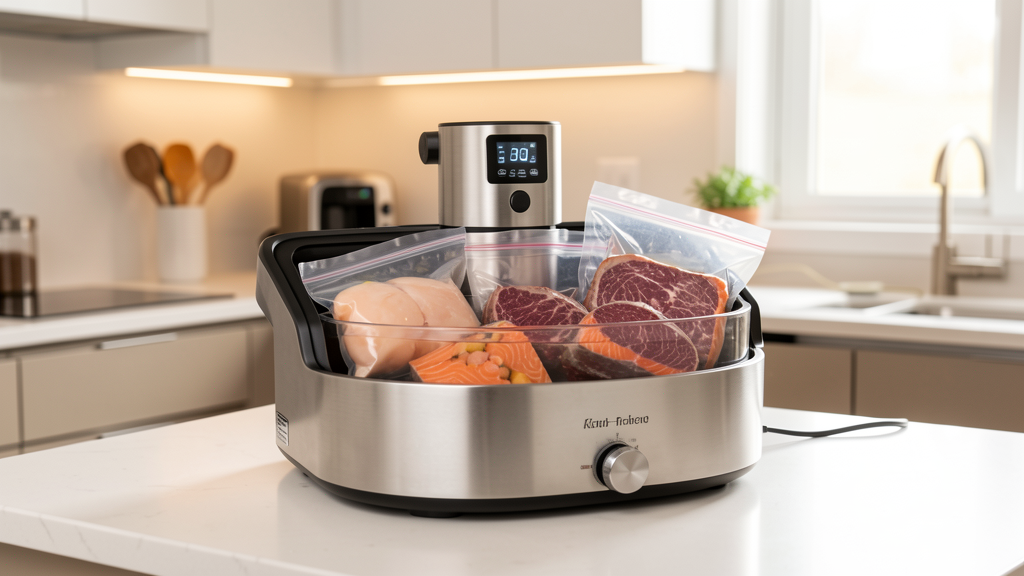
Batch cooking efficiency is another major advantage. Most sous vide circulators can handle large containers with multiple sealed bags cooking simultaneously. You can prepare four chicken breasts, a pound of salmon, and a batch of hard-boiled eggs in a single session. The water bath heats everything at the same temperature (or you stagger the timing), and the result is a week’s worth of high-protein, low-carb meals ready to portion and store.
Reheating is where sous vide truly shines for fasters. Unlike microwaved meals that turn rubbery or oven-reheated chicken that dries out, sous vide-reheated food tastes nearly identical to freshly cooked. Submerge the sealed bag in warm water for 10-15 minutes, and your meal is ready. For extended fasters doing 24-72 hour protocols, this gentle reheating method is especially valuable during the refeeding phase — it produces soft, easy-to-digest meals that won’t shock a sensitive digestive system.
Best Sous Vide Cookers for Fasting: Our Top Picks
1. Best Overall: Anova Precision Cooker 3.0
The Anova Precision Cooker 3.0 with WiFi is the gold standard for home sous vide cooking, and it’s particularly well-suited for fasting meal prep. With 1100 watts of heating power and dual-band WiFi connectivity, this immersion circulator heats water baths quickly and maintains precise temperatures within 0.1°C. The touchscreen display shows real-time temperature and timer readings, and the companion app includes hundreds of recipes organized by protein type and cooking time.
For fasters specifically, the Anova 3.0’s 12-liter water capacity is a sweet spot — large enough to cook four to six chicken breasts simultaneously, but compact enough to fit on any kitchen counter. The app sends push notifications when your food reaches temperature, so you can start your cook during your eating window and get alerted when it’s ready to portion and refrigerate. WiFi connectivity means you can monitor and adjust cooking remotely, which is helpful when you’re timing meals around a fasting schedule.
The stainless steel construction is durable and easy to clean, and the clamp fits pots up to one inch thick. At its current price point, the Anova 3.0 offers the best balance of performance, capacity, and smart features for serious batch cookers. If you’re investing in sous vide for weekly meal prep, this is the model to get.
2. Best Budget Pick: Anova Nano 3.0
The Anova Nano 3.0 delivers the core sous vide experience at roughly half the price of the full-size model. This compact circulator uses 750 watts and connects via Bluetooth only (no WiFi), but it maintains the same temperature accuracy that Anova is known for. The smaller form factor makes it easy to store in a drawer, and the simplified controls are intuitive for beginners.
For fasters on a budget, the Nano 3.0 handles everyday meal prep without compromise. It’s powerful enough to heat a 10-liter water bath to temperature in a reasonable time, and the Bluetooth range is sufficient for monitoring from the same room. The companion app still includes recipe guidance, though you’ll need to be within Bluetooth range to start or adjust cooks.
The main trade-off is water capacity — the Nano works best with smaller containers, so batch cooking six or more items simultaneously requires longer cook times. If you’re prepping meals for one or two people, this limitation is rarely an issue. The price-to-performance ratio makes it an excellent entry point for fasters who want to try sous vide before committing to a premium model.
3. Best Premium Pick: Breville Joule Turbo
The Breville Joule Turbo is the fastest-heating sous vide circulator we’ve tested, reaching target temperatures up to 30% quicker than comparable models. Its sleek, minimalist design eliminates the clamp entirely — the Joule attaches to the side of any pot via a magnetic base and weighs just 1.3 pounds. For fasters who value countertop aesthetics and speed, the Joule is hard to beat.
WiFi and Bluetooth connectivity provide full app control, and the Joule’s “Turbo” mode uses aggressive heating algorithms to bring water baths to temperature rapidly. This speed advantage is particularly valuable during a compressed eating window — if you have only four hours to cook, portion, and eat, shaving 15-20 minutes off the initial heat-up time adds up across multiple cooking sessions.
The Joule app is widely regarded as the best sous vide companion on the market, with visual guides showing exactly what your food should look like at each stage of cooking. The “Autopilot” feature automatically adjusts time and temperature based on food thickness, removing the guesswork for beginners. The premium price reflects the refined design and app experience, but fasters who cook frequently will appreciate the investment over time.
4. Best Budget WiFi: Inkbird WIFI Sous Vide
The Inkbird WIFI Sous Vide delivers WiFi connectivity at a price point that undercuts most competitors by $30-50. With 1000 watts of heating power and an IPX7 waterproof rating, this circulator performs reliably at a fraction of the premium models’ cost. The companion app includes recipe management, timer controls, and temperature history tracking.
For fasters who want the convenience of remote monitoring without the premium price tag, the Inkbird is an excellent choice. The WiFi connection lets you start a cook from your phone and check progress from anywhere — useful when you’re timing meals around a busy schedule. The 1000-watt element heats water baths efficiently, though it takes slightly longer than the Anova 3.0 to reach higher temperatures.
The build quality is solid but not as refined as Anova’s stainless steel construction. The plastic housing feels adequate for home use, and the clip fits standard pots securely. If your priority is WiFi control and reliable performance at a lower price, the Inkbird punches well above its weight class.
5. Best Professional Grade: PolyScience Creative Series
The PolyScience Creative Series is the sous vide machine professional chefs use at home. Built with the same engineering as restaurant-grade equipment, this circulator delivers industry-leading temperature accuracy (±0.01°C) and features a high-flow pump that distributes heat evenly across large water baths. The brushed stainless steel body is designed for daily, heavy-duty use.
For serious fasters who batch cook in bulk — whether for families, meal prep businesses, or extended fasting protocols that require large quantities of gentle refeeding food — the PolyScience handles volumes that consumer models struggle with. The powerful pump can circulate water through containers up to 30 liters, making it the best choice for large-batch cooking sessions.
The higher price reflects professional-grade construction and accuracy that you won’t find in consumer models. The PolyScience is overkill for occasional use, but fasters who cook sous vide multiple times per week and demand restaurant-quality results will find the investment worthwhile. The durability alone justifies the cost — these machines are built to run for years without maintenance.
How to Use Sous Vide During Fasting: Practical Tips
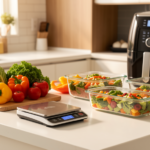
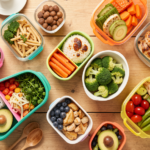
Batch cooking is the foundation of successful sous vide meal prep for fasters. Start by designating one or two days per week as your cooking sessions. Sunday is a popular choice for weekly prep — you can seal and cook a full week’s worth of proteins in a single afternoon. Portion each meal into individual vacuum-sealed bags or glass containers, label with the date and contents, and refrigerate or freeze for later use.
Temperature selection matters for fasting protocols. For standard intermittent fasting (16:8 or 18:6), cook proteins to their ideal doneness and store for quick reheating. Chicken breast at 150°F produces juicy, tender meat that stays moist even after four days in the fridge. Salmon at 125°F maintains a buttery texture that microwaving or pan-reheating would destroy. For extended fasters doing 24-48 hour protocols, lower-temperature cooks (130-140°F for proteins) produce softer textures that are gentler on the digestive system during refeeding.
Reheating from sealed bags is the fastest way to get a hot meal during your eating window. Fill a bowl with warm tap water, submerge the sealed bag, and wait 10-15 minutes. The protein reheats evenly without drying out or overcooking. For faster reheating, use your sous vide circulator set to 140°F — your meal reaches serving temperature in about 5 minutes. This method is far superior to microwaving, which creates hot spots and rubbery textures, especially in fish and poultry.
Investing in a quality vacuum sealer alongside your sous vide circulator extends meal prep efficiency significantly. Vacuum-sealed portions last 2-3 weeks in the refrigerator and up to 6 months in the freezer without freezer burn. For keto dieters who batch cook high-fat proteins like ribeye or salmon, proper sealing preserves the flavor and texture that make these meals satisfying during a restricted eating window.
Frequently Asked Questions
Does sous vide cooking affect autophagy?
Sous vide cooking itself has no direct impact on autophagy — the cellular cleaning process triggered by fasting occurs during the fast, not during cooking. What matters is what you eat during your eating window. Sous vide excels at preparing whole, unprocessed proteins and vegetables that support autophagy, rather than ultra-processed foods that can blunt the fasting response. If you break your fast with sous vide-prepared chicken breast and steamed vegetables instead of a processed meal, you’re supporting your body’s autophagy pathways.
Can I cook keto meals with sous vide?
Sous vide is arguably the best cooking method for keto diets. The precise temperature control produces perfectly cooked proteins — the cornerstone of keto eating — without adding carbohydrates or requiring excessive fats. You can cook salmon, chicken, steak, pork, and eggs to exact doneness levels that maximize flavor and texture. Many keto staples like hard-boiled eggs, chicken thighs, and beef roast are ideal sous vide candidates because the low-and-slow cooking breaks down connective tissue while retaining moisture.
What’s the minimum investment to get started with sous vide?
You can start sous vide cooking for under $100 with a budget immersion circulator like the Inkbird WIFI or Anova Nano. The essentials include the circulator itself, a large pot or container, and resealable bags (zip-lock works for beginners, though vacuum-sealed bags perform better). A full setup with a quality circulator, container, and vacuum sealer runs $200-350. The return on investment comes quickly when you factor in reduced food waste, fewer takeout orders, and the time saved during weekly meal prep.
How does sous vide compare to air frying for fasting meal prep?
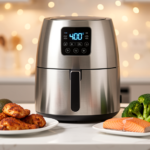
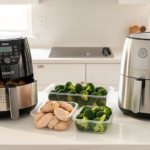
Both methods have strengths for fasting meal prep. Air fryers excel at quick, single-serving reheating and crisping — ideal when you want hot food in under 10 minutes. Sous vide shines for batch cooking and advance preparation — cook once, eat all week. The best approach is using both: sous vide for weekend batch cooking of proteins, and an air fryer for quick reheating and adding texture to vegetables during your eating window. For keto dieters, the air fryer adds crispy texture to high-fat foods without extra oil, while sous vide ensures proteins stay moist and perfectly cooked.
Is sous vide safe for reheating pre-cooked meals?
Yes, sous vide reheating is one of the safest and most effective methods for pre-cooked meals. The controlled water temperature (typically 130-140°F for reheating) brings food to serving temperature without the hot spots and cold spots that microwaving creates. For food safety, ensure your sealed bags reach at least 165°F if reheating poultry, or 145°F for beef and fish. The even heat distribution of sous vide makes it easier to reach these temperatures consistently throughout the food, reducing the risk of bacterial growth compared to uneven reheating methods.
As an Amazon Associate, I earn from qualifying purchases. Product recommendations are based on research and real-world testing, not sponsorship.