
Breaking a fast with the right food can make or break your fasting results. Bone broth has become the go-to first meal after a prolonged fast — it’s gentle on your gut, packed with electrolytes, and delivers the protein your body needs without overwhelming your digestive system. But not all bone broths are created equal.
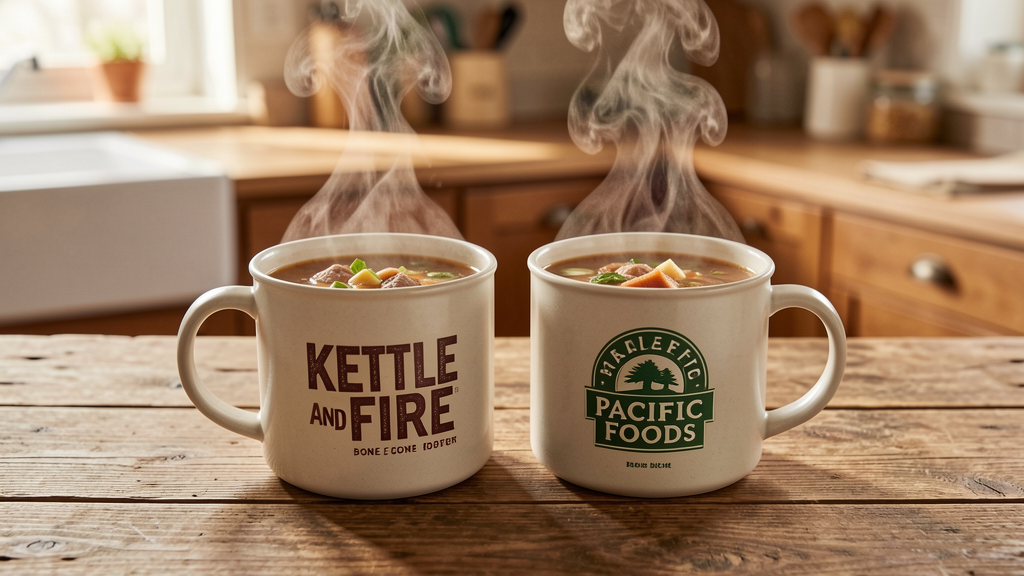
Two brands dominate the conversation: Kettle & Fire and Pacific Foods. Both are widely available, both claim to be high-quality, and both have passionate followings. But which one is actually better for breaking a fast? We dug into the ingredients, nutrition profiles, taste, and real-world performance to find out.
Before we dive in, here’s a quick look at where you can find both options:
Why Bone Broth Works So Well After a Fast
When you break a fast — especially one lasting 24 hours or longer — your digestive system has been in rest mode. Jumping straight into a heavy meal can cause bloating, cramping, and discomfort. Bone broth solves this problem elegantly.
It provides collagen and gelatin that coat and soothe the gut lining, which is especially important after extended fasts when the intestinal barrier may be more permeable. The electrolytes (sodium, potassium, magnesium) in bone broth help restore the mineral balance your body has been drawing on during the fast. And the amino acids — particularly glycine and glutamine — support gut repair and reduce inflammation.
Research published in the journal Nutrients found that bone broth consumption improved gut barrier function and reduced markers of intestinal inflammation. For fasters, this translates to a smoother transition back to eating and fewer digestive issues.
The key is choosing a bone broth that’s genuinely nutrient-dense — not just flavored water with added sodium. That’s where Kettle & Fire and Pacific Foods come in.
Kettle & Fire vs Pacific Foods: Head-to-Head Comparison
Both brands have been around for years and are stocked in major grocery chains and on Amazon. But their approaches to making bone broth are quite different. Here’s how they stack up.
| Feature | Kettle & Fire | Pacific Foods |
|---|---|---|
| Broth Type | Chicken, Beef, Turkey, Bone Broth | Chicken, Beef, Bone Broth |
| Cook Time | 20+ hours | 10+ hours |
| Collagen Content | 9g per serving (varies by type) | 5g per serving (varies by type) |
| Protein | 9-10g per cup | 5-6g per cup |
| Sodium | 340-490mg per cup | 290-480mg per cup |
| Ingredients | Bones, water, onions, garlic, herbs, apple cider vinegar | Bones, water, salt, onions |
| Organic | Some varieties | Yes (USDA Organic line) |
| Price (32 oz) | ~$6-8 | ~$4-6 |
| Availability | Widely available online + stores | Widely available online + stores |
| Fasting Friendly | Yes — zero sugar, high protein | Yes — zero sugar, moderate protein |
The most striking difference is in collagen and protein content. Kettle & Fire’s longer cook time extracts significantly more collagen from the bones — roughly 80% more per serving than Pacific Foods. If you’re breaking a multi-day fast and need to replenish protein stores, this matters.
Kettle & Fire: The Premium Pick
Kettle & Fire was founded in 2014 with a specific mission: make bone broth that’s actually nutritious, not just a soup ingredient. Their process involves simmering bones for 20+ hours with organic apple cider vinegar, which helps extract more collagen and minerals from the bones.
Pros
- Higher collagen content — 9g per serving, significantly more than Pacific Foods
- Richer flavor — the longer cook time produces a deeper, more complex taste
- Better gelatin set — refrigerated broth jiggles like Jello, indicating high gelatin content
- Transparent sourcing — bones from grass-fed, pasture-raised animals
- Zero sugar, zero carbs — safe for keto and strict fasting protocols
Cons
- Higher price point — typically $2-3 more per carton than Pacific Foods
- Stronger taste — some people find it too intense, especially when drinking it straight
- Higher sodium — up to 490mg per cup in some varieties
- Limited organic options — not all flavors are USDA Organic
For fasters specifically, the higher collagen and protein make Kettle & Fire the stronger choice for breaking extended fasts (48+ hours). The gelatin content supports gut lining repair, which is critical when your digestive system has been dormant.
Best For
Breaking 48+ hour fasts, gut repair protocols, people who want maximum collagen intake, and anyone who prioritizes flavor and texture.
Pacific Foods: The Budget-Friendly Contender
Pacific Foods has been making broths and soups since 1987 — they’re one of the original natural food brands. Their bone broth line is positioned as an affordable, everyday option. They cook their bones for 10+ hours, which is shorter than Kettle & Fire but still above many mass-market brands.
Pros
- Lower price — typically $4-6 for 32 oz, significantly cheaper per serving
- USDA Organic options — full organic line available
- Milder flavor — easier to drink straight, less “gamey” than some competitors
- Better for cooking — works well as a soup base without overpowering other ingredients
- Lower sodium options — “Low Sodium” variety available at 190mg per cup
Cons
- Lower collagen content — only 5g per serving, roughly half of Kettle & Fire
- Thinner consistency — less gelatin means a more watery texture
- Less protein — 5-6g per cup vs 9-10g in Kettle & Fire
- Shorter cook time — fewer minerals extracted from bones
Pacific Foods is a solid choice for intermittent fasters (16:8, 18:6) who are breaking shorter fasts and want a gentle, affordable option. The lower protein is fine when you’re only fasting for 16-18 hours — your body hasn’t depleted its protein stores significantly.
Best For
Breaking 16-24 hour fasts, budget-conscious fasters, people who use bone broth as a cooking ingredient, and anyone who prefers a milder taste.
The Fasting-Specific Verdict
When it comes to breaking a fast, the choice between Kettle & Fire and Pacific Foods depends on how long you’ve been fasting and what your body needs.
For extended fasts (48+ hours), Kettle & Fire is the clear winner. Your gut lining needs more support, your protein stores are depleted, and the higher collagen content helps repair the intestinal barrier. The richer flavor also signals to your brain that you’re getting real nutrition — which matters psychologically after days of water fasting.
For intermittent fasting (16-24 hours), Pacific Foods is perfectly adequate. You don’t need the extra collagen boost, and the lower price makes it sustainable for daily use. If you’re doing 16:8 and breaking your fast with bone broth every day, the cost savings add up quickly.
For keto fasters, both options are zero-sugar and zero-carb, so either works. But Kettle & Fire’s higher fat content (from the longer extraction) makes it slightly more keto-friendly as a first meal.
Want to compare both side by side? Here are the links:
How to Break a Fast with Bone Broth: Step-by-Step
Whichever brand you choose, how you use it matters as much as what you buy. Here’s the approach that works best after a prolonged fast:
Step 1: Start small. Pour 4-6 oz (half a cup) of warm bone broth and sip it slowly over 10-15 minutes. Don’t gulp it — your gut needs time to wake up.
Step 2: Wait 30 minutes. See how your body responds. If you feel fine — no bloating, cramping, or nausea — have another 4-6 oz.
Step 3: Gradually increase. Over the next hour, work up to a full cup (8 oz). You can have a second cup 2-3 hours later if you’re still hungry.
Step 4: Wait before solid food. After your first cup of bone broth, wait at least 1-2 hours before eating solid food. This gives your digestive enzymes time to activate.
Step 5: Choose gentle first foods. When you do eat, stick to easily digestible options: avocado, soft-boiled eggs, steamed vegetables, or a small portion of fermented foods like sauerkraut.
For a deeper dive into post-fast nutrition, check out our guide on how to break a fast properly.
What Real Fasters Say
We scoured Reddit fasting communities to see what actual fasters think about these two brands. The consensus is clear:
On r/fasting, the thread “Whats the hype with Bone Broth” (160+ upvotes) had multiple commenters recommending Kettle & Fire for extended fasts. One user wrote: “After a 5-day fast, Kettle & Fire was the only thing that didn’t upset my stomach. The gelatin content is real — you can see it when it’s cold.”
Pacific Foods gets more love in the r/intermittentfasting community, where budget matters more. “I drink Pacific Foods every morning to break my 18:6 fast. It’s affordable, tastes fine, and I’ve been doing it for 6 months with no issues,” wrote one commenter.
The pattern is consistent: longer fasts favor Kettle & Fire, shorter fasts favor Pacific Foods.
The Bottom Line
For breaking extended fasts (48+ hours): Choose Kettle & Fire. The higher collagen (9g), richer gelatin, and longer cook time make it the superior choice when your gut needs serious support.
For intermittent fasting (16-24 hours): Choose Pacific Foods. It’s more affordable, milder in taste, and perfectly adequate for shorter fasting windows.
For daily use on a budget: Pacific Foods wins on price. If you’re drinking bone broth every day to break your 16:8 fast, the $2-3 savings per carton adds up to $50-75 per year.
For gut repair protocols: Kettle & Fire. If you’re dealing with leaky gut, IBS, or recovering from a prolonged fast that left your digestive system sensitive, the extra collagen and gelatin are worth the premium.
Both brands are solid choices — you really can’t go wrong. The best bone broth for breaking a fast is the one you’ll actually drink consistently.
Frequently Asked Questions
Can I drink bone broth during a fast, or only when breaking it?
You can drink bone broth during a fast, but it depends on your fasting goals. Pure water fasts require zero calories, so bone broth technically breaks a fast. However, “fat fasting” and “dirty fasting” protocols allow small amounts of bone broth (under 50 calories) during the fasting window. If your primary goal is autophagy, stick to water. If your goal is weight loss or metabolic flexibility, a small amount of bone broth during your fast is generally fine.
How much bone broth should I drink when breaking a fast?
Start with 4-6 oz (half a cup) and sip slowly over 10-15 minutes. Wait 30 minutes, then have another 4-6 oz if you feel fine. Work up to a full cup (8 oz) over the first hour. After a 48+ hour fast, don’t exceed 16 oz of bone broth in the first two hours — give your digestive system time to adjust.
Is Kettle & Fire worth the extra cost?
It depends on your fasting protocol. For extended fasts (48+ hours), the higher collagen and protein content justify the premium — your gut needs the extra support. For intermittent fasting (16-24 hours), Pacific Foods provides adequate nutrition at a lower price. If budget allows, keep Kettle & Fire for your longer fasts and Pacific Foods for daily use.
Can I make bone broth at home instead?
Absolutely. Homemade bone broth can be just as nutritious as store-bought — and cheaper. Use organic chicken or beef bones, add a splash of apple cider vinegar to help extract minerals, and simmer for 12-24 hours. The downside is time and consistency: store-bought options like Kettle & Fire are standardized, so you know exactly what you’re getting each time.
Does bone broth break a fast for weight loss?
Technically yes — bone broth contains calories (typically 40-60 per cup) and protein, which triggers a mild insulin response. However, for most intermittent fasting protocols, bone broth is considered acceptable because the calorie count is minimal and the protein helps preserve muscle mass. If your primary goal is strict autophagy, stick to water and black coffee during your fasting window.
As an Amazon Associate, I earn from qualifying purchases.