
If you’ve ever broken a 16-hour fast only to stare blankly into the fridge wondering what to eat, you’re not alone. A Reddit post about meal prepping while fasting went viral with over 3,200 upvotes — because every intermittent faster eventually learns the same lesson: what you eat when you break your fast matters just as much as the fast itself.
The right meal prep containers can make or break your intermittent fasting routine. They keep your food fresh, your portions controlled, and your breaking-fast meals ready the moment your eating window opens. After diving deep into Reddit threads, Amazon reviews, and testing the most popular options, here’s the definitive guide to the best meal prep containers for intermittent fasting in 2026.
Why Meal Prep Containers Are Essential for Intermittent Fasting
Intermittent fasting creates a unique challenge: you have a limited eating window (typically 8 hours for 16:8, or even just 1 hour for OMAD), and you need to get all your nutrients in during that time. Without preparation, you’re far more likely to:
- Overeat when you break your fast, leading to digestive discomfort
- Choose convenience over nutrition, grabbing whatever’s fastest instead of what’s healthiest
- Undereat, missing critical macronutrients your body needs for recovery
- Break your fast with the wrong foods, spiking blood sugar and triggering cravings
Meal prepping solves all of these problems. And the foundation of good meal prep? Quality containers that keep food fresh, are easy to reheat, and support proper portion sizes for your fasting schedule.
What to Look for in Meal Prep Containers for Fasting
1. Material: Glass vs. Plastic
Glass containers are the gold standard for meal prep. They don’t absorb odors, won’t stain from turmeric or tomato sauce, and are safe for microwave and oven reheating. The downside? They’re heavier and more fragile.
High-quality BPA-free plastic containers are lighter and more portable, making them ideal for taking meals to work. Just make sure they’re truly BPA-free and microwave-safe. Cheap plastics can leach chemicals, especially when heated.
2. Compartment Design
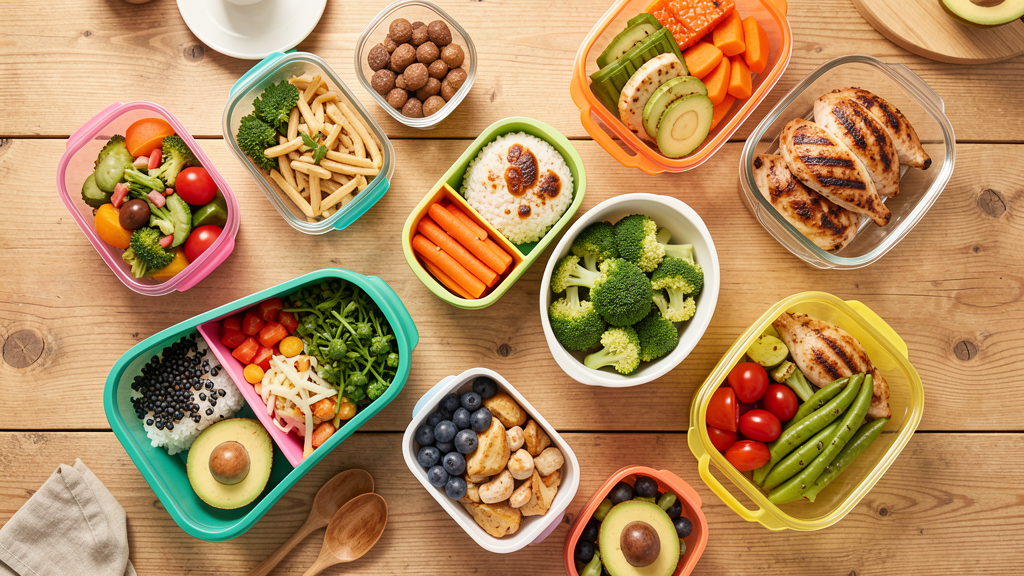
For intermittent fasting, multi-compartment containers are a game-changer. They let you separate proteins, carbs, and vegetables so nothing gets soggy. Look for containers with at least 2-3 compartments — this is especially important for OMAD eaters who need a complete, balanced meal in one container.
3. Portion Size
Your container size should match your fasting protocol. 16:8 fasters eating two meals need medium-sized containers (around 28-32 oz). OMAD eaters need larger containers (36-40 oz) to fit a complete meal. Extended fasters breaking a multi-day fast should use smaller containers (16-20 oz) for the initial refeed meals.
4. Leak-Proof Lids
Nothing ruins a meal prep day like opening your bag to find sauce everywhere. Look for containers with snap-lock or silicone-seal lids. The best ones have four locking clips for a truly airtight seal.
Top 5 Meal Prep Containers for Intermittent Fasting in 2026
1. Glass Meal Prep Containers with Lids — Best Overall
These borosilicate glass containers with snap-lock lids are the Reddit favorite for good reason. They’re oven-safe up to 450°F, microwave-safe, dishwasher-safe, and freezer-safe. The airtight snap-lock lids keep food fresh for up to a week in the fridge — perfect for Sunday meal prep through Friday.
Why fasters love them: The glass doesn’t absorb food odors (critical when you’re prepping 5 days of meals), and the clear design lets you see exactly what’s inside when your eating window opens and you’re hungry and impatient.
Check latest price on Amazon →
2. Bento-Style Compartment Containers — Best for OMAD
If you’re doing OMAD (One Meal A Day), you need a container that holds a complete, balanced meal with separated compartments. Bento-style containers typically feature 3-4 compartments that keep your protein, grains, and vegetables separate. This prevents the dreaded “everything tastes the same” problem that makes meal prep feel like a chore.
Why OMAD fasters love them: The portion-controlled compartments naturally guide you toward a balanced meal. Each compartment holds roughly one macronutrient group, so you’re not accidentally eating 80% carbs because you’re ravenous after a 23-hour fast.
Check latest price on Amazon →
3. Stackable Plastic Meal Prep Containers — Best Budget Option
For fasters on a budget, these stackable BPA-free plastic containers deliver excellent value. They’re lightweight, microwave-safe, and come in packs of 15-25 for under $25. While they won’t last as long as glass, they’re perfect if you’re just starting intermittent fasting and don’t want to invest heavily before you know the routine sticks.
Why beginners love them: They’re cheap enough that losing one to the office fridge thief doesn’t ruin your day. And at under $1.50 per container, you can stock up for a full week of meals without breaking the bank.
Check latest price on Amazon →
4. Insulated Thermal Food Jars — Best for Hot Meals on the Go
Some intermittent fasters prefer to break their fast with a hot meal during their lunch break at work. A high-quality insulated food jar keeps soup, stew, or chili hot for up to 12 hours. This is especially useful for fasting protocols where your eating window falls during work hours.
Why on-the-go fasters love them: No microwave needed. Fill it in the morning, and by lunchtime when your eating window opens, your meal is still steaming hot. The wide-mouth design makes it easy to eat directly from the jar.
Check latest price on Amazon →
5. Silicone Collapsible Containers — Best for Travel and Space-Saving
If cabinet space is tight or you travel frequently while fasting, silicone collapsible containers are a clever solution. They collapse to one-third of their height when empty, yet expand to full size when filled. They’re microwave-safe, dishwasher-safe, and surprisingly durable.
Why traveling fasters love them: Pack them flat in your suitcase, expand them at your hotel, and you’ve got instant meal prep capability anywhere. The airtight lids also make them great for storing snacks during travel fasting days.
Check latest price on Amazon →
Meal Prep Strategy for Different Fasting Protocols
16:8 Intermittent Fasting
With an 8-hour eating window, you typically eat two meals and maybe a snack. Prep 5 lunch containers and 5 dinner containers on Sunday. Use medium-sized (28-32 oz) containers. Focus on high-protein meals with complex carbohydrates to sustain you through the fasting period.
OMAD (One Meal A Day)
OMAD requires nutrient density in a single meal. Use large bento containers (36-40 oz) with multiple compartments. Your single meal needs to include adequate protein (30-50g), healthy fats, fiber, and micronutrients. Prep 5-7 complete meals on Sunday — each one should be a balanced plate.
Alternate Day Fasting
On eating days, you need to consume enough calories to sustain you through the next fasting day. Use large containers (36+ oz) and prep calorie-dense, nutrient-rich meals. On fasting days, keep a few small containers (16 oz) ready for bone broth or small permitted snacks if needed.
Extended Fasting (48+ hours)
Breaking an extended fast requires special care. Prep small containers (16-20 oz) with easily digestible foods: bone broth, steamed vegetables, small portions of lean protein. Do NOT use your regular large meal prep containers — overeating after a long fast can cause refeeding syndrome.
Common Meal Prep Mistakes Fasters Make
Reddit’s fasting communities have identified these recurring meal prep mistakes:
- Prepping meals that get soggy — Keep dressings and sauces in separate small containers. Don’t put wet ingredients next to greens.
- Using containers that aren’t truly airtight — Your meal prep is only as good as your containers’ seal. Test by filling with water, sealing, and turning upside down.
- Prepping too far in advance — Most meal prep stays fresh for 4-5 days maximum. If you prep on Sunday, plan to cook again by Thursday.
- Ignoring portion control — When you break a fast hungry, you’ll eat whatever’s in front of you. Pre-portioned containers prevent accidental overeating.
- Not prepping break-fast meals separately — Your first meal after fasting should be lighter and easier to digest than your regular meals. Keep these in smaller containers.
How to Build the Perfect Fasting Meal Prep Kit
A well-equipped meal prep kit for intermittent fasting should include:
- 5-7 main meal containers (glass or bento-style for your primary meals)
- 2-3 small sauce containers (for dressings, nut butters, and snacks)
- 1 insulated food jar (for hot meals at work or on the go)
- A quality lunch bag that fits your containers with an ice pack
- Labels or a marker to date your preps and track freshness
This setup covers every scenario: home meals, work lunches, travel days, and post-fast refeeds. Total investment? Around $50-75 for quality containers that will last 2-3 years.
Conclusion
The right meal prep containers aren’t just a convenience — they’re a fasting strategy. When you’ve invested 16 hours into a fast, the last thing you want is to blow it with impulsive food choices because nothing was prepared. Whether you go with glass snap-lock containers for durability, bento boxes for OMAD portioning, or insulated jars for hot meals at work, the key is having a system that works for your fasting schedule.
The Reddit community has spoken: meal prep is one of the top habits that separates fasters who succeed long-term from those who quit within weeks. Start with a basic set of glass containers, see what works for your routine, and upgrade from there. Your future fasting self will thank you.
Shop the top-rated meal prep containers on Amazon →
As an Amazon Associate, I earn from qualifying purchases.
Frequently Asked Questions
Are glass meal prep containers worth the extra cost?
Absolutely. Glass containers last 3-5 times longer than plastic, don’t absorb odors or stains, and are safer for reheating. If you meal prep weekly, the investment pays for itself within months. A good glass container set costs $25-40 and lasts 2-3 years.
Can I freeze meals in meal prep containers for fasting?
Yes, but use borosilicate glass or BPA-free plastic specifically labeled as freezer-safe. Leave about an inch of headspace for expansion. Frozen meal prep is great for extended fasting — you can thaw meals in the fridge the day before breaking your fast.
How many meal prep containers do I need for intermittent fasting?
For 16:8 fasting, you need about 10-14 containers (5-7 days × 2 meals). For OMAD, 5-7 large containers will cover your work week. Always get a few extra — containers get lost, left at work, or need washing. Having backups keeps your prep routine consistent.
What size meal prep container is best for breaking a fast?
Use smaller containers (16-20 oz) for your first post-fast meal. Breaking a fast with a large meal can cause bloating, nausea, and blood sugar spikes. Start with a light, protein-rich meal in a smaller container, then have your regular-sized meal 1-2 hours later.
Are silicone meal prep containers safe for microwave reheating?
Food-grade silicone containers are generally microwave-safe and won’t leach chemicals like some plastics. However, they’re best for shorter reheating times (1-2 minutes). For longer heating, transfer to glass. Always check the manufacturer’s specifications before microwaving any container.
Related posts:
 Why Am I Not Losing Weight on Intermittent Fasting? Breaking Through Your Plateau in 2026
 Best Electrolytes for Extended Fasting in 2026 — Top 5 Reviewed
 How Long Until Autophagy Starts During Fasting? The Complete 2026 Guide
 Best Continuous Glucose Monitors for Fasting in 2026: Complete Buyer’s Guide
 Ketone Testing During Fasting: Why Your Strips Drop and the Best Ways to Measure Ketosis in 2026