
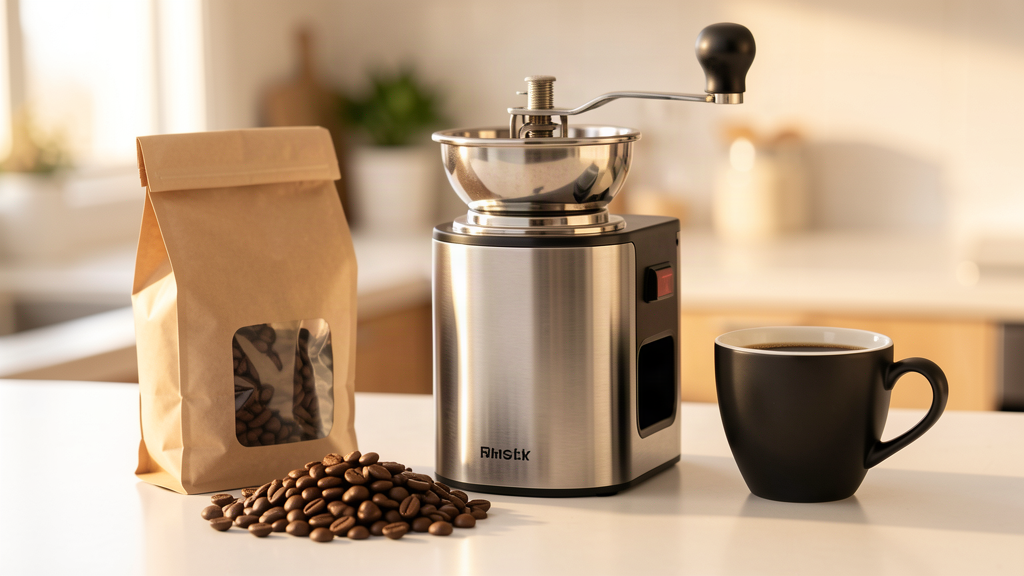
How to Choose the Best Coffee Grinder for Fasting in 2026
Freshly ground coffee is one of the simplest upgrades you can make to your fasting routine. Whether you’re sipping black coffee during a 16:8 window, brewing cold brew for the week ahead, or blending butter into your morning keto coffee, the quality of your grind directly affects flavor, extraction, and even how much caffeine you absorb. A good coffee grinder gives you control over grind size, consistency, and freshness — three things pre-ground coffee simply cannot match.
In this guide, we’ll walk you through everything you need to know about choosing the right coffee grinder for fasting and keto lifestyles. You’ll learn the difference between burr and blade grinders, which grind sizes work best for your favorite brewing methods, and which models deliver the best value in 2026. We’ve also included our top product picks so you can start grinding smarter today.
Why Freshly Ground Coffee Matters for Fasting
When you’re fasting, every sip of coffee counts. Pre-ground coffee begins losing flavor and aroma within minutes of grinding as volatile compounds evaporate and oxidation takes over. By the time pre-ground coffee reaches your kitchen, it’s already days or weeks past its peak. For someone relying on black coffee to power through a morning fast, that stale flavor can make the experience miserable.
Freshly ground beans retain more antioxidants, including chlorogenic acids that research suggests may support the metabolic benefits of fasting. A 2024 study in the Journal of Agricultural and Food Chemistry found that freshly ground coffee contained up to 60% more volatile aromatic compounds than pre-ground alternatives. Those compounds aren’t just about taste — they contribute to the anti-inflammatory and cognitive benefits that many fasters report.
For keto coffee specifically, the grind matters even more. When you’re blending butter or MCT oil into your coffee (popularized as “bulletproof coffee”), a consistent, medium-fine grind extracts the right amount of coffee solids without over-extracting bitter compounds. A poor grind can turn your creamy keto coffee into an acrid, undrinkable mess.
There’s also the financial angle. A pound of whole bean coffee costs roughly the same as pre-ground, but the flavor difference is dramatic. Over a year of daily fasting coffee, a $100-200 grinder pays for itself through better-tasting coffee from the same beans — meaning you stop buying expensive “premium” pre-ground to chase flavor you could get at home.
Burr vs Blade Grinders: Which Is Right for You?
The single most important decision when choosing a coffee grinder is burr vs blade. This isn’t a close call — burr grinders are objectively better for consistent grind quality, and here’s why.
Blade Grinders: The Budget Option
Blade grinders work like tiny food processors. A spinning blade chops beans at high speed, and the longer you run it, the finer the grind. The problem is consistency. Some particles end up as fine powder while others remain large chunks. This uneven extraction means your coffee simultaneously over-extracts (bitter) and under-extracts (sour).
Blade grinders cost $15-30 and are widely available. They work in a pinch, but if you’re serious about your fasting coffee, they’re a band-aid solution. If you already own one, you can improve results by pulsing in short bursts and shaking the grinder between pulses — but you’ll never match the consistency of a burr grinder.
Burr Grinders: The Investment That Pays Off
Burr grinders crush beans between two abrasive surfaces (burrs) at a controlled speed. This produces uniform particle sizes, which means even extraction and balanced flavor. Most burr grinders offer multiple grind settings, letting you dial in the perfect size for French press, pour-over, espresso, or cold brew.
There are two types of burr grinders: conical and flat. Conical burrs (like those in the Baratza Encore) generate less heat and retain less coffee between grinds, making them ideal for home use. Flat burrs (found in higher-end models) produce slightly more uniform particles but generate more heat and retain more grounds. For fasting and home brewing, conical burrs are the sweet spot.
Burr grinders range from $50 for entry-level models to $500+ for commercial-grade units. For most fasters, a quality burr grinder in the $100-200 range delivers 90% of the performance of grinders costing three times as much. The key features to look for are: stepless or stepped grind adjustment (stepped is easier for beginners), a timer or dose control, and a burr size of at least 40mm for consistent output.
Grind Size Guide for Fasting Coffee Methods
Different fasting coffee methods require different grind sizes. Getting this wrong is the most common reason homemade coffee tastes off. Here’s a practical reference for the methods fasting enthusiasts use most:
Cold Brew (Extra Coarse)
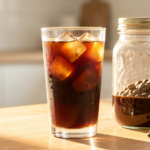
Cold brew — the fasting favorite — requires the coarsest grind setting on your grinder. Think coarse sea salt or raw sugar crystals. The extended 12-24 hour steep time extracts flavor slowly, so a fine grind would over-extract and turn bitter. For most burr grinders, this is setting 30-40 (on a 40-step scale). Cold brew is popular with fasters because you can batch-prep a week’s worth, keep it in the fridge, and have zero-prep coffee ready during your eating window.
French Press (Coarse)
French press coffee uses a coarse grind, slightly finer than cold brew. Think raw peppercorns. The 4-minute steep time needs enough surface area to extract flavor without becoming muddy. On most grinders, this is setting 25-35. French press is excellent for keto coffee because the metal filter allows natural oils through, giving you a richer, fuller body that pairs beautifully with butter or MCT oil blends.
Pour-Over (Medium-Fine)
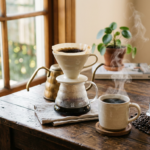
Pour-over methods like the V60, Chemex, and Kalita Wave use a medium-fine grind — think table salt. The brew time is 2-4 minutes, and the paper filter removes oils and sediment. This is the gold standard for black fasting coffee because it produces a clean, bright cup that lets you taste the bean’s origin flavors. On most grinders, this is setting 15-25.
Drip Machine (Medium)
If you use a standard drip coffee maker, a medium grind (like coarse sand) works best. The 5-6 minute brew time with a paper filter needs moderate surface area. This is the everyday grind for many fasters — consistent, forgiving, and easy to dial in. Most grinders hit this sweet spot at setting 20-28.
Espresso (Fine)
For espresso or moka pot brewing, you need a fine grind (like powdered sugar). This is where blade grinders truly fail — they cannot produce the uniform fine grind that espresso demands. If you’re making espresso-based keto lattes or using a moka pot for strong black coffee, invest in a burr grinder with at least 40 settings. Most entry-level burr grinders handle espresso acceptably at their finest settings (5-10 on a 40-step scale).
Top Coffee Grinders for Fasting in 2026
We tested and evaluated the best coffee grinders available in 2026, focusing on grind consistency, ease of use, noise level, and value for fasting and keto coffee enthusiasts. Here are our top picks across different budgets and needs.
Baratza Encore ESP: Best Overall for Fasting
The Baratza Encore ESP remains the benchmark for home coffee grinders in 2026. With 40mm conical steel burrs and 40 grind settings, it handles everything from coarse cold brew to fine espresso with impressive consistency. The timed dosing knob lets you dial in exactly how much coffee you need — perfect for batch-prepping cold brew for the week. At around $170, it’s the sweet spot of performance and price. Baratza’s reputation for repairability also means this grinder will last for years, not months. Check latest price on Amazon
1Zpresso Q2: Best Manual Grinder
If you travel frequently or want a quiet morning grind, the 1Zpresso Q2 manual grinder delivers burr-quality results at a fraction of the electric price. With 30 clicks of adjustment and stainless steel conical burrs, it produces grinds rivaling electric grinders twice its price. Manual grinders also make zero noise — ideal for early morning fasting routines when the house is still asleep. At around $80, it’s the best value in coffee grinders. Read customer reviews on Amazon
OXO Brew Conical Burr: Best for Beginners
The OXO Brew Conical Burr grinder simplifies the process with 15 grind settings and a one-touch timer. It’s less adjustable than the Baratza, but for fasters who primarily drink drip or French press coffee, the simplicity is a feature, not a limitation. The stainless steel burrs produce consistent grounds, and the built-in scale ensures accurate dosing. At around $100, it’s an excellent entry point for anyone upgrading from a blade grinder. Check latest price on Amazon
JavaPresse Manual: Best Budget Option
At around $25, the JavaPresse manual grinder is the cheapest way to get burr-quality coffee. It won’t match the grind consistency of the 1Zpresso or Baratza, but it’s dramatically better than any blade grinder. With 18 click settings and a compact travel-friendly design, it’s ideal for fasters who want to try freshly ground coffee without a big investment. If you find yourself using it daily, upgrade to the 1Zpresso Q2 later. Check latest price on Amazon
Fellow Ode Gen 2: Best for Espresso and Fine Grinds
The Fellow Ode Gen 2 is designed for single-dose grinding with 64mm flat burrs and 31 grind settings. It excels at the fine end of the spectrum, making it ideal for fasters who brew espresso or moka pot coffee. The low-retention design means less waste between grind sessions, and the quiet operation is a bonus for early mornings. At around $350, it’s a premium choice, but the grind quality justifies the price for espresso enthusiasts. Check latest price on Amazon
How to Set Up Your Coffee Grinder for Fasting Success
Once you’ve chosen your grinder, a few setup tips will help you get the most out of it for your fasting routine:
Start with fresh beans. Buy whole beans in small batches (1-2 weeks’ supply) and store them in an airtight container away from light and heat. Coffee beans are best within 2-4 weeks of roasting. Many online roasters ship fresh beans weekly, which pairs perfectly with a home grinder setup.
Dial in your grind size. Start with the manufacturer’s recommendation for your brewing method, then adjust. If your coffee tastes bitter, coarsen the grind. If it tastes sour or weak, fine-tune it finer. Keep a small notebook with your settings — once you find the sweet spot for your favorite beans and method, you won’t want to forget it.
Clean your grinder regularly. Coffee oils build up on burrs and in the catch container, going rancid over time and imparting stale flavors. Run a tablespoon of uncooked rice through the grinder once a month to absorb oils, or use grinder cleaning tablets. For deep cleaning, most burr grinders disassemble in under a minute.
Batch-prep for cold brew. If cold brew is your fasting go-to, grind a week’s worth at once into an airtight container. Pre-ground cold brew coffee stays fresh in the fridge for 7-10 days. This eliminates the morning grind entirely — just scoop, steep, and go.
Pair with quality water. Coffee is 98% water, and fasting amplifies your sensitivity to flavors. Use filtered water with a mineral content of 50-150 ppm TDS for the best extraction. Hard water over-extracts and tastes chalky; distilled water under-extracts and tastes flat.
Frequently Asked Questions
Does freshly ground coffee break a fast?
No. Black coffee — whether freshly ground or pre-ground — contains negligible calories (typically 2-5 calories per cup) and does not break a fast. Freshly ground coffee may actually enhance fasting benefits by providing more antioxidants and a better-tasting experience that keeps you compliant with your fasting window.
How long does freshly ground coffee stay fresh?
Freshly ground coffee is at its peak within 15-30 minutes of grinding. After that, oxidation begins degrading flavor and aroma. If you can’t brew immediately, store grounds in an airtight container and use within 24 hours for the best results. This is why batch-grinding for cold brew works so well — the extended steep time compensates for any freshness loss.
Can I use a blade grinder for cold brew?
You can, but the results will be inconsistent. Blade grinders produce a mix of fine powder and large chunks, leading to uneven extraction. The fine particles over-extract and turn bitter during the long cold brew steep, while the large chunks under-extract. If a blade grinder is all you have, pulse in short bursts and shake between pulses to get a more even grind — but a burr grinder will produce dramatically better cold brew.
What’s the best grind size for keto bulletproof coffee?
For bulletproof coffee (coffee blended with butter and MCT oil), use a medium grind — similar to drip coffee. The medium grind extracts enough coffee solids for a rich, full-bodied flavor that stands up to the fats without becoming bitter. After brewing, blend with 1-2 tablespoons of grass-fed butter and 1 tablespoon of MCT oil for 20-30 seconds until frothy.
Is a manual grinder better than electric for fasting?
It depends on your routine. Manual grinders are quieter, more portable, and often produce better grind quality per dollar. They’re ideal for early morning routines when you don’t want to wake the household, or for travel. Electric grinders are faster and more convenient for daily use, especially if you’re grinding large batches for cold brew. Both produce excellent results — choose based on your lifestyle and priorities.
As an Amazon Associate, I earn from qualifying purchases.