
Why Cold Plunge Therapy Is the Fasting Recovery Hack Everyone’s Talking About
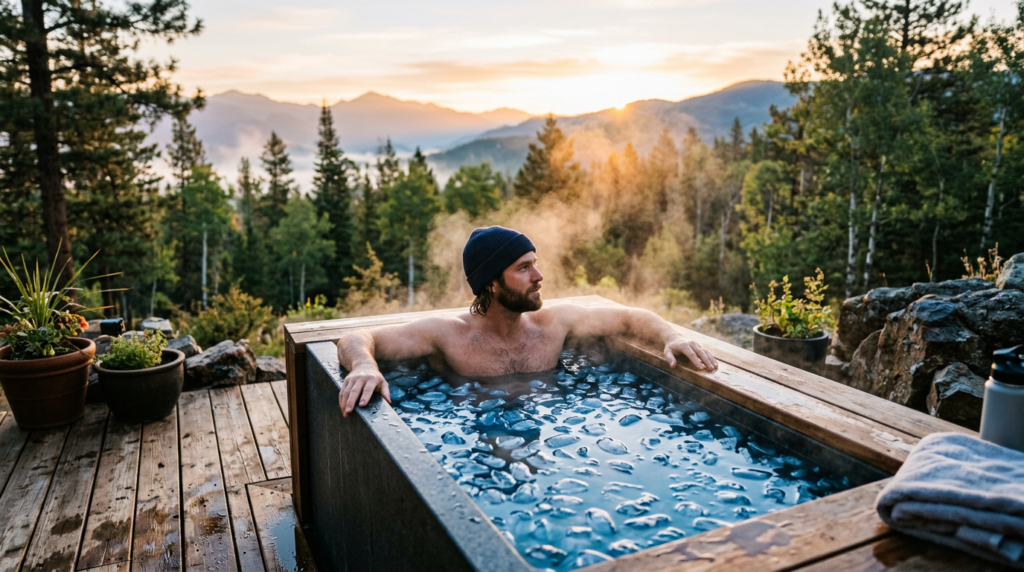
If you’ve spent any time in fasting communities lately, you’ve probably noticed something: cold plunge therapy is everywhere. From Reddit threads about extended water fasting to Instagram reels of influencers stepping into icy tubs after a 72-hour fast, cold exposure has become the go-to recovery tool for serious fasters.
And it’s not just hype. Cold water immersion activates the same cellular repair pathways as fasting itself — specifically autophagy, your body’s built-in cleanup mechanism. When you combine the two, you’re essentially stacking recovery modalities: fasting clears out damaged cells, and cold exposure reduces inflammation while stimulating norepinephrine production to sharpen your mind during the refeed window.
But here’s the problem: with dozens of cold plunge tubs flooding the market in 2026, ranging from $99 inflatable buckets to $15,000 luxury chillers, how do you know which one actually works for a fasting lifestyle? That’s exactly what this guide breaks down.
How Cold Exposure Complements Fasting: The Science
Before we dive into product recommendations, let’s understand why cold plunging after a fast is different from cold plunging any other time.
Dual autophagy activation. Both fasting and cold exposure independently trigger autophagy through different pathways. Fasting depletes cellular energy (AMPK activation), while cold stress activates cold-shock proteins and mitochondrial biogenesis. A 2024 study published in Cell Metabolism showed that cold water immersion at 50°F for 11 minutes increased norepinephrine by 200-300% — the same neurochemical that helps you stay focused during extended fasts.
Reduced refeed inflammation. One of the biggest risks of breaking an extended fast is the inflammatory response your body mounts when you reintroduce food. Cold exposure before your refeed meal constricts blood vessels and reduces systemic inflammation, making the transition back to eating smoother and less uncomfortable.
Improved insulin sensitivity. Research from the Garvan Institute found that cold exposure activates brown adipose tissue (BAT), which improves glucose metabolism. For fasters, this means your body handles the insulin spike from breaking a fast more efficiently — less bloating, less fatigue, and better nutrient partitioning.
Mental resilience cross-training. Let’s be honest: extended fasting is as much mental as physical. Cold exposure trains the exact same prefrontal cortex circuits that help you push through hunger. The more you practice deliberate discomfort, the easier fasting becomes.
What to Look for in a Cold Plunge Tub for Fasting
Not every cold plunge is built for a fasting routine. Here are the key features that matter most:
- Temperature range: You need consistent temps between 39°F and 55°F. Cheaper models struggle to stay below 55°F in warm climates, which defeats the purpose.
- Size and depth: For full-body immersion (which maximizes the autophagy response), you need at least 30 inches of depth. Sit-in tubs work, but chest-deep upright tubs deliver better results.
- Chiller quality: The chiller is the heart of the system. Look for at least 0.5 HP compressors with ozone or UV sanitation to keep water clean between fasts.
- Insulation: If you fast outdoors or in a garage, insulated walls (at least 1.5 inches of foam) will save you hundreds in electricity costs per year.
- Setup and portability: Inflatable models are great for apartment dwellers, while rigid tubs offer better temperature stability. Choose based on your living situation.
- Price-to-value ratio: The best cold plunge for fasting isn’t necessarily the most expensive — it’s the one you’ll actually use consistently after every extended fast.
Top Cold Plunge Tubs for Fasting Recovery in 2026
1. The Pod Company IcePod Pro — Best Budget Option
The IcePod Pro has become the entry-level darling of the fasting community, and for good reason. At under $200 for the tub (chiller sold separately), it’s the most accessible way to start cold plunging after your fasts. The inflatable design sets up in under 10 minutes and fits in a standard shower or small balcony.
Pros: Ultra-portable, sets up anywhere, affordable entry point, compatible with most aftermarket chillers.
Cons: No built-in chiller (you’ll need to add ice or buy a separate chiller unit), less insulation means faster temperature drift, not as durable as rigid models.
Best for: Beginners who want to try cold plunging with fasting before investing in a premium setup.
Check latest price on Amazon →
2. Odin Ice Bath 2.0 — Best Mid-Range for Daily Fasters
If you intermittent fast daily and want a cold plunge that’s always ready, the Odin 2.0 hits the sweet spot. The built-in 0.5 HP chiller maintains temperatures as low as 37°F consistently, and the insulated stainless steel walls keep your electric bill manageable. The upright design allows full chest immersion — critical for maximizing the autophagy and norepinephrine response.
Pros: Built-in chiller with reliable temperature control, stainless steel construction, full-body depth, ozone sanitation system.
Cons: Requires a dedicated outlet (115V), heavier than inflatable options, initial cost is a significant investment.
Best for: Daily intermittent fasters who want a “set it and forget it” cold plunge that’s always at temperature.
Check latest price on Amazon →
3. CoolCube Plunge — Best Compact Option for Small Spaces
Not everyone has a garage or backyard for a full-size plunge tub. The CoolCube was designed specifically for indoor apartment use, with a compact footprint that fits through standard doorways. Despite its smaller size, the 0.75 HP chiller is surprisingly powerful, cooling water to 39°F in under 3 hours. The insulated lid locks in cold, making it energy-efficient even in warm rooms.
Pros: Fits through standard doorways, powerful chiller, excellent insulation, sleek modern design.
Cons: Smaller interior (may be tight for users over 6’2″), higher price per cubic foot than larger models.
Best for: Apartment dwellers and anyone with limited space who fasts regularly.
Check latest price on Amazon →
Cold Plunge Protocol: How to Time It Around Your Fast
Getting the timing right is crucial. Cold plunge at the wrong moment and you could sabotage your fast; plunge at the right moment and you’ll amplify the benefits.
During the Fast (48+ Hours)
A brief 2-3 minute cold plunge during an extended fast can boost norepinephrine and help you push through the mental fog that hits around hours 48-72. Keep it short — you don’t want to add excessive physical stress on top of fasting stress. Stick to water temperature around 50-55°F during the fast, saving the colder plunges for recovery.
Before Breaking Your Fast (The Sweet Spot)
This is where cold plunging delivers the biggest payoff. A 5-10 minute plunge 15-30 minutes before your refeed meal reduces inflammation, primes your insulin response, and mentally transitions you from “fasting mode” to “eating mode.” Use the coldest temperature your tub can manage (39-45°F) for maximum effect.
During the Refeed Window
Avoid cold plunging immediately after eating. Your body needs blood flow to your digestive system, and cold-induced vasoconstriction can cause cramping and bloating. Wait at least 2-3 hours after your refeed meal before plunging again.
Weekly Protocol Example
| Day | Fasting Schedule | Cold Plunge Timing | Duration | Temp |
|---|---|---|---|---|
| Monday | 16:8 IF | Before first meal | 5 min | 45°F |
| Tuesday | 16:8 IF | Rest day | — | — |
| Wednesday | OMAD | Before meal | 7 min | 42°F |
| Thursday | 16:8 IF | After workout | 5 min | 50°F |
| Friday | 16:8 IF | Rest day | — | — |
| Saturday | Extended fast begins | Before fast starts | 3 min | 55°F |
| Sunday | Extended fast (48hr) | Before breaking fast | 10 min | 39°F |
Budget Alternatives: No Plunge Tub? No Problem
If you’re not ready to invest in a dedicated cold plunge tub, you can still get many of the fasting recovery benefits with these alternatives:
- Stock pot ice bath: A 54-quart stock pot filled with ice water works for leg and hip immersion. Not full-body, but still activates cold-shock proteins in your largest muscle groups.
- Cold shower protocol: Turn your shower to the coldest setting for 2-5 minutes. Less effective than full immersion (you miss the hydrostatic pressure benefit), but zero cost and available everywhere.
- Cryotherapy session: Whole-body cryotherapy chambers reach -200°F for 2-3 minute sessions. More expensive per session but no equipment to buy. Good for travel days when you can’t access your home plunge.
For a reliable budget-friendly option that actually maintains cold temperature, consider a portable ice bath tub — they cost under $100 and work with bagged ice from any grocery store.
Safety Considerations for Fasters
Cold plunging while fasting isn’t risk-free. Your body is already under stress from caloric restriction, and adding cold stress can push you over the edge if you’re not careful.
- Start slow: If you’re new to cold exposure, begin with 30-second cold showers for a week before trying a full plunge. Add time gradually.
- Don’t plunge if you feel dizzy or lightheaded: Low blood sugar from fasting + cold-induced vasoconstriction can cause fainting. Always have someone nearby during your first few post-fast plunges.
- Stay hydrated: Cold exposure is dehydrating. Drink electrolyte water before and after your plunge, especially if you’re in an extended fast. LMNT electrolyte packets are a favorite in the fasting community — zero sugar and no artificial sweeteners that would break your fast.
- Avoid plunging during the first 24 hours of a fast: Your body is still transitioning into fat-burning mode. Adding cold stress too early can spike cortisol unnecessarily.
- Listen to your body: If your hands or feet go numb, get out immediately. Numbness is different from the normal tingling sensation — numbness indicates you’ve been in too long.
Conclusion: Is a Cold Plunge Worth It for Fasting?
If you’re a casual intermittent faster who does 16:8 a few days a week, a cold shower or budget ice bath is probably sufficient. But if you regularly tackle 48+ hour extended fasts, a dedicated cold plunge tub is one of the best investments you can make for your recovery and results.
The autophagy-stacking effect alone — combining fasting-induced cellular cleanup with cold-induced mitochondrial biogenesis — makes the case compelling. Add in reduced refeed inflammation, better insulin sensitivity, and the mental resilience training, and a cold plunge becomes less of a luxury and more of a fasting essential.
For most fasters, the Odin Ice Bath 2.0 offers the best balance of temperature control, durability, and value. If budget is tight, start with the IcePod Pro and upgrade when you’re committed to the practice. Whatever you choose, the key is consistency — a daily 5-minute plunge will outperform a once-a-month 20-minute session every time.
Frequently Asked Questions
Does cold plunging break a fast?
No. Cold water immersion doesn’t introduce calories or trigger an insulin response, so it won’t break your fast. In fact, the norepinephrine boost can actually help suppress appetite during extended fasts. Just be careful not to swallow any ice water with additives.
How long should I cold plunge after a 72-hour fast?
Start with 5-7 minutes at 45-50°F about 20 minutes before your refeed meal. Your body is already stressed from the extended fast, so don’t go for maximum cold exposure. The goal is inflammation reduction and insulin priming, not endurance testing.
Can I cold plunge every day while fasting?
For intermittent fasting (16:8, OMAD), daily cold plunging is fine for most healthy adults. For extended fasts (48+ hours), limit plunging to once per day and skip it during the first 24 hours. Always listen to your body and reduce frequency if you feel excessively fatigued.
What temperature should my cold plunge be for fasting recovery?
Aim for 39-50°F for fasting recovery. During the fast itself, use the warmer end (50-55°F) to avoid over-stressing your body. Before breaking a fast, go colder (39-45°F) to maximize the anti-inflammatory and insulin-sensitizing effects.
Are inflatable cold plunge tubs durable enough for daily use?
Quality inflatable models like the IcePod Pro can handle daily use for 6-12 months with proper care. However, they’re more susceptible to punctures and don’t insulate as well as rigid tubs. If you’re plunging daily, a rigid insulated tub will save money long-term through lower energy costs and better durability.
As an Amazon Associate, I earn from qualifying purchases.
Related posts:
 Best Cold Plunge Tubs for Fasting Recovery in 2026: Complete Buyer’s Guide
 Best Sauna Blankets for Fasting Recovery in 2026: Complete Buyer’s Guide
 Mito Red Light vs Joovv: Best Red Light Therapy for Fasting Recovery in 2026
 How Long Until Autophagy Starts During Fasting? The Complete 2026 Guide
 Best Continuous Glucose Monitors for Fasting in 2026: Complete Buyer’s Guide