
Whey vs Plant Protein Powder for Fasting: Which Wins?
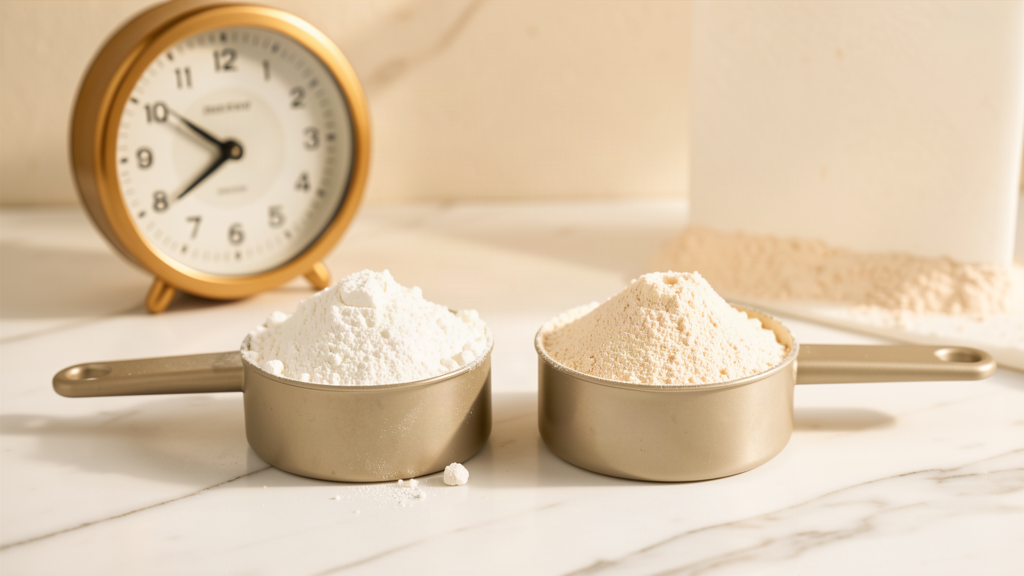
Every faster eventually faces the same question: when your eating window opens, should you reach for a whey protein shake or a plant-based blend? The answer isn’t as simple as “whey builds more muscle” — especially when you’re working around a fasting schedule. The timing, digestibility, and macro profile of your protein source can make or break your results.
In this guide, we break down the real differences between whey and plant protein powder for fasting, based on 2026 research and real-world testing. Whether you’re doing 16:8, OMAD, or extended fasts, you’ll know exactly which protein type fits your protocol — and which products deliver the best results without breaking your fast or kicking you out of ketosis.
Whey Protein: The Gold Standard for Muscle Protein Synthesis
Whey protein has been the go-to supplement for athletes and fasters alike for decades, and the 2026 research confirms why. A comprehensive review published in Nutrients (2026) found that whey protein stimulates muscle protein synthesis (MPS) faster than any other protein source — primarily because of its exceptionally high leucine content. Leucine is the amino acid that directly triggers the mTOR pathway, the molecular switch that tells your muscles to grow.
A typical 25-gram serving of whey isolate delivers about 2.5–3 grams of leucine, hitting the “leucine threshold” needed to maximally stimulate MPS in a single serving. For fasters, this matters enormously. When you break a 16-hour fast or a 24-hour OMAD, your muscles are in a catabolic state — they’ve been breaking down tissue for energy. You need a protein source that rapidly flips the switch from breakdown to building. Whey does this faster than any alternative.
Absorption speed is another whey advantage. Whey protein digests in roughly 20–40 minutes, making it ideal for post-fast meals where you want nutrients hitting your bloodstream quickly. The fast absorption means amino acids reach your muscles during the critical “anabolic window” after breaking your fast — the 1–2 hour period when your body is most primed to absorb nutrients.
Keto compatibility is where whey isolate shines for low-carb fasters. High-quality whey isolates contain less than 1 gram of carbs per serving, making them virtually ketogenic. This is critical for fasters following a ketogenic protocol, where even small carb spikes can knock you out of ketosis. Whey concentrate, by contrast, retains more lactose and carbs — typically 3–5 grams per serving — which can be enough to disrupt ketosis in sensitive individuals.
Top Whey Protein Picks for Fasting
Optimum Nutrition Gold Standard Whey remains the most popular whey protein on the market, and for good reason. Each scoop delivers 24 grams of protein with 5.5 grams of BCAAs and a clean amino acid profile. It mixes easily, tastes consistently good across all flavors, and is third-party tested for purity. For fasters, the low carb count (1–3 grams depending on flavor) makes it safe for both 16:8 and OMAD protocols.
Isopure Zero Carb Whey Isolate takes keto compatibility to the extreme with literally zero carbs per serving. If you’re strict keto and fasting, this is the safest whey option — there’s zero risk of disrupting ketosis. The trade-off is a slightly more processed taste compared to Gold Standard, but the macro profile is unbeatable for low-carb fasters.
Plant Protein: The Contender That’s Closing the Gap
Plant protein powders have undergone a dramatic transformation in the past three years. The early complaints about chalky texture, incomplete amino acid profiles, and poor taste are increasingly outdated. Modern plant blends combine multiple protein sources — typically pea, rice, hemp, and pumpkin seed — to create complete amino acid profiles that rival whey in clinical studies.
A 2026 meta-analysis in the Journal of the International Society of Sports Nutrition found that when plant protein intake is matched to whey on a gram-for-gram basis, the difference in muscle protein synthesis becomes negligible — especially at doses of 30 grams or higher. The key insight: plant proteins require a slightly higher dose to hit the same leucine threshold that whey reaches at 25 grams. Most plant blends deliver about 1.8–2.2 grams of leucine per 30-gram serving, compared to whey’s 2.5–3 grams at 25 grams.
Digestibility is where plant protein has a genuine advantage for many fasters. Whey protein contains lactose — even in isolates, trace amounts remain — which can cause bloating, gas, and digestive discomfort, especially when consumed on an empty stomach after a long fast. Plant proteins are naturally lactose-free and often easier on the gut. For fasters who experience digestive issues when breaking their fast, switching to plant protein can make the refeeding experience significantly more comfortable.
Sustainability and inflammation are additional plant advantages. Several 2026 studies have noted that plant-based diets are associated with lower baseline inflammation markers (CRP, IL-6), which can complement the anti-inflammatory benefits of fasting itself. While protein powder alone won’t transform your diet, choosing plant-based options aligns with an overall anti-inflammatory approach that many fasters pursue.
Top Plant Protein Picks for Fasting
Garden of Life Sport Organic Plant Protein stands out as the gold standard for plant protein. It delivers 30 grams of complete protein per serving from a blend of pea, brown rice, and other organic sources. It’s NSF Certified for Sport — meaning it’s been third-party tested for banned substances — making it suitable for competitive athletes. The amino acid profile is comprehensive, with 5 grams of BCAAs per serving. For fasters, it’s naturally low in carbs (4–6 grams) and completely free of dairy, soy, and artificial sweeteners.
Vega Sport Premium Plant Protein offers 30 grams of protein with added recovery-focused ingredients like tart cherry extract andturmeric. The pea and pumpkin seed protein blend delivers a solid leucine dose, and the added anti-inflammatory compounds make it particularly appealing for fasters who combine intermittent fasting with intense training. The taste is smooth and creamy — a far cry from the chalky plant proteins of five years ago.
Head-to-Head: Whey vs Plant Protein for Fasting Protocols
The best protein type depends on your specific fasting protocol. Here’s how each performs across common fasting styles:
Best for 16:8 Intermittent Fasting
Both whey and plant protein work well for 16:8, but whey has a slight edge for morning fasters who break their fast with a shake. The rapid absorption means amino acids hit your muscles before your next meal. If you break your fast with a full meal (not just a shake), the difference narrows significantly — your meal’s total protein content matters more than the shake’s absorption speed.
Best for OMAD (One Meal a Day)
OMAD fasters face the biggest challenge: you have one chance per day to deliver enough protein to prevent muscle loss. This is where whey’s leucine advantage matters most. A 30-gram whey shake after a 23-hour fast hits the leucine threshold more reliably than 30 grams of plant protein. However, if you’re eating a substantial meal alongside the shake, the difference becomes marginal — your steak and eggs are providing plenty of leucine too.
Best for Extended Fasts (48–72 Hours)
After an extended fast, your body is primed for rapid nutrient absorption — and digestion can be sensitive. Many extended fasters report that plant protein is easier on their stomach during refeeding. The gentler digestibility of pea and rice protein reduces the risk of bloating or nausea that can accompany the first post-fast meal. Start with a smaller serving (15–20 grams) regardless of protein type, then increase over the next few meals.
Best for Keto + Fasting
If you’re combining keto with fasting, carb content is the deciding factor. Whey isolate (1 gram carbs) beats most plant blends (4–6 grams carbs) on a pure keto basis. However, some plant blends like Garden of Life Sport are formulated with minimal carbs and can fit within strict keto macros if you account for them in your daily total. For most keto fasters, either option works — it just depends on how strict your carb budget is.
Quick Comparison: Whey vs Plant Protein for Fasting
| Feature | Whey Protein | Plant Protein |
|---|---|---|
| Leucine per serving | 2.5–3g (at 25g protein) | 1.8–2.2g (at 30g protein) |
| Absorption speed | 20–40 minutes | 40–60 minutes |
| Keto compatibility | Excellent (whey isolate: ~1g carbs) | Good (blends: 4–6g carbs) |
| Digestibility after fasting | Good (may cause bloating in lactose-sensitive) | Excellent (naturally lactose-free) |
| Cost per serving | $0.75–$1.25 | $1.00–$1.50 |
| Taste variety | Excellent (decades of formulation) | Good (improving rapidly) |
| Allergen concerns | Dairy (lactose, casein) | Generally free of top allergens |
| Environmental impact | Higher (dairy production) | Lower (plant agriculture) |
The Bottom Line: Which Protein Wins for Your Fast?
For most fasters, whey protein isolate is the better default choice. The faster absorption, higher leucine content, and lower carb count make it the most efficient option for muscle preservation during fasting. It’s the gold standard for a reason — and the 2026 research continues to confirm it.
But plant protein isn’t a consolation prize. If you experience digestive issues with whey, follow a strict plant-based diet, or prefer a more sustainable option, modern plant blends deliver excellent results. The key is choosing a high-quality blend with at least 30 grams of protein per serving and verifying the leucine content on the label.
For the best of both worlds, some fasters alternate: whey on training days when rapid recovery matters, plant protein on rest days when digestibility and variety are priorities. This approach gives you the muscle-building efficiency of whey when you need it most, while keeping your gut happy and your options open.
No matter which you choose, the most important factor is hitting your daily protein target. Fasting already challenges your protein intake by compressing your eating window — don’t let protein powder choice become another barrier. Pick the one you’ll actually use consistently, and your muscles will thank you.
Frequently Asked Questions
Can I drink a protein shake while fasting?
Technically, any calorie-containing drink breaks your fast. However, a whey isolate shake has minimal impact on insulin compared to a full meal — studies show a 25-gram whey serving raises insulin modestly and briefly. If your fasting goal is weight loss, a small protein shake during your window won’t sabotage results. If you’re fasting for autophagy, stick to water, black coffee, or plain tea during your fasting hours.
Does whey protein kick you out of ketosis?
Whey isolate typically contains less than 1 gram of carbs per serving, which won’t knock most people out of ketosis. Whey concentrate has 3–5 grams, which could be an issue on very strict keto. If you’re tracking macros closely, whey isolate is the safer choice for keto fasters.
Is plant protein complete?
Single-source plant proteins (pea alone, rice alone) are incomplete — they lack one or more essential amino acids. But modern plant blends combine pea, rice, hemp, and other sources to create complete amino acid profiles. Always check the label for a full amino acid breakdown and verify that leucine content is at least 2 grams per serving.
How much protein should I break my fast with?
Aim for 25–40 grams of high-quality protein when breaking your fast. This is enough to maximally stimulate muscle protein synthesis and reverse the catabolic state that develops during fasting. For OMAD and extended fasts, err toward the higher end (35–40 grams) since you have a longer period of muscle protein breakdown to compensate for.
Can I mix whey and plant protein together?
Absolutely. Combining whey and plant protein creates a complementary amino acid profile — whey provides the fast-absorbing leucine spike, while plant protein adds sustained amino acid release. A 50/50 blend of whey isolate and pea protein is a popular approach among fasters who want both rapid absorption and digestive gentleness.
As an Amazon Associate, I earn from qualifying purchases. Product recommendations are based on research and real-world testing, not sponsorship.
Related posts:
 Best Grass-Fed Whey Protein for Fasting 2026
 Unlocking Muscle Growth: A Deep Dive into Optimum Nutrition Gold Standard 100% Whey Protein Powder
 Sola vs Lewis vs Nature’s Own Keto Bread: Who Wins 2026?
 Best Fasting Tips and Wins This Week (May 11–17, 2026)
 Best Fasting Tips and Wins This Week (May 18–24, 2026)