
How to Meal Prep for Intermittent Fasting: 2026 Guide
Intermittent fasting works best when your eating window is filled with the right foods, ready to go the moment hunger hits. Yet most people who try meal prepping for IF discover that generic batch-cooking advice doesn’t account for the unique challenges of time-restricted eating. You’re not just prepping meals — you’re engineering an entire eating strategy around a strict schedule.
Whether you follow a 16:8, 18:6, or OMAD protocol, the difference between struggling through hunger pangs and cruising through your fasting window often comes down to one thing: what you cooked on Sunday. In this guide, we’ll walk through exactly how to meal prep for intermittent fasting in 2026 — from planning your eating window to batch cooking keto-friendly meals that keep you satisfied for hours.
Step 1: Map Your Eating Window Before You Cook
The biggest mistake beginners make with IF meal prep is jumping straight into batch cooking without first mapping their eating window. Your fasting schedule determines everything — how many meals you prep, when those meals need to be ready, and what macro targets each meal should hit.
For a standard 16:8 schedule (say, noon to 8 PM), you typically need two meals and possibly one snack. That means prepping two substantial, nutrient-dense meals that can be reheated or eaten cold. For 18:6 or OMAD, the math changes — you need one powerhouse meal that delivers all your daily nutrition in a single sitting.
Start by answering these questions:
- What time does your eating window open? This determines whether you need grab-and-go breakfast-style meals or lunch-style meals.
- How many meals fit in your window? Most 16:8 followers eat two meals. OMAD practitioners eat one.
- What are your macro targets? If you’re combining IF with keto, aim for high fat, moderate protein, and very low carbs. A food scale helps you hit targets consistently.
- Do you meal prep for weekdays only or the full week? Full-week prep saves more time but requires better storage solutions.
Write down your answers. This plan becomes your blueprint for everything that follows.
Step 2: Build Your Meal Prep Blueprint
Once you know your window and macro targets, it’s time to design your actual meals. The key principle for IF meal prep is satiety density — meals that keep you full the longest, because the last thing you want during a 16-hour fast is a hunger spike at hour 14.
The Satiety Formula
Every meal should include these three components:
- Protein anchor (4-6 oz): Grilled chicken thighs, salmon fillets, ground beef, or hard-boiled eggs. Protein is the most satiating macronutrient per calorie.
- Healthy fat source (1-2 tbsp): Avocado, olive oil, ghee, or nuts. Fats slow digestion and keep blood sugar stable during your fasting window.
- Fiber-rich vegetables (1-2 cups): Roasted broccoli, sautéed spinach, cauliflower rice, or zucchini noodles. Fiber adds volume without spiking insulin.
Sample 16:8 Meal Prep Plan
Here’s a sample week that works for a noon-to-8 PM eating window:
- Meal 1 (Noon): Chicken thigh bowls with cauliflower rice, roasted broccoli, and tahini drizzle
- Meal 2 (6 PM): Salmon with sautéed spinach and avocado mash
- Snack (7:30 PM): Handful of macadamia nuts or a keto fat bomb
Each meal hits approximately 400-600 calories with 30-40g protein, 25-35g fat, and under 10g net carbs. The combination of protein and fat keeps you satisfied well into the next fasting window.
The Batch Cooking Strategy
Instead of cooking each meal from scratch daily, batch cook your components on Sunday (or your preferred prep day):
- Protein: Bake 2-3 lbs of chicken thighs or salmon fillets. Season differently for variety (lemon-herb, garlic-butter, everything bagel).
- Vegetables: Roast a large sheet pan of broccoli, cauliflower, and bell peppers. Sauté a batch of spinach with garlic.
- Base: Make a pot of cauliflower rice or cook a batch of konjac noodles.
- Fats: Portion out avocado, make a batch of tahini dressing, or prepare keto fat bombs.
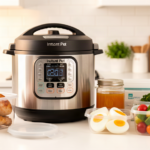
This approach means your daily “cooking” is just reheating and assembling — a 5-minute task instead of a 30-minute one. A good instant pot can speed up batch cooking even further, especially for proteins that need slow-cooking.
The real magic happens when you start thinking in terms of ingredient overlap. Instead of cooking five completely different meals, cook three base ingredients and vary the seasonings. Cook a large batch of chicken thighs, roast a big tray of mixed vegetables, and make a pot of cauliflower rice. From these three bases, you can create chicken stir-fry (Asian seasoning), chicken salad (lemon-herb), chicken bowl (garlic-butter), or even wrap the chicken in lettuce with avocado for a quick taco-style meal. This “component cooking” approach cuts your prep time in half while keeping your meals interesting throughout the week.
Step 3: Choose the Right Containers and Storage
Meal prep containers aren’t just about convenience — they directly affect food safety, freshness, and whether your prepped meals actually taste good on day four. The wrong container leads to soggy vegetables, dried-out proteins, and food waste.
Glass vs. Plastic: Which Wins for IF?
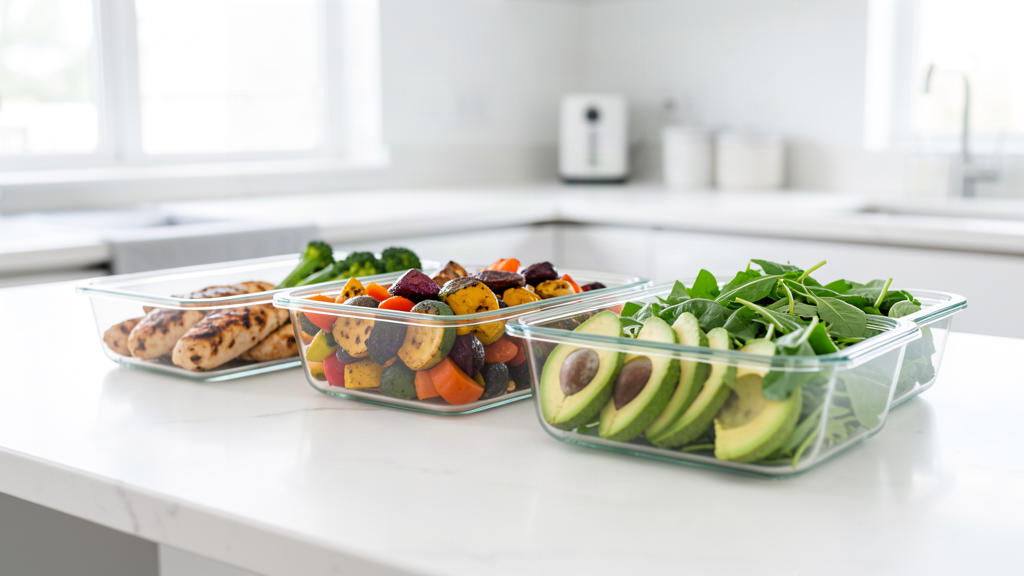
Glass containers are the clear winner for intermittent fasting meal prep. Here’s why:
- Microwave-safe without plasticizers: You’ll be reheating meals daily. Glass won’t leach chemicals or retain odors.
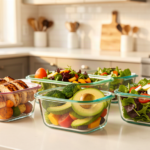
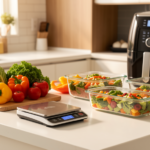
- Leak-proof lids matter: If you carry meals to work, a glass meal prep container with leak-proof lids prevents dressing-soaked disasters.
- Compartment dividers: Separate your protein from your vegetables to prevent sogginess. Some containers come with built-in dividers.
- Freezer-safe: If you prep for the full week, freeze portions for days 4-7 and thaw overnight.
The Freezer Rotation System
Here’s a system that keeps meals fresh all week:
- Sunday: Cook everything. Store Days 1-3 in the refrigerator, Days 4-7 in the freezer.
- Wednesday night: Move Thursday and Friday portions from freezer to fridge to thaw overnight.
- Day-of: Reheat from fridge (2-3 minutes in microwave) or freezer (5-7 minutes).
This rotation ensures you’re always eating freshly thawed food, not meals that have been sitting in the fridge for six days. A quality digital food scale helps you portion meals consistently, which matters more than you’d think when you’re tracking macros for fasting.
One important tip: always label your containers with the date and contents. It sounds tedious, but after four days in the fridge, every container of leftover protein starts looking the same. A simple piece of masking tape with “Chicken Broccoli — Mon” saves you from mystery-meal anxiety. Some people use a dry-erase marker directly on glass containers, which wipes off easily after washing.
Step 4: Avoid the 5 Most Common IF Meal Prep Mistakes
Even experienced meal preppers make mistakes when adapting their routine for intermittent fasting. Here are the five pitfalls that derail the most people — and how to fix them.
Mistake 1: Not Eating Enough During Your Window
This is the counterintuitive one. When you’re fasting for 16 hours, your instinct might be to “eat light” during the eating window. But under-eating leads to muscle loss, metabolic slowdown, and brutal hunger the next day. Your prepped meals should deliver your full daily caloric needs within your window. For most adults, that’s 1,600-2,200 calories split across two meals.
Mistake 2: Breaking Your Fast with Sugar
After a 16-hour fast, your insulin sensitivity is high. Eating a sugary snack or refined carb as your first meal causes a blood sugar spike followed by a crash — the exact opposite of what you want. Always break your fast with protein and fat. A handful of macadamia nuts or a few bites of chicken before your full meal works perfectly.
Mistake 3: Skipping Electrolytes
Fasting depletes sodium, potassium, and magnesium faster than a normal eating schedule. If you’re prepping meals without added salt, you’re setting yourself up for headaches, fatigue, and muscle cramps. Add electrolyte powder to your water during fasting hours, and season your prepped meals generously with sea salt.
Mistake 4: Prepping Too Many Similar Meals
Eating the same chicken-and-rice bowl seven days in a row leads to meal prep burnout. The fix is the “two protein, three flavor” rule: prep two different proteins (say, chicken and salmon) and use three different seasoning profiles (lemon-herb, garlic-butter, Asian-inspired) to create six distinct meals from the same core ingredients.
Mistake 5: Not Having Fasting-Friendly Snacks Ready
Even with perfect meals, you might need a bridge between meals — especially in the first few weeks of IF. Pre-portion keto-friendly snacks like keto snacks, cheese crisps, or nut butter packets. Having these ready prevents you from reaching for high-carb convenience foods when hunger hits unexpectedly.
Bonus: A 5-Day Meal Prep Schedule You Can Start This Sunday
Here’s a complete day-by-day breakdown you can follow this week:
Sunday (Prep Day — 90 minutes):
- Bake 2 lbs chicken thighs with garlic and herbs (40 min)
- Roast sheet pan of broccoli and cauliflower (25 min)
- Cook cauliflower rice in instant pot (10 min)
- Make tahini dressing and portion macadamia nuts (15 min)
Monday through Friday:
- Day 1: Chicken bowl + cauliflower rice + roasted broccoli + tahini
- Day 2: Chicken salad with avocado and olive oil dressing
- Day 3: Chicken stir-fry with spinach (use remaining chicken)
- Day 4: Salmon (cook fresh or use pre-frozen fillet) + roasted vegetables
- Day 5: Egg scramble with leftover vegetables and cheese
This plan uses overlapping ingredients to minimize waste while keeping meals varied enough to avoid boredom. Total prep time is about 90 minutes on Sunday, and daily assembly takes less than 5 minutes.
Frequently Asked Questions
How far in advance can I meal prep for intermittent fasting?
Refrigerated meals stay fresh for 3-4 days. For a full week of prep, freeze portions for days 4-7 and thaw them the night before. Glass containers with airtight lids are essential for maintaining freshness and preventing freezer burn.
Should I eat breakfast if I’m doing 16:8 intermittent fasting?
If your eating window starts at noon, breakfast is technically your first meal — but it should follow the same rules as lunch. Break your fast with protein and fat, not cereal or toast. Think of it as a “break-fast meal” rather than traditional breakfast food.
Can I meal prep for keto and intermittent fasting at the same time?
Absolutely. Keto and IF are natural partners. When meal prepping for both, focus on high-fat, moderate-protein meals with minimal carbs. Avocados, fatty fish, eggs, and olive oil become your best friends. Track net carbs to stay under 20-25g daily.
What’s the best way to reheat meal prep without drying out the food?
Add a splash of water or bone broth before microwaving, and cover the container with a damp paper towel. This creates steam that keeps proteins moist. For best results, reheat at 50% power for 2 minutes, stir, then heat for another minute at full power.
Do I need special tools for IF meal prep?
You don’t need much beyond good containers, a food scale, and a reliable way to cook proteins in bulk. An instant pot or slow cooker accelerates batch cooking significantly, but a standard oven and sheet pans work perfectly well. The most underrated tool is a quality food scale — portion control makes or breaks your macro targets. If you’re serious about combining keto with IF, a spiralizer for vegetable noodles and a good set of kitchen knives for batch chopping will also save you significant time over the course of a week.
Meal prepping for intermittent fasting isn’t about perfection — it’s about building a system that makes your eating window effortless. Start with one week of the blueprint above, adjust based on what you actually enjoy eating, and refine from there. The best meal prep plan is the one you’ll actually stick with.
As an Amazon Associate, I earn from qualifying purchases.