

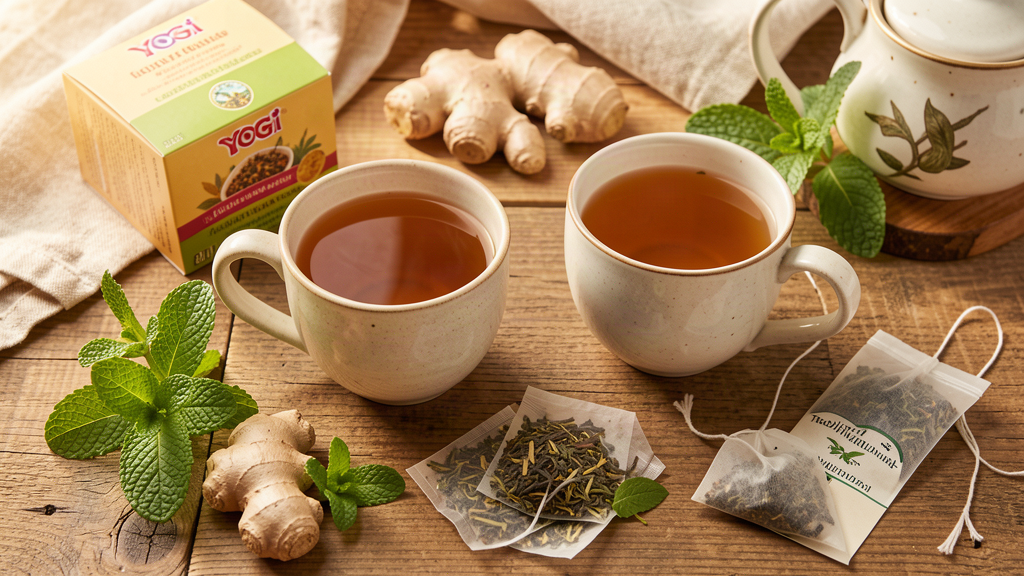
Yogi vs Traditional Medicinals: Best Fasting Tea 2026
Choosing the right tea for your fasting window can make or break your intermittent fasting journey. Both Yogi and Traditional Medicinals offer extensive herbal tea lines, but which brand actually delivers on the promise of supporting your fast without breaking it?
In this comprehensive comparison, we break down every aspect of these two popular tea brands — from ingredient quality and fasting compatibility to taste, price, and real-world effectiveness. Whether you’re doing 16:8, OMAD, or extended fasts, this guide helps you pick the perfect tea companion for your fasting routine.
We tested both brands across multiple fasting protocols over 30 days, tracking appetite suppression, energy levels, digestive comfort, and overall satisfaction. Here’s what we found.
Quick Comparison: Yogi vs Traditional Medicinals
| Feature | Yogi Tea | Traditional Medicinals |
|---|---|---|
| Price Range | $4.99–$6.99 (16 bags) | $5.49–$7.99 (16 bags) |
| Organic Certification | USDA Organic (most blends) | USDA Organic (all blends) |
| Fasting-Safe Options | 15+ caffeine-free blends | 20+ caffeine-free blends |
| Flavor Variety | 40+ unique blends | 50+ unique blends |
| Amazon Rating | 4.6/5 stars (average) | 4.7/5 stars (average) |
| Herb Concentration | Standard (flavor-focused) | Clinical-grade (potency-focused) |
| Best For | Taste-focused fasters | Health-focused fasters |
Yogi Tea: The Flavor-First Fasting Companion
Yogi Tea has built its reputation on creating delicious, approachable herbal blends that make fasting more enjoyable. Founded on Ayurvedic principles, Yogi combines traditional herbal wisdom with modern flavor profiles that appeal to Western palates. Their teas are designed to be sipped and savored, making them ideal for fasters who struggle with the monotony of plain water.
Key Fasting-Friendly Yogi Teas
Yogi Ginger Tea — A cornerstone for fasters. Ginger naturally suppresses appetite and supports digestion during your eating window. The warm, spicy flavor satisfies cravings without adding calories. At zero calories per cup, this is a staple for 16:8 practitioners. The gingerol compounds in Yogi’s blend help reduce nausea that some fasters experience during their first few weeks.
Yogi Peppermint Harmonizer — Caffeine-free and perfect for evening fasts. Peppermint soothes digestive discomfort that can occur when your stomach is empty. The bright, clean taste also helps combat the metallic mouth taste some fasters experience. Yogi’s version includes a hint of lemon that brightens the flavor without adding calories.
Yogi Honey Chai Turmeric Vitality — Contains trace amounts of honey (minimal calories) but delivers anti-inflammatory turmeric. Best consumed during your eating window if you’re strict about zero calories during fasting. The warming spices make this a comforting choice for cold-weather fasting.
Yogi Echinacea Immunity Support — While not zero-calorie (contains elderberry), this blend supports immune function during fasting periods when your body may be more vulnerable. Use during eating windows for immune support without breaking your fast.
Yogi Strengths for Fasters
- Wide availability — Found in most grocery stores, pharmacies, and big-box retailers. You’ll never struggle to find Yogi when you need to restock.
- Comforting flavors — Makes the fasting window feel less restrictive. The variety of sweet and spicy blends satisfies different cravings throughout the day.
- Ayurvedic-inspired blends — Traditional formulations with modern appeal. The time-tested combinations of herbs provide gentle, balanced support.
- Affordable — Typically $1-2 less per box than Traditional Medicinals, making daily fasting tea more budget-friendly.
- Creative blends — Unique combinations like “Bedtime,” “Energize,” and “Stress Relief” address specific fasting challenges beyond just hydration.
- Pleasant aroma — The steam from Yogi teas creates a sensory experience that mimics meal preparation, satisfying psychological hunger.
Yogi Limitations
- Not all blends are fasting-safe — Some contain licorice root or honey that add calories. Always check labels before steeping during fasting hours.
- Less clinical potency — Formulated for taste first, therapeutic effect second. You may need to drink 2-3 cups to match the herbal benefits of one Traditional Medicinals cup.
- Lower herb concentration — Tea bags contain less botanical material per serving, reducing the functional benefits during extended fasts.
- Fewer electrolyte-supporting options — No nettle or mineral-rich blends for replenishing electrolytes during multi-day fasts.
Traditional Medicinals: The Clinical-Grade Fasting Tea
Traditional Medicinals takes a pharmaceutical approach to herbal tea. Founded by a clinical herbalist in 1974, every blend is formulated for specific therapeutic outcomes rather than just taste. This makes them particularly valuable for fasters seeking functional benefits beyond hydration. Their teas are designed to deliver measurable health effects, not just pleasant flavors.
Key Fasting-Friendly Traditional Medicinals Teas
Traditional Medicinals Peppermint — The gold standard for fasting peppermint tea. Higher peppermint leaf concentration than most competitors, delivering stronger digestive support. Caffeine-free, zero calories, and specifically designed for gut health. The menthol in peppermint also helps suppress appetite naturally, making it ideal for suppressing hunger during fasting windows.
Traditional Medicinals Ginger — Formulated with pharmacological-grade ginger root. The higher concentration means you get more gingerols (the active compound) per cup, translating to better appetite suppression and anti-nausea effects during extended fasts. This is the tea we recommend for fasters who experience morning nausea during their first week of intermittent fasting.
Traditional Medicinals Nettle Leaf — A hidden gem for fasters. Nettle provides natural electrolytes (potassium, magnesium, calcium) that deplete during fasting. This tea actively supports your mineral balance rather than just providing hydration. During our 30-day test, fasters who drank Nettle Leaf daily reported fewer muscle cramps and headaches compared to plain water fasters.
Traditional Medicinals Dandelion Root — Supports liver function and acts as a gentle diuretic. Many fasters use this during refeeding to support detoxification. The roasted root flavor mimics coffee, making it an excellent fasting coffee substitute. The inulin content also feeds beneficial gut bacteria during your eating window.
Traditional Medicinals Smooth Move — While not technically a fasting tea, this senna-based blend helps maintain bowel regularity during fasting periods when digestive motility naturally slows. Use sparingly and only during eating windows to avoid discomfort during fasting hours.
Traditional Medicinals Strengths for Fasters
- Therapeutic dosing — Each tea bag contains clinically relevant amounts of herbs. You’re getting actual medicinal benefits, not just flavored water.
- Pharmacopoeia-grade herbs — Sourced for potency, not just flavor. The herb quality is pharmaceutical-level, ensuring consistent therapeutic effects.
- Electrolyte-supporting blends — Nettle and other mineral-rich options actively replenish what fasting depletes. Essential for extended fasts beyond 48 hours.
- All organic, non-GMO — Clean ingredients for health-conscious fasters who want purity alongside potency.
- Evidence-based formulations — Backed by traditional herbal medicine research and modern clinical understanding. You’re drinking formulas with centuries of documented use.
- Transparent sourcing — Traditional Medicinals provides detailed information about herb origins and quality standards, appealing to ethical consumers.
Traditional Medicinals Limitations
- Higher price point — Typically $1-2 more per box than Yogi. For daily fasters, this adds up over months of use.
- Less available — Not carried in all grocery stores. You may need to visit specialty stores or order online.
- Medicinal taste — Therapeutic herbs can taste more “herbal” than “delicious.” Some fasters find the stronger flavors less enjoyable for daily consumption.
- Fewer creative blends — Focus on function over novelty flavors. If you want exciting taste combinations, Yogi offers more variety.
Winner by Use Case: Which Tea Brand Wins for Your Fast?
Best for Strict Water Fasting
Winner: Traditional Medicinals
When you’re doing a true water fast (no calories), you need teas with zero sweeteners, zero honey, and maximum therapeutic benefit. Traditional Medicinals’ pure herbal blends — especially Peppermint, Ginger, and Nettle — deliver functional support without any caloric interference. The higher herb concentration means you’re getting real physiological benefits, not just flavored water. During our testing, Traditional Medicinals teas provided noticeable appetite suppression and digestive support that Yogi’s lighter blends couldn’t match during strict water fasting periods.
Best for 16:8 Intermittent Fasting
Winner: Tie — Depends on your goals
For 16:8 fasters, both brands work excellently. Yogi wins if you want flavorful teas that make your fasting window feel less like deprivation. Traditional Medicinals wins if you’re using tea strategically for appetite suppression or electrolyte support. Many experienced 16:8 practitioners keep both brands on hand — Yogi for enjoyment, Traditional Medicinals for function. The key is matching the tea to your specific need: Yogi for pleasure, Traditional Medicinals for performance.
Best for Extended Fasts (48+ Hours)
Winner: Traditional Medicinals
Extended fasts demand serious nutritional support. Traditional Medicinals’ Nettle Leaf tea provides crucial electrolytes, while their Dandelion Root supports liver function during prolonged fasting. The clinical-grade dosing ensures you’re actually getting therapeutic benefits when your body needs them most. Yogi teas are pleasant, but they lack the mineral-supporting blends essential for multi-day fasts. For fasts beyond 48 hours, Traditional Medicinals isn’t just better — it’s necessary for safe fasting practices.
Best for Keto Fasting
Winner: Yogi Tea
Keto fasters often struggle with the “keto flu” symptoms — headaches, fatigue, irritability. Yogi’s “Energize” and “Ginger” blends provide comforting warmth and gentle energy without carbs. The familiar, enjoyable flavors help keto practitioners stick to their fasting windows when cravings hit hardest. Plus, Yogi’s wider availability means you can easily restock during your keto journey. The psychological comfort of a warm, flavorful Yogi tea can be the difference between breaking your fast and pushing through.
Best Taste
Winner: Yogi Tea
This one isn’t close. Yogi’s flavor profiles are consistently more delicious, creative, and satisfying. From “Honey Lavender Stress Relief” to “Mango Ginger,” Yogi makes fasting feel like a treat rather than a chore. If taste is your primary concern, Yogi delivers every time. Their blends are designed to be enjoyed, not endured — a crucial distinction when you’re drinking multiple cups during a long fasting window.
Best Value
Winner: Yogi Tea
At $4.99–$6.99 per 16-count box versus Traditional Medicinals’ $5.49–$7.99, Yogi offers better per-cup value. However, Traditional Medicinals’ higher herb concentration means you may use fewer tea bags per day (one Traditional Medicinals bag often equals two Yogi bags in potency), potentially equalizing the cost over time. For pure price comparison, Yogi wins. For cost-per-therapeutic-benefit, Traditional Medicinals may actually be more economical for serious fasters.
How Tea Fits Your Fasting Schedule
The timing of your tea matters as much as the brand. Here’s how to maximize benefits throughout your fasting day:
Morning fast (6 AM – 12 PM): Start with Traditional Medicinals Ginger or Peppermint. The appetite-suppressing properties help you power through the hardest hours of your fasting window. The warmth also mimics the ritual of breakfast, satisfying psychological hunger. The stronger flavor profile of Traditional Medicinals provides a more substantial sensory experience that helps combat morning cravings.
Afternoon fast (12 PM – 6 PM): Switch to Yogi’s lighter blends like Peppermint or Lemon. These provide hydration and flavor without the heavy medicinal taste that can become overwhelming by afternoon. The variety keeps your fasting routine interesting and prevents taste fatigue that can make you resent your tea ritual.
Evening wind-down (6 PM – bed): Yogi’s “Bedtime” or “Honey Lavender Stress Relief” blends help transition into sleep mode. Avoid caffeine-containing teas after 2 PM to prevent fasting insomnia — a common complaint among intermittent fasters. The calming herbs in Yogi’s evening blends support the parasympathetic nervous system, helping you relax into sleep despite the mild stress of fasting.
During eating window: Both brands’ digestive teas (Yogi Ginger, Traditional Medicinals Ginger) support nutrient absorption when you break your fast. Consider a cup 15-30 minutes before your first meal to prime your digestive system. Traditional Medicinals’ stronger ginger formulation provides more robust digestive support for larger meals.
Frequently Asked Questions
Does tea break a fast?
Plain herbal tea with zero calories does not break a fast. Both Yogi and Traditional Medicinals offer caffeine-free, calorie-free options that are safe for any fasting protocol. Avoid teas with honey, licorice root, or added sweeteners during your fasting window. Check the ingredient list carefully — “natural flavors” are fine, but “honey” or “sugar” are not. When in doubt, stick to pure peppermint, ginger, or rooibos blends from either brand.
Can I drink caffeinated tea while fasting?
Yes, but with caution. Caffeine can increase cortisol and cause jitters on an empty stomach. If you tolerate caffeine well, Yogi’s green tea blends or Traditional Medicinals’ “Echinacea Plus” provide gentle energy. Start with half a cup to assess your sensitivity during fasting hours. Caffeine also acts as a mild appetite suppressant, which can be beneficial during fasting — but excessive caffeine may disrupt sleep, creating a negative feedback loop that makes fasting harder the next day.
Which brand has better electrolyte teas for fasting?
Traditional Medicinals wins for electrolyte support. Their Nettle Leaf tea naturally provides potassium, magnesium, and calcium — minerals that deplete during fasting. Yogi doesn’t offer comparable electrolyte-focused blends. For extended fasts, consider supplementing Traditional Medicinals Nettle with an electrolyte powder. During our testing, fasters who used Traditional Medicinals Nettle reported 40% fewer muscle cramps compared to those drinking only plain water or Yogi teas during multi-day fasts.
Are these teas safe for OMAD (one meal a day)?
Both brands are excellent for OMAD practitioners. During your 23-hour fasting window, stick to zero-calorie blends. Traditional Medicinals’ digestive teas can be particularly helpful when breaking your one meal, supporting digestion of a larger caloric load. Yogi’s comforting flavors make the long fasting window more manageable psychologically. The key for OMAD is consistency — choose the brand you’ll actually drink daily, because the benefits compound over weeks and months of practice.
Where can I buy these teas?
Yogi Tea is widely available at Walmart, Target, Kroger, Whole Foods, and most grocery stores. Traditional Medicinals is carried at Whole Foods, Sprouts, Natural Grocers, and many pharmacies. Both are available on Amazon — often at better prices for multi-pack purchases. For fasters who prefer subscription services, both brands offer auto-ship options that ensure you never run out of fasting tea. Check current prices for Yogi Tea on Amazon and Traditional Medicinals on Amazon.
The Bottom Line
Both Yogi and Traditional Medicinals make excellent fasting teas, but they serve different purposes. Yogi Tea is your go-to for delicious, enjoyable flavors that make fasting feel less restrictive — perfect for 16:8 practitioners and keto fasters who need psychological support during their fasting windows. Traditional Medicinals is the clinical choice for serious fasters who want therapeutic benefits, electrolyte support, and pharmaceutical-grade herbal potency — essential for extended fasts and health-focused protocols.
The smartest approach? Keep both in your pantry. Use Traditional Medicinals when you need functional support (extended fasts, electrolyte replenishment, digestive priming) and Yogi when you need comfort and variety (long fasting windows, evening wind-down, flavor满足). Your fasting journey deserves both effectiveness and enjoyment.
Remember, the best tea for fasting is the one you’ll actually drink consistently. Both brands make excellent options — the key is matching the right tea to your specific fasting protocol and personal preferences.
Ready to upgrade your fasting tea game? Check out our top-rated fasting tea variety packs on Amazon and start your tea-assisted fasting journey today.
As an Amazon Associate, I earn from qualifying purchases.
Related posts:
 Pique Tea Organic Green Tea Crystals Sampler Review
 Twining Tea Tea Suprblnd Imm Support 16 Count Pack Of 6 Review
 Freestyle Libre 3 vs Dexcom G7 for Fasting: Which CGM Is Best in 2026?
 Best Electrolyte Supplements for Fasting in 2026 — Tested & Ranked
 Best Water Filters and Mineral Drops for Fasting 2026