
Breaking your fast is just as important as the fast itself. In this complete guide, we walk you through exactly what to eat, when to eat, and which products make refeeding safe and effective — whether you’re doing 16:8 intermittent fasting or a 72-hour extended fast.
You’ve made it through your fasting window. Whether you held strong for 16 hours, pushed through a 24-hour fast, or survived a grueling 72-hour water fast, your body is ready for nourishment. But here’s the truth most fasting guides leave out: what you eat when you break your fast matters just as much as the fast itself.
Eating the wrong foods too quickly after a fast can cause digestive distress, blood sugar spikes, and even undo some of the metabolic benefits you worked hard to achieve. On the other hand, breaking your fast strategically can amplify fat loss, improve nutrient absorption, and keep you feeling energized for hours.
In this guide, we’ll cover the science behind refeeding, the best foods to break different types of fasts, common mistakes to avoid, and the essential products that make the process easier. Let’s get started.
Why How You Break Your Fast Matters So Much
When you fast, your digestive system essentially goes into a resting state. Gastric acid production slows, your stomach lining repairs itself, and your body shifts from burning glucose to burning stored fat for fuel. This metabolic switch — known as ketosis — is one of the primary benefits of fasting.
But after hours without food, your digestive system isn’t ready for a massive meal. Here’s what happens if you break your fast incorrectly:
- Blood sugar spikes: Eating high-glycemic foods (white bread, sugary snacks, fruit juice) after a fast causes a rapid insulin surge. This can lead to fatigue, brain fog, and increased hunger shortly after eating.
- Digestive distress: Your stomach has shrunk and digestive enzyme production has decreased. A large, heavy meal can cause bloating, cramping, nausea, and even diarrhea.
- Nutrient malabsorption: Rushing to eat large quantities of food means your body can’t absorb all the nutrients efficiently, wasting much of what you eat.
- Disrupted autophagy: If your goal was autophagy (cellular cleanup), eating too much sugar or processed food immediately after your fast can trigger inflammation that counteracts the benefits.
The key is to break your fast gently, starting with small, nutrient-dense foods that your body can easily digest and absorb.
How to Break a 16:8 Intermittent Fast
The 16:8 method is the most popular form of intermittent fasting, where you eat all your meals within an 8-hour window and fast for 16 hours. Since the fast isn’t extremely long, breaking it is relatively straightforward — but there are still best practices to follow.
Step 1: Start with Hydration
Before eating anything, drink 16–20 ounces of water. During your fasting window, you may have had coffee or tea, but plain water is essential for rehydrating your digestive system. Adding a pinch of high-quality sea salt or an electrolyte supplement can help replenish minerals lost overnight.
Products that help:
- LMNT Electrolyte Packets — Zero sugar, designed for fasting. Just tear open a packet and mix with water.
- Hydro Flask Water Bottle — Keeps water cold for hours. Having cold water ready makes staying hydrated easier.
Step 2: Eat a Small, Protein-First Meal
Break your fast with 200–400 calories of protein-rich food. Protein is easiest to digest and helps stabilize blood sugar. Great options include:
- Eggs — scrambled, poached, or soft-boiled. They’re gentle on the stomach and packed with nutrients.
- Greek yogurt — full-fat, unsweetened. The probiotics support gut health after your fasting rest period.
- Bone broth — warming, gentle, and rich in collagen and minerals. This is the gold standard for breaking extended fasts and works beautifully for 16:8 too.
- Lean protein — a small portion of grilled chicken or salmon.
Products that help:
- Kettle and Fire Bone Broth — Slow-simmered for 20+ hours. Rich in collagen, glycine, and minerals. Microwaveable for a quick refeed.
- FAGE Total Full-Fat Greek Yogurt — Thick, creamy, and high in protein. No added sugars.
Step 3: Wait 30–60 Minutes, Then Eat Your Full Meal
After your small protein-first snack, wait at least 30 minutes before eating your main meal. This gives your stomach time to begin producing digestive acids and enzymes. When you do eat your full meal, include a balance of:
- Protein (25–35g) — chicken, fish, eggs, or legumes
- Healthy fats — avocado, olive oil, nuts, or seeds
- Fiber-rich vegetables — leafy greens, broccoli, zucchini
- Complex carbohydrates (optional) — sweet potato, quinoa, or rice
Avoid refined carbohydrates, sugary foods, and processed snacks during your first meal. Your body has been in fat-burning mode, and dumping sugar into your system will crash your energy and spike your insulin.
How to Break a 24-Hour or OMAD Fast
One Meal A Day (OMAD) and 24-hour fasts require more care when breaking than a standard 16:8 fast. Your digestive system has been resting longer, and your stomach is more sensitive.
Start with Bone Broth or a Light Soup
Sip 1–2 cups of warm bone broth 20–30 minutes before your main meal. The liquid is easy to digest and provides sodium, potassium, and magnesium — electrolytes your body needs after an extended fast. The warmth also helps stimulate digestive acid production.
Eat Your Meal Slowly Over 30–45 Minutes
Don’t rush through your one meal. Eat slowly, chew thoroughly, and put your fork down between bites. This gives your brain time to register fullness and prevents overeating.
Best foods for OMAD refeeding:
- Avocado — Healthy fats that are gentle on the stomach and keep you full for hours
- Wild-caught salmon — Omega-3 fatty acids and high-quality protein
- Sweet potato — Gentle complex carbs that replenish glycogen stores
- Sautéed greens — Spinach, kale, or Swiss chard cooked in olive oil
- Fermented vegetables — Sauerkraut or kimchi for probiotics
Products that help:
- Instant Pot Pressure Cooker — Perfect for preparing tender, nutrient-dense meals in minutes after your fast.
- Pyrex Glass Food Storage Containers — Meal prep your first post-fast meal so it’s ready when your window opens.
How to Break a 48-Hour, 72-Hour, or Extended Fast
Extended fasts (48+ hours) are a different beast entirely. Your digestive system has significantly reduced its enzyme production, your stomach lining has thinned, and your body is deep in ketosis. Breaking a multi-day fast incorrectly can cause refeeding syndrome — a dangerous condition where electrolyte imbalances can lead to heart palpitations, muscle weakness, and in severe cases, cardiac arrest.
The 3-Phase Refeeding Protocol
Phase 1 (First 30 minutes): Bone Broth
Sip 1–2 cups of warm bone broth. Do not eat anything solid yet. The broth provides sodium, potassium, and magnesium while gently waking up your digestive system. You can add a pinch of sea salt for extra sodium.
Phase 2 (30 minutes to 2 hours): Light Protein
Eat a small portion (100–200 calories) of easily digestible protein:
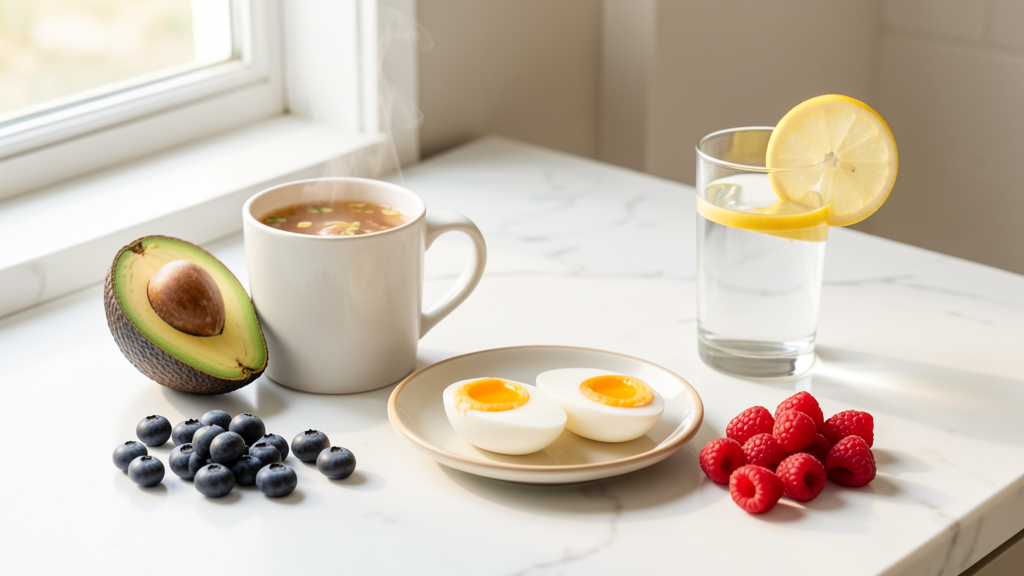
- 2–3 bites of soft-boiled egg
- A few pieces of steamed fish
- 2–3 spoonfuls of avocado
- A small cup of miso soup
Phase 3 (After 2 hours): Your Full Meal
Once you’ve tolerated the light protein well, you can eat a full meal. Keep it nutrient-dense and moderate in size — 500–800 calories is ideal for your first full meal after an extended fast.
Absolute rules for extended fast refeeding:
- Never break a 72+ hour fast with sugar or carbs — This is the fastest path to refeeding syndrome
- Take electrolytes before eating — Sodium, potassium, and magnesium are critical
- Eat at least 50% of your calories from fat — Your body is in ketosis; give it the fuel it’s adapted to burn
- Avoid dairy initially — Lactose can be difficult to digest after extended fasting
- No raw vegetables for the first meal — Cooked vegetables are easier to digest
Products that help:
- Extended Fasting Electrolyte Supplement — Specifically formulated for multi-day fasts with higher doses of sodium, potassium, and magnesium.
- Vital Proteins Collagen Peptides — Mix a scoop into bone broth for extra protein and gut-healing collagen.
Common Mistakes When Breaking a Fast
Even experienced fasters make these mistakes. Here’s what to avoid:
Mistake 1: Breaking your fast with a massive meal. Your stomach can’t handle it. Start small, wait, then eat more. The “I’m starving” feeling after a long fast is deceptive — your stomach has physically shrunk.
Mistake 2: Eating high-sugar foods first. Fruit juice, pastries, cereal, or candy will spike your blood sugar and trigger a massive insulin response. This can lead to reactive hypoglycemia — you’ll feel great for 20 minutes, then crash hard.
Mistake 3: Skipping electrolytes. This is especially dangerous for extended fasts. Low sodium, potassium, or magnesium can cause headaches, dizziness, muscle cramps, and in extreme cases, cardiac issues. Always supplement electrolytes before breaking a fast longer than 24 hours.
Mistake 4: Breaking your fast too early because of hunger. Hunger waves come and go. If you’re doing a 24-hour fast and feel hungry at hour 18, drink water and wait 30 minutes. The wave will pass. Don’t break your fast just because you’re uncomfortable — you’re likely in the middle of a fat-burning window.
Mistake 5: Eating processed “health” foods. Protein bars, granola, and “low-carb” snacks are often loaded with artificial sweeteners and preservatives that can cause digestive distress when your system is sensitive. Stick to whole, unprocessed foods.
A Sample 16:8 Breaking-Fast Meal Plan
Here’s a practical, day-by-day guide for your first week of 16:8 intermittent fasting. Each day shows how to break your fast for optimal results:
Day 1: Break fast at noon with 2 scrambled eggs + ½ avocado. Full meal at 2 PM: grilled chicken salad with olive oil dressing.
Day 2: Break fast at noon with a cup of bone broth + a handful of macadamia nuts. Full meal at 2 PM: wild salmon with roasted broccoli and sweet potato.
Day 3: Break fast at noon with Greek yogurt + a tablespoon of almond butter. Full meal at 2 PM: turkey meatballs with zucchini noodles and marinara sauce.
Day 4: Break fast at noon with a small smoothie (protein powder, spinach, coconut milk, berries). Full meal at 2 PM: grass-fed beef stir-fry with vegetables.
Day 5: Break fast at noon with 2 soft-boiled eggs + sauerkraut. Full meal at 2 PM: baked chicken thighs with roasted Brussels sprouts.
Day 6: Break fast at noon with bone broth + half an avocado. Full meal at 2 PM: wild-caught shrimp with cauliflower rice and avocado crema.
Day 7: Break fast at noon with a handful of walnuts + an apple. Full meal at 2 PM: grass-fed burger (no bun) with a large side salad.
Products that make meal prep easier:
- Glass Meal Prep Containers — Prep your post-fast meals in advance so they’re ready when your window opens.
- Avocado Storage Container — Keep half an avocado fresh for your next day’s refeed.
FAQs About Breaking Your Fast
Q: Can I break my fast with coffee?
A: Black coffee is fine during your fasting window and won’t break your fast. However, adding cream, sugar, or milk will break your fast. If you’re breaking your fast with food, wait 15–30 minutes after your last coffee before eating, as coffee can temporarily reduce stomach acid absorption.
Q: Is it okay to exercise before breaking my fast?
A: Light to moderate exercise (walking, yoga, light weights) is fine before breaking your fast. Intense cardio or heavy lifting is better done during your eating window or immediately after breaking your fast, when your body has fuel available. If you do intense exercise while fasting, break your fast with a protein-rich meal within 30 minutes.
Q: How long should I wait between breaking my fast and eating a full meal?
A: For 16:8 fasting, you can usually eat a full meal within 30 minutes of breaking your fast with a light snack. For 24-hour fasts, wait at least 30–60 minutes. For extended fasts (48+ hours), follow the 3-phase refeeding protocol and wait at least 2 hours before eating a full meal.
Q: Can I break my fast with fruit?
A: For 16:8 fasting, a small piece of low-glycemic fruit (berries, apple, pear) is fine. For extended fasts, avoid fruit for the first meal — the sugar content is too high for a sensitive digestive system. Save fruit for your second or third meal after an extended fast.
Q: What if I feel nauseous after breaking my fast?
A: Nausea after breaking a fast usually means you ate too much too quickly. Stop eating, sip warm water or ginger tea, and wait 30 minutes before trying again with a smaller portion. If nausea persists, stick to bone broth for the rest of the day and try a full meal tomorrow.
The Bottom Line
Breaking your fast properly is the unsung hero of intermittent fasting success. You can do everything right during your fasting window — stay hydrated, keep busy, avoid temptation — and still undermine your results by eating the wrong foods when your window opens.
Remember these core principles:
- Start small — a few hundred calories of protein-rich, easily digestible food
- Hydrate first — water and electrolytes before solid food
- Avoid sugar and refined carbs — especially after extended fasts
- Eat slowly and mindfully — your digestive system needs time to ramp up
- Plan ahead — meal prep ensures your first meal is ready when your window opens
With the right refeeding strategy, you’ll feel more energized, stay fuller longer, and get even more benefit from your fasting practice. Your fast doesn’t end when the clock runs out — it ends when you nourish your body properly.
As an Amazon Associate, I earn from qualifying purchases. Product recommendations are based on personal research and experience. Prices and availability are subject to change.
Related posts:
 Refeeding After a Fast: How to Avoid Weight Gain and Refeeding Syndrome in 2026
 How to Break a Fast Properly: The Complete Guide for 2026
 How To Refeed Properly And Break A Prolonged Intermittent Fasting Cycle
 Does Coffee Break Your Fast? The Complete Science-Backed Guide for 2026
 How to Break a Fast Safely: Complete Guide for 2026