
Does Fasting Lower Blood Pressure? 7 Questions Answered
If you have been considering intermittent fasting but worry about how it might affect your blood pressure, you are not alone. Millions of people manage hypertension or elevated readings while simultaneously exploring fasting for weight loss and metabolic health. The good news is that a growing body of research from 2025 and 2026 shows fasting can actually help lower blood pressure — but the details matter.
In this FAQ guide, we break down the seven most common questions about fasting and blood pressure, backed by the latest clinical studies. Whether you are new to fasting or already follow a time-restricted eating schedule, these answers will help you make informed decisions about your cardiovascular health.
1. Does Fasting Actually Lower Blood Pressure?
Yes, multiple studies confirm that fasting can reduce blood pressure. A December 2025 study published in Scientific Reports compared intermittent fasting (specifically the 5:2 method) with daily calorie restriction in adults with overweight or obesity. After 12 weeks, the intermittent fasting group showed greater improvements in systolic blood pressure and pulse pressure than the calorie-restriction group.
A systematic review and meta-analysis published in Frontiers in Nutrition in November 2025 examined time-restricted eating without caloric restriction and found meaningful reductions in both systolic and diastolic blood pressure. The researchers noted that time-restricted feeding reduced blood pressure partly by regulating the renin-angiotensin system, which is the same system targeted by many blood pressure medications.
According to consensus data from multiple meta-analyses, fasting regimens produce average systolic blood pressure reductions of 1.9 to 4.1 mmHg and diastolic reductions of 1.3 to 2.3 mmHg. While those numbers may sound modest, even a 2 mmHg reduction in systolic pressure is associated with a meaningful decrease in stroke and heart disease risk at the population level.
2. How Much Can Fasting Reduce Your Blood Pressure?
The amount of reduction depends on your starting blood pressure, the fasting protocol you follow, and how long you maintain it. Some studies report more dramatic results: a clinical analysis from Eureka Health found that intermittent fasting can lower systolic blood pressure by 5 to 11 mmHg in as little as eight weeks, particularly in people who are overweight or have elevated readings at baseline.
A 2026 review from Science Insights reported an average drop of about 4.4 mmHg in systolic pressure and 2.0 mmHg in diastolic pressure compared to control groups. The researchers compared this to the effect you might get from cutting sodium intake or starting a regular walking habit — a meaningful lifestyle change that compounds over time.
For context, here is what different reduction levels mean for your cardiovascular risk:
- 2 mmHg reduction: Approximately 7% lower risk of death from heart disease and 10% lower risk of stroke
- 5 mmHg reduction: Roughly equivalent to losing 5-10 pounds of body weight
- 10 mmHg reduction: Comparable to starting a low-dose blood pressure medication
If you are currently on the borderline between normal and elevated blood pressure, fasting could be the lifestyle change that tips you into the healthy range without medication.
3. Which Fasting Method Is Best for Lowering Blood Pressure?
Not all fasting methods produce the same blood pressure results. Based on the 2025-2026 research, here is how the most popular protocols compare:
5:2 Intermittent Fasting appears to be the most effective for blood pressure reduction. The December 2025 study in Scientific Reports found that the 5:2 method produced greater systolic blood pressure improvements than daily calorie restriction. With this approach, you eat normally for five days and reduce calories to about 500-600 on two non-consecutive days per week.
Time-Restricted Eating (16:8 or 18:6) also shows consistent benefits. The Frontiers in Nutrition meta-analysis found that confining your eating window to 8-10 hours per day, without necessarily counting calories, produced meaningful blood pressure reductions. The key mechanism appears to be aligning food intake with your circadian rhythm, which supports healthy blood pressure regulation during sleep.
Alternate-Day Fasting produces results but may be harder to maintain long-term. A 2025 network meta-analysis published in PMC found that modified alternate-day fasting was the most effective intervention for overall cardiovascular risk reduction, but adherence rates tend to be lower than 5:2 or time-restricted eating.
Extended Fasting (24-72 hours) can produce dramatic short-term blood pressure drops, but these are often related to dehydration and electrolyte shifts rather than genuine cardiovascular improvement. Extended fasts should only be attempted with proper electrolyte support and medical supervision.
For most people looking to manage blood pressure through fasting, the 5:2 method or a consistent 16:8 time-restricted eating schedule offers the best balance of effectiveness and sustainability.
4. How Does Fasting Lower Blood Pressure?
Fasting reduces blood pressure through several interconnected mechanisms. Understanding these pathways helps explain why fasting works even beyond simple weight loss.
Weight Loss: The most obvious mechanism is that fasting helps you lose body fat, and losing weight directly reduces blood pressure. For every kilogram (2.2 pounds) of weight lost, systolic blood pressure typically drops by about 1 mmHg. Since intermittent fasting is effective for weight management, this accounts for part of the blood pressure benefit.
Reduced Insulin Levels: When you fast, insulin levels drop significantly. Lower insulin reduces sodium retention by the kidneys, which decreases blood volume and lowers pressure. This is one reason why fasting may be particularly effective for people with metabolic syndrome or type 2 diabetes who often have elevated insulin levels.
Renin-Angiotensin System Regulation: The 2025 Frontiers in Nutrition review found that time-restricted eating modulates both circulating and local renin-angiotensin systems. This is the same hormonal pathway that ACE inhibitor medications target, suggesting fasting may provide a natural way to support this critical blood pressure regulation system.
Reduced Inflammation: Chronic inflammation contributes to arterial stiffness and elevated blood pressure. Fasting triggers autophagy — your body’s cellular cleanup process — which helps reduce systemic inflammation. Lower inflammation supports healthier, more flexible blood vessels.
Improved Sleep Quality: When eating is aligned with daylight hours, circadian rhythm improves, which supports healthier blood pressure patterns overnight. Blood pressure normally dips by 10-20% during sleep (called “dipping”), and disrupted sleep patterns are associated with non-dipping, which increases cardiovascular risk.
Reduced Sympathetic Nervous System Activity: Some research suggests that fasting calms the sympathetic nervous system (your “fight or flight” response), which reduces heart rate and blood pressure over time.
5. Can You Fast If You Already Have High Blood Pressure?
In most cases, yes — but with important caveats. If you currently take blood pressure medication, fasting can actually complement your treatment. The blood pressure reductions from fasting (4-11 mmHg) are meaningful enough that your doctor may eventually consider adjusting your medication dosage.
However, you should never stop or reduce blood pressure medication on your own. The combination of fasting and medication can sometimes cause blood pressure to drop too low (hypotension), especially during the first few weeks. Symptoms of low blood pressure include dizziness, lightheadedness, fainting, and blurred vision.
Important safety considerations for fasting with high blood pressure:
- Start gradually: Begin with a 12-hour fasting window and extend to 14-16 hours over several weeks. This allows your body to adjust and lets you monitor how fasting affects your readings.
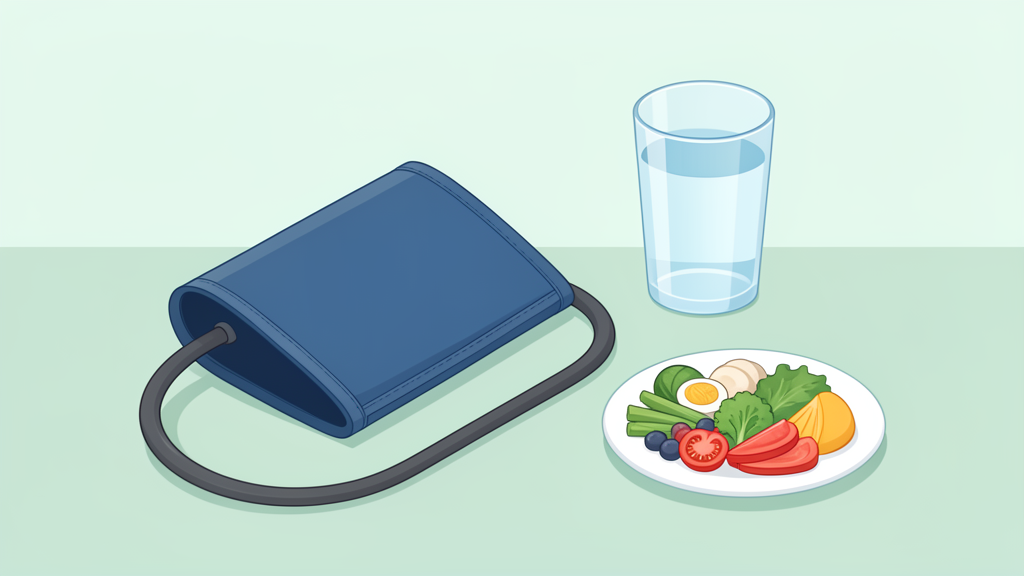
- Monitor blood pressure regularly: A reliable home blood pressure monitor is essential. Check your readings in the morning and evening during the first two weeks of any fasting protocol.
- Stay hydrated: Dehydration can cause blood pressure to spike or become unpredictable. Drink plenty of water during your fasting window, and consider adding electrolytes if you fast for more than 14 hours.
- Consult your doctor first: This is especially important if you take ACE inhibitors, ARBs, beta-blockers, or diuretics, as fasting can amplify their effects.
A home blood pressure monitor like an automatic upper arm blood pressure monitor is one of the most important tools for anyone fasting with hypertension. You need accurate, consistent readings to track how your body responds.
6. Should You Stop Blood Pressure Medication While Fasting?
Absolutely not — at least not without your doctor’s explicit guidance. This is one of the most dangerous mistakes people make when combining fasting with hypertension management. Stopping blood pressure medication abruptly can cause a dangerous rebound spike in blood pressure, which increases the risk of stroke and heart attack.
What fasting can do is create conditions where your doctor might eventually reduce your medication. As your blood pressure improves through fasting, weight loss, and lifestyle changes, your medication needs may change. But only a qualified healthcare professional should make those adjustments based on consistent monitoring data.
If you are worried about medication interactions with fasting, here are some practical tips:
- Time your medication correctly: Some blood pressure medications should be taken with food, while others work best on an empty stomach. Discuss the optimal timing with your pharmacist or doctor.
- Track your readings: Keep a log of your blood pressure readings, fasting schedule, and any symptoms. This data helps your doctor make informed decisions about medication adjustments.
- Watch for hypotension signs: If you feel dizzy when standing up, experience unusual fatigue, or notice your readings consistently below 90/60 mmHg, contact your doctor immediately.
Electrolyte balance is critical when fasting while on blood pressure medication. Some medications (especially diuretics) deplete potassium and magnesium, and fasting can intensify this effect. A quality electrolyte supplement designed for fasting can help maintain healthy mineral levels throughout your eating and fasting windows.
7. What Supplements Support Blood Pressure During Fasting?
While fasting itself is the primary intervention, certain supplements can support healthy blood pressure levels and make fasting more comfortable, especially if you have hypertension.
Magnesium: This mineral plays a crucial role in blood pressure regulation by helping blood vessels relax. Studies show that magnesium supplementation can reduce systolic blood pressure by 2-5 mmHg. Many people are deficient in magnesium, and fasting can deplete it further. Magnesium glycinate is the best-absorbed form and is gentle on the stomach, making it ideal for fasting periods.
Potassium: This mineral counterbalances sodium and helps lower blood pressure. The DASH diet (which is proven to reduce hypertension) is specifically designed to increase potassium intake. During fasting, low potassium can cause muscle cramps, heart palpitations, and blood pressure instability. Including potassium-rich foods during your eating window or supplementing with a potassium supplement can support healthy readings.
Omega-3 Fatty Acids: Fish oil supplements have been shown to modestly reduce blood pressure, particularly in people with hypertension. A meta-analysis found that omega-3 supplementation reduced systolic blood pressure by about 4.5 mmHg and diastolic by about 3.0 mmHg in hypertensive individuals. Omega-3s also reduce inflammation and support overall cardiovascular health during fasting.
Coenzyme Q10 (CoQ10): This antioxidant supports heart function and has been shown in some studies to reduce systolic blood pressure by up to 11 mmHg. CoQ10 levels naturally decline with age, and supplementing may be especially beneficial for older adults combining fasting with blood pressure management.
Beetroot Powder: Rich in dietary nitrates, beetroot powder supports nitric oxide production, which helps blood vessels dilate and relax. Several studies have found that beetroot supplementation can reduce blood pressure within hours of consumption. Adding beetroot powder to your first meal after a fast may provide an immediate blood pressure benefit.
Always introduce supplements one at a time so you can monitor how each one affects your blood pressure and overall well-being. And remember, supplements complement — but never replace — a healthy fasting protocol and medical treatment for hypertension.
The Bottom Line
The evidence is clear: fasting can be a powerful tool for lowering blood pressure, with research from 2025 and 2026 showing meaningful reductions of 4-11 mmHg in systolic pressure. The 5:2 intermittent fasting method and 16:8 time-restricted eating appear to be the most effective and sustainable approaches.
However, fasting is not a replacement for medical treatment. If you have hypertension, work with your doctor to create a plan that combines fasting with your existing medications and monitoring routine. Start gradually, track your readings, stay hydrated, and support your body with the right electrolytes and minerals.
Ready to start your fasting journey for better blood pressure? Check out our guides on how to start intermittent fasting and what you can drink while fasting to get started safely.
Frequently Asked Questions
How quickly does fasting lower blood pressure?
Most studies show measurable blood pressure reductions within 4-8 weeks of starting a consistent fasting protocol. Some people notice improvements in their home readings within the first two weeks, particularly if they are also losing weight.
Can fasting cause blood pressure to go too low?
Yes, especially if you are already on blood pressure medication. The combination of fasting and medication can sometimes cause hypotension (blood pressure below 90/60 mmHg). This is why monitoring your readings regularly and consulting your doctor before starting is essential.
Is water fasting safe for people with high blood pressure?
Extended water fasts (24+ hours) can cause dramatic blood pressure drops due to dehydration and electrolyte depletion. For people with hypertension, time-restricted eating or the 5:2 method is much safer than prolonged water fasting. Always use electrolytes during any fast longer than 16 hours.
Does fasting affect blood pressure medication effectiveness?
Fasting can enhance the effects of blood pressure medications because it reduces sodium retention and lowers insulin levels through similar pathways. This means your medication may become more effective, but it also increases the risk of blood pressure dropping too low. Your doctor may need to adjust your dosage.
What is the best time of day to check blood pressure while fasting?
Check your blood pressure at the same times each day for consistency — ideally once in the morning before eating and once in the evening. Morning readings reflect your fasting state, while evening readings show how your body responds after eating. Track both to give your doctor a complete picture.
As an Amazon Associate, I earn from qualifying purchases. This article is for informational purposes only and does not constitute medical advice. Always consult your healthcare provider before starting any fasting regimen, especially if you have high blood pressure or take medication.