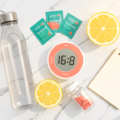


One of the first questions every faster asks is deceptively simple: what can I actually drink? You know food is off-limits during your fasting window, but the world of beverages during fasting is a confusing gray zone. Coffee with cream? Diet soda? Herbal tea with honey? Electrolyte powders?
The truth is that what you drink during a fast matters almost as much as what you eat during your feeding window. The wrong beverages can spike insulin, trigger digestive responses, and effectively break your fast — even when they contain zero calories. The right ones, however, can actually enhance your fasting benefits, keeping you hydrated, energized, and mentally sharp.
In this complete guide, we break down every common beverage category — what’s safe, what’s risky, and what you should absolutely avoid. We also cover the electrolyte strategy that separates successful long-term fasters from those who quit after two days.
The Golden Rule: What Actually Breaks a Fast?
Before diving into specific drinks, you need to understand the underlying principle. A fast is broken when your body shifts from a fasted metabolic state (burning stored fat, elevated ketones, active autophagy) to a fed state (insulin rises, digestion begins, fat burning pauses).
The primary triggers that break a fast are (for a deeper dive into supplements and what breaks a fast, read our complete guide on taking supplements while fasting):
- Calories — Any significant caloric intake (generally over 50 calories) will begin to shift your metabolism
- Insulin response — Sweet tastes, even without calories, can trigger an cephalic phase insulin response in some people
- Protein and fat — These macronutrients activate mTOR and digestive enzymes, pulling you out of autophagy
- Carbohydrates — Even small amounts of sugar or starch will raise blood glucose
With this framework in mind, let’s look at the specific drinks you’re wondering about.
Approved Fasting Drinks: What You CAN Safely Consume
1. Plain Water (The Foundation)
This seems obvious, but it’s worth emphasizing: plain water is the single most important fasting beverage. During a fast, your kidneys work harder to flush metabolic waste, and dehydration is the leading cause of the headaches, fatigue, and dizziness that make people quit their fasts early.
Aim for at least 8-10 glasses (64-80 oz) per day during your fasting window. Room temperature or cold — both work. Some people find that sipping water consistently throughout the day prevents the hunger waves that come from going hours without putting anything in your mouth.
Sparkling water (plain, unflavored) is equally safe. The carbonation doesn’t break your fast, and many people find the fizz helps with afternoon cravings. Just avoid flavored sparkling waters that contain sweeteners or “natural flavors” — these can trigger insulin responses in sensitive individuals.
2. Black Coffee (Yes, It’s Fine)
Good news for coffee lovers: plain black coffee does not break your fast. A cup of black coffee contains roughly 2-5 calories — far below the threshold that would meaningfully affect your fasted state. In fact, coffee may enhance several fasting benefits:
- Autophagy boost — Coffee has been shown to upregulate autophagy in liver cells
- Fat oxidation — Caffeine increases metabolic rate by 3-11% and enhances fat burning
- Mental clarity — The combination of caffeine and fasting-induced ketones creates what many fasters describe as “superhuman focus”
- Appetite suppression — Coffee naturally reduces hunger for 3-4 hours
The catch: What you put IN your coffee matters enormously. A splash of cream (even 1 tablespoon) adds 20-30 calories and activates digestive processes. Milk, sugar, flavored syrups, and artificial sweeteners all break your fast to varying degrees. If you absolutely cannot drink black coffee, a tiny amount of heavy cream (under 1 tablespoon) is the least disruptive option — but it technically breaks a strict fast.
For those who want to enhance their black coffee without breaking their fast, consider adding a pinch of sea salt or a small amount of MCT oil powder — though even MCT oil adds calories and should be limited during a true fast.
3. Tea (Green, Black, Herbal, and White)
Tea is arguably the best fasting beverage after plain water. All varieties of tea — green, black, white, oolong, and most herbal blends — are safe during your fasting window.
Green tea deserves special attention for fasters. It contains L-theanine, which works synergistically with caffeine to promote calm alertness without the jitteriness of coffee. Green tea also contains catechins (especially EGCG) that support autophagy and fat oxidation. If you’re doing a prolonged fast, green tea can help you stay comfortable and focused.
Herbal teas like chamomile, peppermint, rooibos, and ginger are all excellent choices. They’re calorie-free, hydrating, and many have digestive benefits that can ease the discomfort of fasting. Peppermint tea in particular is known for suppressing appetite and reducing bloating.
What to watch out for: Some herbal teas contain licorice root or fruit pieces that add natural sugars. Always check the ingredients list. If a tea says “naturally sweetened” or contains any form of sugar, honey, or stevia, it may trigger an insulin response. Stick to plain, unflavored varieties.
A high-quality loose leaf tea variety pack is a worthwhile investment for any faster — having multiple flavors on hand makes the fasting window feel less restrictive.
4. Electrolyte Water and Mineral Drinks
This is where smart fasters gain a massive advantage. Electrolyte supplementation during fasting is not just safe — it’s essential. When you fast, your body depletes sodium, potassium, and magnesium at an accelerated rate. Without replenishment, you’ll experience:
- Headaches (usually from sodium depletion)
- Muscle cramps (magnesium and potassium deficiency)
- Dizziness and lightheadedness (low blood pressure from sodium loss)
- Fatigue and brain fog (electrolyte imbalance)
- Heart palpitations (potassium imbalance — take this seriously)
The solution is simple: add a quality electrolyte supplement to your fasting water. Look for products that contain sodium, potassium, and magnesium in balanced ratios — without sugar, artificial sweeteners, or calories. We compared the top electrolyte brands in our best electrolyte supplements for fasting guide.
LMNT electrolyte drink mix is widely regarded as the gold standard for fasting electrolytes — it contains 1,000mg sodium, 200mg potassium, and 60mg magnesium per packet, with zero sugar, zero calories, and zero artificial ingredients. It was specifically formulated with fasting and keto in mind.
Liquid IV hydration multiplier is another solid option, though it does contain 11 grams of sugar per packet (from tapioca), which technically breaks a strict fast. It’s best used during your feeding window or for rehydration after breaking a fast.
Dr. Berg’s electrolyte powder offers a zero-sugar option with a higher potassium content (1,000mg) that’s popular among OMAD and extended fasting practitioners.
Pro tip: Add a pinch of high-quality sea salt to your water throughout the day. This is the cheapest and simplest electrolyte strategy — sodium is the electrolyte you lose fastest during fasting, and plain sea salt provides it without any additives.
What Breaks a Fast? The Drinks to Avoid
Milk, Cream, and Dairy
Even a small splash of milk in your coffee breaks your fast. Whole milk contains about 150 calories per cup and triggers both an insulin response and digestive enzyme activation. Heavy cream is slightly better (50 calories per tablespoon) but still contains fat that activates metabolic pathways incompatible with fasting. If you must have something in your coffee during your fasting window, limit yourself to less than 1 tablespoon of heavy cream — but know that you’re no longer in a strict fast.
Juice, Smoothies, and Milk Alternatives
Fruit juice is one of the worst fasting offenders — it’s essentially liquid sugar. Even “healthy” green juices contain enough carbohydrates to spike blood glucose and break your fast. The same goes for smoothies, protein shakes, and plant-based milks (oat, almond, soy). These all contain calories, macronutrients, or sweeteners that will end your fasted state.
Diet Sodas and Artificially Sweetened Drinks
This is one of the most debated topics in the fasting community. Technically, diet sodas contain zero calories. However, emerging research suggests that artificial sweeteners (aspartame, sucralose, acesulfame-K) may still trigger an insulin response through cephalic phase insulin release — your body tastes something sweet and pre-emptively releases insulin.
The practical answer: diet soda likely won’t completely break your fast, but it may blunt some of the insulin-sensitivity benefits. If you’re fasting for weight loss, an occasional diet soda is probably fine. If you’re fasting for autophagy or metabolic repair, it’s better to avoid them.
Bone Broth During a Fast
bone broth is a nuanced case. A cup of bone broth contains 30-50 calories, primarily from protein. This means it technically breaks a strict fast — protein activates mTOR and digestive processes. However, many fasting practitioners (including Dr. Jason Fung) recommend bone broth during extended fasts (48+ hours) as a way to maintain electrolytes, support gut lining, and make the fast more sustainable.
The key distinction: bone broth breaks a strict fast but can be part of a modified fasting protocol. If your primary goal is autophagy, skip the bone broth. If you’re doing a multi-day fast and need to stay functional, a cup of bone broth is far better than quitting your fast entirely.
What to Drink During Different Fasting Protocols
16:8 Intermittent Fasting
For a standard 16-hour fast (the most popular protocol), you have plenty of beverage options. Black coffee, green tea, herbal tea, and electrolyte water will easily carry you through the fasting window. Most people find that staying well-hydrated with electrolytes makes 16:8 fasting feel effortless after the first week.
OMAD (One Meal a Day)
With a 23-hour fasting window, beverage choice becomes more important. You’ll want to spread your electrolyte intake throughout the day rather than loading them all at once. Green tea and herbal teas become valuable for breaking up the monotony of water. Many OMAD practitioners report that having a “fancy” fasting drink (a specialty herbal blend, sparkling water with lemon) makes the long fast more psychologically manageable.
Extended Fasts (48-72+ Hours)
During extended fasts, your electrolyte needs increase dramatically. You should be consuming electrolytes every 4-6 hours. Bone broth can be introduced after 48 hours to help with sustainability, and herbal teas remain a safe option for managing hunger between meals. For a detailed breakdown of what happens to your body during extended fasts, see our guide on what happens after 3, 5, and 7 days of fasting.
Critical warning: If you experience heart palpitations, severe dizziness, or fainting during an extended fast, break your fast immediately with bone broth or a small meal. These are signs of dangerous electrolyte depletion that require medical attention.
The Fasting Drink Cheat Sheet
| Drink | Breaks Fast? | Fasting Benefit |
|---|---|---|
| Plain water | No ✓ | Hydration, waste flush |
| Sparkling water (unflavored) | No ✓ | Appetite suppression |
| Black coffee | No ✓ | Autophagy boost, fat oxidation |
| Green/black tea | No ✓ | Autophagy, calm alertness |
| Herbal tea (unsweetened) | No ✓ | Digestive support, appetite control |
| Electrolyte water (sugar-free) | No ✓ | Prevents fatigue, cramps, headaches |
| Sea salt water | No ✓ | Sodium replenishment |
| Diet soda | Maybe ⚠️ | May trigger insulin response |
| Coffee with cream | Yes ✗ | None (breaks fast) |
| Bone broth | Yes ✗* | Electrolytes for extended fasts |
| Fruit juice | Yes ✗ | None (spikes glucose) |
| Milk (any type) | Yes ✗ | None (triggers digestion) |
*Bone broth breaks a strict fast but is acceptable in modified fasting protocols for extended fasts.
Building Your Ideal Fasting Beverage Routine
Here’s a practical daily routine that most intermediate fasters find sustainable:
Upon waking (Hour 0): 16 oz water with a pinch of sea salt. This rehydrates you after sleep and front-loads sodium before your body starts depleting it.
Morning (Hours 1-3): Black coffee or green tea. If you’re new to fasting, this is when hunger is strongest — having a warm beverage helps immensely.
Midday (Hours 4-8): Electrolyte water (one packet of sugar-free electrolytes in 16-20 oz water). This is when most people experience energy dips and headaches if they’re not supplementing.
Afternoon (Hours 8-14): Herbal tea (peppermint or chamomile). This helps manage the afternoon hunger wave and signals to your brain that you’re “having something” even though you’re still fasting.
Pre-feeding window (Hour 14-16): Sparkling water or another cup of green tea. This bridges the gap to your eating window without triggering hunger.
Frequently Asked Questions
Does coffee with a splash of cream break my fast?
Yes, technically it does. Even one tablespoon of cream adds 20-30 calories and contains both fat and protein, which activate digestive processes. However, the impact is minimal — you’re not losing all fasting benefits with a tiny splash. Many functional medicine practitioners allow up to 1 tablespoon of heavy cream during a fasting window focused on weight loss. For strict autophagy or metabolic repair, stick to black coffee.
Can I drink diet soda while intermittent fasting?
Diet soda contains zero calories, so it won’t directly break your fast in terms of caloric intake. However, the artificial sweeteners may trigger a cephalic phase insulin response — your brain tastes sweetness and signals your pancreas to release insulin. The research on this is mixed. If your primary goal is weight loss, an occasional diet soda is unlikely to sabotage your results. For autophagy-focused fasters, it’s better to avoid them.
What’s the best electrolyte supplement for fasting?
The best fasting electrolyte supplement contains sodium, potassium, and magnesium in balanced ratios with zero sugar and zero calories. LMNT is the most popular choice among fasters (1,000mg sodium, 200mg potassium, 60mg magnesium per packet). Dr. Berg’s electrolyte powder offers higher potassium (1,000mg) for those who need it. For a budget option, simply add 1/4 teaspoon of sea salt and a magnesium citrate capsule to your water.
Is it safe to do a 48-hour fast drinking only water and electrolytes?
For most healthy adults, yes — a 48-hour water-and-electrolyte fast is safe and well-tolerated. The key is consistent electrolyte supplementation (every 4-6 hours) and listening to your body. Stop immediately if you experience heart palpitations, severe dizziness, confusion, or fainting. People with diabetes, those on blood pressure or blood sugar medications, pregnant women, and anyone with a history of eating disorders should not attempt extended fasts without medical supervision.
Can I drink alcohol during my eating window if I’m fasting?
Alcohol during your eating window doesn’t break your fast — but it can undermine your fasting benefits. Alcohol impairs fat oxidation for 12-24 hours after consumption, meaning your post-fast metabolic advantages are reduced. It also disrupts sleep quality, which is critical for the hormonal recovery that fasting promotes. If you choose to drink, stick to low-sugar options (dry wine, spirits with soda water) and limit intake to 1-2 drinks.
As an Amazon Associate, I earn from qualifying purchases. Product links on this page are affiliate links — if you purchase through them, you support Fasting Pioneer at no extra cost to you.
Related posts:
 Can You Take Medication While Fasting? A Complete Guide
 How to Break a Fast Properly: The Complete Guide for 2026
 Does Coffee Break a Fast? The Complete FAQ Guide (2026)
 How Long Until Autophagy Starts During Fasting? The Complete 2026 Guide
 How to Break Your Fast Properly: The Complete Guide to Refeeding After Intermittent Fasting