

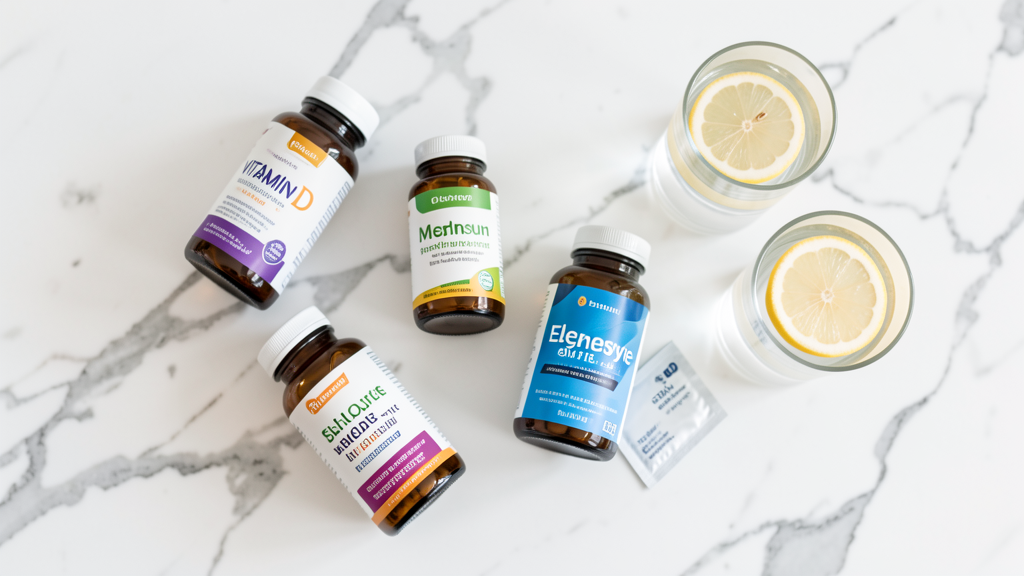
Can You Take Supplements While Fasting? 10 Answers
One of the most common questions in the fasting community is deceptively simple: Can I take my supplements while I’m fasting? The answer isn’t a simple yes or no. Some supplements are perfectly fine during a fast, while others can break your fast, reduce its benefits, or even cause stomach issues when taken on an empty stomach.
In this FAQ, we break down the 10 most frequently asked questions about supplements and fasting, so you can build a routine that supports your health goals without sabotaging your results.
1. Do Electrolytes Break a Fast?
No. Pure electrolytes — sodium, potassium, and magnesium — contain zero calories and do not break your fast. In fact, they’re one of the most important things you can take during a fasting window. When you fast, your body depletes electrolytes more quickly, especially during extended fasts of 24 hours or longer.
Adding a pinch of high-quality salt to your water or taking an electrolyte supplement like LMNT electrolyte packets can help prevent headaches, fatigue, and muscle cramps — the classic “keto flu” symptoms that derail many beginners.
The key is choosing electrolyte products with zero sugar and no added calories. If the label shows zero calories and no sweeteners, it won’t break your fast. During a 24-hour or longer fast, aim for at least 1,000-1,500 mg of sodium, 300-400 mg of magnesium, and 200-350 mg of potassium throughout the day. These needs increase significantly if you’re exercising, sweating, or living in a hot climate.
2. Can I Take Vitamins While Fasting?
It depends on the type of vitamin. Water-soluble vitamins — like vitamin B complex, vitamin C, and B12 — are generally safe to take during a fasting window. They dissolve easily in water and don’t require fat for absorption, so your body can use them efficiently even on an empty stomach.
Fat-soluble vitamins, however — vitamins A, D, E, and K — need to be taken with dietary fat for proper absorption. Taking them on an empty stomach means your body will absorb only a fraction of what it needs. The rest passes through without being utilized, which is essentially money wasted on expensive supplements. For best results, save these for your eating window and take them with a meal containing healthy fats like avocado, olive oil, or nuts.
A good multivitamin for fasting can help fill nutritional gaps, but timing matters more than most people realize. Split your multivitamin: take the B vitamins and vitamin C during your fasting window, and save the A, D, E, and K for meals.
3. Does Magnesium Break a Fast?
No. Magnesium supplements — whether you’re taking magnesium glycinate, citrate, or oxide — do not contain calories and won’t break your fast. Magnesium is actually one of the most beneficial supplements to take during a fasting window.
Magnesium supports over 300 enzymatic reactions in your body, including muscle function, nerve signaling, and blood sugar regulation. Many fasters experience leg cramps and poor sleep, both of which magnesium can address. Taking it before bed during your fasting window is an ideal strategy.
Just be aware that magnesium citrate has a mild laxative effect at higher doses, so start with a lower dose if you’re new to it. Magnesium glycinate is gentler on the stomach and is the preferred form for most fasters. The recommended dose during fasting is 200-400 mg before bed.
4. Can I Take Creatine While Fasting?
This is one of the most debated topics in the fasting community. Creatine itself is calorie-free and technically doesn’t break a fast at the molecular level. However, creatine is best absorbed with food and water. Taking it on an empty stomach can cause bloating, mild stomach discomfort, or diarrhea in some people.
The research is clear that timing doesn’t matter much for creatine — what matters is consistency and daily intake. Creatine works by saturating your muscles over time, not by providing an acute effect. If you tolerate creatine on an empty stomach, feel free to take it during your fasting window. If it upsets your stomach, shift it to your eating window. The key is taking 3-5 grams daily for it to be effective for muscle performance and recovery.
5. Does Pre-Workout Break a Fast?
Some pre-workout supplements break a fast, and some don’t — it depends entirely on the ingredients. Check the label for these red flags:
- Sugars or dextrose: These are common fillers that add calories and will break your fast.
- Branched-chain amino acids (BCAAs): These contain calories and can trigger an insulin response.
- Artificial sweeteners like sucralose or aspartame: These are calorie-free and generally considered safe during a fast.
If you train in a fasted state, look for a zero-calorie pre-workout with only caffeine, beta-alanine, and electrolytes. Black coffee is also an excellent and simple pre-workout for fasting that contains zero calories and has been shown to enhance fat oxidation during exercise.
6. Can I Take Probiotics During a Fast?
Yes. Probiotic supplements are calorie-free and can actually be more effective when taken on an empty stomach. Your stomach acid is less concentrated when you haven’t eaten, which means more probiotic bacteria survive the journey to your gut where they can colonize and do their work.
Many functional medicine practitioners recommend taking probiotics first thing in the morning, before breakfast, for maximum colonization. If you’re intermittent fasting with a morning eating window, this aligns perfectly with your routine.
Just make sure your probiotic supplement doesn’t contain prebiotic fibers or added sugars in the capsule — these are rare but do exist in some formulations. Look for multi-strain formulas with at least 10 billion CFUs for the best results during fasting.
7. Should I Take Omega-3 Fish Oil While Fasting?
You can, but you shouldn’t. Omega-3 fish oil is a fat-soluble supplement that requires dietary fat for proper absorption. When you take fish oil on an empty stomach, your body absorbs significantly less of the EPA and DHA — the beneficial compounds you’re paying for.
Additionally, taking fish oil without food can cause “fish burps” and stomach discomfort in many people. The simple solution: save your omega-3 supplement for your eating window and take it with a meal that contains fat. This maximizes absorption and minimizes side effects.
A high-quality omega-3 fish oil supplement taken with food during your eating window gives you the best return on your investment in both health benefits and supplement quality.
8. Can I Take Collagen While Fasting?
Technically, collagen contains calories (about 35-40 calories per scoop) and does break a fast from a strict caloric standpoint. However, the calorie load is minimal and won’t significantly impact your insulin levels or autophagy — the cellular processes you’re trying to activate through fasting.
The real question is: what are you trying to achieve? If your primary goal is weight loss, even small calorie inputs matter and could slow your progress. If your goal is general health, longevity, or gut health, a scoop of collagen in your morning coffee won’t meaningfully affect your results.
For strict fasts (72 hours or longer), skip the collagen entirely. For intermittent fasting (16:8 or 20:4), a small amount of collagen is generally fine and won’t derail your progress.
9. What About Apple Cider Vinegar and Fasting?
Apple cider vinegar is one of the best things you can take during a fasting window. It contains virtually zero calories (about 1-3 calories per tablespoon), and research suggests it may help support blood sugar regulation, improve insulin sensitivity, and even enhance fat burning.
Many fasters add a tablespoon of apple cider vinegar to a glass of water before their first meal. Just make sure you dilute it — drinking it straight can damage tooth enamel and irritate your throat. A apple cider vinegar supplement in capsule form is also available if you can’t tolerate the taste. The capsules provide the same benefits without the acidic burn.
10. What’s the Best Supplement Routine for Fasting?
Based on the science, here’s an optimal supplement schedule for someone doing 16:8 intermittent fasting with an eating window from 12 PM to 8 PM:
- During fasting window (morning): Electrolytes (sodium, potassium, magnesium), black coffee or green tea, apple cider vinegar in water, probiotics
- With first meal (12 PM): Multivitamin, omega-3 fish oil, fat-soluble vitamins (A, D, E, K), creatine (if tolerated on empty stomach, can also go here)
- Before bed: Magnesium glycinate for sleep and recovery
The golden rule: if it has calories or needs fat for absorption, take it with food. If it’s calorie-free and water-soluble, it’s generally safe during your fasting window.
The Bottom Line
Don’t let supplement confusion stop you from fasting. Most electrolytes, minerals, and water-soluble vitamins are perfectly fine during your fasting window. The supplements that need to wait for your eating window are the fat-soluble vitamins (A, D, E, K), fish oil, and anything with calories like collagen protein.
Start with the basics — electrolytes and magnesium — and build from there. Your fasting routine should support your health goals, not create unnecessary stress about what you can and can’t take. Consistency matters more than perfection, and the right supplement timing can make fasting feel easier and more sustainable.
Frequently Asked Questions
Does taking medication break a fast?
Most prescription medications are fine to take during a fasting window. However, some medications need to be taken with food to prevent stomach irritation or improve absorption. Always follow your doctor’s instructions — if they say “take with food,” shift the medication to your eating window regardless of fasting goals.
Can I drink bone broth while fasting?
Bone broth contains calories (about 40-50 calories per cup) and small amounts of protein. From a strict fasting perspective, it does break your fast. However, many practitioners allow bone broth during extended fasts as a gentle way to ease digestive stress. For weight loss and autophagy goals, stick to zero-calorie options like water, black coffee, and plain tea.
Are BCAAs safe during a fast?
No. Branched-chain amino acids (BCAAs) contain calories and can trigger an insulin response, which breaks your fast. If you train fasted and want to preserve muscle, consider taking BCAAs during your eating window instead — the muscle-building benefits are similar.
How much electrolytes do I need while fasting?
A general guideline for fasting is: 1,000-1,500 mg sodium, 300-400 mg magnesium, and 200-350 mg potassium daily. These needs increase with physical activity, sweating, and longer fasts. Listen to your body — headaches, cramps, and fatigue are signs you need more.
Can children or teenagers take supplements while fasting?
Fasting is generally not recommended for children or teenagers without medical supervision. If a young person is fasting for health or religious reasons, consult a healthcare provider before adding any supplements to their routine.
As an Amazon Associate, I earn from qualifying purchases. This article is for informational purposes only and does not constitute medical advice. Always consult a healthcare professional before starting any fasting or supplement regimen.
Related posts:
 Can You Take Supplements While Fasting? What Breaks Your Fast and What Doesn’t
 The Best Ways To Support Your Body With Supplements During Extended Fasting
 The Role Of Supplements During Extended Fasting
 Best Electrolyte Supplements for Fasting in 2025: Top Picks Reviewed
 Best Supplements for Fasting and Muscle Preservation in 2026