
How Fasting Reshapes Your Gut Microbiome: The 2026 Science
Your gut is home to trillions of bacteria, fungi, and viruses that influence everything from your immune system to your mood. In 2026, a wave of new research is revealing exactly how fasting — whether intermittent, time-restricted, or extended — transforms this internal ecosystem. The findings go far beyond “fasting is good for you.” Scientists are now mapping specific bacterial shifts, measuring metabolite changes, and connecting gut microbiome diversity to real-world health outcomes.
If you have been fasting and wondering what is actually happening inside your digestive tract, the latest science has answers. Here is what researchers have discovered about fasting and the gut microbiome in 2026 — and what it means for your fasting practice.
What Your Gut Microbiome Actually Does
Before diving into the fasting research, it helps to understand what the gut microbiome is and why it matters. Your gut contains roughly 38 trillion microorganisms — slightly more than the number of human cells in your body. These bacteria, primarily concentrated in the large intestine, perform critical functions that your own cells cannot.
The most important jobs include breaking down fiber into short-chain fatty acids (SCFAs) like butyrate, propionate, and acetate. These SCFAs fuel the cells lining your colon, reduce inflammation throughout your body, and even communicate with your brain through the gut-brain axis. A diverse microbiome — meaning many different species living in balance — is consistently linked to better metabolic health, stronger immunity, and lower rates of chronic disease.
When researchers talk about a “healthy” microbiome, they are really talking about diversity. A gut dominated by just a few bacterial species is associated with obesity, type 2 diabetes, and inflammatory bowel conditions. The more species you have, and the more balanced their populations, the better your overall health tends to be.
This is where fasting enters the picture. The food you eat is the primary fuel source for gut bacteria. When you stop eating for extended periods, the bacterial ecosystem undergoes significant changes — and 2026 research is finally showing us exactly what those changes are.
The 2026 Frontiers Study: Ramadan Fasting and Microbiome Diversity
A landmark study published in Frontiers in Nutrition in May 2026 examined how Ramadan-style fasting — a form of time-restricted eating where food intake is confined to evening and nighttime hours — affects gut microbiome composition and metabolic health. The researchers conducted a systematic review of human studies up to 2026, combining data from multiple trials to identify consistent patterns.
The findings were striking. Participants who practiced time-restricted eating during Ramadan showed measurable increases in gut microbiome diversity compared to their baseline measurements. Specifically, the studies documented rises in beneficial bacterial species known to produce short-chain fatty acids — the compounds that reduce inflammation and strengthen the intestinal barrier.
What made this review particularly valuable was its focus on metabolic outcomes. The researchers found that the microbiome changes were not just cosmetic shifts in bacterial populations. They correlated with improved markers of metabolic health, including reduced fasting blood glucose, lower triglyceride levels, and decreased markers of systemic inflammation. In other words, the gut bacteria changes were doing real work in the body.
The mechanism appears to involve a concept called the “migrating motor complex” — the housekeeping contractions that sweep through your intestines during fasting periods. When you go several hours without eating, your gut activates these contractions, which physically clear out stagnant bacteria and debris. This creates space for beneficial species to thrive and prevents the overgrowth of potentially harmful bacteria that thrive in undigested food residue.
The BioRxiv Breakthrough: Fasting and Re-Feeding Are Equally Important
Perhaps the most provocative finding of 2026 comes from a February preprint on bioRxiv, which challenged a long-held assumption in fasting research. The study, conducted in mice with findings the authors expect to translate to humans, demonstrated that the re-feeding period after a fast is just as important as the fasting period itself for shaping gut microbiome outcomes.
Previous research had focused almost exclusively on what happens during the fasting window. This new study showed that the foods you eat when you break your fast determine which bacterial populations bloom and which decline. The researchers found that re-feeding with different macronutrient compositions produced dramatically different microbiome signatures — even when the fasting periods were identical.
Participants who broke their fasts with fiber-rich, whole foods saw the most beneficial microbiome shifts. Those who broke fasts with processed foods or simple sugars experienced less favorable bacterial changes, sometimes undoing the gains made during the fasting window. This finding has enormous practical implications for anyone practicing intermittent fasting or extended fasts.
The study also highlighted something called “microbiome plasticity” — the ability of gut bacteria to rapidly reorganize in response to changing conditions. The researchers observed that fasting periods created a kind of blank slate, clearing dominant bacterial populations and opening ecological niches. What filled those niches during re-feeding determined the long-term microbiome composition.
This plasticity explains why some people report dramatic improvements from fasting while others see minimal changes. The difference often comes down to what happens at the end of the fast, not just the duration of the fast itself.
How Different Fasting Protocols Affect Your Gut Bacteria
Not all fasting protocols produce the same microbiome changes. The 2026 research landscape reveals clear differences between popular approaches:
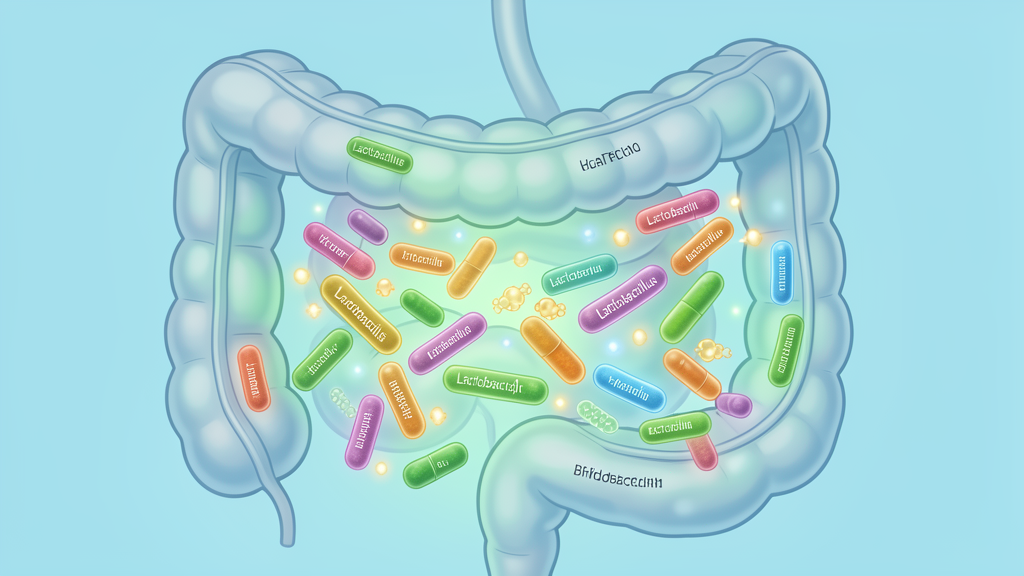
Time-restricted eating (16:8 or 18:6) appears to be the most consistently beneficial for microbiome diversity. The daily cycle of fasting and eating creates regular opportunities for the migrating motor complex to activate while providing consistent fuel for beneficial bacteria during eating windows. Studies show increases in Lactobacillus and Bifidobacterium — two genera strongly associated with gut health — after just four weeks of consistent time-restricted eating.
Alternate-day fasting produces more dramatic shifts but also more variability. The longer fasting windows (36+ hours on fasting days) allow for deeper clearing of the intestinal environment, but some studies show temporary decreases in certain beneficial species during the extended fast. The re-feeding quality on eating days becomes critical with this protocol.
Extended multi-day fasts (48-72+ hours) create the most profound microbiome remodeling. Research from 2025-2026 suggests that fasts beyond 48 hours trigger a significant shift in Firmicutes-to-Bacteroidetes ratio — a metric associated with metabolic health. However, these longer fasts also temporarily reduce microbial diversity before it rebounds during re-feeding. This is why the re-feeding protocol after an extended fast matters so much.
The 5:2 approach (normal eating five days, severe calorie restriction two days) shows modest but consistent microbiome improvements over 8-12 week periods. The changes are less dramatic than daily time-restricted eating but accumulate steadily.
For most people seeking gut microbiome benefits, the 2026 evidence points toward consistent daily time-restricted eating (16:8) as the optimal balance of effectiveness and sustainability. The key is consistency — sporadic fasting produces inconsistent microbiome results.
Practical Steps to Optimize Your Gut Health While Fasting
The 2026 research points to several actionable strategies for maximizing the gut microbiome benefits of fasting:
Break your fast with fiber. The bioRxiv study makes this clear: what you eat at your first meal determines which bacteria thrive. Prioritize vegetables, legumes, fermented foods, and whole grains when breaking your fast. These foods provide the prebiotic fiber that feeds beneficial bacteria. A quality prebiotic fiber supplement can help bridge the gap on days when your first meal is light.
Include fermented foods daily. Yogurt, kefir, sauerkraut, kimchi, and kombucha introduce live beneficial bacteria directly into your gut. During the re-feeding window, these foods provide both the bacteria themselves and the fermented compounds that support their establishment. Consider a high-quality probiotic supplement if fermented foods are not part of your regular diet.
Stay hydrated with electrolytes. Water alone is not enough during fasting periods. Electrolytes support the cellular processes that maintain a healthy gut lining and facilitate the migrating motor complex contractions. Many experienced fasters find that a quality electrolyte powder makes fasting more comfortable and may support better microbiome outcomes.
Be consistent with your eating window. The microbiome thrives on regularity. Bacteria have their own circadian rhythms, and shifting your eating window confuses these cycles. Pick a consistent 8-10 hour eating window and stick to it. Research shows that even one day of irregular eating can temporarily disrupt microbiome rhythms established over weeks of consistency.
Avoid ultra-processed foods during your eating window. The 2026 research is clear that processed foods undermine fasting benefits. Emulsifiers, artificial sweeteners, and preservatives can damage the gut lining and promote inflammatory bacterial species. Even a single meal of highly processed food can shift your microbiome composition for 24-48 hours.
Consider a quality fiber supplement on low-vegetable days. When life makes it hard to eat enough whole foods, a supplement like psyllium husk fiber can help maintain the SCFA production that fasting has amplified.
What This Means for Your Fasting Practice
The 2026 research on fasting and the gut microbiome represents a significant advance in our understanding of why fasting works. We now know it is not just about caloric restriction or hormonal shifts — the transformation of your internal bacterial ecosystem is a major mechanism through which fasting improves health.
The key takeaways are clear. Fasting increases microbiome diversity. The re-feeding window matters as much as the fasting window. Consistency beats intensity. And the quality of food you eat when breaking your fast determines whether you amplify or undermine the microbiome benefits.
For the 17 subscribers reading this in their inbox, this research validates what many of you have experienced firsthand — better digestion, reduced bloating, and improved energy during consistent fasting practice. Your gut bacteria are adapting to your eating patterns, and with the right approach, they are becoming powerful allies in your health journey.
Start with a consistent 16:8 protocol, break your fast with whole foods and fiber, and give your microbiome at least 4-6 weeks to adapt. The science shows that the benefits compound over time, creating a virtuous cycle where a healthier microbiome makes fasting easier, which further improves the microbiome.
Frequently Asked Questions
How long does it take for fasting to change your gut microbiome?
Research shows measurable changes in gut bacteria diversity within 2-4 weeks of consistent time-restricted eating. However, more significant shifts — like changes in Firmicutes-to-Bacteroidetes ratio — typically require 8-12 weeks of sustained practice. The key is daily consistency rather than occasional long fasts.
Can fasting help with gut issues like IBS or bloating?
The 2026 Frontiers study found that time-restricted eating reduced markers of gut inflammation and improved metabolic health markers. Many people with IBS report symptom improvement with fasting, though results vary. The migrating motor complex activation during fasting helps clear stagnant material that contributes to bloating. Always consult a healthcare provider before using fasting to manage a diagnosed gut condition.
Should I take probiotics while fasting?
Probiotics are best taken during your eating window, ideally with food. Taking them on an empty stomach during a fast exposes them to stomach acid without the buffering effect of food, reducing their survival rate. Time your probiotic supplement with your first meal for maximum benefit.
What foods best support gut health when breaking a fast?
Fiber-rich whole foods are the top choice. Vegetables, legumes, whole grains, and fermented foods provide the prebiotic fiber and live bacteria that thrive during the re-feeding window. Bone broth is another excellent option — it provides glutamine and collagen that support gut lining repair. Avoid breaking fasts with high-sugar or ultra-processed foods, which the 2026 research shows can undo microbiome gains.
Does coffee or tea affect gut bacteria during a fast?
Black coffee and plain tea (without sugar or cream) do not significantly disrupt fasting-related microbiome changes. Some research even suggests coffee polyphenols may have prebiotic effects that support beneficial bacteria. However, adding cream, sugar, or flavored syrups will trigger bacterial responses that interrupt the fasting state.
Related posts:
 Exploring The Connection Between Extended Fasting And Gut Microbiome Health
 Fasting and the Gut-Brain Connection: 2026 Science
 How a 7-Day Fast Transforms Your Body: The Science (2026)
 Dirty Fasting vs Clean Fasting: What the Science Says in 2026
 Best Autophagy Supplements for Fasters in 2026: Top 5 Science-Backed Picks