
How to Choose the Best Fasting App in 2026
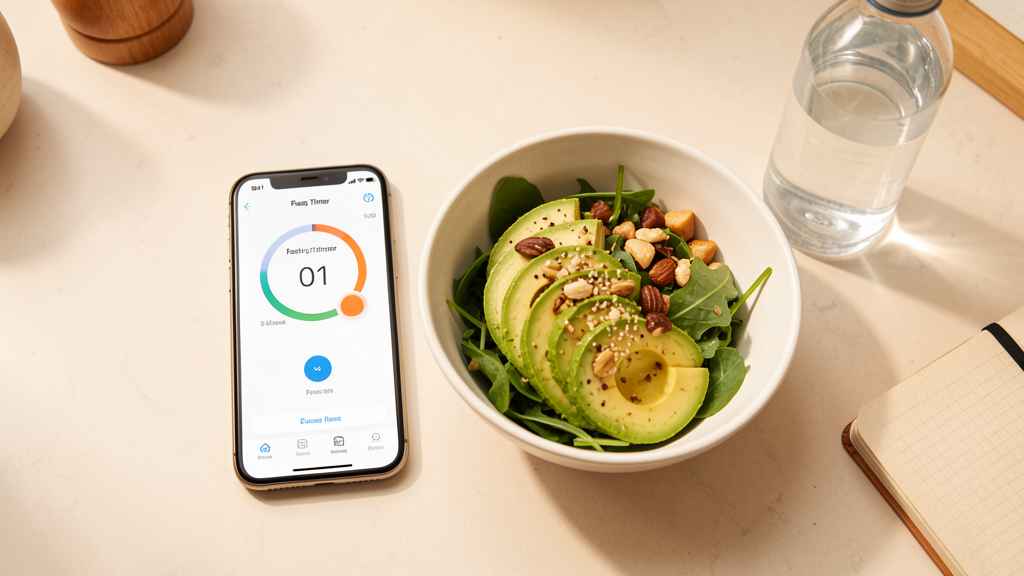
Picking the right intermittent fasting app can make the difference between quitting after a week and building a sustainable fasting habit that lasts for years. With dozens of fasting apps competing for your attention in 2026, each promising different features, pricing tiers, and approaches, it’s easy to feel overwhelmed before you even start your first fast.
The good news? You don’t need to try every app yourself. We’ve compared the top intermittent fasting apps available right now, breaking down what each one actually offers, which fasting methods they support, and whether the free version is enough or you’ll need to upgrade. Whether you’re a complete beginner exploring 12:12 fasting or an experienced faster tracking autophagy windows, this guide will help you find the app that fits your routine.
Why a Fasting App Matters More Than You Think
Starting intermittent fasting sounds simple — just stop eating for a set number of hours, right? In practice, the first few weeks are where most people fail. Hunger hits at unexpected times, you lose track of when your eating window opens, and without structure, it’s tempting to call it quits.
A good fasting app solves three critical problems. First, it removes the guesswork by tracking your fasting hours automatically, so you know exactly when you’re in a fat-burning state and when autophagy begins. Second, it builds accountability through streaks, progress charts, and mood journals that show you how fasting actually affects your energy and focus over time. Third, it educates you along the way, helping you understand what’s happening metabolically at 12 hours versus 16 hours versus 20 hours of fasting.
The best fasting apps in 2026 have evolved far beyond simple timers. They now integrate with wearable devices, offer personalized fasting schedules based on your body metrics, and provide community support to keep you motivated during tough days.
What to Look for in a Fasting App
Before diving into specific app recommendations, let’s establish what actually matters when choosing a fasting app. Not every feature is created equal, and some things that look impressive in marketing materials are practically useless in daily use.
Timer accuracy and flexibility should be your first priority. The app should support the fasting method you want to follow — whether that’s 16:8, 18:6, 20:4 (OMAD), alternate-day fasting, or 5:2. Look for apps that let you customize your fasting and eating windows rather than locking you into preset schedules. If the app only supports 16:8, you’ll outgrow it quickly as your fasting journey progresses.
Wearable integration is becoming essential. The best apps now sync with Apple Watch, Fitbit, Garmin, and Samsung Galaxy Watch to pull heart rate data, sleep quality, and activity levels. This data helps the app understand how fasting affects your body specifically, not just in general. For example, if your resting heart rate drops during a fast, that’s a useful signal the app can use to personalize recommendations.
Educational content separates premium apps from basic timers. Look for apps that explain the science behind fasting stages — when insulin drops, when fat burning ramps up, when autophagy kicks in, and when muscle protein synthesis might be affected. The best fasting books complement what a good app teaches you, but the app should stand on its own as an educational resource.
Community features matter more than most people expect. Fasting is a solitary activity, and having access to a community of people going through the same challenges provides motivation that no timer can match. Some apps offer group fasts, challenges, and forums where experienced fasters share tips that aren’t in any textbook.
Privacy and data handling is worth checking. Fasting apps collect sensitive health data — your weight, eating patterns, mood, and sometimes biometric data from wearables. Read the privacy policy before committing. Some apps sell anonymized data to researchers, which isn’t necessarily bad, but you should know about it.
The Top Fasting Apps Compared for 2026
Here are the fasting apps that stand out in 2026, each excelling in different areas. We’ve evaluated them on features, pricing, ease of use, and real-world performance rather than marketing claims.
Zero remains the gold standard for free fasting apps in 2026. Fortune named it the best free intermittent fasting app because it delivers all the essentials — fasting timer, mood journal, weight tracking, progress statistics, educational articles, and wearable sync — without requiring a subscription. The free version supports all major fasting methods, and the interface is clean and intuitive. Zero Plus adds personalized plans and advanced analytics for around $10 per month, but most beginners won’t need it. If you’re just starting out, Zero is the obvious first choice.
Fastic takes a more gamified approach with its “Fasting Journey” feature that breaks your progress into milestones. It’s particularly strong for Apple Watch users, offering complications that show your fasting status at a glance. Fastic’s paid tier includes meal plans and recipes, which can be helpful if you’re also trying to eat healthier during your eating windows rather than just fasting. The free version is solid, though some features push you toward the premium plan.
LIFE Fasting focuses on the science. It provides detailed metabolic stage tracking, showing you exactly where you are in the fasting timeline — from glycogen depletion to ketosis to autophagy. For data-driven fasters who want to understand the physiology, LIFE is the best option. It also supports group fasts, which adds a social accountability element that other apps lack.
Simple offers one of the most personalized experiences. It uses an AI-powered assessment to recommend a fasting schedule based on your goals, lifestyle, and body metrics. This is great for beginners who don’t know which method to start with, but experienced fasters may find the recommendations too basic. The subscription price is on the higher side, so it’s best for people who value personalization over flexibility.
Nutrola is the newcomer to watch in 2026. It combines fasting tracking with comprehensive nutrition logging, scoring 92 out of 100 in independent testing for within-window accuracy. Nutrola supports both Apple Watch and Wear OS, making it one of the few apps that works well across both major wearable platforms. If you want to track both fasting and nutrition in one app instead of using two separate tools, Nutrola is worth considering.
For a more hands-on approach, many experienced fasters pair their app with a dedicated kitchen food scale to measure portions during eating windows, ensuring they’re getting adequate nutrition without overeating.
Free vs. Paid: Do You Actually Need to Upgrade?
The honest answer for most beginners is no. The free versions of Zero, Fastic, and LIFE Fasting provide everything you need to start and maintain an intermittent fasting routine. You get the timer, basic tracking, and educational content — the three things that actually drive results.
Premium features become valuable in specific situations. If you’ve been fasting for several months and want to optimize your protocol based on detailed biometric data, the advanced analytics in Zero Plus or LIFE Fasting premium are worth exploring. If you struggle with meal planning during eating windows, Fastic’s recipe database can solve that problem. And if you’re training for an event or working with a health professional who needs detailed fasting data, the export features in premium tiers become essential.
The subscription costs range from $8 to $15 per month, with annual plans typically offering 40-50% savings. Before committing to any paid plan, use the free version for at least two weeks. If the free timer and basic tracking aren’t enough to keep you fasting consistently, the premium features won’t fix that — consistency comes from habit, not from paying for an app.
That said, if you decide to invest in premium, consider pairing your app with a quality insulated water bottle to stay hydrated during fasting hours. Proper hydration is one of the simplest and most effective ways to manage hunger while fasting, and having a bottle you enjoy using makes a real difference.
Getting Started: Your First Week with a Fasting App
Once you’ve chosen an app, resist the urge to jump straight into 16:8 fasting. Start with a 12:12 schedule — eat during a 12-hour window and fast for 12 hours, which mostly means not snacking after dinner and waiting until breakfast. This gives your body a gentle introduction to fasting without the hunger pangs that make people quit on day three.
During your first week, focus on three things: logging your fasts consistently, tracking your energy and mood after meals, and noting how you feel in the morning before eating. Don’t worry about optimizing your fasting window or hitting autophagy markers yet. The goal in week one is simply to build the habit of tracking.
After a week of 12:12, gradually push your eating window earlier or your fasting window later by 30 minutes every few days. Most people find 16:8 comfortable within two to three weeks of this gradual approach. The app’s timer makes this easy — you just adjust the window and let it track the rest.
Pair your fasting practice with a consistent electrolyte supplement during fasting hours. Electrolyte imbalances are the most common cause of headaches, fatigue, and brain fog during the first weeks of fasting, and addressing this single issue prevents most early dropouts.
Conclusion: The Best App Is the One You’ll Actually Use
The “best” fasting app isn’t the one with the most features or the prettiest interface — it’s the one that fits seamlessly into your daily routine and keeps you accountable without feeling like a chore. For most beginners, that’s Zero’s free tier. For data enthusiasts, it’s LIFE Fasting. For nutrition-focused fasters, it’s Nutrola.
Whichever app you choose, remember that the app is a tool, not the solution. Consistency, patience, and a willingness to adjust your approach based on how your body responds — that’s what actually produces results. The app just makes the tracking easier so you can focus on the fasting. If you’re just beginning your journey, our guide on Best Kitchen Tools for Fasting Meal Prep 2026 is a great place to start. And once you’ve got the basics down, check out our deep dive on 7 Fasting Mistakes Beginners Make in 2026 (Fix These) to take your practice further.
Start today, track honestly, and give yourself grace during the adjustment period. Within a few weeks, fasting will feel less like a discipline and more like a natural part of your day. And when it does, you’ll wonder why you ever thought about quitting.
Frequently Asked Questions
Which fasting app is completely free?
Zero offers the most complete free fasting experience in 2026. Its free tier includes the fasting timer, mood journal, weight tracking, progress statistics, educational content, and wearable device synchronization. You don’t need to enter payment information to access these features, making it the best starting point for anyone new to intermittent fasting.
Can a fasting app help me lose weight?
A fasting app supports weight loss by helping you maintain a consistent eating window, which naturally reduces calorie intake for most people. The app itself doesn’t cause weight loss — the calorie deficit from time-restricted eating does. However, the tracking, accountability, and educational features make it significantly easier to stick with the fasting schedule long enough to see results.
Do I need a smartwatch to use a fasting app?
No, all major fasting apps work perfectly fine without a smartwatch. Wearable integration adds convenience — like seeing your fasting status on your wrist — but the core features (timer, tracking, journal) function independently. If you have a smartwatch, connecting it adds useful data like heart rate during fasts, but it’s not required for the app to work effectively.
How long should a beginner fast?
Start with 12 hours of fasting (12:12 schedule) for the first week, then gradually extend to 14 hours, and eventually 16 hours over two to three weeks. Most people find 16:8 fasting sustainable long-term. Listen to your body — if you feel dizzy, extremely weak, or develop severe headaches, shorten your fasting window and try again the next week.
Is it safe to fast every day?
For most healthy adults, daily intermittent fasting with a 16:8 or 18:6 schedule is safe and well-supported by research. However, people with diabetes, eating disorders, who are pregnant or breastfeeding, or who take certain medications should consult a healthcare provider before starting any fasting routine. A fasting app can help you track how your body responds, but it’s not a substitute for medical advice.
As an Amazon Associate, I earn from qualifying purchases. Product recommendations are based on research and real-world testing, not sponsorship.
Related posts:
 Zero vs Simple Fasting App: Which Is Better in 2026?
 How to Choose the Right Electrolyte Supplement for Intermittent Fasting
 Dirty Fasting vs Clean Fasting: What the Science Says in 2026
 Freestyle Libre 3 vs Dexcom G7 for Fasting: Which CGM Is Best in 2026?
 Best Electrolyte Supplements for Fasting in 2026 — Tested & Ranked