
Can Fasting Cause Joint Pain? 7 Questions Answered 2026
Joint pain during fasting is one of the most common complaints among intermittent fasters — and one of the least talked about. You start a 16:8 schedule, feel great for a few days, then wake up with aching knees or stiff shoulders. Is this normal? Should you stop fasting? Or is it a sign your body is actually healing?
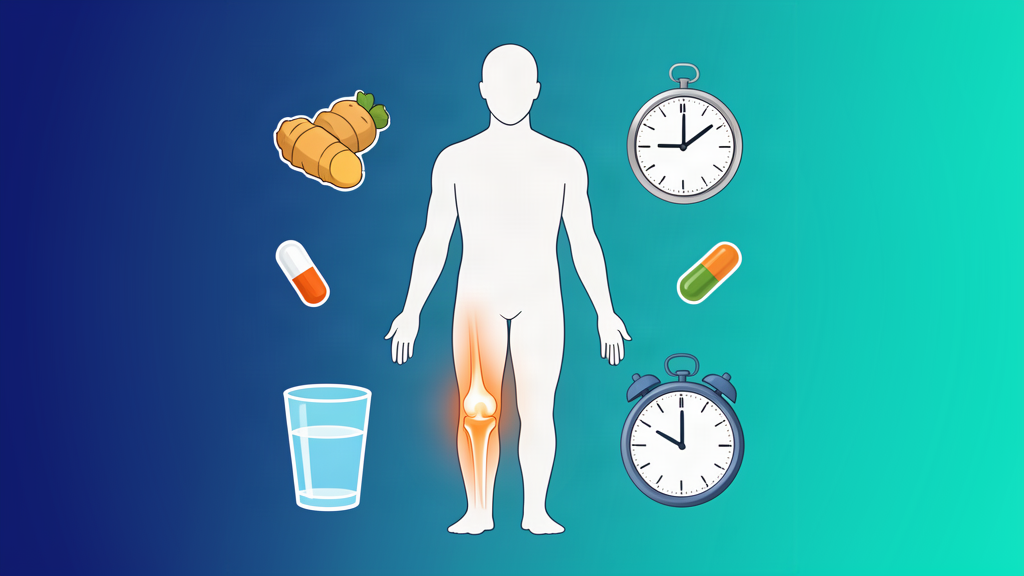
The short answer: fasting can cause temporary joint pain, but it can also reduce joint pain over the long term. The difference comes down to understanding what’s happening inside your body during the fasting window. In this guide, we answer seven of the most common questions about fasting and joint pain, backed by the latest research and practical experience from the fasting community.
1. Can Fasting Actually Cause Joint Pain?
Yes, fasting can cause temporary joint pain — and it’s more common than you might think. When you restrict food intake, your body shifts from burning glucose to burning stored fat. This metabolic transition triggers several changes that can affect your joints:
- Uric acid spikes: As fat breaks down rapidly (especially during the first few days of a fast or when starting intermittent fasting), uric acid levels rise. Uric acid crystals can deposit in joints, causing pain and inflammation — the same mechanism behind gout attacks.
- Dehydration: During fasting, you’re not getting water from food. Without adequate hydration, synovial fluid (the lubricant between your joints) thickens, leading to stiffness and discomfort.
- Electrolyte shifts: Fasting depletes sodium, potassium, and magnesium — all of which are critical for muscle and joint function. Low magnesium alone can cause muscle cramps and joint stiffness.
- Keto flu symptoms: If you’re new to fasting or transitioning to ketosis, the so-called “keto flu” often includes body aches and joint pain as part of the adjustment period.
The good news? This type of joint pain is almost always temporary. It typically peaks within the first 3-7 days of a new fasting regimen and resolves as your body adapts. If pain persists beyond two weeks, it’s worth investigating other causes.
2. What Is the Uric Acid Connection?
The link between fasting and joint pain often comes down to uric acid — and understanding this connection can help you prevent discomfort before it starts.
When you fast, your body breaks down fat cells for energy. This process releases purines, which are metabolized into uric acid. In a normally functioning body, uric acid dissolves in the blood and passes through the kidneys into urine. But when levels spike too quickly — as they can during the first few days of fasting or during extended fasts — uric acid crystallizes in the joints.
Research published in 2026 confirms that fasting-induced hyperuricemia (elevated uric acid) is a real phenomenon, particularly in people who:
- Fast for more than 16 hours at a time
- Are transitioning from a high-carb to a low-carb or ketogenic diet
- Have a history of gout or elevated uric acid levels
- Don’t drink enough water during the fasting window
A study in Mito Health (April 2026) found that dehydration during fasting concentrates urate in the joints, making crystallization more likely. The researchers recommended increasing water intake to at least 3 liters per day during fasting periods, along with electrolyte supplementation.
The practical takeaway: if you experience sharp, sudden joint pain (especially in the big toe, ankles, or knees) during a fast, uric acid is likely the culprit. Increasing water intake and taking electrolytes can help flush uric acid and reduce symptoms within 24-48 hours.
3. Does Fasting Make Arthritis Worse?
This is where the science gets interesting — and counterintuitive. For most people with arthritis, fasting actually helps rather than hurts.
A 2025 review in Science Direct examined intermittent fasting’s effects on chronic pain conditions, including osteoarthritis and rheumatoid arthritis. The findings were clear: intermittent fasting reduced pain severity and inflammatory markers in the majority of participants. The mechanism? Fasting lowers insulin levels, reduces C-reactive protein (CRP), and activates autophagy — your body’s cellular cleanup process that removes damaged cells and debris from joints.
However, there’s an important distinction between osteoarthritis (wear-and-tear) and rheumatoid arthritis (autoimmune):
- Osteoarthritis: Fasting helps most OA patients by reducing systemic inflammation and promoting weight loss, which takes pressure off weight-bearing joints. A 2026 paper in PMC on intermittent fasting and osteoarthritis found “collective support for IF’s potential to relieve joint symptoms and reduce inflammation markers.”
- Rheumatoid arthritis: The picture is more complex. Fasting can trigger temporary RA flares as the immune system recalibrates, but long-term RA patients often report sustained improvement after the adjustment period. A 2026 review in MDPI Nutrients found that IF may modulate immunometabolic processes in RA, but called for more randomized controlled trials.
Bottom line: Don’t stop fasting because of initial joint pain. Give your body 2-3 weeks to adjust. If arthritis symptoms persist or worsen after that period, consult your rheumatologist about adjusting your fasting schedule.
4. Why Does Fasting Reduce Joint Pain Over Time?
While fasting can cause temporary joint pain, the long-term effects on joint health are overwhelmingly positive. Here’s why:
Reduced inflammation: Fasting lowers levels of inflammatory cytokines (TNF-alpha, IL-6, CRP) that drive joint pain. A 2025 study in Science Direct found that intermittent fasting reduced pain severity scores and inflammatory markers in chronic pain patients. Lower inflammation means less swelling, less stiffness, and less pain.
Autophagy and joint cleanup: After 16-18 hours of fasting, your body activates autophagy — a cellular recycling process that clears out damaged proteins and cellular debris from joints. Think of it as a deep clean for your joint tissues. This process is one of the key reasons many fasters report that their joint pain improves significantly after the first few weeks.
Weight loss: Every pound of weight loss removes approximately 4 pounds of pressure from your knees. If you’re fasting to lose weight, the reduced mechanical stress on your joints compounds the anti-inflammatory benefits.
Improved insulin sensitivity: High insulin levels promote inflammation throughout the body, including in joints. Fasting lowers baseline insulin, which reduces inflammatory signaling in joint tissues.
Better sleep: Many fasters report improved sleep quality, and sleep is when your body repairs joint tissue. Growth hormone — which peaks during fasting — stimulates tissue repair and cartilage regeneration.
A 2026 review in Prolonged Fasting confirmed that “fasting for joint health can reduce inflammation and pain,” with particular benefits for people with osteoarthritis and autoimmune joint conditions.
5. When Should You Worry About Joint Pain During Fasting?
Most joint pain during fasting is harmless and temporary. But there are red flags that warrant medical attention:
- Pain that lasts more than 2 weeks after starting a fasting regimen — this suggests an underlying issue, not just adaptation
- Swelling, redness, or warmth in a specific joint — could indicate gout, infection, or an autoimmune flare
- Severe pain in the big toe — the classic sign of gout, which can be triggered by fasting-induced uric acid spikes
- Pain that wakes you up at night — differentiates normal fasting aches from serious pathology
- Joint pain accompanied by fever — could indicate septic arthritis (joint infection), which requires immediate medical treatment
- Loss of range of motion — if you can’t fully bend or straighten a joint, see a doctor
If you have a pre-existing joint condition (RA, OA, gout, lupus), talk to your doctor before starting an extended fast. A modified fasting schedule — such as 14:10 instead of 16:8, or shorter fasting windows — may be safer while still providing benefits.
For people with gout specifically, the recommendation is to fast cautiously: stay well-hydrated, take electrolytes, and avoid prolonged fasts (24+ hours) that can trigger severe uric acid spikes.
6. What Helps Joint Pain During Fasting?
If you’re experiencing joint pain during your fasting window, these strategies can provide relief:
Hydration is non-negotiable. Drink at least 3 liters of water per day during fasting. Add a pinch of sea salt or a sugar-free electrolyte mix to help retain water and support joint lubrication. Dehydration is the #1 preventable cause of fasting-related joint pain.
Electrolyte supplementation. Sodium, potassium, and magnesium all play critical roles in joint and muscle function. A high-quality electrolyte powder designed for fasting can prevent the stiffness and cramping that often accompanies joint pain.
Gentle movement. Light exercise during your eating window — walking, swimming, yoga — promotes synovial fluid circulation and keeps joints lubricated. Avoid high-impact exercise during extended fasts when uric acid may be elevated.
Anti-inflammatory foods during your eating window. Load up on fatty fish (salmon, sardines), leafy greens, berries, and turmeric. These foods provide omega-3 fatty acids and polyphenols that combat joint inflammation.
Cold therapy. Applying ice to painful joints for 15-20 minutes can reduce inflammation and numb pain signals. This is particularly effective for acute flare-ups.
Consider joint supplements. If hydration and electrolytes aren’t enough, targeted supplements can provide additional support. See the next section for our top recommendations.
7. What Are the Best Supplements for Joint Pain During Fasting?
Several supplements have strong evidence for supporting joint health, and many are safe to take during a fasting window (they won’t break your fast). Here are our top picks:
Turmeric/Curcumin: Curcumin is one of the most well-studied natural anti-inflammatories. A meta-analysis found it as effective as some NSAIDs for osteoarthritis pain, without the stomach issues. Look for a formula with black pepper extract (piperine) for better absorption. A high-quality turmeric supplement is an excellent addition to your fasting protocol.
Collagen peptides: Collagen is the primary protein in cartilage. Supplementing with collagen peptides (especially Type II collagen) provides the building blocks for joint repair. Studies show collagen supplements can reduce joint pain in athletes and osteoarthritis patients alike. Collagen peptide powder dissolves easily in coffee or tea — perfect for your fasting window.
Glucosamine and chondroitin: These compounds are naturally found in cartilage and synovial fluid. Supplementation may slow cartilage breakdown and reduce pain. Stanford Lifestyle Medicine notes that “taking glucosamine with chondroitin for more than three years slowed the breakdown of joint cartilage compared to a placebo.”
Magnesium: Essential for muscle relaxation and joint function. Magnesium glycinate is preferred for fasting — it’s well-absorbed and less likely to cause digestive issues. Low magnesium is a common cause of fasting-related muscle cramps and joint stiffness.
Fish oil (Omega-3): EPA and DHA in fish oil directly reduce inflammatory prostaglandins that contribute to joint pain. Look for a high-concentration formula with at least 2,000mg EPA+DHA per serving.
Frequently Asked Questions
Can I take joint supplements while fasting?
Yes, most joint supplements are safe during a fasting window. Collagen, turmeric, glucosamine, and fish oil contain negligible calories and won’t break your fast. Electrolyte powders with zero sugar are also fasting-safe. Avoid supplements that contain sugar, maltodextrin, or significant calories — check the label for “0 calories” or “fasting-friendly” claims.
How long does fasting-related joint pain last?
For most people, fasting-related joint pain resolves within 3-7 days as the body adapts to burning fat for fuel. If you’re transitioning from a high-carb diet, the “keto flu” phase (which includes body aches) typically peaks around day 2-3 and resolves by day 7. Persistent pain beyond 2 weeks warrants medical evaluation.
Should I exercise with joint pain during fasting?
Light, low-impact exercise is generally fine and may actually help by promoting synovial fluid circulation. Walking, swimming, yoga, and gentle stretching are safe options. Avoid high-impact activities (running, jumping, heavy lifting) during extended fasts when uric acid may be elevated. Listen to your body — sharp pain is a signal to stop.
Does dry fasting cause more joint pain than water fasting?
Potentially yes. Dry fasting (no food or water) leads to more severe dehydration, which concentrates uric acid and increases the risk of joint pain and gout flare-ups. If you’re prone to joint issues, stick with water fasting and ensure adequate hydration. The dehydration from dry fasting can make joint stiffness significantly worse.
Is joint pain during fasting a sign of autophagy?
Joint pain during fasting is not a direct sign of autophagy — it’s more commonly caused by uric acid spikes, dehydration, or electrolyte imbalances. Autophagy (your body’s cellular cleanup process) actually helps reduce joint pain over time by clearing damaged cellular material from joint tissues. The initial discomfort is your body adjusting, not a sign that autophagy is working.
As an Amazon Associate, I earn from qualifying purchases.