
Fasting and Gout: 7 Questions Answered 2026
If you’ve been diagnosed with gout — or even just suspect you might be at risk — the idea of combining fasting with your daily routine probably sounds terrifying. After all, gout flares are notoriously painful, and the last thing you want is to accidentally trigger one. But here’s the thing: fasting and gout have a more nuanced relationship than most people realize. The short-term biochemistry works against you, but the long-term metabolic benefits might actually help.
In this guide, we break down the seven most common questions people with gout ask about fasting, intermittent fasting, and the keto diet. We’ll cover what the 2026 research says about uric acid spikes during fasts, which fasting windows are safest, and how to protect your joints while still reaping the metabolic rewards of time-restricted eating.
Does Fasting Cause Gout?
The short answer: fasting doesn’t cause gout in the traditional sense, but it can temporarily raise uric acid levels — and that’s the compound responsible for gout flares. Here’s why.
When you stop eating, your body enters a catabolic state. It begins breaking down old or damaged cells through a process called autophagy, recycling their components for energy. Those cells contain DNA and RNA, which are made of compounds called purines. When purines are metabolized, they produce uric acid as a byproduct. So the more aggressively your body is recycling cells — which happens during longer fasts — the more uric acid gets produced.
On top of that, fasting depletes your glycogen stores and shifts your metabolism toward burning fat. This produces ketone bodies, which compete with uric acid for excretion through the kidneys. The deeper the ketosis, the more uric acid gets backed up in the bloodstream. Add in the dehydration that many people experience during fasting windows (since they associate drinking with eating), and you’ve got three mechanisms working together to spike your uric acid.
A 2026 case report published in the Journal of Clinical Medicine tracked participants through repeated cycles of two-day water fasts followed by five days of normal eating. Uric acid levels jumped from 7 mg/dL to 9.7 mg/dL in just seven days — a significant increase that would put anyone near the crystal-formation threshold. However, the same study found that uric acid returned to baseline within five weeks of completing the fasting protocol.
So while fasting doesn’t “cause” gout the way a purine-rich meal or excessive alcohol might, it creates conditions that can temporarily push uric acid into dangerous territory — especially if your baseline levels are already elevated.
How Does Fasting Affect Uric Acid Levels?
Fasting affects uric acid through at least three distinct pathways, and understanding each one helps you manage your risk more effectively.
Autophagy and cell breakdown. During fasting, your body ramps up autophagy — the cellular cleanup process that’s one of the key health benefits of fasting. But when cells are broken down, they release purines from their DNA and RNA. These purines are directly metabolized into uric acid. The longer and more aggressive the fast, the more cellular recycling occurs, and the more uric acid is produced. Dr. David Perlmutter, a board-certified neurologist, notes that this is the primary mechanism behind fasting-induced uric acid elevation.
Ketosis and renal competition. As your body shifts from burning glucose to burning fat, it produces ketone bodies (beta-hydroxybutyrate, acetoacetate, and acetone). These ketones are excreted through the kidneys — the same pathway used to clear uric acid. Since the kidneys can only handle so much at once, ketones effectively crowd out uric acid, causing it to accumulate in the blood. This is the same mechanism that makes ketogenic diets a concern for gout sufferers, and it explains why extended fasts (which produce deeper ketosis) pose a greater risk than shorter ones.
Dehydration. Many people drink less during fasting windows, either out of habit or because they don’t realize how much fluid they normally get from food. Even mild dehydration concentrates uric acid in the blood and reduces the kidneys’ ability to clear it. The ketosis-related water loss that occurs when glycogen stores are depleted compounds this effect further.
The good news: these mechanisms are temporary. Once you resume eating and rehydrate, uric acid levels typically return to baseline within days to weeks. A 2024 study on Ramadan fasting found that while uric acid increased significantly during the fasting month, levels normalized during the non-fasting eating periods. The key takeaway is that the elevation is transient — but for someone with gout, even a temporary spike can trigger a painful flare.
Is Intermittent Fasting Safe If I Have Gout?
Intermittent fasting can be practiced safely with gout, but the fasting window matters enormously. The risk profile changes dramatically depending on whether you’re doing a 12:12 schedule versus a 16:8 or 20:4 protocol.
12:12 (12 hours fasting, 12 hours eating) is the safest starting point for gout patients. This often means finishing dinner by 7 PM and eating breakfast at 7 AM — something many people do naturally. At 12 hours, your body doesn’t enter significant ketosis or aggressive autophagy, so the uric acid impact is minimal. Most gout patients tolerate this schedule without any increase in flares.
14:10 is the next step up and represents the sweet spot for many gout patients. You get some of the metabolic benefits of fasting — improved insulin sensitivity, modest autophagy — without pushing uric acid high enough to trigger crystals. The transition should be gradual: add one hour every week or two and monitor for any joint symptoms.
16:8 is where things get dicey. At 16 hours, many people enter meaningful ketosis and autophagy, which means all three uric acid-raising mechanisms are in play. Some gout patients tolerate 16:8 without issues, but others find that this is their threshold for flare risk. If you’re going to try 16:8, do so only after successfully maintaining 14:10 for several weeks, and keep your uric acid monitoring tight.
Extended fasts (24+ hours) are the riskiest for gout patients. The combination of deep ketosis, aggressive autophagy, and potential dehydration creates a perfect storm for uric acid elevation. Unless you’re under close medical supervision, extended fasts are generally not recommended for people with gout or elevated uric acid.
The key principle: start short, progress slowly, and listen to your body. If you notice joint pain, stiffness, or swelling during your fasting window, that’s a signal to shorten the fast or take a break.
Does the Keto Diet Help or Hurt Gout?
This is one of the most debated questions in the fasting community, and the answer is genuinely nuanced. Both keto and fasting can affect gout — but the mechanisms are different, and the long-term outcomes may surprise you.
The concern with keto is that ketones compete with uric acid for renal excretion, which can temporarily elevate uric acid levels. This is a real biochemical effect, and it’s why some gout sufferers report flares when they first start keto. However, multiple studies tell a more complex story.
A controlled study published in the Journal of Clinical Endocrinology and Metabolism found that six months of a high-protein, low-carb diet actually reduced uric acid levels in 74 overweight or obese participants — despite the high purine content of the diet. The authors concluded that “the Atkins diet (a high protein diet without calorie restriction) can reduce serum uric acid levels despite substantial purine loading.” Other research shows that vegans have higher uric acid than meat eaters, suggesting that protein consumption alone doesn’t drive gout risk.
The bigger factor appears to be sugar — specifically fructose. Fructose is metabolized into uric acid in the liver, and it’s now considered the primary dietary driver of hyperuricemia. By eliminating sugar and refined carbohydrates, a well-formulated keto diet removes the biggest uric acid trigger from your diet. Combined with the weight loss and improved insulin sensitivity that keto promotes, the long-term metabolic effects may actually reduce gout risk over time.
The short-term-versus-long-term tension is the key insight: the biochemistry of keto temporarily raises uric acid, but the metabolic adaptations (weight loss, insulin sensitivity, reduced fructose) may lower it over months. If you’re going to combine keto with fasting and you have gout, do it gradually and monitor your levels.
How Should I Break a Fast to Avoid a Gout Flare?
How you break your fast matters just as much as the fast itself — maybe more. After hours of elevated uric acid, your body is primed for a flare. The last thing you want to do is pour gasoline on the fire by breaking your fast with a purine-heavy feast.
Avoid large purine-heavy meals. Breaking a fast with a massive steak dinner, a seafood platter, or organ meats adds a surge of dietary purines on top of already elevated uric acid. This is one of the most common triggers for post-fast gout flares, and it’s entirely preventable.
Start with moderate, low-purine foods. Eggs, vegetables, rice, and low-fat dairy are excellent choices for breaking a fast when you have gout concerns. Eggs are low in purines and high in protein. Vegetables provide antioxidants that can help manage inflammation. Rice is a gentle carbohydrate that helps restore glycogen without spiking uric acid. Low-fat dairy has been shown in multiple studies to actually lower uric acid levels.
Rehydrate aggressively. Before you eat anything, drink at least 16-24 ounces of water. If you’ve been fasting for 16+ hours, you’re likely dehydrated, and rehydrating first helps your kidneys clear the uric acid that accumulated during the fast. Adding a pinch of sea salt or an electrolyte supplement can help with absorption — just avoid supplements with added sugar.
Consider tart cherry juice. Tart cherries contain anthocyanins, which have anti-inflammatory properties and may help lower uric acid. A study in Arthritis and Rheumatism found that cherry consumption reduced gout flare risk by 35%. A small glass of tart cherry juice (unsweetened) when breaking your fast can provide some protective benefit.
Eat slowly and don’t overeat. After a fast, it’s common to feel ravenous and eat too much, too fast. Overeating stresses your digestive system and adds a large purine load all at once. Take 20-30 minutes to eat your first meal, and stop before you feel stuffed.
What Supplements Help Manage Gout During Fasting?
While no supplement can replace medical treatment for gout, several have evidence supporting their role in managing uric acid levels and reducing inflammation — especially useful when you’re fasting and your body is already under metabolic stress.
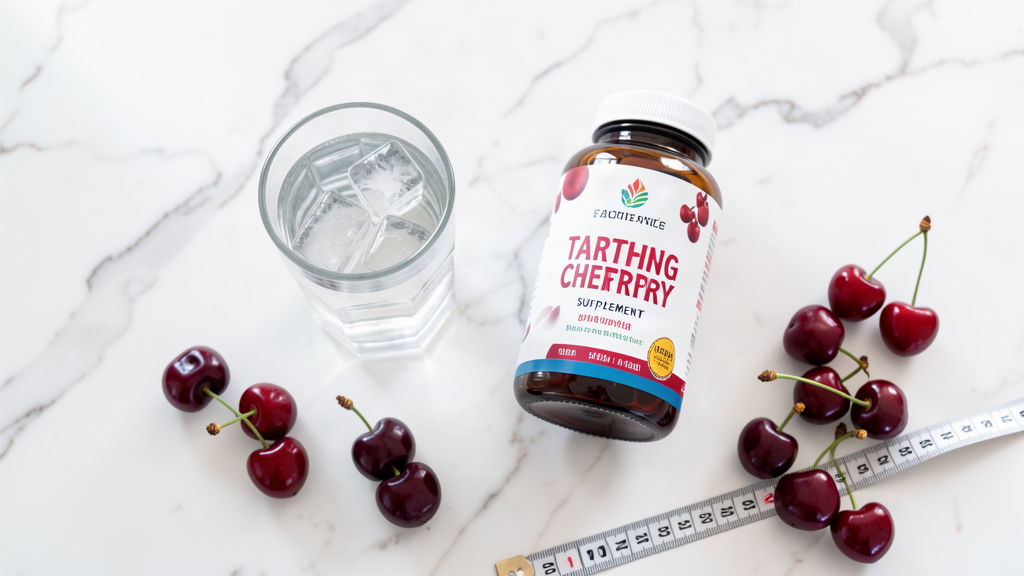
Tart cherry extract. The most studied natural supplement for gout. Tart cherries contain anthocyanins that inhibit xanthine oxidase, the enzyme that produces uric acid. They also have anti-inflammatory properties that can reduce flare severity. A daily tart cherry supplement (500-1000 mg) is a reasonable addition to your routine, especially during fasting periods when uric acid tends to spike. Check latest price on Amazon.
Celery seed extract. Celery seed has been used traditionally for gout, and modern research supports its role in reducing uric acid. Celery seed extract contains 3-n-butylphthalide, which has diuretic properties that may help the kidneys excrete uric acid more efficiently. It’s often combined with tart cherry for synergistic effects. Check latest price on Amazon.
Magnesium. Magnesium plays a role in over 300 enzymatic reactions in the body, including those involved in purine metabolism. Studies have shown that magnesium supplementation is associated with lower uric acid levels. During fasting, magnesium can also help with sleep quality and muscle recovery. Magnesium glycinate or magnesium L-threonate are well-absorbed forms that won’t cause digestive issues. Check latest price on Amazon.
Vitamin C. Multiple studies have shown that vitamin C supplementation (500-1000 mg/day) can modestly lower uric acid levels by enhancing renal excretion. It’s also an antioxidant that helps manage the oxidative stress associated with gout flares. While the effect is modest (typically 0.5 mg/dL reduction), it’s a safe and inexpensive addition to your supplement stack.
Omega-3 fatty acids. Fish oil supplements provide EPA and DHA, which have potent anti-inflammatory effects. While they don’t directly lower uric acid, they can help manage the inflammatory response that makes gout flares so painful. If you’re not eating fatty fish during your eating window, a quality fish oil supplement is worth considering.
Always discuss supplements with your healthcare provider, especially if you’re taking gout medications like allopurinol or febuxostat. Some supplements can interact with these drugs.
When Should I See a Doctor About Fasting and Gout?
Some situations require professional medical guidance before you continue fasting with gout. Here’s when to pick up the phone.
Your uric acid is above 8 mg/dL. At this level, you’re close to the crystal-formation threshold (6.8 mg/dL for saturation, but higher levels significantly increase flare risk). Fasting can push already-elevated levels into the danger zone. Your doctor may want to adjust your medication or recommend a conservative fasting protocol.
You’ve had a gout flare in the past three months. Recent flares indicate that your uric acid control isn’t optimal. Fasting during this recovery window can delay healing and increase the risk of another flare. Wait until your joints have fully recovered and your uric acid is well-controlled before experimenting with fasting.
You’re taking urate-lowering therapy. If you’re on allopurinol, febuxostat, or probenecid, your doctor needs to know about your fasting plans. The interaction between fasting-induced uric acid changes and your medication’s effects requires careful monitoring. Some patients need dose adjustments when they start fasting.
You have kidney disease alongside gout. Both fasting and gout place stress on the kidneys. If you have chronic kidney disease (even mild), the combination of fasting-induced dehydration, ketosis-related renal competition, and uric acid elevation can accelerate kidney damage. This is a situation where medical supervision isn’t optional — it’s essential.
You experience joint pain during fasting windows. Any new joint pain, stiffness, or swelling during your fasting period is a red flag. Don’t push through it — break your fast, hydrate, and contact your doctor. Early intervention can prevent a full-blown flare from developing.
Fasting offers real metabolic benefits — improved insulin sensitivity, weight management, reduced inflammation — that can help with gout in the long run. But those benefits only matter if you get there without triggering a debilitating flare in the process. Start slow, monitor your levels, and keep your healthcare provider in the loop.
Frequently Asked Questions
Can I do a 24-hour fast with gout?
A 24-hour fast is riskier for gout patients than shorter fasts because it pushes you into deeper ketosis and more aggressive autophagy, both of which raise uric acid. If you want to try 24-hour fasts, do so only after successfully maintaining a 16:8 schedule for several months without flares, and always under medical supervision. Keep your water intake high and break the fast with low-purine foods.
Does coffee break a fast and help with gout?
Black coffee doesn’t break your fast, and it may actually help with gout. Coffee has been associated with lower uric acid levels in multiple studies, possibly because it inhibits xanthine oxidase (the same enzyme targeted by the drug allopurinol). However, coffee is a mild diuretic, so make sure you’re also drinking plenty of water during your fasting window.
Is apple cider vinegar good for gout during fasting?
Apple cider vinegar is a popular folk remedy for gout, but the scientific evidence is limited. Some small studies suggest it may have mild anti-inflammatory effects, but there’s no strong data showing it meaningfully lowers uric acid. If you want to try it, dilute 1-2 tablespoons in water and drink it during your eating window — but don’t rely on it as a primary gout management strategy.
Should I take my gout medication before or after eating during intermittent fasting?
This depends on your specific medication. Allopurinol can be taken with or without food, but taking it with food may reduce stomach upset. Febuxostat should be taken with food. If you’re fasting and only eating during a restricted window, take your medications with your meals during that window. Discuss the timing with your pharmacist or doctor, especially if you’re adjusting your eating schedule.
Can fasting cure gout?
Fasting cannot cure gout. Gout is a chronic condition caused by persistent elevation of uric acid, often driven by genetics, kidney function, and long-term dietary habits. While fasting may help with the metabolic factors that contribute to gout (insulin resistance, obesity, inflammation), it’s not a cure. Continue your prescribed gout medications and work with your doctor on a comprehensive management plan that includes diet, fasting, and medical treatment.
As an Amazon Associate, I earn from qualifying purchases.