
The 12-3-30 Workout and Fasting: 7 Questions Answered
If your social feeds look anything like mine in 2026, the 12-3-30 treadmill workout has been everywhere: 12% incline, 3 miles per hour, 30 minutes, no intervals, no running, no gym expertise required. Meanwhile, intermittent fasting remains one of the most popular ways people structure their eating. Put the two together and you get a flood of questions – does the workout break your fast? Should you do it fasted or after you eat? Is it actually burning fat, or is it just TikTok hype?
Good news: unlike most viral fitness trends, the 12-3-30 workout finally has real lab data behind it. A 2025 study from the University of Nevada, Las Vegas measured exactly what the routine does to your body, and the answers are more nuanced (and more encouraging) than either the hype crowd or the skeptics would have you believe.
In this guide, we answer the seven most common questions fasting enthusiasts ask about the 12-3-30 workout, from whether it breaks a fast to how it fits into a 16:8 schedule, plus the gear that makes it sustainable.
As an Amazon Associate, I earn from qualifying purchases.
Question 1: What Exactly Is the 12-3-30 Workout?
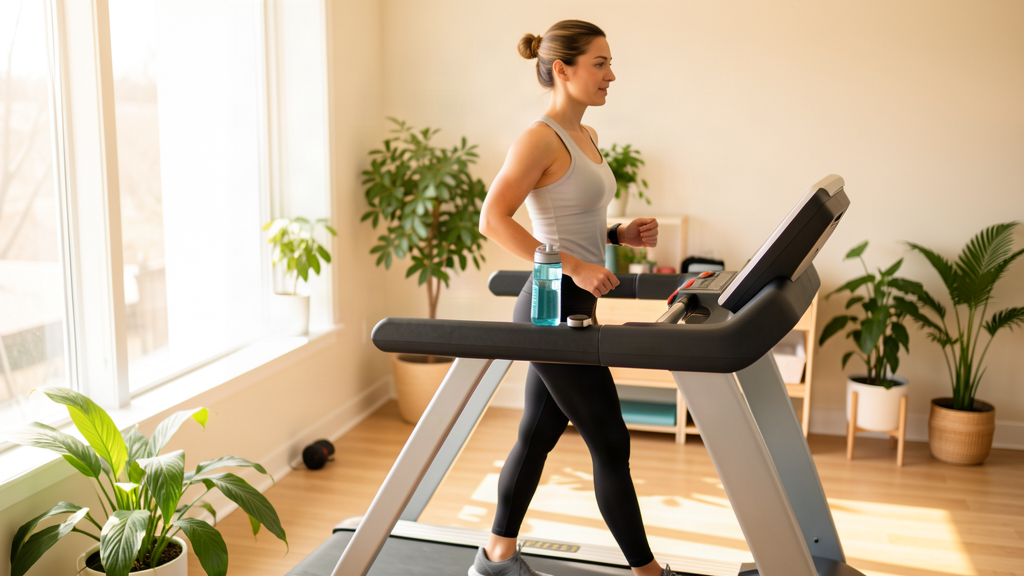
The 12-3-30 workout is a treadmill walk built from three numbers: set the incline to 12%, the speed to 3 miles per hour, and walk for 30 minutes. That’s it. No intervals, no incline changes mid-session, no sprinting, no weights.
The routine was created by lifestyle creator Lauren Giraldo, who posted it on YouTube around 2019 and shared a short version on TikTok about a year later. In her original video, she said she had lost 30 pounds and kept it off for roughly two years by doing the walk about five days a week, without dieting. That’s one person’s anecdote – not proof – but it’s what launched a global trend.
What made 12-3-30 spread so fast is its simplicity. Three button presses and you’re done learning. There’s no class to book, no form to perfect, and no moment where you visibly flail while regulars glance over. For people who find gyms intimidating, that matters more than any calorie figure on a chart.
And it’s harder than it looks. In the first lab study of the routine, one of the participants couldn’t even finish the full 30 minutes at the prescribed settings – a useful reality check before your first session. Three miles per hour is an ordinary walking pace on flat ground; at a 12% grade it feels like climbing a long hill that never flattens out. Most people notice their calves within minutes.
If steep treadmill walks aren’t your style, a lower-intensity walking pad session delivers many of the same fasting-friendly benefits – more on that comparison in Question 7.
Question 2: Does the 12-3-30 Workout Break a Fast?
No – walking on a treadmill does not break a fast. Fasting is about what you consume, not what you burn. A fast is broken by calories entering your system: food, drinks with calories, and in a strict fast even cream in coffee or a splash of milk in tea. Physical activity works in the opposite direction – it increases energy expenditure without providing any fuel.
This confuses people because the 12-3-30 session burns roughly 300 calories in 30 minutes, and “300 calories” sounds like something that should matter to a fast. But those calories come from your body’s stored fuel – glycogen and fat – not from anything you ate. Your fasted state is defined by low insulin and an absence of incoming nutrients; a treadmill walk doesn’t change that. If anything, moderate activity in a fasted state is one of the conditions under which fat oxidation runs highest.
What can interfere with your fasted state during a workout is everything people add around it: pre-workout supplements with fillers, branched-chain amino acids (BCAAs, which are protein and do break a fast), sugary sports drinks, or that “zero calorie” energy drink that turns out to contain enough carbs to bump insulin. Water, black coffee, plain tea, and electrolytes without sugar or calories are all fast-friendly.
The bottom line for Question 2: do the workout, keep the fast, and audit everything you drink during it.
Question 3: Does the 12-3-30 Workout Actually Burn Fat?
For years there was zero peer-reviewed research on this routine – just anecdotes and arguments in comment sections. That changed in 2025, when a team at the University of Nevada, Las Vegas published the first direct lab measurement of the workout in the International Journal of Exercise Science.
Here’s what they found. Sixteen regularly active adults (seven women, nine men, average age around 25) did two lab sessions while wearing masks that measured their oxygen use and carbon dioxide output – the gold standard for estimating calorie burn. One session was the standard 12-3-30. The other was a self-paced run on a flat treadmill that lasted until the runner had burned the same number of calories. Fourteen people completed both sessions.
The results: the 12-3-30 walk used about 308 calories over 30 minutes, or roughly 10 calories per minute. The self-paced runners matched that same energy expenditure in about 24 minutes – faster, but at a much higher intensity that fewer people can sustain. The walk also drew about 41% of its energy from fat, versus 33% for running.
Before you celebrate that fat percentage, context matters. Lower-intensity exercise always burns a higher percentage of fat as fuel – that’s textbook exercise physiology, not a special property of incline walking. Over weeks and months, body-fat change is driven mostly by total energy balance: how much you burn across the whole day and week versus how much you eat. The study authors say this plainly. The honest takeaway: 12-3-30 is a real calorie-burning session, gentler per minute than running, which is exactly why so many people can actually stick with it – and consistency is the variable that transforms any workout into fat loss.
Why does incline do so much work? Earlier biomechanics research by Silder and colleagues found that walking at a 10% grade costs about 113% more energy than walking at the same speed on level ground – more than double. At 12%, the cost is higher still. That’s how an ordinary walking pace becomes a genuine training session.
For fasting practitioners there’s an added synergy worth understanding: our guide to metabolic flexibility and training to burn fat covers why low-to-moderate activity in a fasted state teaches your body to rely on fat as fuel – and why that skill carries over into the hours between meals, not just during the workout itself.
Question 4: Should You Do 12-3-30 Fasted or After Eating?
Both work. The right choice depends on your schedule, your energy, and your goals – not on any rule about which version is “correct.”
The case for doing it fasted. If you train in the morning before your eating window opens (a classic 16:8 pattern), the 12-3-30 is one of the few workouts that translates beautifully to a fasted state. It’s low-to-moderate intensity – exactly the type of exercise that performs well without food. You get the fat-oxidation benefits described above, you’re done and sweating before your day starts, and you don’t need to plan meals around it. Many fasters report that a morning walk blunts morning hunger rather than increasing it.
The case for doing it fed. If your eating window opens at noon and you train at 5 p.m., doing 12-3-30 after a meal gives you more comfortable energy, and the workout becomes a useful metabolic “lid” on your last meal – post-meal walks are one of the most reliable ways to soften the blood-sugar spike from dinner, which is especially relevant for anyone using fasting to manage insulin sensitivity.
Hydration changes when you’re fasted. A steep 30-minute walk makes most people sweat more than they expect, and sweating fasted means losing water and electrolytes without the food-based replacement most people get at meals. Salt, magnesium, and potassium losses can produce the classic “fasting workout wobbles”: lightheadedness, cramping, or a headache that gets blamed on the fast when it’s really dehydration. A sugar-free electrolyte powder mixed into your water covers the gap without breaking your fast – just check the label for hidden sugars or calories.
Warning signs that matter more fasted. If you feel genuinely dizzy, nauseous, or foggy during a fasted session, stop. Sit down, drink water with electrolytes, and consider shortening the workout or moving it inside your eating window. Relative energy deficiency is a real phenomenon, and no trend – no matter how viral – is worth training through those signals.
Question 5: Is the 12-3-30 Workout Zone 2 Cardio?
Sometimes – but it depends on your fitness, your body weight, and your legs, not on the treadmill settings. “Zone 2” is a loose label for steady, moderate effort: hard enough to work, easy enough to keep going and still speak in full sentences. The problem is that a fixed treadmill preset can’t place every body in the same zone. The same 12% incline and 3 mph is a comfortable climb for a regular hiker and a near-maximal effort for someone who’s been mostly sedentary for a year.
Three practical ways to find your actual zone during the session:
- The talk test. If you can speak in full sentences but would rather not sing, you’re in a moderate zone – the sweet spot for Zone 2 benefits. If you can only get out a few words at a time, you’re working hard, and a fasted state will feel harder still.
- Heart rate. Zones only mean something when they’re set against your own measured range. A chest-strap or armband heart rate monitor takes the guesswork out of it – cheaper than most fitness trackers and far more accurate than the optical sensor on a smartwatch during sweaty incline work.
- Where it hurts. If your calves give out long before your breathing does, the session is limited by your legs, not your heart and lungs. That’s common at 12%, and it’s a reason to lower the incline rather than push through.
One more quirk: step-based trackers systematically underrate incline walking. The classic step-per-minute thresholds for moderate intensity (around 100 steps per minute) were built on flat ground. Walking uphill at 3 mph, your cadence may sit near that line while your body is working much harder – the extra effort goes into climbing, not into extra steps. If your watch says the session was “light,” don’t believe it.
Question 6: Is the 12-3-30 Workout Bad for Your Knees, Calves, or Back?
It depends where your weak spot is – and for many people, incline walking is kinder to the knees than flat walking while being considerably tougher on the calves.
Knees. A 2014 study had 15 healthy men walk at exactly 3 mph across grades from 0% to 20%. The peak knee-abduction moment – a measure of load on the inner knee associated with osteoarthritis risk – was lower than on level ground at every grade except 5%. The researchers suggested incline walking as a useful option for people who want gentler exercise for that part of the knee. The caveats: small study, young healthy participants, one movement plane. If you have pain at the front of the knee or behind the kneecap, steep walking can feel worse – let your own knee have the final say.
Calves and Achilles. This is where 12-3-30 shows its teeth. Muscles that push you uphill work dramatically harder: research on steep treadmill walking found calf-muscle activity rising 136–175% compared with level walking, with hip extensors up several hundred percent. The calves pull hard on the Achilles tendon, and the steep angle stretches that tendon with every step. Sore calves, tight Achilles tendons, and heel pain are the classic complaints after a first session. If you have a history of Achilles problems or plantar heel pain, start with a much lower incline. A massage gun or a simple calf roller in the evening after your session speeds up recovery noticeably.
Lower back. Most back complaints on an incline come from posture, not the hill: leaning far forward, hunching over the console, or leaning back while death-gripping the handrails. Walk tall, let your arms swing, and shorten your step if your lower back starts talking.
Handrails – the quiet workout killer. A 2006 lab study compared arms-free walking, light hand placement, and full gripping at the same speed and incline. Gripping the rails cut oxygen consumption by about a fifth (from 26.1 to 20.6 mL/kg/min) and dropped heart rate from 142 to 121 bpm. Even resting your hands lightly reduced the work. If you hold on for the full 30 minutes, you’re doing a meaningfully easier workout than the one the numbers describe. The better fix: lower the incline until you can walk hands-free, then raise it gradually. A 7% walk done unassisted beats a 12% walk hanging off the frame.
Who should scale it down or check with a doctor first: anyone new to exercise or returning after a long break; people with Achilles, calf, heel, or front-of-knee pain; those with balance problems or dizziness; anyone with a heart or lung condition or medication affecting heart rate; and pregnant people who haven’t done this kind of exercise before. Scaling down isn’t failing – a lower incline you can repeat five days a week beats a heroic session you abandon after two.
Question 7: What’s the Best Gear for the 12-3-30 Workout?
The beauty of 12-3-30 is that it needs almost nothing – but the right equipment determines whether you actually keep doing it after week three.
A treadmill that actually reaches 12% incline. This is the non-negotiable. Many budget treadmills and walking pads top out at 6–10% incline, which means they can’t run the workout as written. Look for a machine that reliably hits 12% (or higher, for progression), holds a steady belt speed at that grade, and supports your weight comfortably at an incline. A folding treadmill with incline suits most home setups – check the incline range spec before buying, not just the speed range.
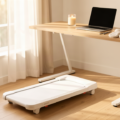
Or: a walking pad for the low-intensity days. Not every session needs to be a maximal incline climb. As we covered in our deep dive on walking pads and fasting, slower, flat walking during your fasting window stacks easy fat-oxidation minutes onto your day without the calf-dominant intensity of 12-3-30. Many experienced fasters alternate: 12-3-30 on three days, gentle walking-pad movement on the others. An under-desk walking pad is the usual pick for fitting steps into a workday.
Supporting cast. A heart rate monitor (Question 5) keeps your intensity honest. Electrolytes without sugar keep fasted sessions safe (Question 4). Decent walking shoes with a flexible forefoot matter more at 12% than on flat ground – the steeper angle asks more of your toes, calves, and Achilles with every step.
Conclusion: The 12-3-30 Workout Is a Legitimate Fasting Companion
Strip away the hype and the haters, and here’s what the evidence says: the 12-3-30 workout is a genuine cardio session that burns roughly 300 calories in half an hour, is gentler on the knees than flat walking for many people, demands real respect from your calves and Achilles, and slots perfectly into a fasted training routine because moderate incline walking doesn’t break a fast. The UNLV lab data gives it something most viral workouts never get: scientific legitimacy.
Your move: start conservatively (lower incline, shorter time, hands-free), hydrate with electrolytes if you’re training fasted, keep the speed at 3 mph, and change only one variable each week. Pair it with your existing fasting schedule – fasted morning sessions for fat-oxidation synergy, or post-meal walks to blunt dinner spikes – and let consistency do what intensity can’t.
Ready to start? Grab a treadmill that truly reaches 12% incline, set your heart rate monitor, and give 12-3-30 three honest weeks. Your calves will have opinions – but your metabolism will thank you.
Frequently Asked Questions
Will 12-3-30 break my fasted state?
No. Exercise burns stored energy; it doesn’t introduce calories. Only food, caloric drinks, cream in coffee, BCAAs, and sugar-containing supplements break a fast. Water, black coffee, plain tea, and zero-calorie electrolytes are all safe during a fasted 12-3-30 session.
Can I do the 12-3-30 workout every day while intermittent fasting?
Most active people tolerate four to five sessions per week comfortably, but daily steep incline walking is a lot of repetitive calf and Achilles load. Alternating hard 12-3-30 days with gentler walking-pad or flat-walk days gives the same weekly calorie burn with far less overuse risk – especially during a fasted eating window when recovery nutrients arrive later.
Should I take electrolytes during a fasted 12-3-30?
If you sweat noticeably, yes. A fasted session means no food-based mineral replacement afterward, and sodium, potassium, and magnesium losses can cause lightheadedness and cramping. Use a zero-sugar electrolyte powder mixed in water, and check the label for hidden calories or carbs that could bump insulin.
12-3-30 vs walking pad: which is better for fasting?
It depends on the goal. The 12-3-30 workout delivers a real cardio stimulus – about 300 calories per session, elevated heart rate, genuine calf and glute work. Walking pads deliver low-intensity movement you can sustain for hours, ideal for stacking fat-oxidation minutes during a fasting window without appetite spikes. Many fasters use both: incline sessions three days a week, easy walking-pad movement on the rest.
Does the 12-3-30 workout build muscle?
Not meaningfully – it’s a cardio endurance session, not resistance training. The incline does engage your glutes, hamstrings, and calves more than flat walking, and you may notice muscle tone there, but serious muscle growth requires progressive loading. If body recomposition is the goal, pair your 12-3-30 sessions with strength training inside your eating window, where protein and total calories can support repair.