

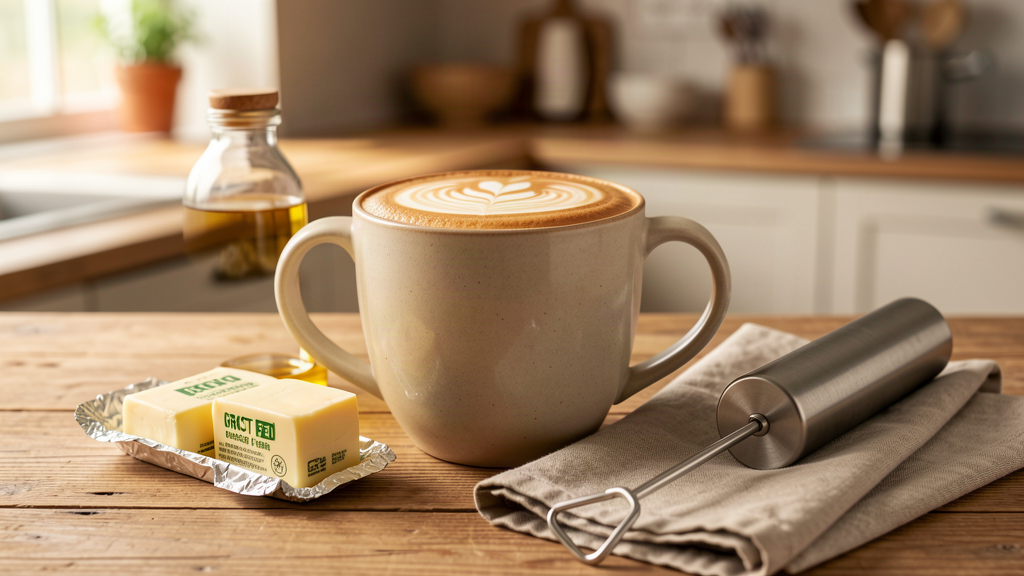
How to Make Keto Coffee for Fasting: The Ultimate Guide
There is a moment in every faster’s life when someone puts a stick of butter into a coffee mug and blends it like a smoothie. It looks wrong. It smells incredible. And for millions of people running intermittent fasting and keto schedules, that mug of keto coffee has become the single most reliable tool for stretching a fasting window past the point where hunger usually wins.
Keto coffee – black coffee blended with grass-fed butter or ghee and a splash of MCT oil – is not a gimmick. Done right, it delivers steady energy for four to six hours, kills mid-morning hunger dead, and keeps you firmly in fat-burning mode. Done wrong, it tastes greasy, upsets your stomach, and quietly adds 400 calories to your day without you noticing.
This guide walks you through the entire process: the exact recipe and ratios, how to choose every ingredient, why the frother matters more than the coffee itself, and the six mistakes that send beginners running back to sugar. As an Amazon Associate, I earn from qualifying purchases – product links below go to Amazon.
What Is Keto Coffee and Why Fasters Love It
Keto coffee is simply brewed coffee blended with two types of fat: a saturated fat from grass-fed butter or ghee, and a medium-chain triglyceride (MCT) oil extracted from coconut oil. There is no milk, no sugar, no syrup. When you blend it for twenty or thirty seconds, the fats emulsify into the coffee and the whole drink turns creamy and latte-like, with a rich body that black coffee never has.
The fasting appeal comes down to insulin. Plain sugar and protein both trigger an insulin response that pulls your body out of fat-burning mode. Pure fat barely moves the needle. That is why a tablespoon of butter in your coffee is treated very differently from a tablespoon of creamer loaded with cane sugar: the butter version keeps insulin low, keeps ketones climbing, and lets the metabolic benefits of your fast continue uninterrupted.
The practical benefits show up fast. Hunger is the number one reason people quit intermittent fasting in the first two weeks, and fat is the most satiating macronutrient there is. A cup of keto coffee at 8 a.m. can comfortably carry you to noon or beyond without the energy crash that comes from a carb-heavy breakfast. Many strict keto eaters also use it as a meal replacement on OMAD schedules – one rich cup in the morning, one real meal at dinner, and no snacking in between.
One important clarification before we start brewing: keto coffee is a tool for time-restricted eating and keto, not for water fasting or prolonged fasts. Any calories at all end a true water fast. We cover exactly where the line sits in the FAQ below, and our complete coffee-and-fasting guide digs deeper into the science.
The Basic Keto Coffee Recipe, Step by Step
What you need: 8 to 12 ounces of freshly brewed strong coffee, 1 tablespoon grass-fed butter or ghee, 1 teaspoon to 1 tablespoon MCT oil, and a handheld frother or blender. Total time: about three minutes.
Step 1 – Brew strong coffee. Use roughly two tablespoons of ground coffee per six ounces of water, a touch stronger than your usual cup. Keto coffee needs a robust base because the fats soften the flavor; a weak brew tastes like oily dishwater. If you grind your own beans, aim for a medium grind that suits your brewer – our coffee grinder guide covers which grind size fits which method. Freshly ground beans genuinely matter here: stale grounds produce the flat, bitter cup that makes people think they hate keto coffee.
Step 2 – Add the fats. Pour the hot coffee into a wide mug or, better, a blender cup. Drop in the butter or ghee first so the heat melts it, then add the MCT oil. Starting amounts: 1 tablespoon of butter plus 1 teaspoon of MCT oil for your first week. Your gut needs time to adapt to MCT oil, and diving straight into a full tablespoon is the fastest way to spend your morning experimenting with bathroom logistics.
Step 3 – Blend until creamy. This is the step everyone underestimates. Blend or froth for a solid 20 to 30 seconds. The drink should turn the color of a latte with a layer of fine foam on top. If you can see oil slicks floating on the surface, you did not blend long enough – and unemulsified fat tastes exactly as greasy as it sounds.
Step 4 – Season and sip. A tiny pinch of sea salt rounds out the flavor and replaces the trace minerals you lose through fasting-related urine output. Some people add a dash of cinnamon or a few drops of vanilla extract. Avoid sweeteners in week one entirely; your palate recalibrates on keto surprisingly fast, and within ten days plain keto coffee tastes rich rather than missing something.
Step 5 – Wait before eating. If you are using keto coffee to extend your fasting window, drink it slowly over 30 to 45 minutes rather than chugging it. The slow fat delivery keeps satiety signals steady, and most people find they genuinely forget about food until lunch.
Choosing Your Ingredients: Coffee, Butter, and MCT Oil
The coffee. Any coffee you genuinely enjoy drinking black will work, but whole beans ground the same morning beat pre-ground every time. Medium roast is the sweet spot for keto coffee: light roasts turn thin and sour under the fat, while dark roasts can taste ashy. A 12-ounce bag of whole bean medium roast coffee lasts about two weeks of daily keto coffee and costs less per cup than the drive-through version.
The butter or ghee. This is not the place to economize. Conventional butter from grain-fed cows has a thinner fat profile and a blander, sometimes waxy taste in coffee. Grass-fed butter – Kerrygold is the reliably available benchmark – brings a richer flavor and a better fatty acid profile. If dairy sits poorly with you, grass-fed ghee is the answer: the milk solids are removed during clarifying, so it is nearly lactose-free and it blends into coffee with a cleaner, nuttier finish. For the full nutritional breakdown of each, our ghee vs grass-fed butter comparison breaks it down side by side.
The MCT oil. Look for oil derived 100% from coconut oil with no palm oil filler, ideally a C8 or C8/C10 blend – these shorter-chain MCTs convert to ketones more efficiently than the C12 found in generic coconut oil. MCT oil for keto coffee is the standard starter bottle; one tablespoon contains about 100 calories and no flavor at all, which is exactly the point. Budget option: cold-pressed coconut oil works in a pinch, though you need roughly twice the volume for the same effect and it leaves a faint coconut taste.
The dairy-free alternative. If butter and ghee are both off the table, a sugar-free sugar-free keto coffee creamer based on coconut or MCT oil gets you most of the way there. Check the label for hidden starches and gums – anything ending in “-dextrin” or “maltodextrin” will spike glucose and defeat the purpose.
The Frother Is Everything: How to Emulsify Keto Coffee
The difference between a keto coffee that drinks like a luxurious latte and one that tastes like a puddle of melted butter comes down to emulsion – fat droplets suspended evenly throughout the water phase of the coffee instead of floating on top. Blending creates that emulsion mechanically; a $12 handheld milk frother does it right in your mug in about 30 seconds.
Technique matters as much as the tool. Angle the frother head just below the surface at first to fold air in, then push it deeper to create a vortex that pulls the fat droplets smaller. You are looking for a uniform caramel color and a head of foam about a centimeter thick. If your kitchen already has a standard blender, blending on high for 20 seconds produces an even silkier result – the tradeoff is a dishwasher cycle instead of a quick rinse.
Expect a small learning curve. The first two or three cups often separate within a few minutes because the emulsion was incomplete – keep frothing longer rather than adding more fat. Once you have made a dozen cups, the whole ritual takes less time than waiting in line for a coffee shop latte, and it costs a fraction of the price.
Common Keto Coffee Mistakes (and How to Fix Them)
Mistake 1: Going full dose on day one. Two tablespoons of MCT oil before your gut has adapted is a recipe for cramps and urgent trips to the bathroom. Start with one teaspoon, give it a week, and increase gradually.
Mistake 2: Using salted or conventional butter. Salted butter skews the flavor, and cheap conventional butter tastes flat under coffee. Grass-fed and unsalted is the standard for a reason.
Mistake 3: Blending too briefly. Stirring with a spoon does not work. Partially blended keto coffee separates into an oily layer that coats your upper lip for the rest of the morning. Froth the full 30 seconds.
Mistake 4: Forgetting the calories. A classic keto coffee made with 2 tablespoons of butter and a tablespoon of MCT oil carries around 350 calories. That is a legitimate breakfast – but if you drink it and eat your normal lunch and dinner, you have added a meal, not replaced one. People chasing weight loss typically get better results treating keto coffee as their morning meal and eating normally afterward.
Mistake 5: Adding sweetener out of habit. Sugar breaks the fast outright, and most flavored “keto” syrups are loaded with maltodextrin. If you genuinely need sweetness, a few drops of liquid stevia is the least disruptive option – but give the unsweetened version ten days first.
Mistake 6: Using it during a water fast. Keto coffee contains real calories and will end a strict water or dry fast. On a 16:8 schedule it is perfectly at home; on a 48- or 72-hour fast it resets the clock. Match the tool to the job.
Frequently Asked Questions
Does keto coffee break a fast?
It depends entirely on which fast you are running. On a 16:8 intermittent fasting schedule, keto coffee is widely considered compatible – the low insulin response from pure fat means fat burning and ketosis continue. On a strict water fast, a 48-hour fast, or anything targeting deep autophagy, any calories break the fast, keto coffee included. our full guide to whether coffee breaks a fast walks through each fasting style in detail.
Can I drink keto coffee every day?
Most healthy adults drink it daily without issue. The main long-term consideration is total calorie and saturated fat intake – if keto coffee sits alongside a full daily diet, the calories add up. Rotate in black coffee a few mornings a week and keep portions consistent.
Will keto coffee help me lose weight?
Indirectly, yes. Its real power is appetite control: people who start the day with keto coffee reliably extend their fasting window and snack less. But it is not a fat-loss hack on its own – eat at a caloric surplus with keto coffee and you will gain regardless of how keto it is.
Is keto coffee okay for women doing intermittent fasting?
Generally yes, and many women find the steady energy preferable to fasted training on an empty stomach. That said, some women are sensitive to extended fasting windows combined with high-fat breakfasts; if you notice disrupted sleep or afternoon energy dips, try a smaller half-batch or switch to black coffee a few days a week.
Can I add collagen to my keto coffee?
You can, and it is a popular upgrade for hair, skin, and joints. Note that collagen is a protein and does trigger a mild insulin response, so it moves keto coffee from “fasting-compatible” toward “mini-meal” territory. On a 16:8 schedule that is usually fine; during stricter fasts, leave it out.
The Bottom Line
Keto coffee earns its place in the fasting toolkit because it solves the actual problem – hunger and energy dips in the morning – without wrecking the metabolic state you are fasting to reach. Brew it strong, use real grass-fed fat, start slow with the MCT oil, and froth it properly. Three minutes of prep buys you a rock-solid fasting window that runs all the way to lunch.
Grab a handheld frother, a bottle of MCT oil, and a bag of grass-fed ghee using the links above, and give it a week. Your hunger signals – and your afternoon energy – will tell you everything you need to know.
Related posts:
 Does Coffee Break Your Fast? The Complete Science-Backed Guide for 2026
 How to Choose the Best Coffee Grinder for Fasting in 2026
 Does Coffee Break a Fast? The Complete FAQ Guide (2026)
 How to Make Cold Brew Coffee for Fasting
 Transform Your Health: The Ultimate Guide to Intermittent Fasting for Those Over 50