
Ghee vs Grass-Fed Butter: Best for Fasting and Keto 2026
If you are deep into intermittent fasting or following a ketogenic diet, you already know that dietary fat is not the enemy. It is fuel. But not all fats are created equal, and the debate between ghee and grass-fed butter has become one of the most common questions in fasting and keto circles. Which one keeps insulin lower? Which one tastes better in bulletproof coffee? And which one is actually worth the premium price tag?
This guide breaks down the nutritional differences, fasting compatibility, cooking performance, and real-world value of ghee versus grass-fed butter so you can pick the right fat for your routine in 2026.
What Is Ghee and How Is It Made?
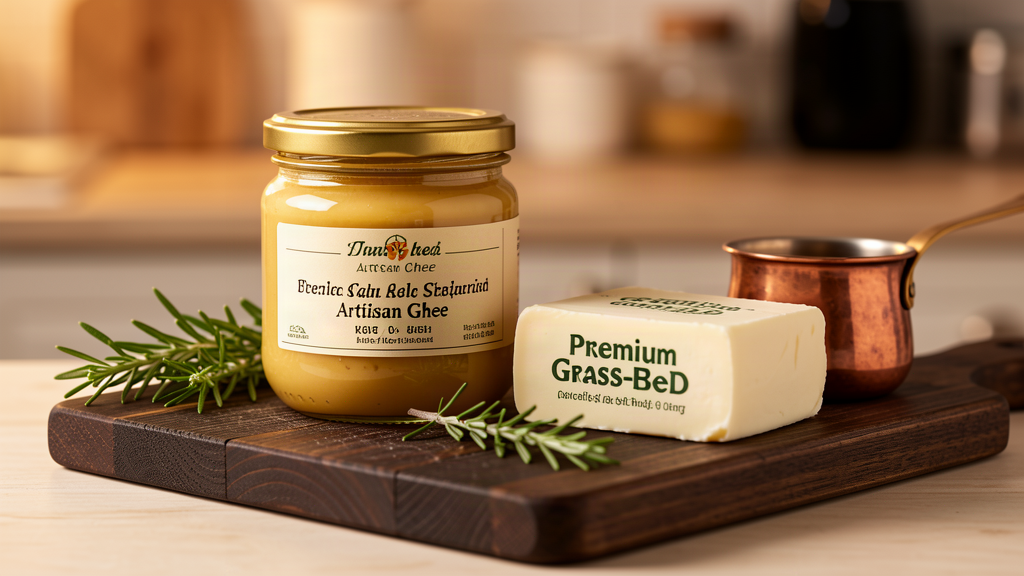
Ghee is clarified butter taken one step further. Regular butter is made from cream churned from milk. When you heat butter slowly, the water evaporates and the milk solids separate. In clarified butter, you strain those solids out. Ghee goes further: you continue simmering until the milk solids toast slightly, creating a deeper, nuttier flavor before straining. The result is a pure butterfat with almost all lactose and casein removed.
This process gives ghee a significantly higher smoke point than regular butter. While butter burns at around 350 degrees Fahrenheit, ghee can handle temperatures up to 485 degrees. That makes it far more versatile for high-heat cooking like searing steaks, roasting vegetables at high temperatures, or stir-frying without the fat breaking down and producing harmful compounds.
Ghee also has a much longer shelf life than butter. Because the milk solids (which cause spoilage) are removed, ghee can sit at room temperature for weeks and in the refrigerator for months without going rancid. For meal preppers and fasting practitioners who batch-cook during their eating windows, this shelf stability is a genuine practical advantage.
What Is Grass-Fed Butter and Why Does It Matter?
Grass-fed butter comes from cows that eat primarily pasture grass rather than grain in feedlots. The diet of the cow directly affects the nutritional profile of the butter. Grass-fed butter contains higher levels of omega-3 fatty acids, conjugated linoleic acid (CLA), and fat-soluble vitamins like vitamin K2 and beta-carotene compared to conventional grain-fed butter.
CLA has attracted significant attention in the fasting and keto communities because research suggests it may support fat metabolism and help reduce body fat. A 2022 meta-analysis published in Nutrition & Metabolism found that CLA supplementation was associated with modest reductions in body fat percentage, though the effect was more pronounced in overweight individuals. Grass-fed butter contains two to three times more CLA than grain-fed butter.
Vitamin K2 is another differentiator. K2 works synergistically with vitamin D to direct calcium into bones and teeth rather than soft tissues. For fasting practitioners who supplement with vitamin D, choosing grass-fed butter or ghee from grass-fed cows ensures you are also getting the K2 your body needs to use that vitamin D effectively.
The downside of grass-fed butter is that it still contains milk solids, which means it has trace amounts of lactose and casein. For most people this is not an issue, but those with significant dairy sensitivities may find that ghee is better tolerated.
Nutritional Comparison: Ghee vs Grass-Fed Butter
Both ghee and grass-fed butter are high-fat, low-carb foods that fit cleanly into ketogenic and fasting protocols. Here is how they compare nutritionally per tablespoon:
Ghee (per tablespoon): approximately 112 calories, 12.7 grams of fat, 7.9 grams of saturated fat, 0 grams of carbs, 0 grams of protein, 0 grams of lactose.
Grass-Fed Butter (per tablespoon): approximately 102 calories, 11.5 grams of fat, 7.3 grams of saturated fat, 0 grams of carbs, 0.1 grams of protein, trace lactose (less than 1 gram).
The caloric difference is minimal. Ghee is slightly more calorie-dense because it is pure fat with no water content, while butter retains about 15 to 20 percent water. In practical terms, one tablespoon of ghee delivers roughly the same fat as 1.1 tablespoons of butter.
The micronutrient profile tells a more interesting story. Grass-fed butter edges ahead on CLA, vitamin K2, and omega-3 content because it retains the full spectrum of fat-soluble compounds naturally present in dairy. Ghee loses some of these during the clarification process, though grass-fed ghee preserves more than conventional ghee. If micronutrient density is your priority, grass-fed butter has a slight advantage.
Does Ghee or Butter Break a Fast?
This is the question that matters most for intermittent fasters. The short answer: both ghee and butter contain calories and will technically break a strict water fast. But the context matters enormously.
For a strict 24-hour or multi-day water fast designed to maximize autophagy, any caloric intake will partially interrupt the process. However, for the more common 16:8 or 18:6 intermittent fasting schedules, the question is whether fats like ghee or butter cause a significant insulin spike that would pull you out of fat-burning mode.
Research consistently shows that pure fats do not trigger a meaningful insulin response. A study published in the American Journal of Clinical Nutrition found that dietary fat alone produces virtually no insulin increase. This is why bulletproof coffee, which combines black coffee with butter or ghee and often MCT oil, remains popular among intermittent fasters. The fat provides sustained energy and satiety without spiking blood sugar or insulin.
Ghee has a slight edge here for the most sensitive fasters. Because it contains zero milk solids and therefore zero lactose or casein, it is the purest form of fat you can add to your coffee. Some fasting purists argue that even the trace proteins in butter can trigger a minimal insulin response, though this effect is negligible for most people doing standard intermittent fasting.
For those practicing longer fasts (36 to 72 hours) where autophagy is the primary goal, many practitioners add a small amount of ghee to bone broth during the refeeding phase. The high smoke point and clean flavor make it easy to incorporate, and the zero-lactose profile means it is gentle on a digestive system that has been resting.
Cooking Performance: Which Fat Wins in the Kitchen?
This is where ghee pulls decisively ahead. The smoke point difference is not subtle. Butter starts to brown and smoke at 350 degrees Fahrenheit, which is fine for gentle sautéing and baking but problematic for anything requiring high heat. Ghee handles 485 degrees without breaking down, making it the superior choice for searing proteins, high-heat roasting, and stir-frying.
For keto meal prep, this matters more than you might think. Many keto-friendly cooking methods like pan-searing steak, roasting cauliflower at high temperature, or making crispy chicken skin require temperatures that push butter to its limits. Ghee handles these effortlessly without producing the acrid flavor or potentially harmful compounds that come from burned butter.
Flavor is more subjective. Butter has a familiar, creamy, slightly sweet taste that most people grew up with. Ghee has a deeper, nuttier, more complex flavor profile, especially when made from grass-fed or cultured butter. Some people describe high-quality ghee as tasting like liquid gold with hints of caramel. Others prefer the straightforward comfort of butter. Neither is wrong.
For bulletproof coffee specifically, both work well. Butter creates a creamier, more latte-like texture. Ghee creates a cleaner, slightly more aromatic cup. Many fasting practitioners prefer ghee because the higher fat concentration means you need less to get the same frothy result.
Best Ghee and Grass-Fed Butter Products for Fasting and Keto 2026
After researching dozens of brands, here are the top picks for fasting and keto practitioners in 2026:
Fourth and Heart Original Grass-Fed Ghee
This is the best all-around ghee for most fasting and keto practitioners. Sourced from New Zealand grass-fed dairy, it holds both USDA Organic and Non-GMO Project certification. The flavor is clean and mildly nutty, making it versatile enough for everything from bulletproof coffee to high-heat searing. It is widely available at Whole Foods, Target, Costco, and Amazon, so you will never struggle to find it. At mid-range pricing with large jar options, the per-ounce cost is competitive. For anyone new to ghee or looking for a reliable daily cooking fat, Fourth and Heart is the starting point. Check latest price on Amazon
Ancient Organics Grass-Fed Ghee
If you want the most authentic Ayurvedic-style ghee, Ancient Organics is in a class of its own. This family-owned California brand uses a slow-simmering process from cultured, grass-fed biodynamic butter that follows classical Ayurvedic preparation. The flavor is notably richer and more complex than commodity brands, with a deeper, slightly tangy nuttiness from the culturing process. The biodynamic sourcing exceeds even USDA Organic standards for animal welfare and soil management. The premium price makes this more of a special-occasion or therapeutic ghee than an everyday cooking fat, but for Ayurvedic practitioners and flavor enthusiasts, it has no serious competition. Check latest price on Amazon
Kerrygold Pure Irish Butter
Kerrygold remains the gold standard for grass-fed butter in the keto community, and for good reason. Made from the milk of Irish grass-fed cows, it contains higher levels of CLA and omega-3s than conventional butter. The rich, golden color signals high beta-carotene content. For bulletproof coffee, Kerrygold creates an exceptionally creamy, luxurious texture. The flavor is slightly tangy and complex, noticeably superior to standard supermarket butter. The main limitation is that Kerrygold still contains milk solids, so it will burn at lower temperatures than ghee and is not ideal for high-heat cooking. For coffee, baking, and low-to-medium heat cooking, it is excellent. Check latest price on Amazon
Tin Star Foods Grass-Fed Ghee
Tin Star is the pick for keto and paleo cooks who want a ghee with genuinely distinctive brown-butter flavor. This brand has built a following among bulletproof coffee enthusiasts because the rich, toasted flavor stands up beautifully even when blended with strong dark roast coffee. It is made from grass-fed, pasture-raised cows and has a deeper, more caramelized taste than Fourth and Heart. If you find most ghee brands too neutral and want something with real personality, Tin Star delivers. Check latest price on Amazon
How It Fits Your Fasting Schedule
Choosing between ghee and butter is not just about nutrition or flavor. It is about how each fat fits into your specific fasting routine.
16:8 Intermittent Fasting: Both ghee and butter work well in your eating window for cooking. For bulletproof coffee during the fasting window, ghee is the cleaner choice due to zero lactose and casein. Many 16:8 fasters report better sustained energy and fewer cravings with ghee-based coffee compared to butter-based coffee.
OMAD (One Meal a Day): OMAD practitioners need maximum nutrient density in a single meal. Grass-fed butter delivers more CLA, K2, and omega-3s per tablespoon, making it slightly better for nutrient loading. However, if you are also cooking at high heat during your one meal, ghee is more practical.
Extended Fasts (36 to 72 hours): For longer fasts where autophagy is the goal, pure ghee is the preferred fat for refeeding. Its zero-lactose profile is gentler on the gut, and its higher fat concentration means a smaller amount provides more energy. Many extended fasting protocols recommend starting refeeding with bone broth that contains a tablespoon of ghee.
Keto Meal Prep: If you batch-cook during your eating window, ghee is the practical winner. Its high smoke point handles any cooking method, and its shelf stability means you can keep a jar on the counter for weeks without refrigeration. Prep a large batch of ghee-cooked proteins and roasted vegetables on Sunday, and you have keto meals ready all week.
FAQ
Can I use ghee and butter interchangeably in recipes?
Almost always, yes. Ghee can replace butter in any recipe at a 1:1 ratio. The main differences are flavor (ghee is nuttier and more aromatic) and moisture content (ghee is drier since water has been removed). In baking, this can make ghee-based goods slightly denser. For cooking, sauteing, and bulletproof coffee, the swap is seamless.
Is ghee better for lactose intolerance than butter?
Yes. The clarification process removes virtually all lactose and casein from ghee, making it tolerable for most people with lactose intolerance or mild dairy sensitivity. Grass-fed butter retains trace amounts of lactose, which may be fine for mild sensitivities but could cause issues for those with significant dairy intolerance.
How should I store ghee and grass-fed butter?
Grass-fed butter should be refrigerated and used within a few weeks of opening. Ghee is far more shelf-stable due to the absence of milk solids. Unopened ghee can be stored at room temperature for several months. Once opened, keep it in a cool, dry place or refrigerate for maximum longevity. Many fasting practitioners keep a jar on the counter for daily bulletproof coffee use.
Does grass-fed ghee have more health benefits than regular ghee?
Grass-fed ghee retains more of the beneficial compounds found in grass-fed dairy, including CLA, vitamin K2, and omega-3 fatty acids. The difference is not dramatic compared to grass-fed butter, but if you are choosing ghee, opting for grass-fed sources ensures you get the maximum micronutrient benefit alongside the practical advantages of clarified butter.
Which is better for bulletproof coffee during a fast?
Ghee is the preferred choice for most fasting practitioners. Its zero-lactose, zero-casein profile means it is pure fat with no compounds that could trigger an insulin response. It also creates a cleaner, less heavy-tasting cup. However, many people enjoy the creamier, more latte-like texture that grass-fed butter provides. Experiment with both and see which one keeps you satisfied longer during your fasting window.
As an Amazon Associate, I earn from qualifying purchases.