
Disclosure: As an Amazon Associate, I earn from qualifying purchases. This article contains affiliate links. All recommendations are based on independent research and personal experience.
At 3 AM on day five of my first extended fast, I looked in the mirror and noticed something unexpected. The persistent redness along my cheeks — the kind that no moisturizer had ever fully calmed — was visibly faded. My skin looked clearer than it had in years. Was this autophagy at work, or just dehydration playing tricks on me?
That question sent me down a months-long rabbit hole into the science of autophagy and skin health. The fasting community is full of dramatic skin transformation stories — people claiming fasting cleared their acne, reduced wrinkles, and gave them “glass skin.” But what does the actual science say? Can fasting and the cellular cleanup process of autophagy genuinely reverse skin aging, or are we all just seeing what we want to see?
In this deep dive, we’ll separate the hype from the evidence. We’ll look at what autophagy actually does to skin cells, review the clinical research, examine what real fasters report, and give you practical strategies to maximize skin benefits from your fasting protocol. Whether you’re doing 16/8 or considering a longer fast, this guide covers everything you need to know about autophagy and skin health.
What Is Autophagy and Why Does It Matter for Skin?
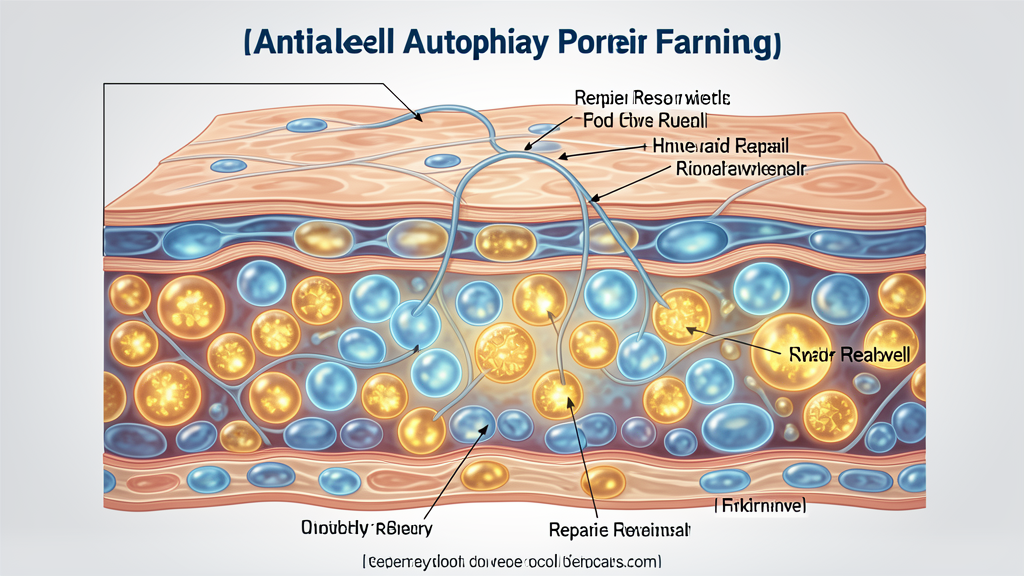
Autophagy — from the Greek words for “self-eating” — is your body’s cellular recycling program. Discovered by Yoshinori Ohsumi, who won the 2016 Nobel Prize in Physiology or Medicine for his work, autophagy is the process by which cells break down damaged, dysfunctional, or unnecessary components and reuse them for energy and building blocks.
Think of it like a housekeeping service for your cells. Every day, your skin cells accumulate damage from UV radiation, pollution, oxidative stress, and normal metabolic processes. Without autophagy, this damaged cellular machinery piles up — misfolded proteins, damaged mitochondria, and dysfunctional organelles cluttering the cellular space. Over time, this cellular junk contributes to the visible signs of aging: wrinkles, loss of elasticity, dullness, and uneven skin tone.
Autophagy is triggered primarily by two conditions:
- Nutrient deprivation (fasting): When glucose and amino acid levels drop, cells shift from growth mode to maintenance mode. mTOR (mechanistic target of rapamycin) — the nutrient-sensing pathway that promotes cell growth — is suppressed, while AMPK (AMP-activated protein kinase) is activated. This metabolic switch initiates autophagy.
- Cellular stress: Oxidative stress, heat exposure (sauna), intense exercise, and certain compounds (like spermidine and resveratrol) can also trigger autophagy through related pathways.
For skin specifically, autophagy plays several critical roles:
- Removes damaged collagen: Broken-down collagen fragments are recycled, making way for fresh collagen synthesis.
- Clears damaged mitochondria (mitophagy): Dysfunctional mitochondria produce excess reactive oxygen species (ROS) that accelerate skin aging. Removing them reduces oxidative damage.
- Reduces inflammation: Autophagy regulates inflammatory pathways, which may help with conditions like rosacea, acne, and eczema.
- Recycles melanin: Some research suggests autophagy helps break down excess melanin deposits, potentially reducing dark spots and hyperpigmentation.
What the Science Actually Says (Honest Assessment)
Here’s where we need to be brutally honest. The fasting community often presents autophagy as a proven, well-understood process that directly translates to skin benefits. The reality is more nuanced.
What We Know from Animal Studies
The majority of autophagy research has been conducted in mice, yeast, and cell cultures — not humans. Key findings include:
- Mice studies show clear skin benefits: A 2020 study in Nature Communications demonstrated that caloric restriction enhanced autophagy in mouse skin, leading to improved epidermal stem cell function and reduced signs of aging. Mice on caloric restriction showed thicker dermis, better collagen organization, and increased skin hydration.
- Autophagy decline correlates with skin aging: Multiple studies confirm that autophagy activity decreases with age in skin cells. Restoring autophagy (through genetic manipulation or caloric restriction in mice) reverses some age-related skin changes.
- Rapamycin (mTOR inhibitor) improves skin in mice: Rapamycin, which mimics some effects of fasting by suppressing mTOR, has shown remarkable anti-aging effects in mouse skin — reducing wrinkles, improving thickness, and enhancing wound healing.
What We Know from Human Studies
This is where it gets complicated. As a widely-shared Reddit post reminded the r/intermittentfasting community: “There are no direct studies in humans proving fasting triggers autophagy.” That post received nearly 600 upvotes because it challenged a deeply held belief in the fasting community.
Here’s what the human evidence actually shows:
- Fasting reduces biomarkers of aging: Human studies show that fasting (both intermittent and extended) reduces markers of oxidative stress, inflammation (CRP, IL-6), and insulin resistance — all of which contribute to skin aging. These are indirect but meaningful benefits.
- Caloric restriction improves skin in humans: A landmark 2008 study in BMC Medicine showed that two years of moderate caloric restriction (about 25% reduction) significantly improved skin aging in humans, with reduced wrinkles, better elasticity, and improved skin tone.
- We can’t directly measure autophagy in living human skin (without biopsy). This is the fundamental challenge. Scientists can measure autophagy markers in blood cells or muscle tissue, but confirming it’s happening in your facial skin during a fast requires tissue samples.
- Intermittent fasting (16:8, 20:4) likely triggers less autophagy than extended fasts — most researchers estimate meaningful autophagy begins around 24-48 hours of fasting, though recent research suggests shorter fasts may activate it in certain tissues.
The honest conclusion? Fasting almost certainly benefits skin health through multiple mechanisms — reduced inflammation, improved insulin sensitivity, lower oxidative stress, and likely some degree of autophagy. But the precise contribution of autophagy versus these other mechanisms remains unclear in humans.
What Real Fasters Report About Skin Changes
While we wait for more definitive human research, the fasting community provides a rich source of real-world observations. Here’s what people consistently report — and the patterns are striking.
Extended Fasts (3+ Days)
The most dramatic skin transformation reports come from extended fasts. On Reddit’s r/fasting, a post titled “Face changes after a 20 day water fast” received over 3,700 upvotes. The poster reported: “Skin cleared up” alongside weight loss. Another user who completed a 42-day fast noted significant skin improvements alongside 160 pounds lost.
Dr. Pradip Jamnadas — a cardiologist whose fasting lectures have been viewed millions of times — has specifically discussed how extended water fasting addresses loose skin. His explanation: autophagy breaks down damaged skin proteins while the body simultaneously rebuilds new collagen and elastin during refeeding. This may explain why some people who lose massive amounts of weight through fasting report less loose skin than expected.
Intermittent Fasting (16:8 to 20:4)
Skin benefits from IF are subtler but still reported frequently. Common observations include:
- Reduced facial bloating — often within the first week, likely from reduced inflammation and water retention
- Clearer skin — especially among people who previously had regular acne, often within 2-4 weeks
- Improved skin “glow” — attributed to better hydration habits (fasters tend to drink more water) and reduced insulin-driven oil production
- Fading of dark spots — slower to appear, typically after 2-3 months of consistent IF
One Reddit user who lost over 140 pounds reported achieving “glass skin basically” through fasting, alongside improvements in ADHD symptoms and prediabetes reversal. While individual results vary enormously, the consistency of skin improvement reports across thousands of fasters is hard to dismiss entirely.
What Doesn’t Work
It’s equally important to note what people report not working:
- Short fasts (under 16 hours) rarely produce noticeable skin changes
- Dirty fasting (consuming calories during the fasted state) likely reduces or eliminates autophagy benefits
- Fasting without adequate protein during eating windows can actually worsen skin by depriving the body of collagen-building amino acids
- Expecting miracles overnight — most skin improvements require weeks to months of consistency
How to Maximize Autophagy and Skin Benefits from Fasting
Based on the science and community experience, here are practical strategies to optimize your fasting protocol for skin health:
1. Extend Your Fasting Window Gradually
If you’re currently doing 16:8, try pushing to 18:6 or 20:4 after a few weeks. For the most significant autophagy-driven skin benefits, consider incorporating a 24-36 hour fast once or twice per month. Research suggests autophagy increases significantly after 24 hours, with peak activity around 48-72 hours.
A quality zero-calorie electrolyte mix can help you extend fasting windows comfortably by preventing the headaches and fatigue that often cause people to break their fast early.
2. Prioritize Skin-Supporting Nutrition During Eating Windows
Autophagy breaks down damaged components — but your body needs raw materials to rebuild. During your eating window, focus on:
- Collagen-rich foods: Bone broth, slow-cooked meats, and skin-on fish provide the amino acids (glycine, proline) that your skin needs to rebuild collagen
- Vitamin C: Essential for collagen synthesis. Load up on bell peppers, citrus, and berries
- Zinc: Critical for skin repair and wound healing. Found in oysters, pumpkin seeds, and red meat
- Omega-3 fatty acids: Reduce inflammation and support skin barrier function. Wild-caught salmon, sardines, and walnuts are excellent sources
A high-quality collagen peptides supplement can also help — studies show oral collagen supplementation improves skin elasticity and hydration within 8-12 weeks.
3. Support Autophagy with Complementary Practices
Several non-fasting practices can enhance autophagy and amplify skin benefits:
- Cold exposure: Cold showers or cold plunges activate AMPK and may enhance autophagy. Many fasters report combining cold exposure with fasting for enhanced skin clarity
- Sauna: Heat stress activates heat shock proteins that work alongside autophagy to clear damaged proteins. A quality infrared sauna blanket makes this accessible at home
- Exercise: Fasted exercise (walking, light resistance training) enhances AMPK activation and may boost autophagy
- Sleep: Growth hormone peaks during deep sleep and supports collagen synthesis. Prioritize 7-9 hours
4. Protect Your Skin While Fasting
During fasting, your skin can become temporarily more sensitive:
- SPF is non-negotiable — fasting can temporarily thin the skin’s protective barrier
- Hydrate aggressively — dehydration makes fine lines and wrinkles more visible. Aim for at least 2-3 liters of water daily
- Use a gentle, hydrating moisturizer — avoid harsh exfoliants during extended fasts when your skin barrier may be compromised
5. Be Patient and Consistent
The most important strategy is consistency. Autophagy and skin renewal are slow processes. Most people who report significant skin improvements from fasting have been practicing for 3+ months. Expect to notice subtle changes (reduced bloating, less redness) within weeks, but significant improvements (reduced wrinkles, improved elasticity, faded dark spots) take months.
The Bottom Line: Can Fasting Reverse Skin Aging?
The science of autophagy and skin is promising but incomplete. Here’s the honest summary:
What we can say with confidence: Fasting reduces inflammation, lowers oxidative stress, improves insulin sensitivity, and promotes cellular repair through autophagy-related pathways. All of these mechanisms benefit skin health. Animal studies consistently show that caloric restriction and fasting improve skin aging markers. Human studies confirm that caloric restriction improves skin quality over time.
What we can’t say yet: We can’t quantify exactly how much of fasting’s skin benefit comes from autophagy versus other mechanisms. We don’t have definitive human studies showing that specific fasting protocols (16:8, 24h, 48h) trigger measurable autophagy in human facial skin. And individual results vary enormously based on age, genetics, diet quality, and fasting protocol.
Our recommendation: Approach fasting for skin health as a long-term strategy, not a quick fix. Combine consistent fasting with skin-supporting nutrition, adequate hydration, sun protection, and complementary practices like exercise and quality sleep. The evidence — both scientific and anecdotal — suggests that this combination can meaningfully improve skin health over months to years.
If you’re looking to support your skin during your fasting journey, consider adding a collagen and vitamin C supplement to your eating window. The combination of fasting-driven autophagy (clearing damaged proteins) and targeted nutrition (providing building blocks for new collagen) may be more effective than either approach alone.
As an Amazon Associate, I earn from qualifying purchases.
Frequently Asked Questions
How long do you need to fast for autophagy to improve skin?
While exact timing varies by individual, most researchers estimate that meaningful autophagy activation begins around 16-24 hours of fasting, with peak activity occurring at 48-72 hours. For intermittent fasting (16:8), you may get mild autophagy benefits, but the skin improvements you notice are more likely from reduced inflammation and better hydration habits. For more significant autophagy-driven skin benefits, consider incorporating a 24-36 hour fast once or twice per month.
Does intermittent fasting cause wrinkles or aging?
No — there is no evidence that intermittent fasting accelerates skin aging. In fact, the opposite appears to be true. IF reduces insulin and IGF-1 (insulin-like growth factor 1), both of which can accelerate aging when chronically elevated. IF also reduces oxidative stress and inflammation, two major drivers of skin aging. Some people initially notice drier skin during IF, but this is typically a hydration issue that resolves with adequate water intake.
Can autophagy remove damaged skin cells and dark spots?
Laboratory studies suggest autophagy can help break down excess melanin in cells, which could theoretically reduce dark spots and hyperpigmentation. In practice, people who fast regularly often report gradual fading of dark spots over 3-6 months. However, this is likely a combination of autophagy, reduced inflammation, improved circulation, and better nutrition during eating windows — not autophagy alone.
What supplements support autophagy and skin health during fasting?
Several supplements may complement fasting for skin benefits: collagen peptides (provide building blocks for new skin), vitamin C (essential for collagen synthesis), zinc (supports skin repair), and omega-3 fatty acids (reduce inflammation). During your eating window, a high-quality multivitamin can fill nutritional gaps. Avoid supplements during fasting windows (except electrolytes and zero-calorie options), as they may trigger insulin responses that inhibit autophagy.
Is there a difference between fasting autophagy and exercise autophagy for skin?
Both fasting and exercise activate autophagy, but through slightly different pathways. Fasting primarily activates autophagy through mTOR suppression and AMPK activation, while exercise activates it through energy depletion and cellular stress signals. The good news: combining fasted exercise (walking, light resistance training) may produce a synergistic effect, activating autophagy more strongly than either alone. Many fasters report the best skin results when they combine regular fasting with consistent exercise.
Related posts:
 Fasting And Aging: How It Can Slow Down The Aging Process
 Does Autophagy Really Tighten Loose Skin After Weight Loss? FAQ for Fasters
 How Long Until Autophagy Starts During Fasting? The Complete 2026 Guide
 Best Autophagy Supplements for Fasters in 2026: Top 5 Science-Backed Picks
 Best Spermidine Supplements for Fasting and Autophagy in 2026: Expert Review