
Why Breaking a 72-Hour Fast Is Different From a Regular Fast
Completing a 72-hour fast is a serious achievement. You’ve pushed your body through three full days without food, triggering deep autophagy, significant ketone production, and a metabolic reset that shorter fasts simply can’t match. But here’s the part most people overlook: how you break that fast matters just as much as the fast itself.
Ref too quickly, and you risk digestive distress, blood sugar spikes, and even the potentially dangerous refeeding syndrome that medical literature warns about. Ref too slowly, and you might miss out on the muscle recovery and nutritional replenishment your body desperately needs.
After studying hundreds of Reddit reports from r/fasting, medical literature on refeeding protocols, and product reviews from real fasters, I’ve put together a step-by-step guide to breaking your 72-hour fast safely — with specific product recommendations that actually work. This isn’t generic “eat some soup” advice. This is the exact protocol that experienced extended fasters use.
Related reading: How to Break a Fast Properly · Best Electrolyte Supplements · Bone Broth for Breaking Fasts
As an Amazon Associate, I earn from qualifying purchases.
The Science Behind Refeeding After 72 Hours
Understanding what happens inside your body when you break a 72-hour fast is essential for doing it safely. After three days without food, several critical changes have occurred:
Insulin Sensitivity Is Sky-High
Your pancreas has been dormant for 72 hours. When food finally arrives, your body will produce a much larger insulin response than usual. A banana that would normally cause a modest blood sugar bump can trigger a significant spike when your system is this insulin-sensitive. This is why breaking slowly isn’t just a suggestion — it’s a physiological necessity.
Gut Enzymes Have Downregulated
Your digestive system has essentially gone into maintenance mode. Gastric acid production, bile release, and pancreatic enzyme secretion all decrease during extended fasting. If you slam a large meal, your underprepared gut will struggle to break it down efficiently, leading to bloating, cramping, and nausea.
Electrolyte Stores Are Depleted
Three days without food means significant losses in sodium, potassium, and magnesium — especially if you’ve been drinking plain water without supplementation. This is the root cause of refeeding syndrome, a potentially life-threatening condition where rapid reintroduction of carbohydrates causes dangerous shifts in electrolyte balance. Having quality electrolyte supplements on hand before you break your fast is non-negotiable.
Autophagy Is Still Active
Research suggests autophagy peaks around 48-72 hours and continues to operate at elevated levels for a period after refeeding begins. Eating the wrong foods too quickly can prematurely shut down this cellular cleanup process. Low-glycemic, nutrient-dense foods help sustain autophagy longer.
The 4-Phase Refeeding Protocol
Don’t just “eat something.” Follow this structured refeeding protocol that experienced fasters on Reddit consistently recommend. Each phase has a specific purpose and timeframe.
Phase 1: The Warm-Up (First 30 Minutes)
Start with bone broth or electrolyte water. This is your gut’s wake-up call — gentle, warm, and packed with minerals. The goal is to stimulate digestive enzyme production without overwhelming your system.
- 4-6 oz warm bone broth — sip slowly over 10-15 minutes
- Electrolyte drink — supplement with sodium, potassium, and magnesium
- Avoid anything cold, carbonated, or high in sugar
I recommend Kettle & Fire Chicken Bone Broth — it’s slow-simmered for 16+ hours, high in collagen, and has a clean ingredient list. For a budget option, Swanson Chicken Bone Broth works fine and is available at most grocery stores.
Phase 2: The First Meal (30-60 Minutes After Phase 1)
Your first real food should be small, low-glycemic, and easy to digest. Think of this as a test run for your digestive system. Aim for 150-250 calories maximum.
Best first foods after a 72-hour fast:
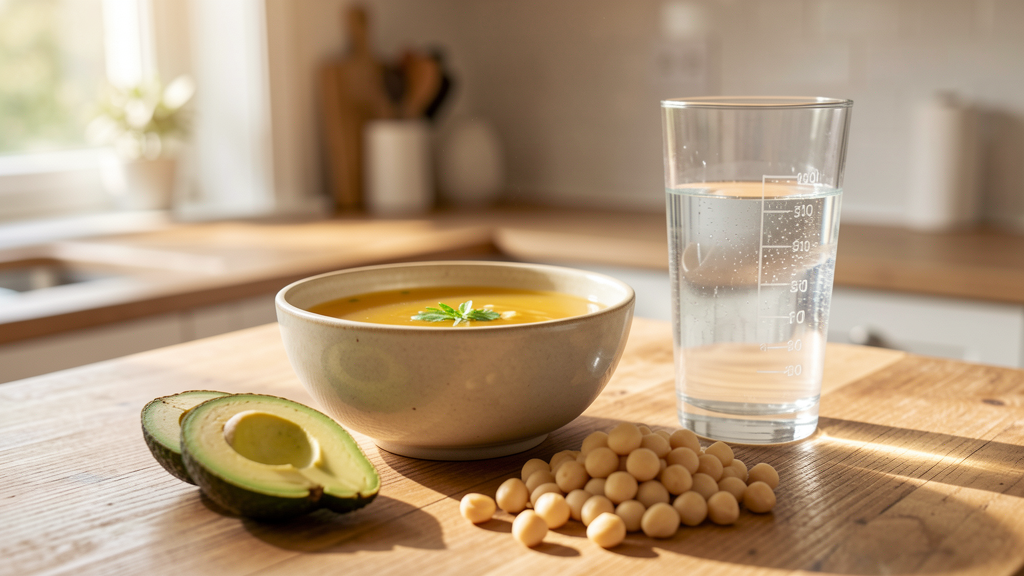
- Half an avocado with a pinch of sea salt
- A small handful of macadamia nuts (10-15 nuts)
- A few bites of steamed vegetables with butter
- One or two olives
- A small cup of plain, full-fat yogurt
Avoid these foods for at least 4-6 hours:
- Refined carbohydrates (bread, pasta, rice)
- Sugary foods or fruit juice
- Large amounts of protein (steak, chicken breast)
- Dairy-heavy meals (large cheese servings, ice cream)
- Spicy or heavily seasoned foods
Having a quality small food scale can help you stick to portion guidelines during refeeding. It sounds excessive, but when your hunger signals are screaming after 72 hours, portion control becomes surprisingly difficult.
Phase 3: The Second Meal (2-3 Hours After Phase 2)
If Phase 2 went well — no bloating, no cramping, no nausea — you can move to a slightly larger meal. This is where you start reintroducing protein and complex carbohydrates in moderate amounts.
Ideal second meal options:
- A small piece of wild-caught salmon (3-4 oz) with steamed broccoli
- A two-egg omelet with spinach and avocado
- A small serving of bone broth soup with vegetables and shredded chicken
- A handful of berries with a tablespoon of almond butter
The key here is protein moderation. After 72 hours, your kidneys need time to ramp up their waste-processing capacity. Slamming 40 grams of protein in one sitting can stress your kidneys unnecessarily. Start with 15-25 grams and gradually increase over the next 24 hours.
Phase 4: Return to Normal Eating (6-12 Hours After Breaking)
By this phase, most people can handle a near-normal meal — though I still recommend keeping it moderate for the first full day. Focus on:
- Lean proteins (chicken, fish, eggs)
- Cooked vegetables (easier to digest than raw)
- Healthy fats (avocado, olive oil, butter)
- Small amounts of complex carbs (sweet potato, quinoa)
Support your gut during this transition with a quality probiotic. After 72 hours, your gut microbiome diversity has shifted, and probiotic-rich foods or supplements can help restore balance faster. Seed DS-01 Daily Synbiotic is the gold standard — it’s shelf-stable, has clinically studied strains, and doesn’t require refrigeration (useful for meal prep scenarios).
Essential Products for Breaking a 72-Hour Fast
Having the right products on hand before you start your fast makes the refeeding process smoother. Here are the essentials based on what experienced fasters consistently recommend.
Electrolytes (Non-Negotiable)
Start supplementing electrolytes during your fast, not just after. By the time you’re breaking, you should already be well-hydrated and mineral-balanced.
- LMNT Electrolyte Drink Mix — 1000mg sodium, 200mg potassium, 60mg magnesium per packet. Designed for fasting. Zero sugar.
- Keto Chow Electrolyte Drops — Concentrated liquid drops you add to water. Great for extended fasts because you control the dosage precisely.
Bone Broth (The Refeeding MVP)
Bone broth is the single best food for breaking an extended fast. It provides electrolytes, collagen, glutamine, and easily digestible protein all in one warm cup.
- Kettle & Fire Bone Broth Variety Pack — Keep chicken and beef on hand. Shelf-stable until opened.
- Bone Broth Powder (for travel) — Useful if you’re breaking a fast while traveling or away from a kitchen.
Low-Glycemic Snacks (Phase 2 Essentials)
- Raw Macadamia Nuts — High in healthy fats, very low in carbs, gentle on digestion.
- Avocado Saver Storage — Keep half-avocados fresh for when you break. Pre-prep before your fast starts.
Gut Support
- Seed DS-01 Daily Synbiotic — Premium probiotic for microbiome restoration.
- L-Glutamine Powder — Supports intestinal lining repair. Add a scoop to your bone broth.
Common Mistakes When Breaking a 72-Hour Fast
Learning from others’ mistakes can save you serious discomfort. Here are the most frequent errors reported in r/fasting communities:
Mistake #1: Eating Too Much, Too Fast
After 72 hours of nothing, the temptation to eat a full meal immediately is overwhelming. Reddit is full of horror stories: “I ate a whole pizza after my 72-hour fast and spent the next 6 hours in the bathroom.” Stick to the phased protocol. Your stomach has literally shrunk during the fast — respect that.
Mistake #2: Ignoring Electrolytes
Many first-time extended fasters focus entirely on food and forget that electrolyte imbalances are the real danger. If you feel dizzy, get heart palpitations, or experience muscle cramps during or after refeeding, that’s an electrolyte problem. Sip LMNT or Keto Chow drops immediately.
Mistake #3: Breaking With Fruit or Juice
The natural sugar in fruit hits your depleted system like a freight train. One common recommendation is “break with fruit” — this might work for 16:8 intermittent fasting, but after 72 hours, the fructose load is too concentrated. Stick to berries in very small amounts if you want fruit. Learn more about what breaks a fast in our comprehensive FAQ guide.
Mistake #4: Skipping the Bone Broth Phase
Some people go straight from zero food to solid meals. The bone broth transition phase exists for a reason — it primes your digestive system. Don’t skip it, especially after your first extended fast.
Mistake #5: Returning to a SAD Diet Immediately
If you just completed a 72-hour fast for health benefits, immediately reverting to processed food and sugar undermines much of the autophagy and metabolic improvement you gained. Use the refeeding period as a reset point to transition into cleaner eating patterns.
How to Prepare Before Your 72-Hour Fast
The best refeeding experience starts before the fast even begins. Here’s your pre-fast preparation checklist:
- 3 days before: Reduce processed foods, sugar, and refined carbs. Eat clean meals centered on vegetables, lean protein, and healthy fats.
- 1 day before: Have your last solid meal by 6 PM. Make it nutrient-dense — a salmon salad with avocado, leafy greens, and olive oil is ideal.
- Day of (fasting day 1): Start electrolytes immediately. Sip bone broth or electrolyte water throughout the day.
- Pre-stock your kitchen: Have bone broth, electrolytes, avocados, macadamia nuts, and gentle vegetables ready before you start. You don’t want to be shopping while fasted and depleted.
A good glass meal prep container set helps you pre-portion refeeding meals so you’re not tempted to overeat when hunger hits. Prep your Phase 2 and Phase 3 meals before the fast starts, store them in the fridge, and simply reheat when the time comes.
For tracking purposes, many extended fasters use continuous glucose monitors to watch their blood sugar during refeeding. Seeing the spike in real time helps you understand why slow refeeding matters.
FAQ: Breaking a 72-Hour Fast
Can I break a 72-hour fast with coffee?
Coffee technically breaks a fast, but black coffee (no sugar, no cream) consumed in small amounts is generally tolerated well during the refeeding window. However, coffee can stimulate gastric acid production and may cause stomach discomfort on an empty stomach. If you’re caffeine-dependent, have a small cup (4-6 oz) black during Phase 1, but don’t make it your first refeeding food. Bone broth or electrolyte water should come first.
How long should refeeding take after a 72-hour fast?
Plan for a full day of gradual refeeding. The 4-phase protocol above takes roughly 6-12 hours to complete. After that, eat normally but keep meals moderate for the rest of the day. Most people report feeling fully back to normal eating within 24 hours of breaking a 72-hour fast.
Is refeeding syndrome a real risk after 72 hours?
For healthy individuals, refeeding syndrome after a 72-hour fast is uncommon but possible — especially if you were very active during the fast or didn’t supplement electrolytes. The risk increases significantly after fasts longer than 72 hours. The key prevention is adequate electrolyte supplementation (sodium, potassium, magnesium) during the fast and a slow, phased refeeding protocol. If you experience heart palpitations, severe muscle cramping, confusion, or swelling, seek medical attention immediately.
What if I feel nauseous after breaking my fast?
Mild nausea is common and usually means you ate too much or too fast. Stop eating, sip warm bone broth or electrolyte water, and wait 30-60 minutes before trying again with smaller portions. If nausea persists beyond 2-3 hours, or if you experience vomiting, rest and hydrate. Wait until symptoms resolve before eating again.
Should I take supplements when breaking a 72-hour fast?
Yes — electrolytes are essential, and a probiotic can support gut recovery. L-glutamine powder (5-10 grams) mixed into bone broth supports intestinal lining repair. Fat-soluble vitamins (A, D, E, K) are best absorbed with food, so take them during Phase 2 or 3 when you’re eating healthy fats. Avoid high-dose multivitamins on an empty stomach during the initial refeeding phases.
Related reading: How to Break a Fast Properly · Best Electrolyte Supplements · Bone Broth for Breaking Fasts
As an Amazon Associate, I earn from qualifying purchases.