
Fasting for Athletes: Performance and Recovery Guide
Intermittent fasting has exploded in popularity among fitness enthusiasts, but athletes face a unique challenge: how do you fuel peak performance when you’re restricting your eating window? The science is clear — fasting can enhance fat oxidation and metabolic flexibility, but timing and nutrition strategy matter enormously. This guide breaks down exactly how to structure your training, meals, and supplements to maximize both performance and recovery while fasting.
Whether you’re a weekend warrior doing 16/8 or a competitive athlete exploring OMAD, this article covers the research-backed strategies that actually work. We’ll explore when to train during your eating window, which supplements support muscle preservation, and how to avoid the common mistakes that derail athletic progress on a fasting protocol.
How Fasting Affects Athletic Performance
The relationship between fasting and athletic performance is nuanced. A 2024 systematic review published in PMC examined multiple studies on intermittent fasting and sports performance, finding that results vary significantly depending on the type of exercise, duration of the fast, and the athlete’s adaptation level. The key finding? There’s no universal answer — but there are clear patterns that help you train smarter.
What the research shows:
- Endurance performance: Fasted training can improve fat oxidation rates by 20-30%, which is beneficial for long-duration activities like marathon running, cycling, and hiking. Your body becomes more efficient at burning stored fat for fuel.
- Strength and power: High-intensity resistance training typically suffers during a fasted state. Glycogen stores are depleted, and your body lacks the readily available fuel needed for explosive movements like heavy squats, sprint intervals, or Olympic lifts.
- Recovery: Fasting triggers autophagy — your body’s cellular cleanup process — which can enhance recovery between training sessions. However, this benefit is offset if protein intake is insufficient during your eating window.
- Mental focus: Many athletes report heightened mental clarity during fasted states, which can improve technique execution and mind-muscle connection during training.
A 2025 study from The Conversation found that one study reported an increase in strength and muscular endurance in active young adults after eight weeks of strength training combined with intermittent fasting. The results varied greatly from one study to another, highlighting the importance of individual experimentation and proper programming.
The bottom line: Fasting doesn’t automatically enhance or impair performance — it depends on how you structure your training around your eating window. The athletes who succeed with fasting are those who strategically place high-intensity work during their fed state and use fasted periods for lower-intensity, fat-burning sessions.
When to Train: Fasted vs. Fed Workouts
Timing your workouts relative to your eating window is the single most important factor for fasting athletes. Get this right, and you’ll maintain (or even improve) performance. Get it wrong, and you’ll feel weak, fatigued, and prone to injury.
Fasted training (during fasting window):
- Best for: Low-intensity cardio, steady-state endurance, yoga, walking, mobility work
- Why it works: Your body is already in fat-burning mode, making it ideal for Zone 2 cardio and long, slow distance sessions
- Duration limit: Keep fasted sessions under 60-75 minutes to avoid excessive muscle breakdown
- Hydration: Essential — drink water with electrolytes to maintain performance and prevent cramping
Fed training (during eating window):
- Best for: Strength training, HIIT, sprint intervals, powerlifting, CrossFit, sport-specific drills
- Why it works: Glycogen stores are replenished, protein is available for muscle repair, and you have the energy for high-intensity efforts
- Ideal timing: Train 1-2 hours after your first meal, or 2-3 hours before your last meal
- Post-workout nutrition: Prioritize protein (30-40g) and carbs within 2 hours of training
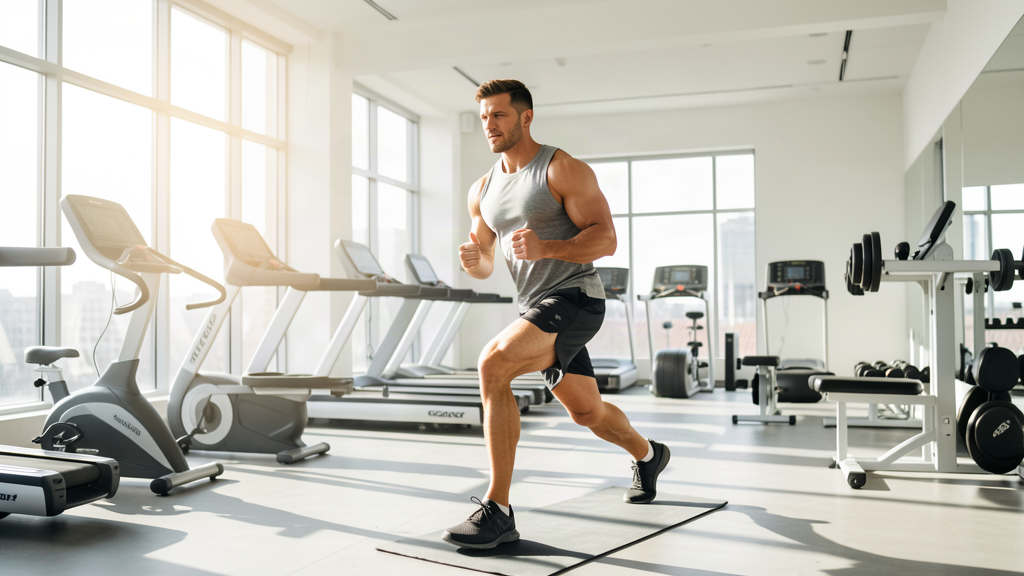
The hybrid approach: Many successful fasting athletes split their training. They do fasted cardio in the morning (Zone 2, 30-45 minutes), then strength train in the afternoon during their eating window. This maximizes fat oxidation during cardio while preserving muscle during resistance work.
Practical example for 16/8 fasting (eating window: 12 PM – 8 PM):
- 6:00 AM — Fasted walk or light jog (30-45 minutes)
- 7:00 AM — Hydration with electrolytes
- 12:00 PM — First meal (protein + carbs)
- 2:00 PM — Strength training (60 minutes)
- 3:00 PM — Post-workout meal
- 7:30 PM — Final meal
This structure allows you to tap into fat-burning benefits during your fasted cardio while having充足 energy and nutrients for your strength sessions. The key is consistency — your body needs 2-3 weeks to adapt to this rhythm.
Essential Supplements for Fasting Athletes
Supplements can make or break your fasting performance. The right ones support hydration, muscle preservation, and energy without breaking your fast. Here are the must-haves for every fasting athlete:
1. Electrolytes (Non-Negotiable)
Electrolytes are the most critical supplement for fasting athletes. When you’re not eating, you’re not getting sodium, potassium, and magnesium from food. Dehydration and electrolyte imbalance cause fatigue, cramps, brain fog, and poor performance. Choose sugar-free electrolytes that won’t break your fast.
Check out LMNT electrolytes on Amazon — they’re specifically designed for fasting with zero sugar and optimal sodium ratios. Many athletes swear by them for maintaining performance during fasted training.
2. BCAAs or EAAs (Branch-Chain Amino Acids)
If you train fasted, BCAAs can help preserve muscle mass by providing amino acids without a significant insulin response. Take 5-10g before fasted workouts to minimize muscle breakdown. Note: BCAAs technically break a strict fast, but the performance benefit often outweighs this for athletes.
3. Creatine Monohydrate
Creatine supports strength, power output, and recovery. It’s safe to take during your eating window and doesn’t interfere with fasting benefits. Take 3-5g daily with your post-workout meal. Creatine monohydrate on Amazon — look for pure, unflavored options without fillers.
4. Magnesium
Magnesium supports muscle relaxation, sleep quality, and recovery. Many athletes are deficient, and fasting can worsen this. Take 200-400mg of magnesium glycinate before bed. Magnesium glycinate on Amazon — the glycinate form is best absorbed and gentle on the stomach.
5. Protein Powder (During Eating Window)
While not a fasting supplement per se, having a high-quality protein source ready during your eating window is essential for muscle recovery. Aim for 1.6-2.2g of protein per kilogram of body weight daily. Whey, casein, or plant-based options all work — choose based on your dietary preferences and tolerances.
What to avoid during fasting:
- Sugary sports drinks (break your fast, spike insulin)
- BCAAs with added sugars (check labels carefully)
- Pre-workout formulas with calories (most contain carbs or protein)
- Gummy vitamins (contain sugar and gelatin)
Meal Planning for Fasting Athletes
Your eating window is when you need to be strategic. With limited time to consume all your calories and nutrients, meal planning becomes essential. Here’s how to structure your meals for optimal performance and recovery:
The two-meal approach (recommended for most athletes):
Meal 1 (Breaking the fast): Focus on protein and healthy fats to stabilize blood sugar and provide sustained energy. Example: Salmon with avocado, olive oil, and roasted vegetables. This meal should be 40-50% of your daily calories.
Meal 2 (Post-workout): Prioritize protein and carbohydrates to replenish glycogen and support muscle repair. Example: Chicken breast with sweet potato, rice, and steamed broccoli. This meal should be 50-60% of your daily calories.
Key principles:
- Protein timing: Distribute protein evenly across your eating window. Aim for 30-40g per meal to maximize muscle protein synthesis.
- Carb loading: Don’t fear carbs — they’re essential for high-intensity performance. Time them around your workouts for best results.
- Healthy fats: Include omega-3s (salmon, sardines, walnuts) and monounsaturated fats (olive oil, avocado) for inflammation control and hormone production.
- Vegetables: Fill half your plate with non-starchy vegetables for micronutrients, fiber, and volume without excessive calories.
Hydration throughout the day: Drink 3-4 liters of water daily, with electrolytes added during fasting periods. A simple rule: drink 500ml of water with electrolytes upon waking, 500ml before each meal, and sip throughout the day.
For product recommendations to support your fasting athlete lifestyle, check out our guide to best kitchen tools for fasting meal prep and our review of best electrolyte supplements for fasting and keto.
Common Mistakes Fasting Athletes Make
Avoid these pitfalls that can sabotage your performance and progress:
Mistake 1: Training too hard while fasted
Going all-out during a fasted state without proper adaptation leads to excessive fatigue, poor performance, and increased injury risk. Start with low-intensity fasted training and gradually increase duration and intensity over 2-3 weeks.
Mistake 2: Neglecting protein intake
With a restricted eating window, it’s easy to underconsume protein. Track your intake for the first week to ensure you’re hitting 1.6-2.2g per kilogram of body weight. Protein shakes and Greek yogurt are convenient ways to boost intake.
Mistake 3: Skipping electrolytes
This is the most common and easily avoided mistake. Fasting depletes electrolytes faster than eating normally. Without supplementation, you’ll experience fatigue, cramps, headaches, and brain fog. Make electrolytes part of your daily routine.
Mistake 4: Inconsistent schedule
Your body thrives on routine. Changing your eating window or training times frequently prevents adaptation. Pick a schedule that fits your lifestyle and stick with it for at least 4 weeks before adjusting.
Mistake 5: Ignoring recovery
Fasting triggers autophagy, which supports recovery, but it’s not a magic bullet. Prioritize sleep (7-9 hours), manage stress, and include rest days in your training program. Your body needs time to repair and adapt.
FAQ: Fasting for Athletes
Q: Can I build muscle while fasting?
A: Yes, but it requires careful planning. Ensure you’re consuming adequate protein (1.6-2.2g/kg) during your eating window, time your strength training during fed periods, and consider creatine supplementation. Studies show muscle gain is possible with intermittent fasting, though it may be slower than with traditional meal frequency.
Q: Is 16/8 or OMAD better for athletes?
A: For most athletes, 16/8 provides a better balance of fasting benefits and nutritional flexibility. OMAD makes it extremely difficult to consume enough calories and protein for athletic performance. If you prefer OMAD, consider a “protein-sparing modified fast” approach with a longer eating window on training days.
Q: Should I take BCAAs during a fast?
A: BCAAs technically break a strict fast due to their caloric content and insulin response. However, for athletes training fasted, the performance and muscle preservation benefits often outweigh the minor fasting disruption. If your primary goal is fat loss, skip BCAAs. If performance is the priority, 5-10g before fasted training is reasonable.
Q: How long does it take to adapt to fasted training?
A: Most athletes adapt within 2-3 weeks. During the adaptation period, expect reduced performance, increased fatigue, and possible irritability. Your body is learning to efficiently switch between glucose and fat for fuel. Stay consistent, stay hydrated, and don’t push too hard during this phase.
Q: Can I compete in sports while fasting?
A: It depends on the sport and timing. For endurance events, fasted training can improve fat oxidation and performance. For high-intensity competitions (sprints, powerlifting, team sports), you’ll need to be in a fed state. Plan your eating window around competition times and practice your nutrition strategy during training.
Ready to optimize your fasting and athletic performance? Start with proper hydration, time your workouts strategically, and prioritize protein intake during your eating window. Your body will adapt — and you may find that fasting becomes a powerful tool for both health and performance.
Related posts:
 Best Cold Plunge Tubs for Fasting Recovery in 2026: Complete Buyer’s Guide
 Best Sauna Blankets for Fasting Recovery in 2026: Complete Buyer’s Guide
 Cold Plunge Tub Buying Guide for Fasting Recovery (2026)
 Most Popular Intermittent Fasting Techniques For Enhancing Athletic Performance
 Best Massage Guns for Fasting Recovery 2026