
How Fasting Reshapes Your Gut Microbiome: 2026 Research
Your gut is home to trillions of microorganisms that influence everything from your immune system to your mood. In 2026, a wave of new research has revealed that fasting doesn’t just help you lose weight — it fundamentally rewires the bacterial communities living in your digestive tract. These changes may explain why so many people report better energy, clearer thinking, and improved digestion when they adopt intermittent fasting or time-restricted eating.
In this deep dive, we’ll break down the latest science on fasting and the gut microbiome, explore what happens inside your intestines during a fast, and share practical steps you can take to maximize the benefits while minimizing potential downsides. Whether you’re a seasoned faster or just curious about the connection between meal timing and gut health, the 2026 research has something surprising in store.
Your Gut Microbiome: The Ecosystem You Didn’t Know You Were Managing
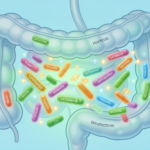
The human gut contains roughly 100 trillion microorganisms — bacteria, viruses, fungi, and archaea — collectively known as the gut microbiome. This ecosystem weighs about two pounds and contains more genetic material than the rest of your body combined. Scientists sometimes call it a “hidden organ” because of how profoundly it influences your health.
Your gut bacteria help break down fiber into short-chain fatty acids like butyrate, which fuel the cells lining your colon. They produce vitamins B12 and K, train your immune system to distinguish friend from foe, and even produce neurotransmitters like serotonin that affect your mood and cognition. When this ecosystem is balanced — with a diverse mix of beneficial species — your body functions more efficiently. When it’s disrupted, problems like bloating, fatigue, brain fog, and weight gain can follow.
What many people don’t realize is that your eating patterns are one of the most powerful tools for shaping this ecosystem. Every meal you eat sends a cascade of nutrients to your gut bacteria, and the timing of those meals determines which species thrive and which decline. Fasting, it turns out, creates a unique environment that selects for specific types of bacteria — and the 2026 research shows the effects are more dramatic than anyone expected.
What Happens to Your Gut Bacteria During a Fast
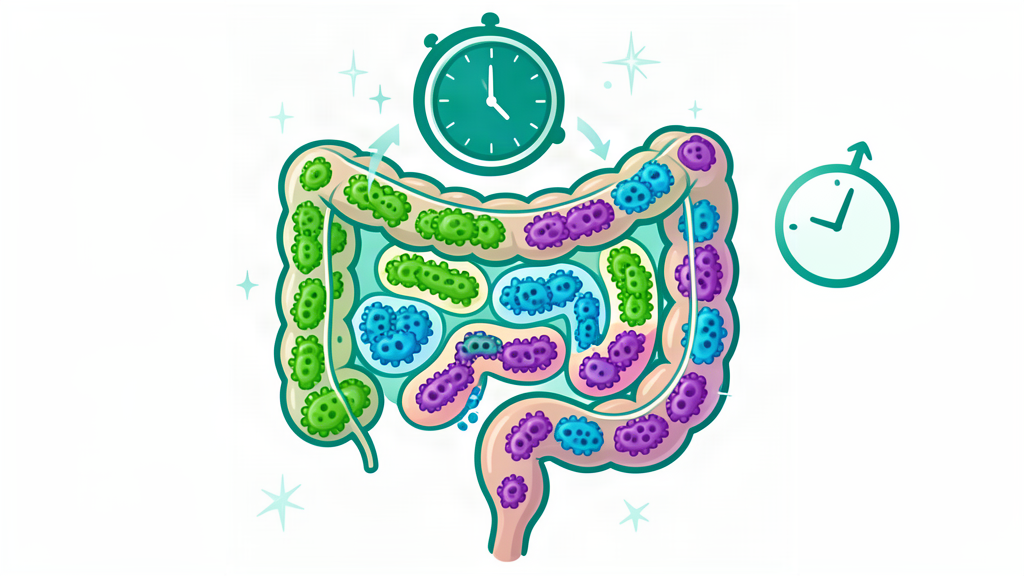
When you stop eating for an extended period, your gut bacteria face a very different landscape than they encounter during regular meals. Without a constant stream of food passing through, several key shifts occur.
First, the bacterial species that thrive on simple sugars and processed carbohydrates start to decline. These are often the species associated with inflammation and metabolic dysfunction. Meanwhile, bacteria that can survive on alternative energy sources — including the mucus lining of your intestinal wall — begin to dominate. This might sound alarming, but it’s actually part of a natural recycling process that strengthens the gut barrier over time.
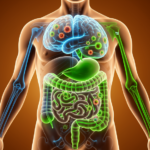
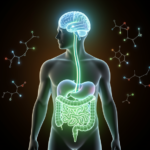
Research published in May 2026 demonstrated that intermittent fasting triggers simultaneous changes in both the gut and the brain. In a study of obese adults, participants following an intermittent fasting protocol experienced significant weight loss alongside measurable shifts in their gut microbiome composition. The researchers found that these microbial changes correlated with improved metabolic markers and even changes in brain connectivity patterns — suggesting a direct gut-brain communication pathway activated by fasting.
A separate 2026 study tracked participants over eight weeks on a 16:8 intermittent fasting protocol — sixteen hours of fasting followed by an eight-hour eating window. Researchers analyzed stool samples at the beginning, middle, and end of the study to map microbiome composition changes. The results showed that even this relatively mild form of fasting produced significant shifts in bacterial diversity. Beneficial species like Akkermansia muciniphila — known for supporting gut barrier function and metabolic health — increased measurably during the fasting period.
Perhaps most exciting was a July 2026 preclinical study from the University of Texas MD Anderson Cancer Center. Researchers discovered that short-term fasting primes the gut microbiome to improve intestinal recovery. They identified a specific gut bacterium that, when combined with fasting, helped prepare the small intestine to regenerate damaged tissue more effectively. This finding has implications not just for general gut health but for patients recovering from chemotherapy or intestinal injuries.
The Gut Virome: Fasting’s Latest Frontier
While most research has focused on gut bacteria, a groundbreaking June 2026 study published in Nature revealed that fasting also dramatically reshapes the gut virome — the community of viruses that inhabit your digestive tract. This was one of the first studies to examine the viral component of the microbiome in the context of fasting, and the results were striking.
The gut virome is dominated by bacteriophages — viruses that infect bacteria. These phages play a crucial role in regulating bacterial populations, essentially acting as natural population control. When fasting shifts the balance of bacterial species, the bacteriophages that target those species shift as well. The Nature study found that long-term fasting led to a complete remodelling of the viral community, with new phage species emerging that appeared to help stabilize the post-fast bacterial ecosystem.
This has important practical implications. When you break a fast, the sudden reintroduction of food could theoretically cause a chaotic microbial response. But the virome remodelling observed in the study suggests that fasting actually prepares the gut for this transition by establishing a more resilient viral-bacterial network. In other words, fasting doesn’t just change your bacteria — it rewires the entire regulatory system that keeps those bacteria in balance.
The researchers also noted that participants who fasted for longer periods (48-72 hours) showed more pronounced virome changes than those doing shorter daily fasts. However, even the shorter fasting protocols produced measurable shifts, suggesting that you don’t need to commit to multi-day fasts to benefit from virome remodelling.
How to Support Your Gut Microbiome While Fasting
Understanding the science is one thing, but applying it to your daily routine is what matters. Here are evidence-based strategies for maximizing the gut health benefits of fasting.
Start with a gradual approach. If you’re new to fasting, jumping straight into 24-hour fasts can shock your gut microbiome. Instead, begin with a 12-hour overnight fast (finishing dinner by 7 PM and eating breakfast at 7 AM) and gradually extend the fasting window over several weeks. This gives your bacterial communities time to adapt without causing digestive distress.
Consider a targeted probiotic. During fasting, certain beneficial bacterial species can decline due to lack of food substrate. A high-quality probiotic supplement can help maintain diversity during your eating window. Look for products containing multiple strains, including Lactobacillus and Bifidobacterium species. Many fasters find that taking probiotics during their eating window — rather than during the fast — improves tolerance and effectiveness.
Prioritize prebiotic fiber when you break your fast. The first meal after a fast is critical for feeding your newly reorganized gut bacteria. Foods rich in prebiotic fiber — like garlic, onions, leeks, asparagus, and bananas — provide the fuel that beneficial bacteria need to flourish. Bone broth is another excellent choice for breaking a fast, as it provides glutamine and collagen that support the intestinal lining while being easy to digest.
Stay hydrated with electrolytes. Dehydration during fasting can reduce mucus production in the gut, which impairs the environment that beneficial bacteria need to thrive. Adding a pinch of sea salt or an electrolyte supplement to your water helps maintain the mucosal barrier. Many experienced fasters also find that a small amount of apple cider vinegar in water before their first meal stimulates digestive enzyme production and supports a healthy gut pH.
Listen to your body. While the 2026 research is overwhelmingly positive about fasting and gut health, individual responses vary. Some people — particularly those with existing gut conditions like IBS or SIBO — may need to modify standard fasting protocols. If you experience persistent bloating, pain, or digestive changes during fasting, consider shortening your fasting window or consulting with a healthcare provider who understands both fasting and gut health.
Use digestive enzymes strategically. After a prolonged fast, your body’s natural enzyme production may be temporarily reduced. A digestive enzyme supplement taken with your first meal can help break down food more efficiently, reducing the risk of bloating and discomfort. This is especially helpful for fasters who break their fast with larger meals or protein-rich foods.
Rotate your foods. Microbial diversity thrives on dietary variety. When you’re eating, rotate between different vegetables, proteins, and fiber sources throughout the week. This exposes your gut bacteria to a wider range of nutrients and supports a more diverse — and resilient — microbial ecosystem.
The Bottom Line
The 2026 research on fasting and the gut microbiome represents a significant leap forward in our understanding of how meal timing affects digestive health. From the discovery that fasting remodles the gut virome to the identification of specific bacteria that aid intestinal recovery, these findings reinforce what many fasters have experienced anecdotally: fasting changes your gut in ways that go far beyond simple calorie restriction.
The key takeaway is that fasting is a powerful tool for gut health — but it works best when paired with smart nutritional strategies. Support your microbiome with prebiotic fiber, consider targeted supplements, and give your body time to adapt to new eating patterns. The trillions of microorganisms in your gut will thank you.
Frequently Asked Questions
How long does it take for fasting to change your gut microbiome?
Research from 2026 shows measurable changes in gut bacteria composition within as little as eight weeks of consistent intermittent fasting (16:8 protocol). More dramatic shifts, including changes to the gut virome, are observed with longer fasts of 48-72 hours. However, even daily 12-14 hour overnight fasts can begin to shift your microbial balance over time.
Should I take probiotics while fasting?
Most experts recommend taking probiotics during your eating window rather than during the fast. This allows the beneficial bacteria to access the nutrients they need to establish themselves in your gut. Taking probiotics on an empty stomach during a fast may reduce their effectiveness, though some studies suggest certain strains can survive the fasting state.
Does fasting kill good gut bacteria?
Fasting doesn’t kill beneficial bacteria directly. Instead, it changes the competitive landscape in your gut. Without food passing through, bacteria that depend on simple sugars decline, while species that can survive on alternative energy sources — including those that feed on intestinal mucus — become more prominent. This is a natural cycling process that can actually strengthen your gut barrier over time.
What should I eat to break a fast for gut health?
Breaking your fast with easily digestible, prebiotic-rich foods is ideal. Bone broth provides glutamine and collagen to support the intestinal lining. Fermented foods like yogurt, kimchi, or sauerkraut introduce beneficial bacteria. Prebiotic vegetables like steamed asparagus or garlic feed the bacteria you want to thrive. Avoid heavy, processed, or high-sugar foods immediately after a fast, as these can cause rapid shifts in your newly balanced microbiome.
As an Amazon Associate, I earn from qualifying purchases.