

How to Beat Fasting Brain Fog in 2026
Fasting sharpens your mind long-term, but the first few weeks can feel like wading through mental syrup. You forget why you walked into a room, your focus drifts during meetings, and simple decisions feel oddly exhausting. This is fasting brain fog, and it affects up to 60% of people starting intermittent fasting.
The good news? Brain fog during fasting is temporary, predictable, and completely fixable. Once you understand the three physiological triggers, you can clear the fog in days instead of weeks. This guide walks you through exactly what causes fasting brain fog, seven proven strategies to prevent it, the best supplements that support mental clarity while fasting, and when the fog might signal something more serious.
Why Fasting Causes Brain Fog
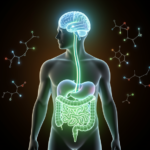
Your brain is a metabolically demanding organ. It weighs roughly three pounds but consumes about 20% of your body’s total energy — and it runs primarily on glucose. When you stop eating, your body burns through its stored glycogen within 12 to 24 hours. Once those reserves deplete, your brain must shift to ketones as its primary fuel source. This metabolic transition is where the fog originates.
Three specific physiological mechanisms drive fasting brain fog, and understanding each one helps you target the right solution:
1. The glucose-to-ketone transition. Your brain can absolutely use ketones for fuel — in fact, many fasters report that once adapted, ketones provide even sharper mental clarity than glucose. But the switch doesn’t happen instantly. During the first 48 to 72 hours of a fast, your brain is caught between two fuel sources, operating at reduced capacity. Research published in the journal Neuron shows that cognitive performance drops 10 to 15% during this transition window before rebounding once ketone production stabilizes. The fog isn’t a sign of damage — it’s a sign of adaptation.
2. Dehydration and electrolyte imbalance. This is the most overlooked cause of fasting brain fog, and the easiest to fix. When you stop eating, you also stop consuming the sodium, potassium, and magnesium that come with food. Fasting diuretics further accelerate mineral loss. Even mild dehydration — just 2% body weight loss — impairs concentration, working memory, and reaction time. The brain is 75% water, and electrolyte imbalances directly disrupt the electrical signals neurons use to communicate with each other.
3. Blood sugar swings. Before your body fully adapts to ketosis, blood glucose can dip below optimal levels, especially if you previously followed a high-carb diet. These dips trigger fatigue, irritability, and that characteristic “foggy” feeling where thoughts feel slow and scattered. People who ate lots of refined carbohydrates before starting fasting tend to experience more severe swings because their insulin response is more dramatic.
Understanding these triggers is half the battle. The strategies below target each mechanism specifically, giving you a clear action plan.
7 Proven Strategies to Clear Fasting Brain Fog
1. Start with electrolytes, not coffee. The single most effective anti-fog strategy is proper electrolyte supplementation. A pinch of high-quality sea salt in your morning water, combined with a magnesium supplement, can eliminate brain fog within hours for most people. Sodium supports nerve impulse transmission, magnesium calms overactive neurons and supports over 300 enzymatic reactions, and potassium maintains proper fluid balance in brain cells. This simple trio addresses the dehydration mechanism directly.
2. Hydrate strategically throughout the day. Aim for at least 3 liters of water daily while fasting, and spread consumption evenly rather than chugging at mealtimes. Proper hydration maintains blood volume and ensures adequate oxygen delivery to the brain. Adding a squeeze of lemon or a pinch of mineral salts provides flavor and trace minerals without breaking your fast. Avoid large amounts of plain water without electrolytes, as this can dilute sodium levels and actually worsen brain fog — a condition called hyponatremia.
3. Prioritize sleep quality. Sleep deprivation amplifies fasting brain fog dramatically. During deep sleep, your brain clears metabolic waste products through the glymphatic system — a recently discovered waste-clearance pathway that is 10 times more active during sleep than waking. When you’re fasting and sleeping poorly, this cleanup process fails, and neurotoxic waste products accumulate, compounding the fog. Keep your bedroom at 65 to 68 degrees, make it completely dark, and avoid screens for at least an hour before bed. Aim for 7 to 9 hours every night during your fasting adaptation period.
4. Exercise strategically during your fast. Light to moderate exercise during a fasted state actually accelerates ketone production and can sharpen focus within 30 minutes. A brisk 20-minute walk, gentle yoga session, or light resistance training works best. Exercise increases blood flow to the brain, stimulates the release of brain-derived neurotrophic factor (BDNF), and speeds up the metabolic transition to fat-burning. However, avoid intense HIIT or heavy lifting during your first week of fasting, as the combined stress can worsen brain fog and fatigue.
5. Gradually extend your fasting window. If you’re new to fasting, don’t jump straight to 18-hour fasts. Start with a 12-hour overnight fast (eat dinner by 8 PM, breakfast at 8 AM), then add one hour every three to four days. This gives your brain time to upregulate ketone transporters and adapt to the new fuel source without the dramatic fog that comes from a sudden metabolic shock. Think of it like training for a marathon — you wouldn’t run 26 miles on day one.
6. Time your caffeine wisely. Coffee can absolutely help with fasting brain fog, but timing matters. Drinking coffee too early in your fast can spike cortisol, which disrupts your natural cortisol rhythm and may worsen brain fog later in the day. Wait 90 to 120 minutes after waking before your first cup. Black coffee is fine during a fast and may actually support ketone production by increasing fat oxidation. Green tea is another excellent option, providing both caffeine and L-theanine, which promotes calm focus without the jittery crash.
7. Use MCT oil or exogenous ketones for immediate relief. For same-day brain fog relief, MCT (medium-chain triglyceride) oil provides a rapid source of ketones that bypasses the slow glucose-to-ketone transition. A teaspoon mixed into your morning coffee can provide noticeable mental clarity within 20 to 30 minutes. Exogenous ketone supplements work similarly by directly raising blood beta-hydroxybutyrate (BHB) levels. Both options are particularly helpful during your first week of fasting, bridging the gap until your body produces its own ketones efficiently.
Best Supplements for Fasting Brain Fog
While lifestyle strategies form the foundation, targeted supplements can accelerate your adaptation and provide consistent mental clarity throughout your fasting journey. Here are the five most effective supplements backed by clinical research.
Omega-3 Fish Oil (DHA/EPA) — DHA is a primary structural component of brain cell membranes, making up about 40% of the polyunsaturated fats in your brain. During fasting, your body may draw on these omega-3 reserves for energy, potentially compromising membrane integrity and neurotransmitter function. Supplementing with a high-quality omega-3 ensures your brain maintains its structural integrity. Look for products with at least 500mg DHA and 250mg EPA per serving, ideally from wild-caught fish sources. Check omega-3 supplements on Amazon.
Magnesium L-Threonate — Not all magnesium supplements are created equal for brain health. Magnesium L-threonate is specifically formulated to cross the blood-brain barrier more effectively than other forms like magnesium oxide or citrate. Studies from MIT show it raises brain magnesium levels significantly, supporting neurotransmitter function, reducing neural inflammation, and improving both focus and memory. Take 1,000 to 2,000mg (elemental magnesium) before bed for best results — it also supports sleep quality, which compounds the brain fog benefits. Find magnesium L-threonate on Amazon.
Lion’s Mane Mushroom Extract — Lion’s mane is one of the most exciting natural nootropics for fasting. It stimulates the production of nerve growth factor (NGF), a protein that supports the growth, maintenance, and survival of neurons. Clinical trials show it improves cognitive function, working memory, and concentration in adults over 50. For fasting specifically, lion’s mane supports the neuroplasticity your brain needs during the metabolic transition. Take 500 to 1,000mg daily of a dual-extracted (water and alcohol) product, preferably in the morning. Shop lion’s mane supplements on Amazon.
B-Complex Vitamin — B vitamins are essential cofactors in cellular energy production, and your brain consumes a disproportionate share. B12 and B6 are particularly critical — B12 supports myelin sheath integrity (the insulation around nerve fibers), while B6 is necessary for synthesizing serotonin, dopamine, and GABA. Fasting can deplete B stores, especially in people who eat limited animal products. A high-quality B-complex taken with your first meal supports sustained energy production and neurotransmitter balance throughout the day. Browse B-complex vitamins on Amazon.
MCT Oil — Medium-chain triglycerides (specifically C8 caprylic acid) convert directly into ketones in the liver within 20 to 30 minutes, providing your brain with an alternative fuel source that bypasses the slow transition from glucose. This makes MCT oil the fastest-acting anti-fog supplement available. Start with one teaspoon daily and increase to one tablespoon over a week to avoid digestive discomfort. Adding it to black coffee creates a “fasting-friendly bulletproof” drink that many fasters swear by for morning mental clarity. Explore MCT oil options on Amazon.
When Brain Fog Signals a Bigger Problem
Most fasting brain fog resolves within one to two weeks as your body adapts to burning ketones. However, certain symptoms warrant medical attention and should not be dismissed as “just part of fasting.”
See a healthcare provider if your brain fog persists beyond three weeks, worsens progressively over time, or is accompanied by severe headaches, heart palpitations, extreme fatigue, or difficulty with basic tasks like reading a paragraph or holding a conversation. These symptoms may indicate a nutrient deficiency, thyroid issue, or blood sugar regulation problem that fasting may be exacerbating rather than causing.
People with diabetes, those on blood pressure or psychiatric medications, and pregnant or breastfeeding women should always work with a doctor before starting any fasting regimen. Brain fog can also be an early sign of nutrient deficiencies that fasting may worsen, particularly iron, vitamin D, and B12. A basic blood panel before starting fasting gives you a baseline to reference if problems arise.
Listen to your body. Fasting should enhance your mental clarity over time, not permanently impair it. If the fog doesn’t lift, adjust your approach — shorten your fasting window, increase electrolytes, add supplements — rather than pushing through. The goal is sustainable improvement, not willpower endurance.
FAQ
How long does fasting brain fog last? For most people, brain fog during fasting lasts 3 to 7 days when starting a new fasting regimen. If you’re experienced with fasting and returning after a break, expect 1 to 2 days of mild fog. Proper hydration and electrolyte supplementation can reduce the duration to under 24 hours. The timeline depends largely on how adapted your body is to using ketones and your prior dietary habits.
Does fasting actually improve mental clarity long-term? Yes, absolutely. Once fully adapted, many fasters report enhanced focus, sharper thinking, and improved memory compared to their pre-fasting baseline. The brain preferentially uses ketones during fasting, and ketones are a more efficient fuel source than glucose — they produce more ATP per unit of oxygen and generate fewer reactive oxygen species (free radicals). The initial fog is the adaptation cost; the sustained clarity is the long-term payoff that makes fasting worthwhile for cognitive performance.
Can I take nootropic supplements while fasting? Most nootropics are perfectly fine during a fast, especially those in capsule or softgel form with minimal calories. Lion’s mane, omega-3s, magnesium L-threonate, and bacopa monnieri are all excellent fasting-compatible options. Avoid nootropic powders mixed with sugar, gummy formulations, or MCT products with added flavors and sweeteners, as these may contain hidden calories that could technically break your fast. When in doubt, check the label for total calories — anything under 5 calories is generally considered fasting-safe.
Is brain fog worse with longer fasts? Brain fog tends to peak during the glucose-to-ketone transition window (roughly 12 to 48 hours) regardless of total fast length. Once ketosis is established, extending the fast doesn’t necessarily worsen fog — some people report it actually improves. However, very long fasts (72+ hours) may introduce additional cognitive effects due to deeper metabolic changes, including elevated cortisol and potential muscle protein breakdown for gluconeogenesis. For cognitive benefits, 16:8 or 20:4 intermittent fasting provides the best balance.
Should I break my fast if brain fog is severe? Severe brain fog accompanied by confusion, inability to concentrate on simple tasks, or feelings of disorientation is your body’s urgent signal that something needs immediate attention. Try electrolytes and water first — this resolves the issue in most cases. If symptoms don’t improve within an hour, break your fast with a small, nutrient-dense meal rich in healthy fats and protein. There is no shame in breaking a fast early. Fasting is a tool for improving your health, not a test of willpower to endure suffering.
As an Amazon Associate, I earn from qualifying purchases.