
Intermittent Fasting and the Gut-Brain Connection: What Science Reveals in 2026
What if the most powerful thing intermittent fasting does isn’t burning fat — but rewiring your brain and gut simultaneously? New research published in late May 2026 confirms exactly that. Scientists found that IF triggers coordinated changes across the gut microbiome and brain regions responsible for cravings, appetite, and even addiction. This isn’t just another fasting study. It’s a fundamental shift in how we understand why fasting works.
In this deep dive, we break down the gut-brain axis, how fasting reshapes both systems, the role of hormones like cortisol and insulin, and what you can do to maximize these effects. Whether you’re new to fasting or optimizing an established protocol, this is the science you need to understand.
As an Amazon Associate, I earn from qualifying purchases.
The Gut-Brain Axis: Your Body’s Hidden Superhighway
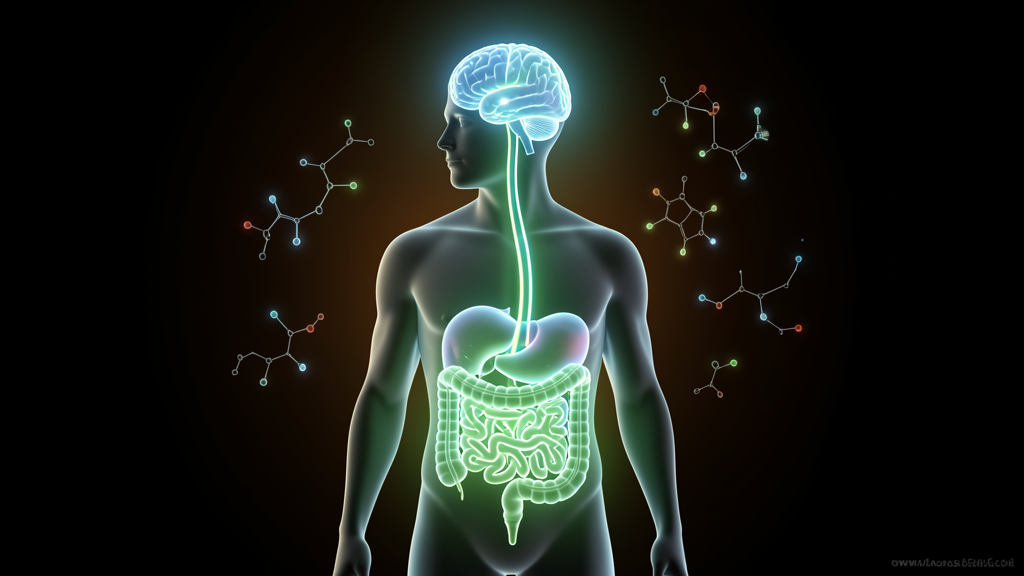
Your gut and brain aren’t just connected — they’re in constant conversation. This communication network, called the gut-brain axis, operates through the vagus nerve, immune signaling molecules, and a cascade of neurotransmitters produced by gut bacteria. Think of it as a two-way superhighway where every meal (or every fast) sends traffic in both directions.
The gut microbiome — trillions of bacteria living in your intestines — plays a starring role in this axis. These microbes produce roughly 95% of your body’s serotonin, the “feel-good” neurotransmitter that regulates mood, sleep, and appetite. They also generate GABA, dopamine precursors, and short-chain fatty acids (SCFAs) that directly influence brain function. When your microbiome is out of balance, the signals sent to your brain change. Cravings intensify. Mood dips. Focus fractures.
This is where fasting enters the picture. By giving your digestive system extended periods of rest, fasting doesn’t just reduce calorie intake — it fundamentally restructures which bacteria thrive in your gut, which neurotransmitters get produced, and how your brain responds to hunger signals.
Recent research from late May 2026 confirmed that intermittent fasting triggers simultaneous, coordinated changes in both the gut microbiome and brain regions associated with cravings and addiction. The changes weren’t sequential — they happened together, suggesting the gut and brain respond as a unified system to fasting cycles. This finding helps explain why people report not just weight loss, but improved mental clarity, reduced sugar cravings, and better emotional regulation after adopting IF.
How Fasting Reshapes Your Microbiome
Your gut bacteria are creatures of habit. They feed on what you eat, and the timing of your meals matters just as much as the content. When you eat constantly throughout the day, certain bacterial populations — often the less beneficial ones — dominate because they never face a fasting period. They continuously ferment food, produce metabolites, and send signals to your brain that keep the cycle going.
Intermittent fasting disrupts this pattern. During fasting windows, the microbiome undergoes a transformation:
- Increased microbial diversity — Fasting allows less dominant bacterial strains to recover and compete, leading to a more balanced ecosystem. Higher diversity is consistently linked to better health outcomes across dozens of studies.
- Enhanced SCFA production — Short-chain fatty acids like butyrate, propionate, and acetate increase during fasting. Butyrate in particular strengthens the gut lining, reduces inflammation, and provides fuel for brain cells. A stronger gut lining means fewer inflammatory molecules reaching your brain.
- Reduced pathogenic bacteria — Fasting limits the substrate available to harmful bacteria like certain strains of E. coli and Clostridium, giving beneficial species like Lactobacillus and Bifidobacterium room to flourish.
- Improved gut barrier integrity — The intestinal lining tightens during fasting, reducing “leaky gut” — a condition where toxins and undigested food particles enter the bloodstream and trigger systemic inflammation that reaches the brain.
A 2025 review in Food Science & Nutrition synthesized findings from studies spanning 2004 to 2024 and concluded that intermittent fasting consistently improves gut microbiome composition, with downstream effects on metabolic health, inflammation, and even cancer risk. The gut isn’t just responding to fasting — it’s actively leveraging the fasting window to repair and reorganize.
The Hormonal Cascade: What Happens During a Fast
Fasting doesn’t just affect your gut bacteria. It triggers a cascade of hormonal changes that ripple through your entire body, from your adrenal glands to your pancreas to your pituitary. Understanding this cascade helps explain why fasting produces effects that go far beyond simple calorie restriction.
Insulin: The Master Switch
Insulin is the hormone your body releases when you eat, particularly after consuming carbohydrates. It signals your cells to absorb glucose and store excess energy as fat. During a fast, insulin levels drop significantly. This drop is the metabolic trigger that shifts your body from sugar-burning mode to fat-burning mode (ketosis).
Lower insulin levels also reduce inflammation throughout the body and brain. A 2026 Cochrane systematic review — the gold standard of medical evidence — found that intermittent fasting improves insulin sensitivity, meaning your cells become more responsive to insulin over time. This is particularly important for people with insulin resistance, prediabetes, or type 2 diabetes, where the gut-brain connection plays a role in appetite dysregulation.
Cortisol: The Stress Signal
Cortisol is your body’s primary stress hormone. It follows a natural rhythm — highest in the morning, lowest at night. Fasting can temporarily elevate cortisol, especially during the first few days of a new fasting protocol. This is your body’s “fight or flight” response to the absence of food, and it’s completely normal.
However, chronic elevated cortisol is problematic. It disrupts sleep, increases belly fat storage, impairs immune function, and — critically — alters gut microbiome composition. The key insight from recent research is that the gut-brain axis mediates the cortisol response to fasting. When your microbiome is balanced and healthy, the cortisol response to fasting is more controlled and less disruptive. When it’s not, the stress response can become exaggerated.
This is why many fasting practitioners report that their bodies “adapt” over time — they feel less stressed during fasts as their microbiome improves. The gut is literally calming the brain’s stress response.
Growth Hormone: The Repair Signal
Fasting dramatically increases human growth hormone (HGH) secretion. HGH promotes fat burning, muscle preservation, and cellular repair. It works synergistically with autophagy — the cellular “cleanup” process where your body breaks down damaged cells and recycles their components. HGH levels can increase by up to 5x during a 24-hour fast, making fasting one of the most potent natural triggers for this hormone.
Leptin and Ghrelin: The Hunger Hormones
Leptin (the “satiety” hormone) and ghrelin (the “hunger” hormone) are the dueling forces behind appetite. Regular fasting helps rebalance these hormones over time. Ghrelin, which spikes when you’re hungry, actually becomes less reactive to fasting windows over weeks of practice. Meanwhile, leptin sensitivity improves, meaning your brain gets clearer “you’re full” signals during eating windows. This is partly mediated by gut bacteria — certain strains directly stimulate leptin production.
Autophagy: The Cellular Cleanup Crew
Autophagy is often called the body’s recycling system, and it’s one of the most exciting areas of fasting research. The term literally means “self-eating” — your cells break down damaged organelles, misfolded proteins, and even intracellular pathogens, then reuse the components for energy and repair.
Nobel Prize-winning research by Yoshinori Ohsumi (2016) established autophagy’s importance in aging, cancer prevention, and neurodegenerative disease. Since then, the question has been: how long do you need to fast to trigger meaningful autophagy?
The honest answer from current research is that autophagy exists on a spectrum. It’s not a binary on/off switch. Different tissues activate autophagy at different rates:
- Gut cells — Begin autophagy relatively quickly (12-16 hours) because they’re directly exposed to fasting conditions and have high cellular turnover
- Liver cells — Peak autophagy around 24-48 hours of fasting
- Brain cells — Autophagy increases gradually and may require extended fasting (48+ hours) for maximum effect, though intermittent fasting still provides meaningful benefits
- Muscle cells — Activate autophagy moderately during fasting but also require exercise to maximize the response
The gut-brain connection adds another layer: gut bacteria produce metabolites that influence autophagy in brain cells. Butyrate, a SCFA produced during fasting, crosses the blood-brain barrier and activates autophagy in neurons. This means a healthy gut microbiome during fasting doesn’t just benefit the gut — it accelerates cellular cleanup in the brain too.
The 2026 Cochrane Review: What It Actually Says
No discussion of fasting science in 2026 is complete without addressing the Cochrane systematic review published in February 2026. This review generated headlines claiming intermittent fasting is “no more effective than standard dieting for weight loss.” But the full picture is more nuanced.
The Cochrane review compared intermittent fasting (including 16:8, 5:2, and alternate-day fasting) against continuous calorie restriction and found that total weight loss was similar between approaches. This is important, but it doesn’t mean fasting has no unique benefits. The review itself noted that:
- IF and calorie restriction produced comparable improvements in insulin sensitivity
- The gut microbiome benefits of IF were not fully captured in the review because most included studies didn’t measure microbiome composition
- Autophagy-related benefits were outside the review’s scope, which focused primarily on weight loss and metabolic markers
- Adherence rates — the most important factor in any diet — varied significantly, and some participants found IF easier to maintain long-term than continuous restriction
In other words, the Cochrane review tells us that if your only goal is weight loss, IF and calorie restriction are roughly equivalent. But fasting offers additional pathways — microbiome remodeling, autophagy, hormonal optimization, and the gut-brain benefits described above — that calorie restriction alone doesn’t provide. The science is moving beyond the scale.
Practical Strategies: Maximizing the Gut-Brain Benefits
Understanding the science is one thing. Applying it is another. Here are evidence-based strategies to maximize the gut-brain benefits of your fasting protocol:
Start With a 14:10 Window
If you’re new to fasting, a 14-hour overnight fast (e.g., stop eating at 7 PM, break fast at 9 AM) is enough to begin microbiome changes. Don’t jump straight to 16:8 or OMAD. Your gut bacteria need time to adapt, and an aggressive start often leads to digestive discomfort that makes people quit. Gradual progression allows beneficial bacteria to multiply before the fasting window extends.
Feed Your Microbiome During Eating Windows
What you eat during your eating window matters enormously for gut-brain benefits. Prioritize:
- Fiber-rich foods — Vegetables, legumes, and whole grains feed the bacteria that produce butyrate and other beneficial SCFAs. Aim for 25-35g of fiber daily.
- Fermented foods — Yogurt, kimchi, sauerkraut, and kefir introduce beneficial bacteria directly. A Stanford study found that fermented food consumption increased microbiome diversity more than a high-fiber diet alone.
- Polyphenol-rich foods — Berries, dark chocolate, green tea, and red wine (in moderation) feed beneficial gut bacteria and have direct anti-inflammatory effects on the brain.
- Omega-3 fatty acids — Found in fatty fish, walnuts, and flaxseed. Omega-3s reduce gut inflammation and support brain cell membrane integrity. Research consistently shows omega-3 supplementation improves both gut and cognitive health.
Check omega-3 supplements on Amazon →
Consider Targeted Supplements
While whole foods should form the foundation of your gut health strategy, certain supplements can accelerate the gut-brain benefits of fasting:
- Probiotics — A quality multi-strain probiotic with Lactobacillus and Bifidobacterium species supports microbiome diversity, especially during the early weeks of a fasting protocol when bacterial populations are shifting.
- L-Glutamine — An amino acid that fuels gut lining cells and supports intestinal barrier integrity. Particularly useful during extended fasts when the gut is actively repairing.
- Electrolytes — Sodium, potassium, and magnesium are depleted during fasting. Dehydration and electrolyte imbalance can trigger headaches, brain fog, and digestive issues that mask the cognitive benefits of fasting.
Check LMNT electrolytes on Amazon →
Exercise During Fasted State
Light to moderate exercise during your fasting window amplifies both autophagy and microbiome benefits. Exercise increases gut motility, promotes bacterial diversity, and triggers additional autophagy in muscle and brain tissue. The combination of fasting + exercise produces a synergistic effect that neither intervention achieves alone. A 20-minute walk during your fasting window is enough to see benefits.
Prioritize Sleep
The gut-brain axis doesn’t stop working at night. In fact, sleep is when much of the microbiome repair and neurotransmitter production happens. Poor sleep disrupts gut bacterial rhythms and increases cortisol, counteracting the benefits of fasting. Aim for 7-9 hours of quality sleep, and avoid eating within 2-3 hours of bedtime to align your fasting window with your natural circadian rhythm.
The Bottom Line
Intermittent fasting isn’t just a weight loss strategy — it’s a comprehensive gut-brain intervention that reshapes your microbiome, optimizes hormones, triggers cellular repair, and improves cognitive function. The 2026 research confirms that these systems don’t work in isolation. The gut and brain respond to fasting as a unified network, and the benefits cascade through both simultaneously.
If you’re just starting out, begin with a gentle 14:10 window, feed your microbiome with fiber and fermented foods, stay hydrated with electrolytes, and give your body time to adapt. The science is clear: when you fast, you’re not just burning calories. You’re rebuilding from the inside out.
Want to support your fasting journey with quality supplements? Browse top-rated fasting supplements on Amazon →
Frequently Asked Questions
How long do I need to fast to trigger autophagy?
Autophagy begins at different rates depending on the tissue. Gut cells activate autophagy relatively quickly, around 12-16 hours into a fast. Liver cells peak around 24-48 hours. Brain cells take longer, requiring extended fasts for maximum effect. However, daily intermittent fasting (16:8 or 18:6) still provides meaningful cumulative autophagy benefits, especially in the gut, because the process compounds over weeks and months of consistent practice.
Does intermittent fasting change the gut microbiome permanently?
Not permanently, but persistently. Research shows that microbiome changes begin within days of starting a fasting protocol and continue improving over weeks. However, if you stop fasting and return to constant eating, the beneficial changes gradually reverse over 2-4 weeks. This is why consistency matters more than intensity — a moderate daily fast maintains microbiome improvements better than occasional extended fasts.
Can I take probiotics while fasting?
Yes, and many practitioners recommend it. Probiotics are best taken with food (during your eating window) because stomach acid is lower after a meal, allowing more bacteria to survive the journey to your intestines. Taking probiotics during a fasting window means they face higher stomach acid levels, which can kill a significant portion of the beneficial bacteria before they reach your gut.
Will fasting help with brain fog?
Many people report improved mental clarity during fasting, and there’s science behind it. During a fast, your brain shifts from glucose to ketones for fuel. Ketones are a more efficient energy source for neurons and produce less oxidative stress. Additionally, fasting increases BDNF (brain-derived neurotrophic factor), which supports the growth of new brain cells. The gut-brain axis contributes too — reduced gut inflammation means fewer inflammatory signals reaching the brain. Most people notice improved focus after 2-3 weeks of consistent fasting.
Is the Cochrane review a reason to stop fasting?
No. The Cochrane review found that intermittent fasting and calorie restriction produce similar weight loss results — but weight loss was its primary focus. The review didn’t fully capture fasting’s unique benefits: microbiome remodeling, autophagy, hormonal optimization, and the gut-brain improvements described in this article. Think of the Cochrane review as confirming that fasting is as good as calorie restriction for weight loss, while the broader science shows it offers additional benefits that calorie restriction alone doesn’t provide.
Related posts:
 Exploring The Connection Between Extended Fasting And Gut Microbiome Health
 How a 7-Day Fast Transforms Your Body: The Science (2026)
 Dirty Fasting vs Clean Fasting: What the Science Says in 2026
 Does Coffee Break Your Fast? The Complete Science-Backed Guide for 2026
 Best Autophagy Supplements for Fasters in 2026: Top 5 Science-Backed Picks