
LMNT vs Re-Lyte Electrolytes for Fasting 2026
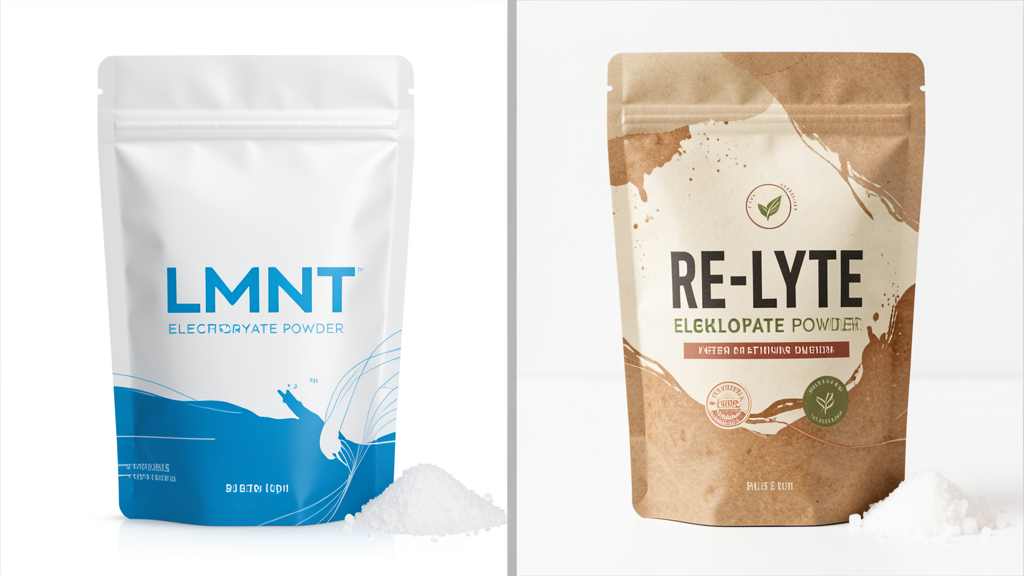
LMNT vs Re-Lyte electrolytes for fasting — which zero-sugar drink mix actually keeps you hydrated during a 16:8 intermittent fast or a multi-day water fast? Both brands dominate the fasting and keto electrolyte market, but their formulas, mineral profiles, and pricing are surprisingly different. This comparison breaks down every detail so you can pick the right one for your fasting routine.
Electrolytes are the unsung heroes of fasting. When you skip food for 16 hours or longer, your body flushes sodium, potassium, and magnesium at an accelerated rate. Without replenishment, you get the dreaded fasting brain fog, headaches, muscle cramps, and fatigue that sends most beginners running back to their kitchen at hour 12.
LMNT and Re-Lyte are the two most recommended electrolyte brands in the fasting community. Both are zero-sugar, keto-friendly, and designed for people who take their hydration seriously. But they approach the problem from different angles — and the differences matter more than you might think. Let’s dig into what makes each brand unique and which one deserves a spot in your fasting toolkit.
LMNT vs Re-Lyte: Ingredient Philosophy and Source
The biggest philosophical difference between these two brands starts at the source of their sodium.
LMNT uses standard sodium chloride (table salt) as its primary sodium source. The formula is straightforward: 1,000 mg of sodium per serving, derived from salt, plus citric acid or malic acid for flavor, magnesium malate, potassium chloride, natural flavors, and stevia leaf extract. It is a clean, no-frills formula that prioritizes function over ingredient story. The team behind LMNT — which includes Robb Wolf, a well-known figure in the paleo and keto community — designed the product with a specific electrolyte ratio based on clinical research about optimal sodium intake for active people.
Re-Lyte takes a different approach by using Redmond Real Salt — unrefined sea salt harvested from an ancient underground deposit in Redmond, Utah. This salt contains over 60 trace minerals naturally occurring in the deposit, including small amounts of calcium, magnesium, potassium, and dozens of others. Redmond Life, the parent company, has built its entire brand around the mineral-rich profile of this salt source. The brand launched in 2018 and has gained a strong following in the fasting and keto communities for its emphasis on clean, whole-food-sourced ingredients.
For fasters, this distinction matters in two ways. First, the trace minerals in Re-Lyte’s salt provide a broader spectrum of micronutrients that may support cellular hydration beyond just sodium and potassium. Second, the taste of unrefined sea salt is subtly different from standard table salt — some people find it smoother and less harsh, while others prefer the clean salt taste of LMNT.
Neither formula contains sugar, artificial sweeteners, or artificial colors. Both use stevia as a sweetener and are paleo and keto compliant. If ingredient sourcing matters to you, Re-Lyte wins on transparency and mineral diversity. If you want a proven, no-nonsense formula, LMNT delivers exactly what it promises.
Electrolyte Breakdown: Sodium, Potassium, and Magnesium Compared
This is where the real differences show up. Let’s compare the electrolyte content per serving side by side.
LMNT per serving:
- Sodium: 1,000 mg
- Potassium: 200 mg
- Magnesium: 60 mg
Re-Lyte per serving:
- Sodium: 1,000 mg (from Redmond Real Salt)
- Potassium: 390 mg
- Magnesium: 120 mg
Both deliver the same sodium, but Re-Lyte nearly doubles the potassium and doubles the magnesium. This is significant for fasting because potassium and magnesium are the two minerals most depleted during extended fasts. Potassium supports heart rhythm, muscle contraction, and nerve function. Magnesium supports over 300 enzymatic reactions in the body, including energy production and sleep quality.
During a 16:8 intermittent fast, the difference may be noticeable but manageable. During a 24-hour or multi-day fast, the extra potassium and magnesium in Re-Lyte can make a meaningful difference in how you feel. Many experienced fasters report that Re-Lyte provides a more “complete” feeling of replenishment compared to sodium-heavy formulas.
However, LMNT’s lower potassium and magnesium levels may actually be an advantage for people who are sensitive to these minerals or who get adequate amounts from food during their eating window. Not everyone needs maximum electrolyte doses — and over-supplementing potassium, in particular, can cause issues for people on certain medications or with kidney conditions. Always consult your healthcare provider before starting any supplement regimen, especially if you have underlying health conditions.
It is also worth noting that both brands include chloride — an often-overlooked electrolyte that plays a critical role in stomach acid production and fluid balance. LMNT gets its chloride from potassium chloride, while Re-Lyte gets additional chloride from its unrefined salt source. For most people, chloride intake is not a concern, but it is good to know that both brands cover this base.
Taste, Mixability, and Flavor Options
Let’s be honest — if an electrolyte drink tastes bad, you are not going to drink it consistently. Both LMNT and Re-Lyte have invested heavily in flavor development, but they approach taste differently.
LMNT offers 10 flavors across its lineup, including Watermelon Salt, Raspberry Salt, Citrus Salt, Orange Salt, Raw Unflavored, Chocolate Salt, Mango Chili, Lemonade Salt, and others. The “Salt” suffix is intentional — LMNT’s signature flavor profile is salty-sweet, with a noticeable salt kick that many fasters actually prefer because it feels more like a real hydration drink than a candy-flavored supplement. The Chocolate Salt flavor has become a cult favorite among keto dieters for making a fasting-friendly hot chocolate.
Re-Lyte offers a similar number of flavors, including Lemon Lime, Watermelon, Mango, Strawberry Lemonade, Unflavored, and others. Re-Lyte’s flavors tend to be slightly less salty-tasting than LMNT, with the unrefined salt providing a more mineral-forward taste profile. Some people describe it as “earthier” or “cleaner” than LMNT’s more aggressive salt flavor. The brand has also expanded into flavored sparkling water options for people who prefer carbonated hydration.
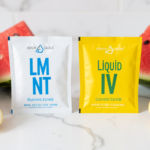
Mixability is excellent for both. Both dissolve quickly in cold water with minimal stirring. Neither leaves a gritty residue, and both work well in plain water or sparkling water. LMNT’s packets are single-serve and travel-friendly, while Re-Lyte comes in both packets and larger tubs for regular users who want better per-serving value.
The taste test is highly subjective, and the only way to know which you prefer is to try both. Both brands offer sample packs on Amazon that let you test multiple flavors before committing to a full box. If you are new to electrolyte supplements, starting with a variety pack from each brand is the smartest move.
Price and Value: Which Electrolyte Brand Gives You More
Pricing matters, especially if you are drinking electrolytes daily during a fasting routine.
LMNT typically costs around $35-$45 for a 30-count box on Amazon, which works out to roughly $1.17-$1.50 per serving. The brand also offers a Subscribe and Save option that can bring the per-serving cost down to about $1.00-$1.20. LMNT’s single-serve packets are convenient but add to the per-serving cost compared to bulk tub options.
Re-Lyte comes in at a similar price point, with 30-count boxes running $30-$40 on Amazon. Re-Lyte’s larger tub options (which require you to measure your own scoops) can bring the per-serving cost down further, sometimes to $0.80-$1.00 per serving. For daily fasters who go through a lot of electrolytes, the tub format offers better long-term value.
When you factor in the higher potassium and magnesium content, Re-Lyte offers more electrolytes per dollar. If you are currently taking separate potassium and magnesium supplements alongside LMNT, switching to Re-Lyte could actually save you money by consolidating your supplement stack. A single tub of Re-Lyte can replace three separate supplement bottles.
Both brands are available on Amazon with free Prime shipping, and both offer variety packs that let you test different flavors. Check the latest prices and deals on LMNT electrolyte powder and Re-Lyte electrolyte powder to compare current pricing.
Which Electrolyte Brand Is Better for Fasting?
Both LMNT and Re-Lyte are excellent electrolyte brands — there is no bad choice here. But each one shines in different scenarios, and understanding those scenarios will help you make the right call for your specific fasting routine.
Choose LMNT if:
- You are doing standard 16:8 intermittent fasting and want a reliable, well-known formula
- You prefer a saltier taste profile and enjoy the bold, salty-sweet flavor
- You want single-serve packets for convenience and portability
- You already get adequate potassium and magnesium from food during your eating window
- You like the brand’s community and marketing (LMNT has a massive following in the fasting and keto space)
Choose Re-Lyte if:
- You are doing extended fasts (24+ hours) where maximum electrolyte replenishment matters
- You want higher potassium (390 mg) and magnesium (120 mg) without taking separate supplements
- You value unrefined, trace-mineral-rich ingredients from a single sourced salt deposit
- You want better per-serving value with tub options for daily use
- You prefer a slightly less salty, more mineral-forward taste
For many fasters, the answer comes down to personal preference and fasting style. If you are doing 16:8 every day, either brand will keep you feeling great. If you are pushing into 24-hour fasts or multi-day water fasts, Re-Lyte’s higher mineral content gives you more coverage with fewer additional supplements.
A practical approach: grab a sampler pack of both and test them side by side during your next fasting week. Your body will tell you which one works better for your specific needs. And if you are just getting started with fasting, check out our guide to how fasting resets your circadian rhythm to learn more about the science behind why fasting works.
Frequently Asked Questions
Can I drink LMNT or Re-Lyte while fasting?
Yes. Both LMNT and Re-Lyte contain zero sugar and zero calories, so they will not break your fast. They are specifically designed for fasting, keto, and low-carb lifestyles. The electrolytes in these drinks support hydration without triggering an insulin response.
Which has more sodium — LMNT or Re-Lyte?
Both deliver 1,000 mg of sodium per serving, which is the same amount. The difference is the source: LMNT uses standard sodium chloride, while Re-Lyte uses unrefined Redmond Real Salt with over 60 trace minerals.
Is Re-Lyte worth the extra cost over LMNT?
If you need higher potassium and magnesium without taking separate supplements, Re-Lyte can actually save you money by consolidating your electrolyte stack. For casual 16:8 fasters, LMNT provides everything you need at a competitive price. The value depends on your fasting style and supplement needs.
Do electrolytes break a fast?
Zero-calorie electrolytes like LMNT and Re-Lyte do not break a fast. They contain no sugar, no carbs, and no calories. In fact, drinking electrolytes during a fast helps you fast longer and feel better by preventing the dehydration and mineral depletion that cause fatigue and headaches.
Which tastes better — LMNT or Re-Lyte?
Taste is subjective. LMNT has a bolder, saltier flavor profile that many fasters love. Re-Lyte has a slightly more mineral-forward, earthier taste from the unrefined salt. The best approach is to try both — each brand offers variety packs on Amazon so you can compare flavors side by side.
As an Amazon Associate, I earn from qualifying purchases.