
Is Dry Fasting Safe? 5 Questions Answered 2026
Dry fasting has exploded in popularity on social media, with TikTok creators and wellness influencers claiming it delivers faster results than traditional water fasting. But is skipping both food AND water actually safe? And does it offer real benefits beyond what water fasting provides?
In this guide, we answer the five most common questions about dry fasting, examine what the research actually says, and help you decide whether this extreme approach is right for you. We’ll also cover who should absolutely avoid dry fasting and provide a safe protocol for those who want to try it.
What Is Dry Fasting and How Does It Differ from Water Fasting?
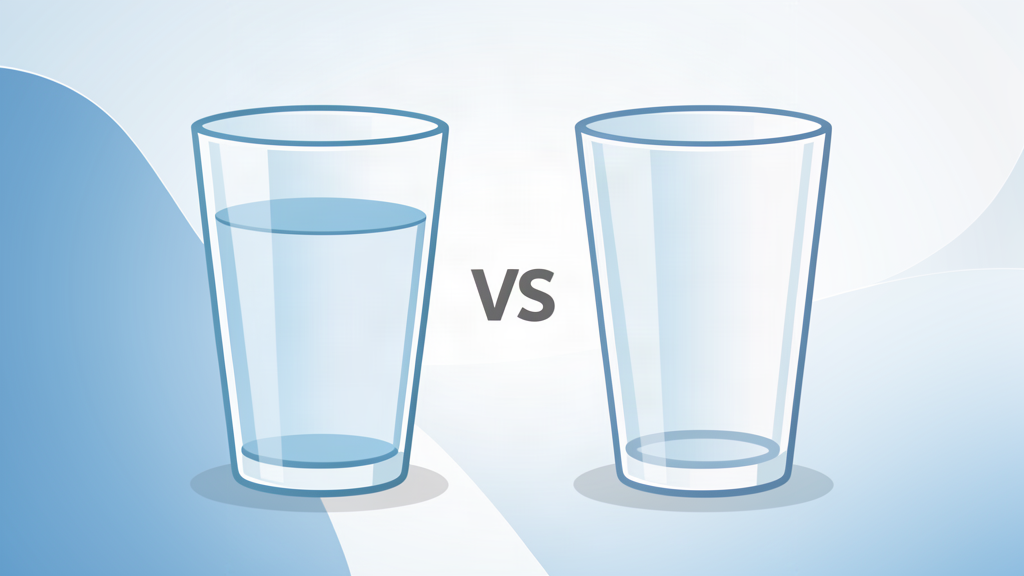
Dry fasting is a form of fasting where you consume no food and no liquids — including water — for a set period. It’s significantly more restrictive than water fasting, which allows unlimited water, herbal tea, and other non-caloric beverages.
There are two main types of dry fasting:
- Soft dry fasting: No food or drink, but you may brush your teeth, shower, or swim (external water contact is permitted)
- Hard dry fasting: No food, drink, or external water contact — no showering, swimming, or even stepping in the rain
Water fasting, by contrast, lets you drink as much water as you want throughout your fasting window. Most intermittent fasting protocols (16:8, OMAD, alternate-day fasting) are water fasts — you simply restrict when you eat, not what you drink.
The key difference comes down to hydration. During a water fast, your kidneys stay flush and your body can process waste products efficiently. During a dry fast, your body must extract water from your cells and tissues to perform the same basic functions — a process that accelerates weight loss but also dramatically increases dehydration risk.
Water fasting vs dry fasting — a quick comparison:
- Weight loss speed: Dry fasting produces faster scale weight loss (mostly water), but actual fat loss is similar over 48+ hours
- Safety: Water fasting is significantly safer for fasts over16 hours
- Sustainability: Most people can repeat water fasts weekly; dry fasting should be occasional at most
- Autophagy: Both trigger autophagy, but water fasting has more research support
- Medical consensus: Water fasting is accepted by mainstream medicine; dry fasting is not
Is Dry Fasting Safe? What the Research Says
Here’s the honest answer: dry fasting carries significantly more risk than water fasting, and most medical professionals do not recommend it.
A 2024 Cleveland Clinic review highlighted several dangers of dry fasting, including severe dehydration, electrolyte imbalances, kidney strain, and in extreme cases, organ damage. A 2026 Noom analysis reinforced these concerns, noting that dry fasting doesn’t produce better outcomes than regular fasting while adding substantial safety risks.
The primary risks include:
- Severe dehydration: Without water intake, your body can lose 1-2 liters of water per day through breathing, sweating, and urination. After 24-48 hours, dehydration becomes clinically significant. Symptoms include dry mouth, dark urine, dizziness, rapid heartbeat, and confusion.
- Electrolyte imbalance: Sodium, potassium, and magnesium levels can drop dangerously low, potentially causing heart arrhythmias, muscle cramps, and neurological symptoms. This is particularly dangerous because you can’t supplement electrolytes during a dry fast.
- Kidney stress: Your kidneys must work overtime to conserve water while filtering waste. Pre-existing kidney conditions make dry fasting particularly dangerous — and you may not know you have kidney issues until they’re symptomatic.
- Heatstroke risk: Without water intake, your body’s ability to regulate temperature through sweating is severely compromised. Even moderate temperatures can become dangerous.
- Muscle wasting: Severe dehydration accelerates muscle protein breakdown as your body scavenges water from muscle tissue. This undermines the muscle-preservation benefits that many fasters seek.
- Cognitive impairment: Dehydration affects brain function quickly — within hours, not days. You may experience difficulty concentrating, irritability, and poor decision-making, which is particularly problematic if you’re driving or operating machinery.
If you choose to dry fast, medical supervision is strongly recommended — especially for fasts exceeding 16-24 hours.
What Are the Purported Benefits of Dry Fasting?
Proponents of dry fasting claim several benefits, though many lack robust scientific evidence:
- Faster weight loss: Dry fasting does accelerate weight loss compared to water fasting, but much of the initial loss is water weight, not fat. A 2023 study in the Journal of Fasting and Health found that dry fasters lost 1.5-2x more weight than water fasters over 24 hours, but the difference narrowed significantly over 48-72 hours as water fasters’ bodies adjusted. The scale drops faster with dry fasting because you’re not replacing the water your body uses — but don’t mistake water loss for fat loss.
- Enhanced autophagy: Some researchers theorize that the increased cellular stress from dehydration may trigger autophagy (your body’s cellular cleanup process) more aggressively. However, human studies are limited, and most autophagy research has been conducted on water fasting or caloric restriction. The claim remains speculative until we have comparative human studies.
- Intensified detoxification: The idea here is that without dilution from water intake, toxins become more concentrated and trigger a stronger elimination response. This concept is largely theoretical and not well-supported by clinical evidence — your liver and kidneys handle detoxification regardless of water intake.
- Mental clarity: Some dry fasters report heightened mental focus during the fast. This may be related to ketosis, adrenaline response to stress, or the psychological effect of completing a challenging protocol. Water fasters report similar benefits.
- Spiritual or religious purposes: Some practitioners use dry fasting for spiritual reasons, viewing the added challenge as a form of discipline or purification. This is a valid personal choice but isn’t a medical benefit.
The reality is that most benefits attributed to dry fasting can also be achieved through water fasting — with far less risk. If autophagy is your goal, a 24-72 hour water fast achieves similar results with much greater safety.
How Long Can You Safely Dry Fast?
Most experts recommend limiting dry fasts to 12-24 hours for beginners, with experienced fasters occasionally extending to 36 hours under medical supervision. Here’s a general timeline of what happens to your body:
- 12-16 hours: Mild dehydration, increased thirst, possible headache. Generally tolerable for healthy adults. Your body is still using its existing water reserves.
- 16-24 hours: Moderate dehydration, dry mouth, reduced urination, possible dizziness. Most people should break their fast here. Your kidneys are working harder to conserve water.
- 24-36 hours: Significant dehydration, electrolyte imbalance, impaired cognitive function. Medical monitoring recommended. You may experience heart palpitations, muscle cramps, or confusion.
- 36-48 hours: Severe dehydration, risk of organ stress, potential for medical emergency. Not recommended without hospital supervision.
- 48+ hours: Life-threatening dehydration risk. Dry fasts beyond 48 hours should only be attempted in clinical settings with IV fluids available.
Important: These timelines vary significantly based on your body weight, activity level, ambient temperature, and pre-existing health conditions. If you’re active, live in a warm climate, or have any chronic health conditions, err on the shorter end.
What Should You Eat and Drink Before and After a Dry Fast?
Before your dry fast: Hydrate aggressively for 24-48 hours beforehand. Drink at least 2-3 liters of water daily, and consider supplementing with electrolyte supplements to pre-load your mineral stores. Eat water-rich foods like cucumbers, watermelon, and leafy greens. Avoid salty, processed, or high-protein foods that increase water needs.
A pre-dry-fast hydration day might look like:
- Morning: 500ml water + electrolyte packet
- Mid-morning: 500ml water + banana (potassium)
- Lunch: Large salad with cucumber, tomato, and avocado + 500ml water
- Afternoon: 500ml water + handful of nuts (magnesium)
- Dinner: Grilled fish with steamed vegetables + 500ml water
- Evening: Herbal tea (last fluid before the fast begins)
After your dry fast: Breaking a dry fast requires more caution than breaking a water fast. Start with small sips of water (100-200ml) and wait 15-30 minutes before drinking more. Avoid gulping large amounts of water quickly — this can cause hyponatremia (dangerously low sodium levels) as your body struggles to rebalance electrolytes.
A good post-dry-fast protocol:
- First 1-2 hours: Small sips of water, possibly with a pinch of sea salt
- Hours 2-4: Gradually increase water intake, add rehydration salts
- Hours 4-8: Eat light, easily digestible foods — bone broth, steamed vegetables, avocado
- Day 2: Resume normal eating, but continue prioritizing hydration
Track your recovery with a body composition scale to monitor how quickly your hydration levels return to baseline.
Who Should Avoid Dry Fasting?
Dry fasting is not appropriate for everyone. Avoid dry fasting completely if you:
- Have kidney disease or kidney stones
- Take medications that require water intake
- Are pregnant or breastfeeding
- Have a history of eating disorders
- Have diabetes (especially Type 1)
- Take blood pressure medications
- Are over 65 or under 18
- Have heart disease or take blood thinners
- Are taking diuretics
- Live in a hot climate or do physical labor
- Have a history of fainting or syncope
- Are taking psychiatric medications (many affect hydration status)
For most people, a standard water fast or intermittent fasting protocol provides all the benefits of fasting without the extreme dehydration risks.
Final Verdict: Should You Try Dry Fasting?
While dry fasting has its proponents, the medical consensus is clear: water fasting and intermittent fasting are safer, more sustainable, and equally effective for most health goals. The additional risks of dry fasting — dehydration, electrolyte imbalance, kidney stress — aren’t worth the marginal benefits for most people.
If you’re determined to try dry fasting, start with a short 12-16 hour window, stay well-hydrated in the 24 hours leading up to it, break your fast slowly with small sips of water, and consider consulting a healthcare professional — especially if you have any pre-existing conditions.
For most fasters, sticking with water fasting and proper electrolyte supplementation delivers all the benefits without putting your body through unnecessary stress.
Frequently Asked Questions
Can I drink black coffee during a dry fast?
No. A true dry fast means zero liquid intake — including coffee, tea, and even water. If you want to drink black coffee, that’s considered a modified fast or “dirty fast,” not a dry fast. Black coffee during a fasting window is perfectly fine for most people and won’t break your fast, but it disqualifies the fast from being “dry.”
How much weight can you lose on a 24-hour dry fast?
Most people lose 2-4 pounds on a 24-hour dry fast, but the majority of this is water weight. Actual fat loss is typically 0.3-0.5 pounds — similar to what you’d lose on a 24-hour water fast. The scale drops faster with dry fasting because you’re not replacing the water your body uses, but don’t mistake water loss for fat loss. If you’re weighing yourself, expect to see the number jump back up within 24-48 hours of rehydrating.
Is dry fasting better for autophagy than water fasting?
There’s no strong human evidence that dry fasting produces significantly more autophagy than water fasting. While the increased cellular stress from dehydration might theoretically trigger a stronger autophagic response, most autophagy research has focused on water fasting, caloric restriction, or time-restricted eating. Until we have comparative human studies, the claim remains speculative. If autophagy is your primary goal, a 24-72 hour water fast is better supported by research.
Can I exercise during a dry fast?
Light exercise (walking, gentle yoga) may be possible during a short dry fast (12-16 hours), but anything strenuous is strongly discouraged. Exercise increases water loss through sweat, accelerating dehydration. If you must move, keep it gentle, stay in a cool environment, and stop immediately if you feel dizzy, lightheaded, or develop a rapid heartbeat. Many experienced fasters recommend complete rest during any extended fast, dry or otherwise.
What’s the best way to break a dry fast safely?
Start with small sips of water — about 100-200ml — and wait 15-30 minutes. Gradually increase your intake over 2-4 hours. Add a pinch of sea salt or use rehydration salts to replenish electrolytes. Avoid eating solid food for the first 2-4 hours. When you do eat, start with light, easily digestible options like bone broth, steamed vegetables, or avocado. Avoid large meals, salty foods, and caffeine for at least 12 hours after breaking your fast.
Does dry fasting boost your immune system more than water fasting?
There’s no evidence that dry fasting provides additional immune benefits beyond what water fasting offers. Both forms of fasting can reduce inflammation and support immune function through mechanisms like autophagy and ketosis. The added dehydration stress of dry fasting may actually suppress immune function rather than enhance it, as your body diverts resources to maintaining basic hydration rather than immune surveillance.
Can I take supplements during a dry fast?
No — taking supplements requires swallowing liquid or pills with water, which breaks a dry fast. Even sublingual supplements that dissolve under your tongue technically violate the “no intake” principle. If you need to take medication, that’s a strong signal that dry fasting isn’t appropriate for you. Consult your doctor about whether a modified fasting approach might work with your medication schedule.
As an Amazon Associate, I earn from qualifying purchases. This article is for informational purposes only and does not constitute medical advice. Always consult a healthcare professional before starting any fasting program.