
How to Make Cold Brew Coffee for Fasting
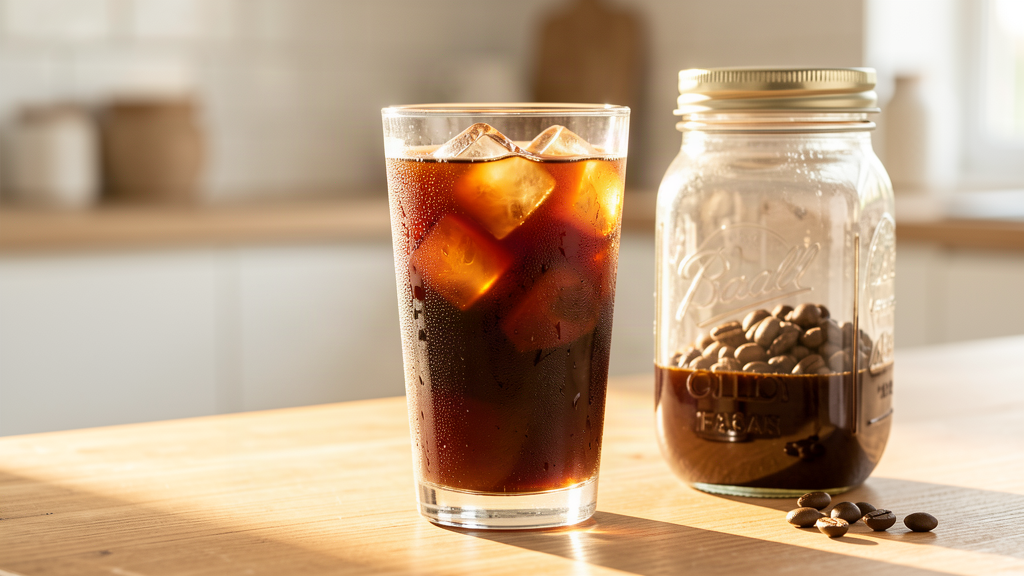
Cold brew coffee has become one of the most popular drinks among intermittent fasters, and for good reason. It delivers smooth, low-acid caffeine without the bitterness of hot-brewed coffee, it stays fresh in the fridge for up to two weeks, and it contains virtually zero calories — making it the perfect companion for your fasting window. But if you have never made cold brew at home, you might be wondering where to start. This guide walks you through exactly how to make cold brew coffee for fasting, what equipment you need, which beans work best, and how to keep your brew fasting-friendly without breaking your fast.
Whether you follow a 16:8 schedule, do alternate-day fasting, or simply enjoy black coffee in the morning before your first meal, learning to brew cold brew at home saves money, gives you full control over ingredients, and ensures you never run out of your fasting fuel. Let’s dive in.
Why Cold Brew Is the Best Coffee for Fasting
Before we get into the how-to, it helps to understand why cold brew stands out among fasting-friendly beverages. The answer comes down to three key factors: calorie content, acidity, and convenience.
Zero Calories, Zero Problem
Plain black cold brew coffee contains roughly 3-5 calories per serving. That is well below the threshold that would trigger an insulin response or break your fast. Unlike lattes, flavored coffees, or even some “healthy” creamers, cold brew in its pure form keeps you firmly in a fasted state. The key word here is plain — adding sugar, milk, or sweetened creamers will add calories and potentially break your fast.
Lower Acidity Than Hot Coffee
Cold brew is 60-70% less acidic than traditionally brewed hot coffee. The slow steeping process in cold water extracts fewer of the acidic compounds that cause stomach irritation. If you fast on an empty stomach and find that hot coffee gives you jitters or digestive discomfort, cold brew is worth trying. Many fasters report that switching to cold brew eliminated their morning stomach issues entirely.
Batch Brewing Saves Time
One of the biggest advantages of cold brew is that you make a large batch once and drink it throughout the week. A single batch of cold brew concentrate can last 7-14 days in the refrigerator. For someone following a fasting schedule, this means you always have your morning coffee ready to grab — no waiting for a pot to brew, no fumbling with a French press at 6 AM. Just pour, dilute if desired, and enjoy.
What You Need to Make Cold Brew at Home
Making cold brew requires surprisingly little equipment. You do not need an expensive specialty machine — a few basic items will produce excellent results.
The Essentials
Coarse ground coffee: Start with a medium-dark or dark roast, ground to a coarse consistency (similar to raw sugar or breadcrumbs). Fine grounds will over-extract and turn bitter, and they clog most filters. If you buy whole beans, a burr grinder gives you the most consistent grind. Pre-ground coffee labeled “coarse” or “cold brew” works well too.
Cold, filtered water: Use filtered water for the cleanest taste. Tap water with heavy chlorine will give your brew a chemical aftertaste. The standard ratio is 1 cup of coarse grounds to 4 cups of cold water, but you can adjust this to taste.
A large container: A mason jar, large pitcher, or dedicated cold brew maker works perfectly. Glass is preferred because it does not absorb flavors or odors. A 64-ounce container makes enough concentrate for about a week of daily servings.
A filter or strainer: After steeping, you need to separate the grounds from the liquid. A fine mesh strainer, cheesecloth, or a dedicated cold brew filter bag all work. Some cold brew makers come with built-in stainless steel filters.
Nice-to-Have Equipment
While the essentials are truly all you need, a few upgrades can improve your experience:
A dedicated cold brew maker combines the steeping container and filter into one sleek package. The Takeya Patented Deluxe Cold Brew Coffee Maker is a popular choice — it holds 2 quarts, has a leak-proof lid, and includes a fine mesh filter. For larger batches, look at 64-ounce glass cold brew makers with stainless steel filters.
A kitchen scale helps you measure your coffee-to-water ratio precisely. Consistency matters when you are making a batch meant to last all week. A basic digital scale is inexpensive and eliminates guesswork.
A quality burr grinder gives you the coarse, even grind that cold brew demands. Blade grinders produce uneven particles that lead to inconsistent extraction — some grounds over-steep while others under-extract.
Step-by-Step: How to Make Cold Brew Concentrate
Here is the exact process for making cold brew concentrate. This concentrate is stronger than regular coffee, so you will dilute it with water or ice before drinking.
Step 1: Measure Your Coffee
Use a ratio of 1 part coffee to 4 parts water for a strong concentrate. For a standard 32-ounce batch, measure out 1 cup (about 90-100 grams) of coarse ground coffee. If you prefer a milder brew, use a 1:5 or 1:6 ratio instead.
Step 2: Combine Coffee and Water
Add the grounds to your container, then pour cold filtered water over them. Stir gently with a long spoon to make sure all the grounds are saturated. Do not use hot water — cold brew is called “cold” for a reason. Hot water extracts different compounds and changes the flavor profile entirely.
Step 3: Steep in the Refrigerator
Cover your container and place it in the refrigerator. Steep for 12-18 hours. Most people find that 16 hours hits the sweet spot — strong enough to have body, smooth enough to drink black. Steeping at room temperature works but produces a more acidic brew, so the fridge is better for fasting purposes.
A common schedule is to start your batch at 8 PM and strain it the next morning. By the time you finish your fasting window and are ready for your first meal, your cold brew is ready.
Step 4: Strain and Filter
After steeping, strain the mixture through a fine mesh strainer lined with cheesecloth, or use the built-in filter of your cold brew maker. Pour slowly to avoid pushing fine particles through. For the clearest brew, strain twice — once through a mesh strainer, then through a coffee filter or paper towel.
Step 5: Dilute and Serve
Your concentrate is roughly twice as strong as regular coffee. To serve, mix equal parts concentrate and water (or milk if you are breaking your fast). For a fasting-friendly drink, use cold water and pour over ice. Add a pinch of sea salt or a splash of unsweetened almond milk (under 5 calories) if you want to soften the flavor without breaking your fast.
Store the undiluted concentrate in a sealed container in the fridge. It will stay fresh for 10-14 days, giving you plenty of time to enjoy your batch.
Tips for Fasting-Friendly Cold Brew
Making cold brew is straightforward, but a few tips will help you get the best results while staying true to your fasting goals.
Choose the Right Beans
Medium-dark and dark roasts work best for cold brew. They produce a smooth, chocolatey flavor that tastes excellent black — which is how you should drink it during your fasting window. Light roasts tend to taste sour or fruity when cold-brewed, and they lack the body that makes cold brew satisfying. Look for single-origin beans from Colombia, Brazil, or Guatemala for a consistently smooth flavor.
Avoid Sweetened Additives
This is the most important rule for fasting-compatible cold brew. Sugar, flavored syrups, sweetened creamers, and even honey will add calories and trigger an insulin response. If you need to sweeten your coffee during a fast, consider a tiny amount of stevia or monk fruit sweetener — both are calorie-free and do not break a fast for most people.
Some fasters allow themselves black coffee with a splash of heavy cream (under 1 tablespoon) without considering it a fast-breaking amount. This is a personal choice and depends on your fasting goals. For strict autophagy-focused fasting, stick to black cold brew with nothing added.
Batch Your Week on Sunday
Set aside 10 minutes on Sunday evening to make a fresh batch. Measure your grounds, add water, refrigerate, and strain Monday morning. This gives you a full week of cold brew ready to go. Having your coffee pre-made removes one more decision from your morning routine and makes it easier to stick to your fasting schedule.
Use a Reusable Bottle or Tumbler
Invest in a quality insulated tumbler or water bottle to keep your cold brew cold throughout the morning. A good insulated bottle maintains temperature for 12+ hours, which means your coffee stays refreshing even if you brewed it the night before. Look for insulated stainless steel tumblers that hold at least 20 ounces — large enough for a full serving of diluted cold brew over ice.
Track Your Coffee Intake
If you are serious about fasting, tracking what you drink during your fasting window is just as important as tracking what you eat. A simple fasting journal helps you log your daily coffee intake, water consumption, and how you feel during your fast. Over time, patterns emerge that help you optimize your routine.
Common Mistakes to Avoid
Even though cold brew is simple, a few mistakes can ruin your batch or make it less fasting-friendly.
Using fine grounds: Fine coffee grounds over-extract during the long steep, producing a bitter, muddy brew. Always use coarse grounds for cold brew.
Steeping too long: While 12-18 hours is the standard range, going beyond 24 hours produces an overly bitter, astringent brew. Set a timer and stick to it.
Diluting with sweetened liquids: It is tempting to reach for a flavored creamer, but that adds 30-80 calories and breaks your fast. Stick to water, ice, or a splash of unsweetened almond milk.
Storing at room temperature: Cold brew left at room temperature grows bacteria within 24 hours. Always refrigerate your concentrate immediately after straining.
Not preheating your grinder: If you grind your own beans, cold burrs can cause static cling and uneven grinding. Let your grinder run for a few seconds before adding beans for a more consistent grind.
FAQ
Does cold brew coffee break a fast?
Plain black cold brew coffee does not break a fast. It contains approximately 3-5 calories per serving, which is far below the threshold that would trigger an insulin response. However, adding sugar, milk, cream, or flavored syrups will add calories and potentially break your fast. For strict fasting, drink your cold brew black with nothing added.
How long does cold brew last in the fridge?
Cold brew concentrate stays fresh for 10-14 days when stored in a sealed container in the refrigerator. Once diluted, consume it within 24-48 hours for the best flavor. Always use clean equipment and filtered water to extend shelf life.
Can I use any coffee for cold brew?
You can use any coffee beans, but medium-dark and dark roasts produce the best cold brew. They yield a smooth, rich flavor that tastes great black. Light roasts tend to taste sour when cold-brewed. Use a coarse grind regardless of roast level — fine grounds over-extract and turn bitter.
What is the best ratio for cold brew concentrate?
The standard ratio is 1 part coarse coffee to 4 parts cold water by volume. This produces a strong concentrate that you dilute with equal parts water or ice before drinking. If you prefer a milder brew, use a 1:5 or 1:6 ratio. A kitchen scale helps you measure precisely for consistent results.
Is cold brew healthier than hot coffee?
Cold brew is 60-70% less acidic than hot coffee, which makes it gentler on your stomach — especially important when fasting on an empty stomach. Both contain similar amounts of caffeine and antioxidants. The main health advantage of cold brew is the lower acidity, which can reduce digestive discomfort for sensitive individuals.
Start Your Cold Brew Routine Today
Making cold brew coffee for fasting is one of the simplest upgrades you can make to your routine. It takes about 10 minutes of active preparation, costs a fraction of what you would pay at a coffee shop, and gives you a week’s worth of smooth, fasting-friendly coffee. Start with a basic setup — a large jar, coarse grounds, cold water, and a strainer — and upgrade your equipment as you find your groove.
Once you have your cold brew system dialed in, pair it with a fasting timer and a journal to track your progress. The combination of consistent coffee, consistent tracking, and a clear fasting schedule is what turns a casual faster into a committed one.
As an Amazon Associate, I earn from qualifying purchases.
Related posts:
 Best Cold Plunge Tubs for Fasting Recovery in 2026: Complete Buyer’s Guide
 Cold Plunge Tub Buying Guide for Fasting Recovery (2026)
 Does Coffee Break Your Fast? The Complete Science-Backed Guide for 2026
 Bulletproof The High Achiever Ground Coffee Review
 Bulletproof Original Medium Roast Ground Decaf Coffee Review