
Berberine for Fasting: What’s New in 2026
Berberine has quietly become one of the most talked-about supplements in the fasting community. Once reserved for traditional Chinese medicine practitioners, this golden alkaloid is now dominating health forums, longevity podcasts, and metabolic research journals in 2026. If you’ve been fasting and wondering whether berberine deserves a spot in your routine, you’re not alone.
In this guide, we break down what the latest research says about berberine and fasting, how it works at the cellular level, which products are worth your money this year, and how to safely integrate it into your intermittent fasting or extended fasting protocol.
What Is Berberine and Why Is It Trending?
Berberine is a bioactive compound extracted from several plants, including barberry, goldenseal, and Oregon grape. It has been used in Ayurvedic and Chinese medicine for centuries, but Western research has only recently caught up. In 2026, berberine is trending for one primary reason: a growing body of clinical evidence shows it can mimic some effects of metformin — a prescription diabetes drug — without the prescription.
A 2026 meta-analysis published in Phytotherapy Research analyzed over 20 randomized controlled trials and found that berberine significantly reduced fasting plasma glucose, HbA1c, and LDL cholesterol. These findings have sparked enormous interest among fasting enthusiasts who are already focused on metabolic optimization. The BBC Good Food team also published a comprehensive berberine supplement review in 2026, testing products across multiple price points and formulations.
What makes berberine particularly relevant for fasters is its mechanism of action. Berberine activates AMP-activated protein kinase (AMPK), the same cellular energy sensor that fasting activates naturally. When you combine berberine with a fasting protocol, you’re essentially doubling down on AMPK activation — potentially accelerating fat oxidation, improving insulin sensitivity, and supporting the cellular cleanup process known as autophagy.
The timing of this trend isn’t coincidental. As more people adopt intermittent fasting and extended fasting for longevity and metabolic health, the demand for supplements that enhance these protocols has surged. Berberine sits at the intersection of traditional medicine wisdom and modern metabolic science, making it a natural fit for the fasting community in 2026.
How Berberine Works During a Fast
Understanding how berberine interacts with fasting requires a closer look at AMPK. AMPK is often called the body’s “metabolic master switch.” When energy is low — as during a fast — AMPK activates to conserve energy, burn stored fat, and initiate cellular cleanup processes like autophagy.
Berberine activates AMPK through a slightly different pathway than fasting. While fasting depletes ATP (the body’s energy currency), berberine directly inhibits mitochondrial complex I, which reduces ATP production and triggers the same AMPK cascade. This means berberine can activate fasting-like metabolic pathways even during your eating window.
Blood Sugar Regulation: Berberine reduces fasting glucose by an average of 15-20% in clinical trials. For fasters, this means more stable energy during the fasting window and fewer cravings when it’s time to eat. A 2026 study published beforeitsnews.com reported that berberine reduced two-hour glucose tolerance by 1.606 mmol/L — a clinically meaningful improvement that directly supports fasting adherence.
Fat Oxidation and Ketone Production: By activating AMPK, berberine promotes the breakdown of stored fatty acids for energy. Several studies show increased fat oxidation rates when berberine is combined with caloric restriction or intermittent fasting protocols. Some practitioners report entering ketosis faster when supplementing with berberine, though more research is needed to confirm this effect.
Gut Microbiome Support: Berberine has antimicrobial properties that reshape the gut microbiome in beneficial ways. It selectively reduces harmful bacteria while preserving beneficial strains like Lactobacillus and Bifidobacterium. A healthier gut environment supports better nutrient absorption during eating windows and may reduce the bloating and digestive discomfort that some fasters experience when breaking their fast.
Autophagy Enhancement: While direct human studies on berberine and autophagy are limited, animal models consistently show enhanced autophagic activity when berberine is combined with fasting. The AMPK activation pathway is the primary driver, with some evidence suggesting berberine also modulates mTOR signaling — another key pathway in the autophagy process.
Cholesterol and Lipid Management: Multiple clinical trials demonstrate that berberine reduces LDL cholesterol by 20-30% and triglycerides by similar margins. For fasters focused on cardiovascular health alongside weight management, this dual benefit is particularly appealing. The mechanism involves upregulation of LDL receptors in the liver, which clears more cholesterol from the bloodstream.
Best Berberine Supplements for Fasting in 2026
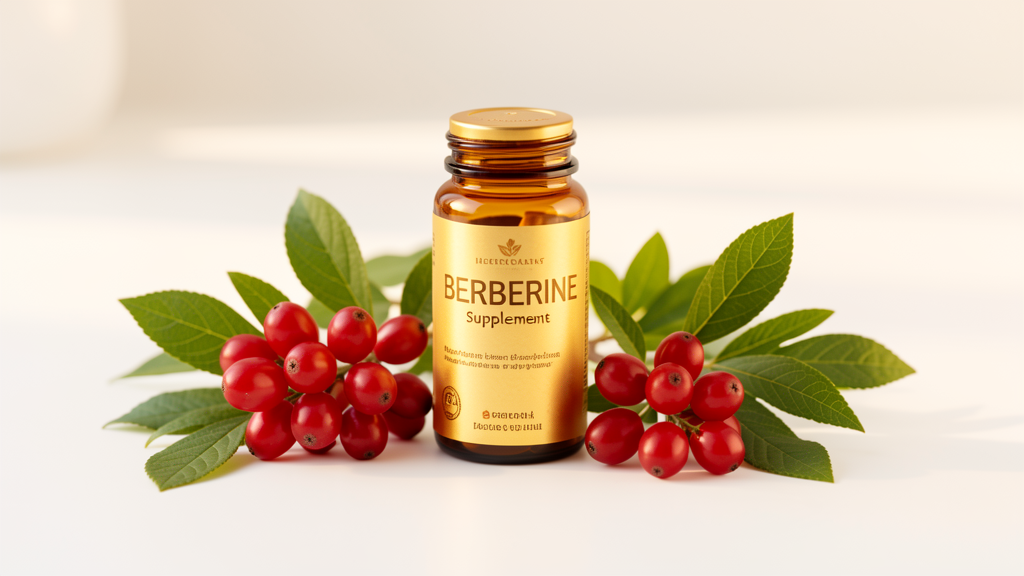
Not all berberine supplements are created equal. The market has exploded in 2026, with dozens of brands competing for attention. Here are the key factors to consider when choosing a berberine supplement for fasting:
Berberine HCl vs. Dihydroberberine: Most supplements contain berberine hydrochloride (HCl), which is the standard form used in clinical research. Dihydroberberine (DHB) is a reduced form that claims higher bioavailability — some studies suggest it’s absorbed up to five times better than standard berberine HCl. However, DHB is more expensive, less studied in long-term trials, and may not be necessary for most fasters. For the majority of people, standard berberine HCl at 500mg is the evidence-backed choice that delivers reliable results.
Timing Your Dose: The most common clinical recommendation is to take berberine 15-30 minutes before meals. For intermittent fasters following a 16:8 or 18:6 protocol, this means taking it just before your eating window opens. Some practitioners recommend taking it during the fast for enhanced AMPK activation, but this can cause mild digestive discomfort in sensitive individuals. Starting with a pre-meal dose and adjusting based on tolerance is the safest approach.
Dosage Guidelines: Clinical trials typically use 500mg taken 2-3 times daily, totaling 1,000-1,500mg per day. For fasting purposes, a single 500mg dose before your eating window is a reasonable starting point. Always start with a lower dose — 250mg — for the first week to assess tolerance, then gradually increase to the full 500mg dose. Splitting the dose across meals (250mg twice daily) may be better for those who experience stomach sensitivity.
Here are the top-rated berberine products on Amazon for fasting enthusiasts:
For a straightforward, well-reviewed option, check out berberine HCl 500mg supplements on Amazon. Look for products with third-party testing certifications like NSF or USP, transparent labeling, and no unnecessary fillers.
If you’re interested in the higher-bioavailability dihydroberberine form, search for dihydroberberine supplements on Amazon. These tend to cost more per serving but may allow you to take a lower effective dose, potentially reducing side effects while maintaining benefits.
For those who prefer a combined fasting support formula, berberine fasting support formulas on Amazon combine berberine with complementary ingredients like milk thistle for liver support, chromium for additional blood sugar regulation, or alpha-lipoic acid for antioxidant protection.
Berberine vs. Other Popular Fasting Supplements
How does berberine stack up against other popular fasting supplements? Here’s a detailed comparison to help you decide what belongs in your supplement stack:
Berberine vs. Apple Cider Vinegar: Both activate AMPK, but berberine does so more potently and through a different mechanism. Apple cider vinegar is better for immediate digestion support and can help blunt post-meal blood sugar spikes. Berberine offers deeper, more sustained metabolic benefits. Many experienced fasters use both — ACV diluted in water in the morning and berberine before their largest meal.
Berberine vs. Electrolytes: These serve completely different but equally important purposes. Electrolytes prevent dehydration and mineral depletion during fasts, addressing immediate physical needs. Berberine targets metabolic pathways and cellular energy production. You likely need both if you’re fasting regularly, especially for extended periods beyond 18 hours.
Berberine vs. Exogenous Ketones: Exogenous ketones provide immediate energy during fasts by supplying beta-hydroxybutyrate directly. Berberine promotes your body’s own ketone production over time by enhancing fat oxidation. They’re complementary rather than competing — ketones for immediate energy during a fast, berberine for long-term metabolic adaptation that makes fasting easier.
Berberine vs. NMN/NR (NAD+ Boosters): Both are longevity-focused supplements, but they work through different mechanisms. NAD+ boosters like NMN and NR support cellular energy production and DNA repair by replenishing declining NAD+ levels. Berberine focuses on metabolic regulation through AMPK activation. The longevity community increasingly recommends combining both for comprehensive cellular support, as they address different aspects of the aging process.
How to Integrate Berberine Into Your Fasting Routine
Adding berberine to an existing fasting protocol doesn’t require dramatic changes. Here’s a practical framework for getting started:
For 16:8 Intermittent Fasting: Take 500mg of berberine 15-30 minutes before breaking your 16-hour fast. This timing maximizes the metabolic benefits during your eating window when insulin sensitivity is naturally higher. You can take a second 250mg dose with your largest meal for additional support.
For OMAD (One Meal a Day): Take 500mg of berberine 30 minutes before your single meal. The extended fasting window already provides significant AMPK activation, and berberine enhances this effect. Some OMAD practitioners report that berberine reduces hunger pangs during the fasting window, making the protocol easier to sustain.
For Extended Fasts (24-72 hours): Take 500mg of berberine at the start of your extended fast. This can help accelerate the transition into deeper ketosis and may enhance autophagy. However, monitor how you feel — some people experience increased hunger or digestive discomfort when taking berberine without food during very long fasts.
Cycling Protocol: To prevent tolerance and allow your body to maintain its natural AMPK responsiveness, consider cycling berberine. A common approach is 8-12 weeks on, followed by a 4-week break. During the break, your fasting practice alone will continue to activate AMPK, and when you resume berberine, the effects may be more pronounced.
Safety Considerations and Side Effects
Berberine is generally well-tolerated when used appropriately, but there are important considerations for fasters:
Digestive Side Effects: The most common side effects are mild gastrointestinal symptoms — nausea, diarrhea, stomach cramps, and occasional constipation. These are more likely when taking berberine on a completely empty stomach. If you experience these, try taking it with a small amount of food at the start of your eating window, or reduce the dose to 250mg.
Drug Interactions: Berberine can interact with several categories of medications. Blood thinners like warfarin may have increased effects. Blood pressure medications may cause血压 to drop too low. Diabetes medications, particularly metformin, combined with berberine may cause hypoglycemia. If you take any prescription medications, consult your healthcare provider before adding berberine to your routine.
Pregnancy and Breastfeeding: Berberine should be avoided during pregnancy and breastfeeding due to insufficient safety data. Some animal studies suggest potential effects on fetal development, so erring on the side of caution is wise.
Surgery: If you have surgery scheduled, stop berberine at least two weeks before the procedure. It can affect blood sugar regulation and may interfere with anesthesia management.
The Bottom Line
Berberine represents one of the most promising natural supplements for enhancing fasting results in 2026. Its ability to activate AMPK, regulate blood sugar, support fat oxidation, and improve gut health makes it a versatile addition to virtually any fasting protocol. The research is robust, the safety profile is favorable for most healthy adults, and the product options on the market have never been better.
That said, berberine is not a magic pill. It works best as part of a comprehensive approach that includes consistent fasting practice, nutritious eating during your feeding window, adequate sleep, and regular physical activity. Think of berberine as a tool that amplifies the benefits you’re already building through your fasting lifestyle.
Start with a low dose, monitor how your body responds, and give it at least 4-8 weeks before evaluating results. As with any supplement, patience and consistency are key. If you’ve been on the fence about trying berberine for fasting, 2026 might be the year to take the plunge.
As an Amazon Associate, I earn from qualifying purchases.
Related posts:
 Unlock Your Fasting Potential: MYOXCIENCE Berberine Accelerator Review
 Rev Up Your Metabolism: Keto Berberine Complex Gummies Review!
 Best Red Light Therapy for Fasting 2026
 Dirty Fasting vs Clean Fasting: What the Science Says in 2026
 Freestyle Libre 3 vs Dexcom G7 for Fasting: Which CGM Is Best in 2026?