

Fasting and Fatty Liver: What the Science Shows in 2026
Fatty liver disease is now the most common chronic liver condition on the planet, and most people who have it have no idea. There is no pain, no obvious symptom, and no warning until blood work or an ultrasound catches it. That silence is exactly why the fasting community should care: after two decades of research, intermittent fasting has emerged as one of the most studied, most accessible, and most cost-effective tools for reducing liver fat. This guide breaks down what the latest clinical trials actually show, how fasting targets liver fat at the cellular level, which protocol works best, and where the science is still honestly unsettled.
What Fatty Liver Disease Actually Is
Fatty liver disease happens when fat builds up inside liver cells, a state doctors call steatosis. For years the condition went by the name non-alcoholic fatty liver disease, or NAFLD. In 2023, a global consensus renamed it metabolic dysfunction-associated steatotic liver disease (MASLD), because the condition tracks so closely with metabolic problems like insulin resistance, obesity, and type 2 diabetes rather than with alcohol use.
The scale of the problem is staggering. A 2025 review in Cell Bioscience puts global MASLD prevalence at roughly 30.1% of adults, and estimates the number of cases could reach 314.58 million by 2030. Among obese adults specifically, prevalence estimates run as high as 65%. The disease follows a spectrum: isolated fat accumulation (steatosis), then inflammation and liver-cell damage known as MASH (metabolic dysfunction-associated steatohepatitis), then fibrosis, cirrhosis, and in the worst cases liver cancer.
Here is the part that should get your attention: until March 14, 2024, there was no FDA-approved medication for any stage of this disease at all. Resmetirom (Rezdiffra) was approved that year for adults with MASH and moderate-to-advanced fibrosis, and it remains the only drug on the market. For everyone else, lifestyle intervention is still the primary therapy. That means the dietary choices you make during your eating window are not just helpful for weight loss, they are frontline medical treatment for the most common liver disease in the world.
What the Research Says About Fasting and Liver Fat
The clinical trial record on fasting and fatty liver has grown quickly, and the results are more consistent than most people realize. A 2025 systematic review in Cell Bioscience catalogued the randomized controlled trials of intermittent fasting in MASLD patients, and the pattern across protocols is striking.
Alternate-day fasting has produced some of the clearest results. An 8-week ADF trial by Johari and colleagues reported reductions in body weight, liver steatosis, liver fibrosis markers, and alanine aminotransferase (ALT), the liver enzyme that rises when liver cells are stressed. A 2023 randomized trial quantified the effect: three months of alternate-day fasting reduced measured liver fat by 5.48 percentage points, and when aerobic exercise was added to the protocol, the combined group outperformed fasting alone by more than double.
Time-restricted eating and the 5:2 protocol hold up as well. Hodge and colleagues reported that 12 weeks of time-restricted feeding reduced body weight, insulin resistance (HOMA-IR), liver steatosis, fibrosis markers, and leptin. A 12-week 5:2 trial by Varkaneh and colleagues found reductions in body weight, triglycerides, steatosis, ALT, and C-reactive protein, a marker of systemic inflammation. Holmer and colleagues showed 5:2 fasting reduced weight, LDL cholesterol, HbA1c, and insulin resistance alongside improvements in steatosis. Perhaps most interestingly, Xiao and colleagues compared 5:2 fasting directly against liraglutide, a GLP-1 receptor agonist drug, over 24 weeks and found comparable improvements in body weight, lipids, fasting glucose, insulin resistance, and ALT.
The honest asterisk: a 2026 study in the journal Clinics and Research in Hepatology and Gastroenterology examined intermittent fasting against MASLD-related liver fat specifically and concluded the direct effect on liver fat “remains unclear.” Part of that uncertainty comes from study design, because most trials change calories and eating patterns at the same time, making it hard to separate the effect of the fasting window itself from the simple effect of eating less. We will come back to that debate in the experts section, but the directional evidence is hard to dismiss: across multiple protocols, fasting consistently moves liver fat, liver enzymes, and metabolic markers in the right direction.
How Fasting Targets Liver Fat at the Cellular Level
To understand why fasting works on the liver, you need to understand how liver fat gets there in the first place. The liver accumulates fat through three main routes: fat arriving from the bloodstream (from dietary fat and from adipose tissue releasing stored fat), fat the liver manufactures itself through a process called de novo lipogenesis, and reduced fat burning when insulin stays chronically elevated. De novo lipogenesis is the sneaky one: when you eat excess refined carbohydrates and sugar, the liver converts them into new fatty acids. A controlled feeding study in adolescents with fatty liver found that simply reducing dietary sugar cut de novo lipogenesis from 25% to 17% of liver fat supply, with parallel drops in ALT and measurable liver fat.
Fasting attacks every one of those routes. Insulin is the master switch for de novo lipogenesis, and insulin levels fall substantially within hours of your last meal. Lower insulin means the liver stops manufacturing new fat and starts releasing stored fat for energy instead. Meanwhile, with glucose depleted, the body shifts into fat-burning mode, oxidizing fatty acids in the liver mitochondria for fuel. This is the same metabolic flexibility described in our deep dive on ketosis and fasting — the liver simply gets very good at running on fat when carbs are not arriving every few hours.
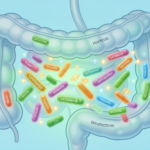
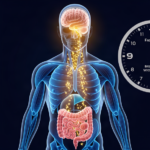
There is a cleanup mechanism too. Autophagy, the cellular housekeeping process that fasting strongly activates, includes a specialized form called lipophagy, in which the cell breaks down lipid droplets stored inside hepatocytes. Animal studies consistently show that fasting protocols increase hepatic autophagy markers alongside reductions in liver fat. On top of that, the gut-liver axis plays a major supporting role. The 2025 Cell Bioscience review highlighted that intermittent fasting enriches beneficial gut bacteria including Akkermansia, Lactobacillus, and Ruminococcaceae, and that these microbial shifts reduce the inflammatory signals traveling from the gut to the liver. Given that insulin resistance is the engine driving most MASLD (see our full breakdown of fasting and insulin resistance), the combination of lower insulin, active fat burning, cellular cleanup, and a calmer gut makes for a genuinely multi-target intervention.
Which Fasting Protocol Works Best for Your Liver?
Not all fasting protocols deliver the same liver results, and the trial data offers some practical guidance. Alternate-day fasting and the 5:2 protocol have the strongest direct evidence for liver endpoints in the published trials, likely because they create larger energy deficits and longer periods of low insulin per cycle. Time-restricted eating, typically a 16:8 window, has solid evidence for weight, insulin, and steatosis improvement but has produced smaller liver-specific effects in head-to-head comparisons. If you have diagnosed MASLD or MASH, the trial literature leans toward a more aggressive protocol than a gentle 12-hour window.
Meal timing within your eating window matters almost as much as the fasting window itself. Research summarized in the 2025 review identifies nighttime eating, irregular meal timing, and skipping breakfast as MASLD risk factors, while time-restricted eating that shifts calories earlier in the day improves metabolic outcomes. Practically, this means a front-loaded eating window (for example eating from 10 a.m. to 6 p.m. rather than noon to 10 p.m.) appears to work better for liver fat than a late window, even when total calories match.
Pairing fasting with exercise compounds the benefit. The 2023 ADF trial showed the combination group losing more than twice the liver fat of the fasting-only group. Both resistance training and aerobic exercise reduce liver fat independently, and both amplify fasting results. For monitoring, ask your doctor for baseline ALT, AST, and GGT blood work, and if you have known liver disease, imaging like FibroScan or ultrasound fat fraction at follow-up. Liver fat typically responds over months, not weeks — the trial protocols ran 8 to 24 weeks to see measurable steatosis change, so plan on a 12-week commitment before judging results.
What the Experts Still Disagree About
The most legitimate scientific debate right now is whether fasting has a liver-specific magic, or whether the liver simply benefits from the weight loss that fasting reliably produces. The 2026 Clinics and Research in Hepatology and Gastroenterology study landed on the cautious side of that argument, and a number of hepatologists point out that every kilogram of weight loss reduces liver fat, regardless of how it was lost. The counterargument is that fasting protocols improve insulin resistance and inflammatory markers beyond what weight loss alone explains, and that the Xiao trial showed 5:2 matching a pharmaceutical-grade GLP-1 drug. The practical takeaway is simple: fasting is a powerful way to create the calorie deficit and metabolic shift your liver needs, but it works because of the weight loss and insulin improvement it produces, not in spite of those things.
Supplements deserve an honest treatment too. Milk thistle (silymarin) is the most widely sold liver supplement in the world, with a long history of use and some clinical evidence for supporting liver enzyme levels, but trials in fatty liver specifically have been mixed and bioavailability varies enormously between products. If you choose to try it, look for standardized silymarin extract or phytosome forms rather than raw powdered herb — you can check current prices on milk thistle supplements. TUDCA, a bile acid supplement, has compelling research for bile flow disorders and cellular stress protection, but as reviewers have noted, the evidence for everyday fatty-liver use is much less settled. See TUDCA options on Amazon if you want to explore it, ideally with input from your doctor. A general liver support complex with choline is another common choice, since choline deficiency itself contributes to hepatic fat accumulation. None of these replace fasting, calorie management, and exercise — they are supporting players at best.
Two safety notes. First, anyone on diabetes or blood pressure medication should work with their doctor before starting an extended fasting protocol, because both medications and fasting lower blood sugar and blood pressure, and dosages often need adjustment. Second, if you have advanced fibrosis or cirrhosis, prolonged fasting without medical supervision can be risky; the trial protocols in this article all ran under clinical oversight. Fatty liver at the steatosis and early MASH stages is exactly the window where fasting shines brightest.
Conclusion
Fatty liver disease affects roughly three in ten adults worldwide, has almost no symptoms, and still has exactly one FDA-approved drug. Against that backdrop, the fasting evidence is remarkably consistent: alternate-day fasting and 5:2 protocols reduce liver fat, lower ALT and inflammatory markers, and improve the insulin resistance that drives the whole disease process. Time-restricted eating delivers gentler but real benefits, especially when the eating window is shifted earlier in the day and paired with exercise. The mechanism is not mysterious — fasting drops insulin, shuts down de novo lipogenesis, switches the liver to fat burning, activates lipophagy, and calms the gut-liver inflammatory axis. If your blood work has flagged elevated liver enzymes, or you carry excess weight around the midsection, a structured fasting protocol is one of the most evidence-backed moves you can make. Talk to your doctor, get baseline blood work, pick a protocol from the trials above, and give it a real twelve weeks.
Frequently Asked Questions
Can fasting completely reverse fatty liver disease?
At the steatosis and early MASH stages, yes — significant liver fat reduction and even complete resolution have been documented in clinical trials, particularly with alternate-day fasting and 5:2 protocols over 12 weeks or more. Once fibrosis has progressed to advanced stages, fasting still improves metabolic markers but is unlikely to fully reverse structural liver scarring on its own. The earlier you intervene, the more complete the recovery tends to be.
Is a 16:8 time-restricted eating window enough, or do I need longer fasts?
Time-restricted eating does improve liver fat and insulin sensitivity in trials, but alternate-day fasting and 5:2 have produced larger liver-specific effects in head-to-head research. If you have diagnosed fatty liver, a more aggressive protocol may be warranted. If you are fasting preventatively, 16:8 is a sustainable starting point, and shifting your eating window earlier in the day appears to strengthen its effect on liver fat.
Will fasting help my liver if I am not overweight?
Probably, though the effect may be smaller. MASLD occurs in normal-weight people too — sometimes called lean MASLD — and fasting still improves insulin sensitivity and reduces de novo lipogenesis in that population. That said, most trial benefits track with weight loss, so if you have little weight to lose, the metabolic improvements rather than dramatic liver fat reduction are the more realistic outcome.
Should I take milk thistle or TUDCA while fasting?
Neither is required, and neither replaces fasting itself. Milk thistle has a long safety record and some evidence for supporting liver enzymes, with standardized extracts performing best. TUDCA has strong evidence for bile flow issues but much weaker evidence for ordinary fatty liver. Both are typically taken with food during your eating window. Anyone on medication should check with a doctor first, since supplement-drug interactions are possible.
How long does it take to see changes in liver fat?
Expect months, not weeks. The clinical trials that measured meaningful reductions in liver fat and ALT ran for 8 to 24 weeks, with the strongest results typically appearing at the 12-week mark and beyond. Blood work improvements (ALT, triglycerides, fasting insulin) often show up first, sometimes within 4 to 6 weeks, with imaging-confirmed fat reduction following after sustained adherence.
As an Amazon Associate, I earn from qualifying purchases. This article is for informational purposes only and is not medical advice. Consult your healthcare provider before starting any fasting protocol, especially if you have liver disease or take prescription medication.
Ready to put the science to work? Start with the protocol that fits your life — see what fasting does to your cholesterol alongside your liver numbers, and track both over a twelve-week window.