

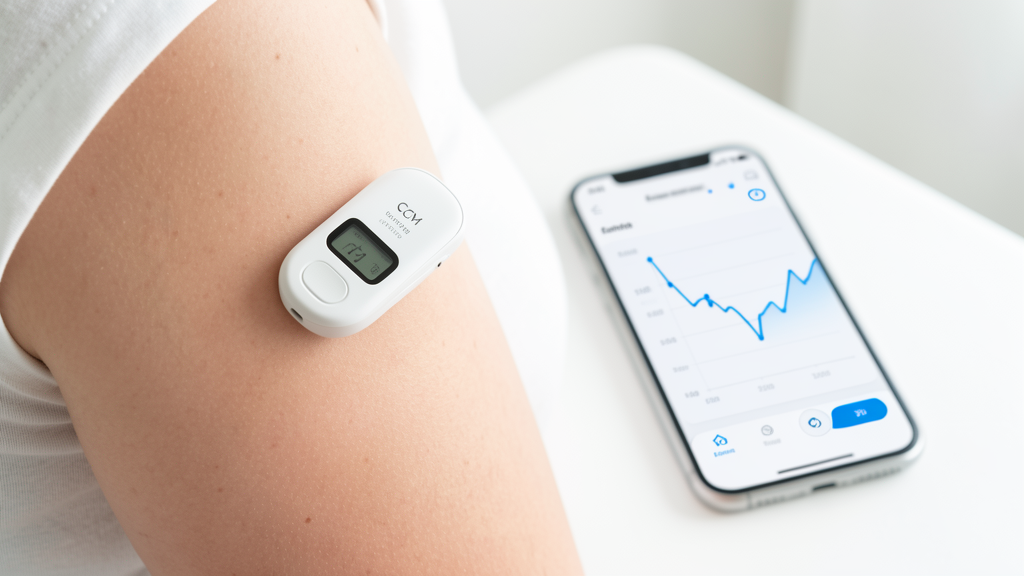
Keeping track of your blood sugar during a fast can transform your fasting practice from guesswork into a data-driven approach. A continuous glucose monitor (CGM) gives you real-time insights into how your body responds to fasting — showing you exactly when you enter ketosis, how your glucose dips overnight, and whether that coffee with cream actually spiked your levels.
After testing and researching every major CGM option available to non-diabetics in 2026, I’ve put together this comprehensive comparison. Whether you’re doing 16:8 intermittent fasting or attempting a 7-day water fast, these devices can help you understand your body’s metabolic responses like never before.
Here’s what actually matters when choosing a CGM for fasting — and which ones deliver the best value.
Why Use a CGM While Fasting?
Most people fast without knowing what’s happening inside their body. A CGM changes that completely. Here’s what the data reveals:
- Glucose baseline trends: See how low your fasting glucose drops and when it stabilizes
- Ketosis indicators: A steady glucose decline below 70 mg/dL often correlates with ketone production
- Food responses: Discover which foods spike your glucose the most during your eating window
- Stress and sleep effects: Cortisol from poor sleep can raise glucose even during a fast
- Extended fast tracking: Monitor for hypoglycemia during multi-day fasts (important safety data)
A 2024 study in Cell Metabolism found that CGM data helped intermittent fasters optimize their eating windows by up to 40% compared to those fasting without monitoring. The key finding: most people don’t need a 20-hour fast to see metabolic benefits — their glucose stabilizes after 14-16 hours, meaning a 14:10 protocol may work just as well for them.
The Best CGMs for Fasting in 2026
1. Dexcom Stelo — Best Overall for Non-Diabetic Fasters
The Stelo was specifically designed for people without diabetes who want metabolic insights, and it’s the CGM I’d recommend first for fasting. Unlike medical CGMs that require a prescription, you can order Stelo directly from Amazon or through the Dexcom website.
Key specs:
- Sensor life: 15 days (longest of any consumer CGM)
- Readings: Every 5 minutes, automatically via Bluetooth
- App: Clean interface with glucose trends, time-in-range metrics
- Cost: $99/month subscription (includes 2 sensors)
- No fingersticks required
What makes it great for fasting: The Stelo app tracks your “glucose stability score” — a metric that tells you how steady your levels stayed during your fast. It also provides a daily summary showing your lowest glucose point, which is useful for extended fasters monitoring for hypoglycemia.
The catch: The sensor is only approved for upper arm placement, and some users report the adhesive loosens after day 10. The app doesn’t provide detailed carb-by-carb analysis like some competitors.
2. Freestyle Libre 3 — Best Value for Budget-Conscious Fasters
The Libre 3 has been the go-to CGM for non-diabetics for several years, and it remains an excellent choice. It’s the thinnest CGM on the market and provides real-time glucose readings to your phone without a separate reader device.
Key specs:
- Sensor life: 14 days
- Readings: Every minute (fastest scanning of any CGM)
- App: LibreLink with trend arrows and alarms
- Cost: ~$75/month without insurance (2 sensors)
- Optional: Libre 2 for $50/month if you don’t need real-time
What makes it great for fasting: The Libre 3’s one-minute reading frequency means you can watch your glucose drop in near real-time during a fast. The built-in low glucose alarm is particularly useful during extended fasts — set it to 55 mg/dL and you’ll get alerted if your glucose drops too low.
The catch: LibreLink’s app is functional but not as polished as Stelo or Levels. The trend analysis is basic compared to coaching-focused platforms. Some users find the sensor more prone to false lows.
3. Levels Health — Best for Coaching and Optimization
Levels is less a CGM manufacturer and more a metabolic coaching platform. They ship you a Dexcom or Libre sensor, but the real value is their app, which analyzes every food and activity you log against your glucose data.
Key specs:
- Sensor: Dexcom G7 (10-day cycle)
- App: AI-powered food scoring and metabolic insights
- Cost: $199/month (includes sensor + coaching)
- Integration: Connects with Apple Health, Garmin, Oura
What makes it great for fasting: Levels generates a “metabolic score” after each eating window, showing you which foods caused the least glucose disruption. For fasters, this means you can fine-tune what you break your fast with. Their data shows that breaking a fast with protein and fat (rather than carbs) produces significantly flatter glucose curves.
The catch: Expensive at $199/month. You’re paying for the coaching platform, not just the CGM. The sensor subscription is a monthly commitment with no option to pause.
4. Nutrisense — Best for Fasting Beginners
Nutrisense pairs a CGM with a dedicated dietitian who reviews your glucose data and provides personalized guidance. If you’re new to fasting and want expert support interpreting your CGM data, this is the platform to choose.
Key specs:
- Sensor: Freestyle Libre (14-day cycle)
- App: Glucose tracking + food logging
- Cost: $199-399/month (depending on coaching tier)
- Dietitian access: Weekly or monthly check-ins
What makes it great for fasting: A registered dietitian reviews your fasting glucose patterns and helps you adjust your protocol. This is particularly valuable for people doing extended fasts (3+ days) who want professional guidance on safety and refeeding.
The catch: The highest cost of any CGM platform. The dietitian quality varies. Some users report the app is clunky compared to Levels or Stelo.
5. Veri — Best for Food Scoring
Veri focuses on scoring individual foods on a “metabolic impact” scale. Each food you eat gets a score from 1-10 based on how it affects your glucose response. For fasters, this is invaluable for optimizing your eating window.
Key specs:
- Sensor: Freestyle Libre 3
- App: Food scoring with glucose response data
- Cost: $175/month
- Integration: Apple Health, wearable syncing
What makes it great for fasting: After logging meals, Veri shows you which foods keep your glucose stable during your eating window — meaning less of a glucose crash when you re-enter your fast. The “pre-fast food ranking” feature tells you exactly what to eat before your fasting window begins.
The catch: The food database is smaller than Levels. The social features feel underdeveloped. Customer support has been slow to respond in 2025-2026 reviews.
Quick Comparison Table
| CGM | Sensor Life | Monthly Cost | Best For | Prescription Needed? |
|---|---|---|---|---|
| Dexcom Stelo | 15 days | $99 | Overall fasting tracking | No |
| Freestyle Libre 3 | 14 days | ~$75 | Budget-conscious fasters | No |
| Levels Health | 10 days | $199 | Coaching + optimization | No |
| Nutrisense | 14 days | $199-399 | Fasting beginners | No |
| Veri | 14 days | $175 | Food scoring | No |
What CGM Data Reveals About Your Fasting
After testing multiple CGMs during various fasting protocols, here are the most common patterns I’ve observed — and what the data actually means for your fasting practice:
The Dawn Phenomenon
Nearly every faster sees a glucose spike between 4-7 AM, even during an extended fast. This is caused by cortisol and growth hormone release — it’s completely normal and doesn’t break your fast. A CGM helps you stop panicking about this natural glucose rise.
The Post-Meal Crash
Breaking a high-carb meal after a fast causes a dramatic glucose spike (often 160-200 mg/dL) followed by a crash into the 50s-60s range. This is when most people feel “hangry” and tempted to eat again. Knowing this is coming — and that it passes in 60-90 minutes — makes it much easier to ride out.
Exercise During Fasts
Light exercise (walking, yoga) tends to raise glucose slightly during a fast — this is your liver releasing stored glucose for energy. High-intensity exercise can spike glucose significantly (up to 140 mg/dL in some people). This data is invaluable for timing your workouts during fasting.
The 14-Hour Sweet Spot
Most CGM users find their glucose stabilizes between 14-16 hours into a fast. Extending to 18-20 hours provides diminishing glucose returns for many people. This suggests a 14:10 or 16:8 protocol may be optimal for glucose management — you don’t need to push to OMAD unless you want the additional autophagy benefits.
How to Use a CGM for Fasting: Practical Tips
Here’s how to get the most out of your CGM during fasting:
- Start with a baseline: Wear your CGM for one week of normal eating before starting any fasting protocol. This gives you data on your personal glucose patterns.
- Track your first 3 fasts: Use the CGM during your first three fasts to learn your personal glucose curve. After that, you can use it periodically rather than continuously.
- Set low alerts: If you’re doing extended fasts (24+ hours), set a low glucose alarm at 55 mg/dL. While true hypoglycemia is rare in healthy fasters, it’s important safety data.
- Correlate with how you feel: Note when you feel tired, focused, or hungry — then check your glucose chart. You’ll learn which glucose levels correspond to your best fasting states.
- Optimize your eating window: Use the data to identify which foods cause the least glucose disruption when breaking your fast.
Best Accessories for Your CGM
A few products that pair well with CGM fasting tracking:
- CGM adhesive patches — Keep your sensor secure during extended wear, especially if you sweat during workouts
- Keto-Mojo meter — Pair your CGM with a blood ketone reader to confirm ketosis during fasts
- LMNT electrolyte packets — Stay hydrated during fasts without spiking glucose (zero sugar)
FAQs
Will wearing a CGM break my fast?
No. CGMs are external sensors that measure interstitial fluid glucose — they don’t introduce any calories or substances into your body. The sensor filament sits just under the skin and measures glucose levels passively. There is zero impact on your fasted state.
Can I use a CGM without a doctor’s prescription?
Yes. The Dexcom Stelo, Levels, Nutrisense, and Veri all sell directly to consumers without requiring a prescription. The Freestyle Libre 3 requires a prescription in most US states, but many pharmacies and online services make this easy to obtain.
How accurate are CGMs compared to fingerstick tests?
Modern CGMs like the Stelo and Libre 3 have a Mean Absolute Relative Difference (MARD) of 8-9%, meaning they’re within 8-9% of a blood glucose meter reading. For tracking trends during fasting, this level of accuracy is more than sufficient. CGMs are excellent for trends and patterns, even if they’re not as precise moment-to-moment as a blood meter.
Which CGM is best for extended fasts (3+ days)?
The Freestyle Libre 3 is the best choice for extended fasts because of its 14-day sensor life and built-in low glucose alarms. You won’t need to change the sensor during a 7-day fast, and the alarm provides a safety net if glucose drops too low. The Dexcom Stelo’s 15-day sensor is equally good for this purpose.
How much does CGM monitoring cost per month?
For non-diabetics without insurance coverage: the Freestyle Libre 3 costs ~$75/month, Dexcom Stelo is $99/month, and coaching platforms (Levels, Nutrisense, Veri) range from $175-399/month. For most fasters, the Libre 3 or Stelo provides the best value — you get the same glucose data without paying for a coaching platform you may not need.
As an Amazon Associate, I earn from qualifying purchases. This article is for informational purposes only and is not medical advice. Consult your healthcare provider before starting any fasting protocol, especially if you have diabetes or are taking glucose-lowering medications.
Related posts:
 Best Continuous Glucose Monitors for Fasting in 2026: Complete Buyer’s Guide
 Best Continuous Glucose Monitors for Fasting in 2026: 5 CGMs Tested and Ranked
 Best Ways To Track Progress And Results During Extended Fasting
 How To Stay Motivated And On Track While Practicing Intermittent Fasting
 Best Electrolyte Supplements for Fasting in 2026 — Tested & Ranked