
Starting intermittent fasting can feel overwhelming. With so many schedules, opinions, and products on the market, it’s hard to know where to begin. The good news? Intermittent fasting is one of the simplest lifestyle changes you can make — and you don’t need expensive equipment or complicated meal plans to get started.
In this guide, we’ll walk you through everything you need to know to begin intermittent fasting safely and effectively in 2026. From choosing the right schedule to stocking your kitchen with the best fasting-friendly products, this is your complete roadmap to success.
Understanding Intermittent Fasting: What It Is and Why It Works
Intermittent fasting (IF) is an eating pattern that cycles between periods of fasting and eating. Unlike traditional diets that focus on what you eat, intermittent fasting focuses on when you eat. You’re not restricting specific foods — you’re simply designating time windows for eating and fasting.
During fasting periods, your body undergoes several important metabolic changes. Insulin levels drop significantly, which helps your body access stored fat for energy. Human growth hormone levels increase, supporting fat burning and muscle preservation. Your cells also begin a process called autophagy, where they remove damaged components and regenerate at a cellular level.
Research published in the New England Journal of Medicine has confirmed that intermittent fasting provides benefits beyond simple calorie restriction. Participants showed improvements in blood pressure, resting heart rate, cholesterol levels, and inflammatory markers. These benefits appear even when total caloric intake remains the same — suggesting that the timing of meals itself plays a crucial role in metabolic health.
The most popular intermittent fasting schedules include:
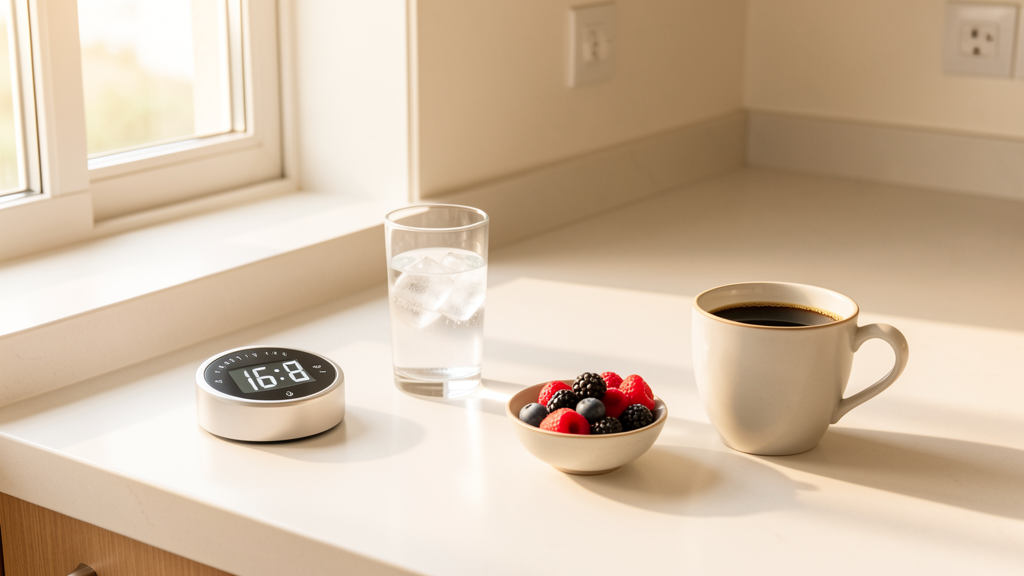
- 16:8 Method — Fast for 16 hours, eat within an 8-hour window. This is the most common and beginner-friendly approach for sustainable results.
- 14:10 Method — Fast for 14 hours, eat within a 10-hour window. Ideal for those just starting out or those with demanding physical jobs.
- OMAD (One Meal a Day) — Eat one large meal per day within a 1-hour window. An advanced approach for experienced fasters who have built up tolerance.
- 5:2 Method — Eat normally for 5 days, restrict calories to 500-600 for 2 days per week. A flexible option for those who prefer not to fast daily.
- Alternate Day Fasting — Fast every other day, eating normally on non-fasting days. Best suited for those who have experience with shorter fasts.
For most beginners, the 14:10 or 16:8 methods offer the best balance of results and sustainability. You can gradually tighten your eating window as your body adapts and your confidence grows. Many experienced fasters find that starting with a shorter fasting window and gradually extending it over several weeks leads to the best long-term adherence.
Essential Products Every Beginner Faster Needs
While intermittent fasting doesn’t require special equipment, the right tools can make your journey significantly easier and more enjoyable. Here are the essential products that will set you up for success from day one:
1. A Reliable Fasting Timer
Tracking your fasting hours is crucial when you’re starting out. A dedicated fasting timer or app helps you stay on schedule and visualize your progress over time. One of the most popular options is the intermittent fasting timer on Amazon, which provides customizable alerts and tracks your fasting history.
A good fasting timer should include customizable eating and fasting windows, push notifications to remind you when to eat or stop eating, and progress tracking so you can see your consistency over time. Many free apps also offer these features, but a dedicated device can be helpful if you want to keep fasting separate from your phone and avoid the temptation of social media during fasting hours.
2. Electrolyte Supplements
One of the biggest challenges for new fasters is managing electrolyte balance. During fasting periods, your body flushes out sodium, potassium, and magnesium — leading to headaches, fatigue, and muscle cramps that can derail your progress. Quality electrolyte supplements prevent these symptoms and keep you feeling energetic throughout your fast.
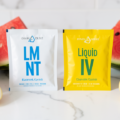
The LMNT electrolyte powder is a top choice among fasters because it contains zero sugar, no artificial ingredients, and the optimal ratio of sodium, potassium, and magnesium for fasting. Simply mix a packet into your water during fasting hours for sustained energy and mental clarity. Many experienced fasters report that proper electrolyte supplementation is the single most important factor in making fasting comfortable and sustainable.
3. A Quality Water Bottle
Staying hydrated is non-negotiable during fasting. Having a large, insulated water bottle within arm’s reach makes it much easier to drink consistently throughout the day. The Hydro Flask 32 oz water bottle keeps water cold for up to 24 hours, which many fasters find more appealing than room-temperature water during long fasting periods.
Aim to drink at least half your body weight in ounces of water daily. For a 160-pound person, that’s 80 ounces minimum. Adding a pinch of sea salt or an electrolyte packet to your water can help with absorption and prevent the diluted feeling that comes from drinking plain water all day.
4. Black Coffee or Herbal Tea
Good news: you can still enjoy black coffee and unsweetened herbal teas during your fasting window. In fact, coffee may enhance autophagy and boost fat burning by up to 14% according to some studies. The key is to enjoy it black — without sugar, cream, or milk that would break your fast.
Invest in a quality coffee grinder and whole beans for the best flavor. Fresh-ground coffee tastes dramatically better than pre-ground, and the ritual of grinding and brewing can become a comforting part of your morning fasting routine. Just avoid adding anything with calories — a dash of cinnamon or a splash of unsweetened almond milk (under 5 calories) are generally considered acceptable.
Your First 30 Days: A Step-by-Step Fasting Plan
Starting intermittent fasting is about building habits gradually over time. Here’s a proven 30-day plan that helps your body adapt without the shock of jumping straight into a 16-hour fast:
Week 1: The 12:12 Foundation
Begin with a 12-hour fast and 12-hour eating window. If you finish dinner by 7 PM, don’t eat again until 7 AM. This gentle start helps your body adjust to overnight fasting without significant disruption to your routine. Focus on eating nutritious meals and staying hydrated throughout the day. Most people find this week quite manageable and barely notice the fasting period.
Week 2: Moving to 14:10
Shift your eating window to 10 hours. Finish dinner by 7 PM and wait until 9 AM to eat breakfast. You may feel mild hunger in the morning — this is completely normal and will pass as your hunger hormones adjust. Drink water, black coffee, or herbal tea. Your body is beginning to learn how to tap into fat stores for energy instead of relying on a constant stream of incoming calories.
Week 3: The 16:8 Transition
Now try the 16:8 method — the gold standard for intermittent fasting. Eat between 12 PM and 8 PM, or choose a window that fits your work and social schedule. By now, your hunger hormones have adjusted significantly, and you should notice improved energy and mental clarity during fasting hours. Many fasters report that this is the week where things “click” and fasting starts to feel natural rather than restrictive.
Week 4: Optimization and Refinement
Fine-tune your schedule based on what works best for your lifestyle and energy patterns. Experiment with meal timing, food choices, and exercise during fasting. Some people thrive with morning workouts fasted, while others prefer exercising during their eating window. Listen to your body’s signals and adjust accordingly — there’s no single “perfect” schedule that works for everyone.
Common Mistakes to Avoid When Starting Intermittent Fasting
Even with the best intentions, many beginners make mistakes that can sabotage their progress. Here are the most common pitfalls and how to avoid them:
Eating too much during your eating window. Fasting is not a license to binge or compensate for missed meals. When you break your fast, focus on nutrient-dense, balanced meals that include plenty of protein, fiber, and healthy fats. Start with something lighter — like a small handful of nuts or a piece of fruit — before your main meal to avoid digestive discomfort.
Not drinking enough water. Dehydration is the number one cause of headaches and fatigue during fasting periods. Keep your water bottle full and sip consistently throughout the day. Adding electrolytes helps your body absorb water more effectively and prevents the “waterlogged” feeling that comes from drinking plain water without minerals.
Starting with an extreme schedule. Jumping straight into OMAD or 20:4 fasting is a recipe for failure and can leave you feeling miserable. Build up gradually over 3-4 weeks as outlined in our 30-day plan above. Your body needs time to adjust its hunger hormones and metabolic processes before tackling more aggressive fasting protocols.
Ignoring sleep quality. Poor sleep increases hunger hormones like ghrelin and intensifies cravings for high-sugar foods. Aim for 7-9 hours of quality sleep per night. Avoid screens before bed, keep your bedroom cool and dark, and consider magnesium supplements before sleep — they support both sleep quality and fasting tolerance.
Not tracking your progress. What gets measured gets managed. Use a fasting timer app, take weekly photos, and keep a simple journal noting your energy levels, mood, and hunger patterns. This data helps you identify what’s working, what needs adjustment, and provides motivation when you can see tangible progress over weeks and months.
Frequently Asked Questions
Can I drink coffee during intermittent fasting?
Yes! Black coffee is perfectly fine during your fasting window and may even enhance autophagy and fat burning. Avoid adding sugar, cream, or milk — these contain calories that technically break your fast. A small splash of unsweetened almond milk (under 5 calories) is generally considered acceptable by most fasting experts, though strict protocols recommend water only.
How long does it take to see results from intermittent fasting?
Most people notice initial changes within 1-2 weeks, including reduced bloating, improved energy levels, and better mental clarity. Visible weight loss typically begins in weeks 2-4, depending on your starting point and adherence. Significant body composition changes usually become apparent after 8-12 weeks of consistent practice. Patience and consistency are key — intermittent fasting is a marathon, not a sprint.
Is intermittent fasting safe for women?
Intermittent fasting is generally safe for women, but hormonal considerations may require a gentler approach than what men typically follow. Women often respond better to shorter fasting windows (14:10 instead of 16:8) and should avoid very long fasts or aggressive caloric restriction. If you experience menstrual irregularities, increased stress, or disrupted sleep, reduce your fasting window and consult a healthcare provider.
What should I eat when breaking my fast?
Break your fast with a balanced meal containing protein, healthy fats, and complex carbohydrates. Good options include eggs with avocado and whole grain toast, a salad with grilled chicken and olive oil dressing, or a smoothie with protein powder and berries. Avoid high-sugar foods or large amounts of refined carbohydrates immediately after fasting, as these can cause uncomfortable blood sugar spikes and energy crashes.
Can I exercise while intermittent fasting?
Absolutely. Light to moderate exercise — walking, yoga, swimming, cycling — is great during fasting periods and can actually enhance fat burning. Many experienced fasters report that fasted cardio feels easier and more natural over time. For intense weight training or HIIT workouts, schedule your sessions during your eating window for optimal performance, recovery, and muscle building.
How do I handle social situations while fasting?
Flexibility is key to long-term success. If a family dinner, birthday celebration, or social event falls during your fasting window, it’s perfectly okay to adjust your schedule for the day. Intermittent fasting is a lifestyle, not a rigid set of rules. You can shift your eating window, enjoy the meal, and return to your regular schedule the next day without any guilt. Consistency over weeks matters far more than perfection on any single day.
As an Amazon Associate, I earn from qualifying purchases. This means if you click on a product link and make a purchase, I may receive a small commission at no extra cost to you. I only recommend products I genuinely use and believe in.
Related posts:
 How to Start 16/8 Intermittent Fasting: A Beginner’s Guide (2026)
 How To Start Fasting: A Beginner’s Step-by-Step Guide
 Beginner’s Guide To Choosing The Right Intermittent Fasting Technique For You
 Beginner’s Guide To Understanding Different Intermittent Fasting Protocols
 Beginner’s Guide To Mindful Eating And Food Choices During Intermittent Fasting