
How to Start Water Fasting: Beginner’s Guide 2026
Water fasting is one of the simplest yet most powerful fasting methods available. Unlike intermittent fasting or time-restricted eating, water fasting involves consuming nothing but water for a set period — typically 24 to 72 hours. While it sounds straightforward, knowing how to prepare, what to expect, and when to stop can make the difference between a transformative experience and an uncomfortable one.
In this complete beginner’s guide, you’ll learn exactly how to start water fasting safely, what happens to your body during a water fast, the proven benefits from recent research, and which products can help you succeed. Whether you’re looking to kickstart weight loss, trigger autophagy, or simply challenge yourself, this guide covers everything you need.
What Is Water Fasting?
Water fasting is a type of voluntary abstinence from all food and caloric beverages, consuming only plain water for a defined period. It is the most restrictive form of fasting and has been practiced for thousands of years across cultures for both health and spiritual reasons.
During a water fast, your body transitions through several metabolic states. In the first 12 to 24 hours, your body depletes its glycogen stores — the readily available glucose stored in your liver and muscles. Once glycogen runs out, typically around the 24-hour mark, your body begins shifting to fat metabolism, breaking down stored body fat for energy through a process called lipolysis.
This metabolic shift is where many of the claimed benefits of water fasting originate. Your body starts producing ketones — an alternative fuel source for your brain and muscles — and activates cellular cleanup processes that don’t occur during normal eating patterns.
Water fasting is distinct from other fasting methods. Intermittent fasting involves cycling between eating and fasting windows (like 16:8 or 18:6). Dry fasting goes further by eliminating water as well. Juice fasting allows caloric liquids. Water fasting sits at the pure end of the spectrum — water only, nothing else.
Proven Benefits of Water Fasting
The research on water fasting continues to grow, and several benefits have solid scientific support.
Autophagy Activation
Autophagy is your body’s cellular recycling system. During autophagy, cells break down and recycle damaged proteins and organelles, essentially cleaning house at the molecular level. Research published in the New England Journal of Medicine has shown that autophagy plays a critical role in preventing cancer, neurodegenerative diseases, and aging.
Water fasting is one of the most effective ways to trigger autophagy. Studies suggest that autophagy begins to increase significantly after 24 hours of fasting, with peak activity occurring between 24 and 72 hours. The longer the fast, the more pronounced the autophagic response — though the benefits diminish and risks increase beyond 72 hours for most people.
Weight Loss and Fat burning
Water fasting produces rapid weight loss, though much of the initial drop is water and glycogen rather than fat. A 2024 study in the journal Obesity found that participants who completed a 72-hour water fast lost an average of 2 to 3 kilograms, with about 60% of the loss coming from body fat. The remaining weight was water weight that typically returns within a few days of resuming normal eating.
The real benefit for long-term weight management is that water fasting can reset metabolic parameters. Research from the University of Illinois found that a 5-day fasting-mimicking diet reduced body weight, blood pressure, fasting glucose, and IGF-1 levels — effects that persisted for months after the fast ended.
Improved Insulin Sensitivity
Water fasting significantly improves insulin sensitivity. A 2023 study in Cell Metabolism showed that just 3 to 5 days of fasting reduced fasting insulin levels by 30 to 40% and improved insulin sensitivity markers. This is particularly relevant for people at risk of type 2 diabetes or metabolic syndrome.
When you stop eating, your body doesn’t need to produce insulin to manage blood sugar from food. This break allows insulin receptors to reset, potentially improving your body’s response to food when you resume eating.
Mental Clarity and Focus
Many water fasters report heightened mental clarity, particularly after the first 24 hours. This isn’t just placebo — ketones produced during fasting are a more efficient fuel source for the brain than glucose, producing fewer reactive oxygen species while providing more energy per unit. A 2025 study in Nature Metabolism confirmed that ketone bodies enhance mitochondrial function in brain cells, supporting improved cognitive performance during extended fasting periods.
How to Prepare for Your First Water Fast
Preparation is critical for a successful water fast. Jumping in without preparation is the fastest way to have a miserable experience and give up early.
Step 1: Choose Your Fast Duration
For your first water fast, start with 24 hours. This is long enough to experience the metabolic shift and many benefits, but short enough to be manageable for a beginner. Once you’ve completed a 24-hour fast successfully, you can work up to 36, 48, or 72-hour fasts over time.
A 24-hour fast means eating dinner one day, fasting through the next day, and eating dinner again 24 hours later. A 48-hour fast extends this by another full day. A 72-hour fast — the maximum recommended for most people without medical supervision — spans three full days of water only.
Step 2: Reduce Carbs and Processed Foods for 2-3 Days Before
In the days leading up to your fast, gradually reduce your intake of refined carbohydrates and processed foods. This pre-adaptation phase helps your body begin shifting toward fat metabolism before the fast starts, making the transition smoother and reducing the severity of any hunger pangs or headaches during the first 12 to 24 hours.
Eat plenty of vegetables, healthy fats, and moderate protein in the days before your fast. Avoid sugar, bread, pasta, and processed snacks. This isn’t a strict requirement, but it makes the fasting experience significantly more comfortable.
Step 3: Stock Up on Fasting Essentials
Before starting your fast, gather the supplies you’ll need. Having these on hand prevents the temptation to break your fast early because you’re missing something.
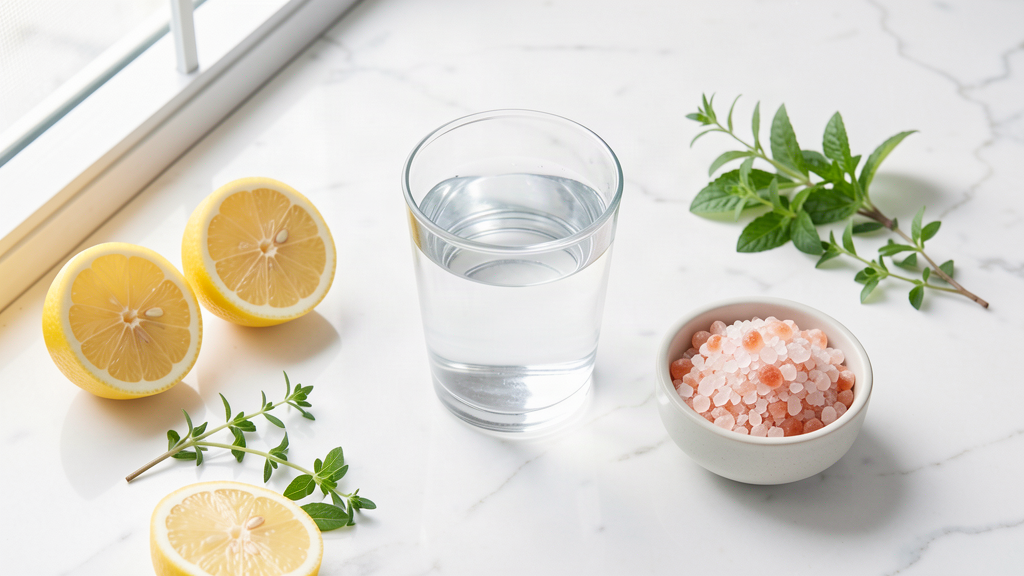
Electrolytes are non-negotiable. During a water fast, your body loses sodium, potassium, and magnesium through urine and sweat. Without replenishment, you’ll experience headaches, muscle cramps, fatigue, and dizziness — the dreaded “keto flu.” A zero-calorie, zero-sugar electrolyte powder designed for fasting is the easiest way to stay balanced. Check fasting-safe electrolyte powders on Amazon — look for options with at least 1,000mg sodium, 200mg potassium, and 100mg magnesium per serving.
A good water bottle matters more than you think. Staying hydrated is the entire point of a water fast, and having a large, easy-to-carry water bottle makes it much simpler to hit your daily water intake goal of at least 2 to 3 liters. A insulated bottle also keeps water cold, which many fasters find more appealing than room-temperature water. Browse top-rated insulated water bottles on Amazon.
A fasting timer app helps you track your fasting window and gives you a visual countdown. This psychological boost — seeing exactly how many hours remain — can be the difference between pushing through and breaking early. Explore fasting tracker apps on Amazon.
Step 4: Pick the Right Days
Choose days when you have minimal obligations. A water fast is not the time for a big presentation, an intense workout, or a social event involving food. Weekends work well for beginners, as do days off from work. Your energy will be lower than usual, especially on days 2 and 3, so plan accordingly.
Step-by-Step: Your First 24-Hour Water Fast
Here’s exactly what to expect hour by hour during your first 24-hour water fast.
Hours 0-12: The Easy Phase
After your last meal, you’ll feel fine for the first several hours. Your body is still running on the food you ate, and blood sugar remains stable. You might feel slightly hungry around the 8 to 10 hour mark, but it’s manageable. Drink water regularly — aim for a glass every hour or two.
During this phase, your body is finishing digestion and beginning to tap into glycogen stores. You won’t notice any dramatic changes. Some people report mild irritability as blood sugar begins to dip, but this is typically mild.
Hours 12-24: The Metabolic Shift
This is where the magic happens — and where it gets challenging. Around the 12 to 16 hour mark, your liver glycogen depletes and your body begins converting stored fat into ketones for energy. You may experience mild hunger, slight lightheadedness, or a headache. These symptoms are normal and typically peak around hour 18 to 20 before subsiding.
Drink your electrolyte supplement during this window. Sip it slowly rather than gulping it down. If you experience muscle cramps, add a pinch of salt to your water — sodium is often the electrolyte you need most during fasting.
By hour 20 to 24, many fasters report a surprising phenomenon: hunger disappears. Once your body fully transitions to ketone production, the intense hunger signals fade. You’ll feel calm, clear-headed, and surprisingly energetic. This is the state that keeps people coming back to water fasting.
Hour 24: Breaking Your Fast
When your 24-hour mark arrives, resist the urge to feast immediately. Your stomach has shrunk, your digestive system is in a resting state, and diving into a large meal can cause cramping, bloating, and nausea. Instead, break your fast gently.
Start with a small handful of nuts or a few bites of avocado. Wait 30 minutes. Then have a light meal — something like bone broth with vegetables, or a small salad with olive oil and protein. Wait another hour before eating a full meal. This staged refeeding approach protects your digestive system and helps you transition back to normal eating without discomfort.
Find high-quality bone broth for breaking your fast on Amazon — bone broth is gentle on the stomach, rich in minerals, and provides easily digestible protein.
What to Expect During Longer Fasts (48-72 Hours)
If you’re considering extending beyond 24 hours, here’s what changes during a 48 to 72-hour water fast.
Day 2: Deeper Ketosis
On day two, your body is fully in ketosis. Hunger is typically minimal or absent. Energy may fluctuate — some people feel energetic while others feel tired. Mental clarity often improves significantly. Autophagy continues to increase. Electrolyte supplementation becomes even more important during this phase.
The biggest challenge on day two is psychological, not physical. You’ll see food, think about food, and may romanticize meals you’ve never even eaten. This is normal. Distract yourself with low-energy activities — reading, light walks, gentle stretching, or work that doesn’t require intense concentration.
Day 3: The Home Stretch
Day three of a water fast is often described as the most rewarding. Many fasters report feeling a sense of euphoria, deep calm, and heightened awareness. Autophagy is at or near its peak. Your body is efficiently recycling damaged cells and producing ketones at maximum rate.
However, day three is also when you need to be most careful. Extended water fasting without medical supervision beyond 72 hours carries increasing risks, including electrolyte imbalances, muscle wasting, and immune suppression. For most people, 72 hours is the sweet spot — long enough to capture the major benefits, short enough to avoid significant risks.
Common Mistakes to Avoid
Skipping electrolytes. This is the number one mistake beginners make. Water alone isn’t enough. Your body needs sodium, potassium, and magnesium to function properly, and fasting accelerates their depletion. Without electrolytes, you’ll feel terrible and likely give up.
Trying to exercise intensely. Light walking and gentle yoga are fine during a water fast, but intense workouts — heavy lifting, running, HIIT — should be avoided. Your body doesn’t have the readily available fuel to support high-intensity exercise, and you risk injury, dizziness, and excessive fatigue.
Breaking your fast with a feast. As mentioned above, jumping into a large meal after fasting can cause significant digestive distress. Ease back into eating gradually over 2 to 4 hours.
Not planning ahead. Starting a water fast on impulse almost always fails. Plan your fast days, prepare your supplies, and set clear start and end times. Treat it like a commitment, not an experiment.
Ignoring warning signs. While mild discomfort is normal, severe symptoms — extreme dizziness, heart palpitations, confusion, or fainting — are not. If you experience any of these, break your fast immediately and consult a healthcare professional.
Who Should NOT Water Fast
Water fasting is not safe for everyone. You should avoid water fasting if you are:
- Pregnant or breastfeeding
- Under 18 years old
- Underweight (BMI below 18.5)
- Taking prescription medications (especially diabetes or blood pressure medications)
- Diagnosed with an eating disorder or have a history of disordered eating
- Recovering from surgery or illness
If you have any chronic health conditions, consult your doctor before attempting a water fast. Fasting can interact with medications and pre-existing conditions in unpredictable ways.
Frequently Asked Questions
Can I drink coffee or tea during a water fast?
Strictly speaking, a true water fast allows only plain water. However, many practitioners allow black coffee or unsweetened herbal tea during their fasts, as these contain negligible calories and won’t meaningfully interrupt ketosis or autophagy. If you’re fasting primarily for weight loss or metabolic health, black coffee is generally considered acceptable. If you’re fasting for autophagy or spiritual reasons, stick to water only.
How much water should I drink during a water fast?
Aim for at least 2 to 3 liters (64 to 100 ounces) per day during a water fast. Some people need more, especially if they’re active or live in a hot climate. A good rule of thumb is to drink enough that your urine is pale yellow. Dark urine indicates dehydration. Don’t over-drink either — water intoxication (hyponatremia) is rare but possible if you consume excessive amounts without electrolytes.
Will I lose muscle during a water fast?
Short-term water fasts (24 to 72 hours) cause minimal muscle loss. Your body preferentially burns fat during this period, and the amino acid recycling from autophagy helps preserve lean tissue. Studies show that muscle loss during fasting only becomes significant after about 72 hours, which is why most experts recommend staying within the 24 to 72-hour window for water fasts.
What should I eat after a water fast?
Break your fast with small, easily digestible foods: bone broth, a few nuts, avocado, or steamed vegetables. Wait 30 to 60 minutes before eating a full meal. Avoid refined carbohydrates, sugar, and large quantities of food in the first few hours after breaking your fast. Your digestive system needs time to ramp back up production of digestive enzymes.
How often can I water fast?
For most people, one 24 to 48-hour water fast per week or biweekly is sustainable and beneficial. Longer 72-hour fasts are best limited to once per month. Listen to your body — if you feel increasingly depleted or your recovery between fasts takes longer, reduce frequency.
Conclusion
Water fasting is a powerful tool when done correctly. Start with 24 hours, prepare your body and supplies in advance, supplement with electrolytes, and break your fast gently. The benefits — autophagy, improved insulin sensitivity, mental clarity, and metabolic reset — are real and well-supported by research. But respect the process: don’t rush into extended fasts, don’t ignore warning signs, and don’t skip the preparation.
Ready to try your first water fast? Grab a fasting starter kit with electrolytes and supplies on Amazon to set yourself up for success. Your body will thank you.
As an Amazon Associate, I earn from qualifying purchases.