
How Fasting Rewires Your Brain: 2026 Science
Key Takeaway: A landmark 2026 study reveals that intermittent fasting doesn’t just help you lose weight — it physically rewires your brain and gut microbiome in ways that reduce cravings and improve self-control. Here’s what the science says and how to apply it to your fasting routine.
New Research Shows Intermittent Fasting Changes Your Brain
Intermittent fasting has been a hot topic for years, but a groundbreaking study published in May 2026 by Frontiers in Medicine reveals something remarkable: fasting doesn’t just reduce calories — it physically rewires your brain and gut microbiome simultaneously.
The study, conducted by researchers at the PLA General Hospital in Beijing, found that an intermittent energy restriction (IER) diet led to significant weight loss while triggering coordinated changes in both gut bacteria and brain activity. These changes occurred in brain regions directly tied to appetite, cravings, and self-control.
According to lead researcher Dr. Qiang Zeng, “The observed changes in the gut microbiome and in the activity in addition-related brain regions during and after weight loss are highly dynamic and coupled over time.”
For those of us who’ve struggled with fasting cravings, this research explains why the first two weeks are so hard — and why it gets easier. Your brain is literally rewiring itself to make fasting more sustainable.
How the Study Worked: 25 Adults, 62 Days, Real Results
The research team studied 25 adults with obesity in China, averaging 27 years old with BMIs between 28 and 45. The study lasted 62 days and was divided into two distinct phases, each designed to test different aspects of the fasting response.
Phase 1 (Days 1-32): High Controlled Fasting. Participants received dietitian-designed meals with calories gradually reduced to about 25% of their basic energy needs. This represents an aggressive caloric restriction that would be equivalent to roughly 400-500 calories per day for most adults. The gradual reduction was intentional — it allowed the researchers to track how the brain and gut responded to increasing levels of restriction over time.
Phase 2 (Days 33-62): Low Controlled Fasting. Participants received recommended food lists rather than fully prepared meals. Those who followed the plan exactly would consume 500 calories per day for women and 600 calories per day for men. This phase tested whether participants could maintain the fasting lifestyle independently, without direct dietitian supervision.
The results were impressive and consistent across participants:
- Average weight loss: 7.6 kg (about 16.7 pounds)
- Average body weight reduction: 7.8%
- Reduced body fat percentage and waist circumference
- Lower blood pressure readings
- Improved fasting plasma glucose levels
- Better cholesterol profiles (both HDL and LDL improvements)
- Reduced liver enzyme activity indicating less fatty liver
But the most fascinating findings weren’t about the body — they were about the brain and gut, and how they work together during fasting.
The Gut-Brain Connection: How Fasting Changes Both
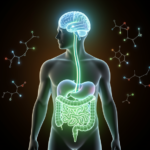
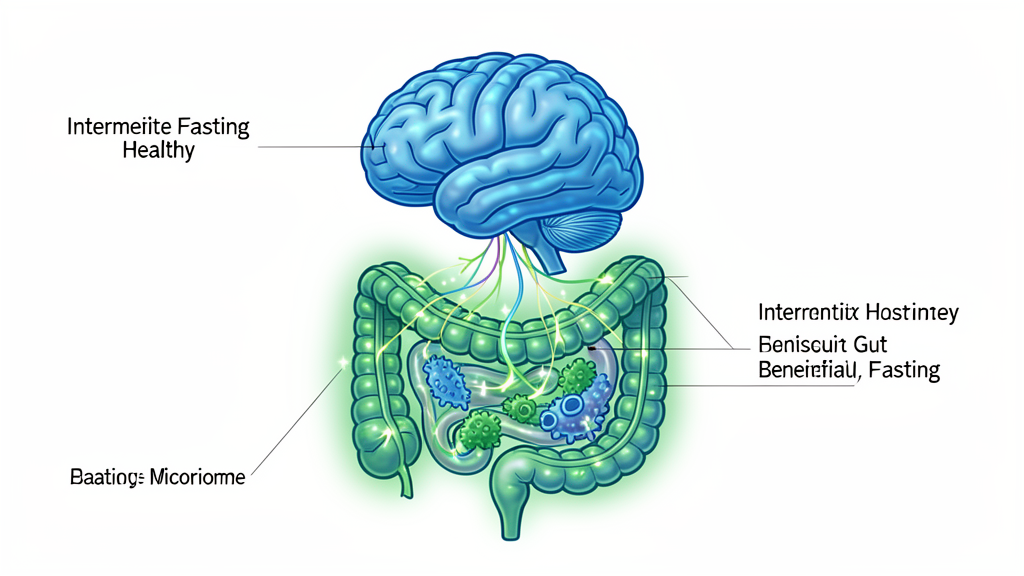
Using fMRI brain scans, metagenomic analysis of gut bacteria, and comprehensive blood tests, the researchers discovered that fasting triggers a coordinated response between the gut microbiome and brain activity. This gut-brain axis is now understood to play a crucial role in weight management and eating behavior.
Key brain changes observed during and after the fasting period included:
- Lower activity in appetite-related brain regions, particularly the hypothalamus
- Reduced activity in addiction-related behavior areas, suggesting less compulsive eating
- Changes in prefrontal cortex regions responsible for self-control and decision-making
- Shifts in reward processing areas of the brain, making food less “rewarding”
- Altered connectivity between brain regions involved in emotional eating
Dr. Yongli Li from Henan Provincial People’s Hospital explained: “A healthy, balanced gut microbiome is critical for energy homeostasis and maintaining normal weight. In contrast, an abnormal gut microbiome can change our eating behavior by affecting certain brain areas involved in addiction.”
This explains something many fasters experience: after the initial adaptation period, cravings decrease and food becomes less controlling. It’s not just willpower — your brain and gut are literally working together to reduce your desire to overeat. The scientific evidence now supports what the fasting community has long observed anecdotally.
The researchers noted that the brain changes persisted even after the fasting intervention ended, suggesting that intermittent fasting may create lasting neurological adaptations. This is particularly encouraging for long-term weight management, as it means the benefits of fasting may extend well beyond the fasting period itself.
Why the First Two Weeks Are So Hard (And Why It Gets Easier)
If you’ve ever started a fasting routine and quit after a week, you’re not alone. The research explains why those early days feel impossible. During the first 14-21 days of fasting, your brain hasn’t fully adapted yet. The gut microbiome is still shifting, and the brain regions responsible for appetite and cravings haven’t recalibrated.
Think of it like starting a new exercise routine. Your muscles need time to adapt, and fasting works similarly — but with your neural pathways and gut bacteria. The discomfort you feel is your body in transition, not evidence that fasting doesn’t work.
The study shows that by day 32, significant changes had occurred in both brain activity and gut composition. This timeline aligns with what many experienced fasters report: it takes about 2-4 weeks before fasting starts feeling “normal.” Once your brain and gut adapt, fasting becomes significantly easier — and the benefits compound over time.
This is why consistency matters more than perfection. Even if you don’t fast perfectly every day, maintaining a regular fasting schedule allows your brain and gut to continue adapting. The neurological changes are cumulative, and each fasting window builds on the last.
Practical Tips: How to Apply This Science to Your Fasting Practice
Understanding the gut-brain connection can help you optimize your fasting routine. Here are evidence-based strategies based on this research:
1. Support Your Gut Microbiome During Fasting
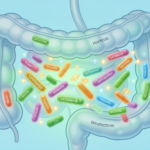
When you’re not fasting, focus on prebiotic and probiotic foods that support healthy gut bacteria. This includes fermented foods like kimchi, sauerkraut, and kefir, as well as fiber-rich vegetables and berries. A diverse gut microbiome may enhance the benefits of fasting and make the transition easier.
Consider adding a quality probiotic supplement to your routine. The best probiotic supplements for fasting can help maintain gut diversity during your eating windows.
2. Be Patient with the Adaptation Period
The study shows brain changes take time. The first 14-21 days are typically the hardest because your brain hasn’t fully rewired yet. Understanding this can help you push through the initial discomfort knowing real neurological changes are happening beneath the surface. Mark your calendar and commit to at least 21 days before evaluating whether fasting is “working” for you.
3. Consider a Graduated Approach
The study used a graduated approach — starting with more restriction and gradually adjusting. While most people don’t need to go as low as 25% of energy needs, a structured approach (like starting with 16:8 and gradually increasing to 20:4 or OMAD) may help your body adapt more comfortably. Don’t jump straight into extended fasts — let your brain and gut adjust gradually.
4. Track Your Progress Beyond the Scale
Since fasting changes brain activity related to cravings and self-control, pay attention to these non-scale victories:
- Reduced food cravings, especially for sugar and processed foods
- Better impulse control around food
- Improved mental clarity and focus during fasting windows
- Better sleep quality
- More stable energy levels throughout the day
- Less time spent thinking about food
These neurological benefits often appear before significant weight loss, so they’re early indicators that your brain is adapting to fasting.
5. Use Fasting-Friendly Supplements
Electrolytes are crucial during fasting to maintain energy and prevent headaches. A quality electrolyte supplement like electrolyte supplements for fasting can help maintain energy and reduce discomfort during your fasting windows. Many fasters find that proper electrolyte supplementation makes the adaptation period significantly more comfortable.
6. Break Your Fast Wisely
Since your gut microbiome is changing during fasting, how you break your fast matters. Start with easily digestible foods like bone broth, vegetables, or fermented foods. Avoid heavy, processed meals immediately after breaking your fast — give your newly adapting gut bacteria the best possible environment to thrive. The foods you eat during your eating window directly influence the gut bacteria changes that support your fasting goals.
If you’re looking for tools to track your fasting and monitor your progress, a quality intermittent fasting app for 2026 can help you stay consistent and track how your body responds over time. The best apps now include features for tracking mood, energy levels, and cravings alongside your fasting windows.
The Bottom Line: Your Brain on Fasting
This 2026 research confirms what many fasters have experienced: intermittent fasting does more than reduce calories. It physically rewires your brain and gut microbiome in ways that support long-term weight management and healthier eating behaviors.
The gut-brain connection is real, and fasting leverages it. When you fast, you’re not just skipping meals — you’re triggering a cascade of neurological and microbiome changes that make healthy eating easier over time.
If you’re struggling with cravings or wondering if fasting is “worth it,” this research suggests the answer is yes. Your brain and gut are working together to make fasting sustainable. The key is getting through that initial adaptation period so the real benefits can take hold.
Remember: the discomfort you feel in the first few weeks isn’t a sign that fasting isn’t working — it’s a sign that your brain and gut are in the process of adapting. Give it time, support your gut health, and trust the science. Your brain is literally rewiring itself for a healthier relationship with food.
Frequently Asked Questions
How long does it take for fasting to change your brain?
Based on the 2026 study, significant brain changes occurred over the 62-day period. However, many fasters report reduced cravings and improved self-control within 2-3 weeks. The full neurological benefits likely develop over 1-3 months of consistent fasting practice.
Does intermittent fasting really reduce cravings?
Yes. The research shows reduced activity in brain regions responsible for appetite and addiction-related behavior. This translates to fewer cravings and less mental energy spent thinking about food. Many fasters report that sugar and processed food cravings diminish significantly after the first month.
What is the gut-brain axis?
The gut-brain axis is the bidirectional communication system between your gastrointestinal tract and your brain. Fasting influences this axis by changing both gut bacteria composition and brain activity patterns, creating a coordinated response that supports weight management and healthier eating behaviors.
Can I speed up the brain adaptation process?
While you can’t rush neurological changes, you can support them by eating nutrient-dense foods during your eating windows, staying hydrated, getting adequate sleep, and maintaining a consistent fasting schedule. Consistency is more important than intensity when it comes to fasting adaptation.
As an Amazon Associate, I earn from qualifying purchases.