
Urolithin A and Fasting: The Mitophagy Connection Explained
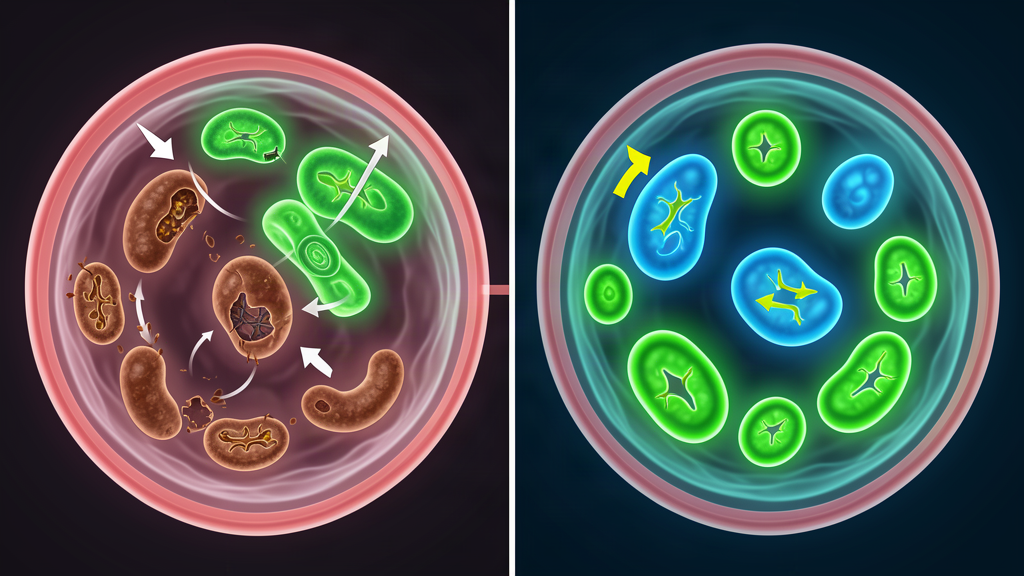
Every cell in your body runs on mitochondria — the tiny power plants that convert food into usable energy. But these organelles don’t last forever. Over time, damaged mitochondria accumulate, leaking harmful molecules and draining your cellular energy. This decline is one of the hallmarks of aging, and it accelerates when you’re not giving your body the right signals to clean house.
Here’s where fasting and a lesser-known compound called urolithin A converge in a way that could supercharge your cellular health. Fasting already triggers a deep-cleaning process called autophagy, but urolithin A takes it a step further by targeting the mitochondria specifically — a process called mitophagy. Together, they form a powerful one-two punch for clearing out the old and building something better.
In this guide, we’ll break down what urolithin A actually is, how it interacts with fasting to boost mitochondrial recycling, what the latest 2026 research says, and how to use it safely with your fasting routine. Whether you’re a seasoned faster or just starting out, understanding this connection could change how you think about longevity.
What Is Urolithin A and How Does It Work?
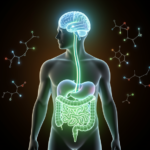
Urolithin A is a postbiotic compound — meaning it’s not found directly in any food. Instead, it’s produced by specific gut bacteria when they break down polyphenols called ellagitannins. These polyphenols are abundant in pomegranates, walnuts, raspberries, and strawberries. When you eat these foods, gut microbes like Gordonibacter urolithinfaciens and Ellagibacter isourolithinifaciens convert ellagic acid into urolithin A through a series of enzymatic steps.
Once produced, urolithin A enters your cells and activates mitophagy — the selective recycling of damaged mitochondria. Think of it as a quality control mechanism for your cellular power plants. Damaged mitochondria that are no longer producing energy efficiently get flagged and consumed by the cell’s recycling machinery, while new, healthy mitochondria are built to replace them.
What makes urolithin A stand out from other longevity compounds is its specificity. While compounds like spermidine activate general autophagy (the broader cellular cleanup process) and NMN boosts NAD+ levels (a key coenzyme for energy production), urolithin A zeroes in on mitochondria. This targeted action is backed by multiple human clinical trials — a rarity in the supplement world.
The clinical evidence is substantial. Timeline’s Mitopure, the most studied urolithin A supplement, has completed several randomized controlled trials. A landmark study published in Nature Medicine showed that 500mg of urolithin A daily for four months significantly improved leg muscle strength by 12% in healthy middle-aged adults. More recent 2026 research from Nature has demonstrated that urolithin A activates mitophagy through the AMPK-mTOR axis, effectively telling your cells to recycle damaged mitochondria and build new ones.
The connection to fasting is particularly interesting. When you fast, your body naturally ramps up autophagy — but urolithin A appears to enhance the mitochondrial-specific component of that cleanup. This means that combining fasting with urolithin A supplementation could give your cells a more thorough renovation than either approach alone.
The Fasting Connection: How Urolithin A Supercharges Mitophagy
Fasting is one of the most powerful natural triggers for autophagy. When you stop eating for extended periods — typically 16 hours or more — your cells shift from growth mode to maintenance mode. Insulin drops, AMPK activates, and mTOR (the growth signaling pathway) gets suppressed. This metabolic switch tells your body to start recycling old, damaged cellular components, including mitochondria.
But here’s the thing: fasting-induced autophagy is a blunt instrument. It activates the entire cellular cleanup system, not just mitochondrial recycling. Urolithin A, on the other hand, is a scalpel. It specifically targets the mitophagy pathway — the branch of autophagy that deals exclusively with damaged mitochondria. When you combine the two, you get a more efficient, more targeted cleanup process.
Research from 2026 has reinforced this synergy. A study published in Experimental & Molecular Medicine (July 2026) found that urolithin A activates mitophagy through the AMPK-mTOR axis — the same pathway that fasting activates. This means the two interventions work through overlapping mechanisms, potentially amplifying each other’s effects rather than competing.
For fasters, this has practical implications. If you’re doing 16:8 intermittent fasting, your body already gets a daily window of autophagy activation. Adding urolithin A to your routine during your eating window could enhance the mitochondrial cleanup that fasting initiates. For those doing longer fasts (24-72 hours), urolithin A taken before or after the fast may help maximize the mitophagy that occurs during the refeeding phase.
The gut microbiome connection adds another layer. Urolithin A production depends on having the right gut bacteria. Studies show that only about 30-40% of people produce significant amounts of urolithin A from dietary polyphenols alone. This “urolithin A producer” status is determined by your gut microbiome composition. Fasting itself has been shown to reshape the gut microbiome, which could potentially influence your ability to produce urolithin A naturally — though this connection is still being studied.
For the estimated 60-70% of people who are low urolithin A producers, direct supplementation may be the only reliable way to get enough of this compound to activate meaningful mitophagy. This is where supplements like Timeline Mitopure become relevant — they bypass the gut conversion step entirely, delivering pre-formed urolithin A that your cells can use immediately.
What the Research Shows: Clinical Trials and 2026 Findings
The evidence base for urolithin A is unusually strong for a nutritional supplement. As of 2026, there are over 300 published studies on urolithin A and Mitopure, including multiple human randomized controlled trials.
The most cited trial (NCT03464500) enrolled healthy middle-aged adults aged 40-65 and gave them 500mg of urolithin A daily for four months. The results showed a significant 12% improvement in leg muscle strength compared to placebo — without any changes to exercise routine. Muscle biopsies confirmed that the improvement was driven by enhanced mitophagy and improved mitochondrial function in muscle tissue.
A 2024 trial in adults aged 65-90 with mild cognitive impairment showed that 1,000mg of urolithin A daily for 12 months improved cognitive function scores. Brain imaging revealed enhanced connectivity in regions associated with memory and executive function. A March 2026 study published in Nature built on this finding, showing that early mitophagy activation with urolithin A could prevent hippocampal mitochondrial dysfunction and cognitive decline in aging models.
Most recently, the July 2026 study in Experimental & Molecular Medicine demonstrated that urolithin A activates mitophagy through the AMPK-mTOR axis, offering a mechanistic explanation for how the compound works at the molecular level. The researchers found that this pathway activation ameliorated heart failure with preserved ejection fraction (HFpEF) — suggesting potential cardiovascular benefits beyond the well-documented muscle and brain effects.
For fasters specifically, the research is still emerging. However, the overlap between fasting and urolithin A mechanisms is clear. Both activate AMPK, both suppress mTOR, and both enhance autophagy/mitophagy. The question is whether combining them produces synergistic effects — and early evidence suggests it does. A 2025 review in The Journals of Gerontology noted that combining caloric restriction or fasting with mitophagy-activating compounds like urolithin A represents a promising strategy for extending healthspan.
What the research does NOT show is that urolithin A is a magic pill. It works best as part of a comprehensive approach that includes fasting, exercise, adequate sleep, and a nutrient-dense diet. The supplement is a powerful tool in the toolbox — not a replacement for the fundamentals.
How to Use Urolithin A With Your Fasting Routine
If you’re considering adding urolithin A to your fasting protocol, timing and dosage matter. Here’s a practical guide based on the current research.
Dosage: The clinical trials used 500mg to 1,000mg daily. Most supplements come in 500mg softgels or powder form. Starting with 500mg daily and increasing to 1,000mg after a month is a reasonable approach. Higher doses (1,000mg) showed stronger effects in the cognitive function trial, but 500mg is sufficient for most people.
Timing: Since urolithin A activates mitophagy rather than autophagy broadly, it doesn’t need to be taken during your fasting window. In fact, taking it with food may improve absorption. Most people take it with their first meal of the day or with a meal that contains some dietary fat (the compound is fat-soluble). If you’re doing 16:8 fasting, take it with your first meal. If you’re doing OMAD, take it with your single meal.
Combining with other longevity compounds: The 2026 longevity supplement landscape has three main players — spermidine (general autophagy), urolithin A (mitophagy), and NMN (NAD+ restoration). These work through different pathways and can be safely combined. Many longevity practitioners take all three, along with fasting, to address multiple aging mechanisms simultaneously.
Dietary sources: While supplements are the most reliable way to get therapeutic doses, you can support your gut’s natural urolithin A production by eating ellagitannin-rich foods. Pomegranates, walnuts, raspberries, and strawberries are the best sources. However, remember that only about 30-40% of people have the gut bacteria needed to convert these polyphenols into urolithin A effectively.
What to look for in a supplement: The most studied form is Timeline’s Mitopure, which uses a branded, highly pure form of urolithin A. Other reputable options include products from brands like Thorne, Momentous, and ProHealth Longevity. Look for third-party testing, transparent labeling, and urolithin A as the sole active ingredient (avoid “proprietary blends” that may underdose).
For fasters looking to maximize their cellular health, urolithin A represents one of the most evidence-backed supplements available in 2026. Combined with a consistent fasting routine, it targets the mitochondrial decline that drives much of age-related loss of function. The research is clear: mitochondrial health is cellular health, and urolithin A is one of the few compounds that directly addresses it.
As an Amazon Associate, I earn from qualifying purchases.
Frequently Asked Questions
Does urolithin A break a fast?
Urolithin A in supplement form (softgels or capsules) contains minimal calories — typically less than 5 calories per dose. This is well below the threshold that would break a fast or trigger an insulin response. You can safely take urolithin A during your fasting window without disrupting autophagy. That said, most people prefer taking it with food for better absorption, so timing it with your eating window is a practical choice.
How is urolithin A different from NMN or spermidine?
Each compound works through a different longevity pathway. Spermidine activates general autophagy — the broad cellular cleanup process. NMN boosts NAD+ levels, which fuel energy production and DNA repair. Urolithin A specifically activates mitophagy, the recycling of damaged mitochondria. They’re complementary rather than competing — many longevity practitioners use all three alongside fasting to address multiple aging mechanisms.
Can I get enough urolithin A from food alone?
Probably not. Urolithin A is not found directly in any food — it’s produced by gut bacteria from polyphenols in pomegranates, walnuts, and berries. Only about 30-40% of people have the right gut bacteria to produce significant amounts. Even among “high producers,” dietary intake typically yields 3-8mg daily — far below the 500mg dose used in clinical trials. Supplementation is the only reliable way to reach therapeutic levels.
Is urolithin A safe for long-term use?
Yes. The clinical trials have shown urolithin A to be well-tolerated with no significant adverse events at doses up to 1,000mg daily for 12 months. It’s a naturally occurring compound produced in the human gut, and the supplement form is identical to what your body would produce. As always, consult your healthcare provider before starting any new supplement, especially if you’re taking medications or have existing health conditions.
Should I take urolithin A on fasting days or eating days?
Either works. Urolithin A doesn’t need to be taken during your fasting window to be effective — it accumulates in cells over time with daily use. Most people find it convenient to take with their first meal. The key is consistency: daily supplementation for at least 4-8 weeks is needed to see meaningful improvements in mitochondrial function, based on the clinical trial timelines.