
The Monk Fast Trend: 36-Hour Weekly Fasting Guide
One meal. Then nothing for a day and a half. That is the entire premise of the monk fast, and it is suddenly everywhere again. First-person diaries are running in mainstream papers, wellness creators are posting hour-by-hour timelines of their 36-hour runs, and forums that used to argue only about 16:8 windows are now debating whether a single long weekly fast beats seven short ones. The protocol itself is old. The attention is new.
Here is what the trend actually is, why it landed at exactly the right cultural moment, what your body does across those 36 hours, and how to run one without the typical day-two mistakes. We also cover the gear that makes the experience far more tolerable, because hydration and refeeding decide whether this protocol feels like discipline or punishment.
What Is the Monk Fast?
The monk fast is a weekly fasting protocol: 36 consecutive hours of nothing but water, black coffee, and unsweetened tea, repeated once a week. There are no calorie limits to calculate, no macros to weigh, and no daily logging. You finish dinner, you stop eating, and you do not eat again until breakfast two mornings later. The usual suggested window starts after Monday dinner and ends Wednesday morning, which is deliberately chosen so the fast lands midweek, away from the weekend social meals that derail most protocols.
The name comes from monastic traditions where periodic fasting was used for discipline and spiritual focus, but the modern version was popularized online by the WeFast community, an intermittent fasting group that wanted something longer than a daily window but shorter than a full water fast. It sits in a useful middle ground: long enough to enter deep ketosis and trigger autophagy, short enough that most healthy adults can complete it without medical supervision.
What makes it sticky as a trend is the arithmetic. A 16:8 schedule asks you to modify 21 meals a week. The monk fast asks you to give up roughly four. That framing is what makes it shareable, and it is why the protocol keeps resurfacing whenever people get bored of daily window tracking.
Why the 36-Hour Fast Is Trending Now
Three things converged. First, coverage in mainstream outlets has shifted from explaining intermittent fasting to reporting on personal experiments. Recent first-person accounts describe the exact arc readers recognize: easy start, brutal hour 20, unexpected clarity on day two. That narrative shape performs extremely well, so it gets amplified.
Second, the science conversation matured. After several years of headlines declaring intermittent fasting revolutionary, then a wave of reviews concluding it is no better than ordinary calorie restriction for weight loss, the audience split into two camps: skeptics who quit, and enthusiasts who moved up to longer protocols in search of effects that daily windows do not produce. The monk fast is where the second group lands. Longer fasts are where researchers see metabolic changes that cannot be explained by simply eating less.
Third, it fits modern scheduling. People do not want another daily rule. They want one hard thing per week and freedom the rest of the time. A single 36-hour block compresses the entire challenge into one bad evening and one mediocre day, then gets out of the way. Add a fasting timer app and the experience becomes almost gamified, which is why apps and companion gear keep showing up alongside the trend. See our roundup of the best fasting apps for 2026 if you want a timer that tracks elapsed hours, ketosis estimates, and refeed reminders.
There is also a quieter reason the format keeps resurfacing: it survives failure. Miss a day on a daily window and the streak is broken, which is why so many people abandon time-restricted eating within a month. Miss a weekly 36-hour block and nothing is lost, you simply run it again next week. Protocols that forgive skips tend to outlast protocols that punish them, and that durability is exactly what makes the monk fast such a repeatable story for creators to document over months rather than days.
What Happens to Your Body Hour by Hour
Hours 0 to 12 are uneventful. Your body is still working through the last meal, blood sugar settles, and hunger comes and goes in waves tied to habit rather than physiology. This phase is mostly psychological: you are used to eating at certain times, and those cues are louder than any real energy shortage.
Between hours 12 and 18, liver glycogen starts running down and the shift toward fat burning begins. Ketone production ramps up gradually. Most people feel fine here, often better than expected, which is why hour 18 is where people report feeling “clean” rather than hungry.
Hours 18 to 24 are the wall. Ketones are rising but not yet high enough to fully feed the brain, electrolytes are diluted by continued drinking without food, and sleep that night is frequently broken. This is the stretch where most first-timers quit, and it is almost always a hydration and sodium problem rather than a willpower problem. A proper electrolyte protocol changes this phase more than anything else listed on this page.
From hour 24 onward the picture improves. Ketone levels are now meaningfully elevated, appetite typically drops rather than climbs, and mental clarity is the most commonly reported effect. Growth hormone output rises, and cellular cleanup processes including autophagy are thought to accelerate in this window. Researchers have identified roughly this timeline in longer studies too: the deeper, coordinated molecular responses to extended fasting tend to appear after the first full day rather than in the first hours, which is the main argument for going past 24 in the first place.
Hour 36 arrives, and the refeed matters as much as the fast. Your digestive system has downregulated. Eating a large meal immediately produces bloating, blood sugar spikes, and the stomach discomfort people wrongly blame on fasting itself. A small, protein-forward meal first, then a normal meal an hour later, avoids the problem entirely.
How to Run Your First Monk Fast Safely
Set the window around your calendar, not the internet. Pick a day where the second morning is low-stakes. Monday dinner to Wednesday breakfast is popular because meetings and workouts land in manageable spots, but the correct answer is whatever you can leave undisturbed.
Front-load electrolytes. Start sodium, potassium, and magnesium the evening the fast begins, not when the headache arrives. Plain water alone at this duration dilutes sodium and produces the classic hour-20 misery. Our guide to the best electrolyte supplements for fasting covers powders designed specifically for zero-calorie windows, and they should be part of your setup from day one.
Use caffeine deliberately. Black coffee and unsweetened tea are allowed and genuinely useful for appetite control. The usual caution applies: keep it before mid-afternoon so sleep is not compromised, and expect it to be more potent than usual on an empty stomach. We answer the full range of questions about this in our guide to whether coffee breaks a fast.
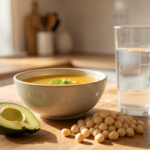
Plan the refeed in advance. Bone broth or a light soup first, then a normal meal. Keep it lower in carbohydrates than your usual dinner. The transition back is where people undo the metabolic work of the previous 36 hours in a single sitting.
Know the exclusions. Skip this protocol entirely if you have a history of disordered eating, are pregnant or breastfeeding, are managing diabetes with medication, or have gout. Women often tolerate shorter windows better than 36-hour ones, and anyone taking prescription medication should get a clinician sign off before attempting a fast of this length. If you feel dizzy, confused, or genuinely weak rather than hungry, end the fast. The protocol is a tool, not a test of character.
Best Products for a 36-Hour Fast
Four items cover the entire experience. None of them are strictly necessary, but each one removes a specific failure point.
Electrolyte powder. This is the non-negotiable one. Look for a formula with meaningful sodium and potassium and no sugar, so it does not trigger an insulin response. Check the current selection of fasting electrolyte powders on Amazon and stock enough for at least two full runs before you start.
Zero-calorie herbal tea. After hour 12, hot liquid is the best appetite tool available. Caffeine-free options also let you keep drinking in the evening without wrecking sleep. Browse herbal teas marketed for fasting windows and pick two or three flavors so the rotation does not get boring by hour 24.
Collagen-free bone broth powder. For the refeed, not the fast. A scoop in hot water gives you something gentle, salty, and protein-rich to open the digestive system before a real meal. You can compare bone broth powders on Amazon and keep a few servings in the pantry for refeed morning.
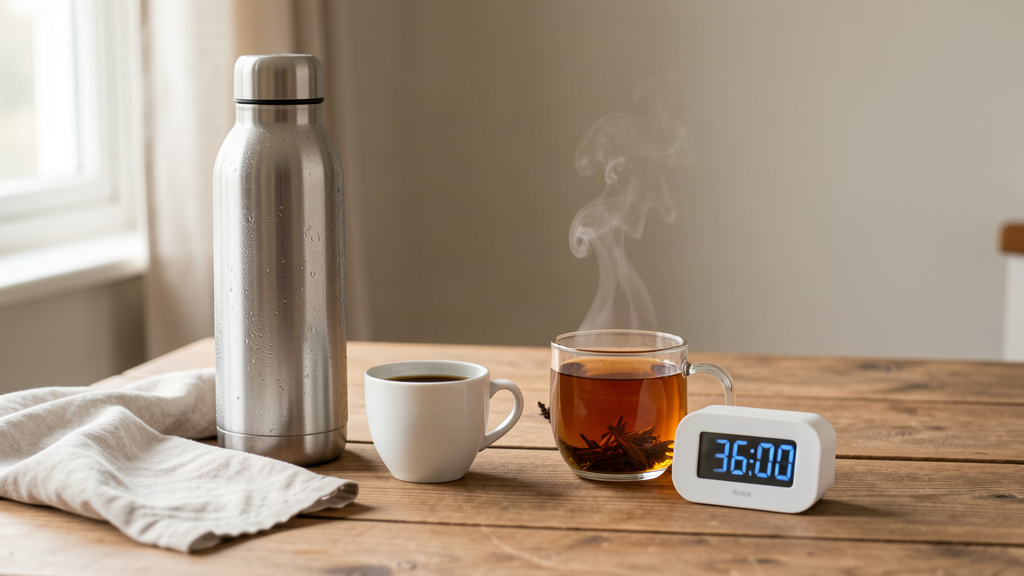
A large insulated bottle. 36 hours is long enough to go through several liters, and carrying a bottle makes drinking automatic rather than deliberate. A stainless insulated model keeps water cold and, practically speaking, keeps you honest about how much you have actually consumed. See current prices on 32-ounce insulated bottles if yours is too small.
As an Amazon Associate, I earn from qualifying purchases.
Conclusion: One Hard Day, Then Freedom
The monk fast endures because it is simple, bounded, and honest about the cost. You get one genuinely uncomfortable day and six normal ones, and in exchange your body spends a full day in fat-burning mode that a daily window rarely reaches. It is not magic, and it is not required, but as protocols go it is about as clean as they come.
Start with a single run, hydrate like it is part of the protocol rather than an afterthought, and refeed slowly. If it suits you, it becomes one of the easiest habits to maintain precisely because it asks for so little of your week. Check the product links above to get your electrolytes, tea, broth, and bottle lined up before your first window opens.
Frequently Asked Questions
Can I drink black coffee during a monk fast?
Yes. Black coffee and unsweetened tea are zero-calorie and do not meaningfully break the fast, which is why most 36-hour protocols allow them. Keep intake moderate and avoid it after mid-afternoon, since sleep quality directly affects how tolerable day two feels.
How much weight will I lose on a 36-hour fast?
Most of the scale movement is water and gut contents rather than fat. Expect roughly one to two pounds of true fat loss per weekly run at most, which is consistent with ordinary calorie restriction over the same period. The value of the protocol is metabolic and behavioral, not a faster number on the scale.
Is the monk fast safe for women?
Many women do fine with a weekly 36-hour fast, but some experience disrupted sleep, cycle changes, or increased stress response with longer protocols. Starting with a shorter overnight fast and working up, or choosing a 24-hour version instead, is a reasonable adjustment. Anyone with a history of disordered eating should avoid structured prolonged fasting entirely.
What should I eat after a 36-hour fast?
Open with something small and gentle: bone broth, a few eggs, or a light soup. Wait 30 to 60 minutes before a normal meal, and keep that first full meal moderate in carbohydrates. Greasy or very large meals immediately after a fast are the most common cause of the nausea people blame on fasting itself.
Is one 36-hour fast better than 16:8 every day?
They optimize for different things. Daily windows build a consistent habit and are easier to sustain indefinitely. The weekly 36-hour fast gives you a longer uninterrupted period of ketosis and autophagy without touching the other six days. Evidence does not clearly crown one over the other, so adherence decides the winner: the protocol you will actually repeat is the better one for you.