
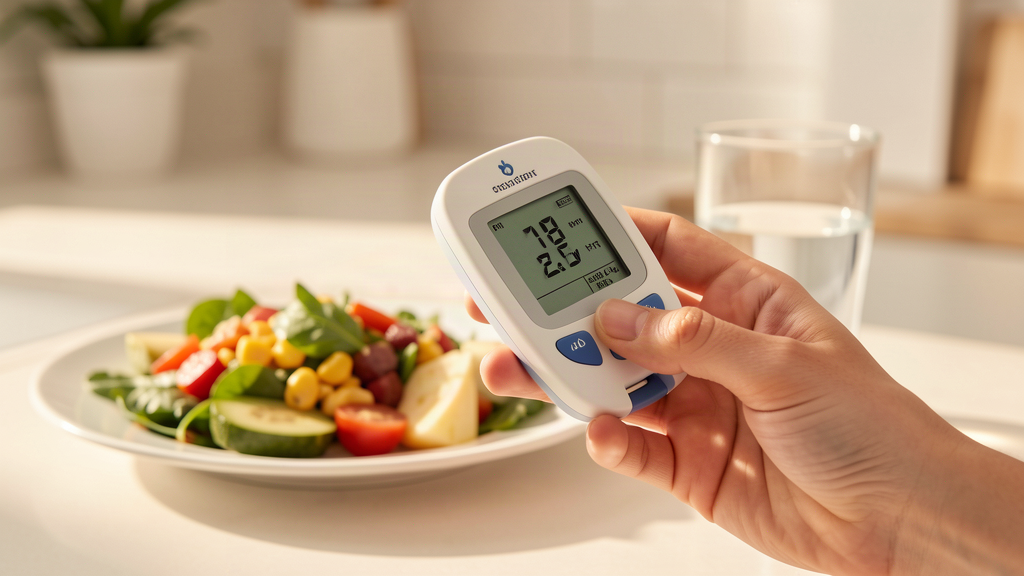
Fasting and Insulin Resistance: What 2026 Research Reveals
Insulin resistance is the metabolic domino that topples everything else. When your cells stop responding properly to insulin, blood sugar climbs, inflammation rises, and the risk of type 2 diabetes, heart disease, and metabolic syndrome follows. According to the CDC, more than one in three American adults has prediabetes — and most don’t know it.
The good news? A growing body of 2026 research confirms what fasting advocates have long suspected: intermittent fasting can meaningfully improve insulin sensitivity, even without dramatic weight loss. A landmark randomized trial published in npj Metabolic Health and Disease found that intermittent fasting reduced HOMA-IR — the gold-standard marker for insulin resistance — by significant margins, independent of any change in body weight. A 2025 Frontiers meta-analysis pooling data from over 800 participants across 11 studies reached similar conclusions.
In this article, we’ll break down exactly what the latest research says about fasting and insulin resistance, explain the biological mechanisms at work, and help you choose the right fasting protocol to improve your metabolic health.
What Is Insulin Resistance and Why Does It Matter?
Insulin is the hormone your pancreas releases whenever you eat, signaling cells to absorb glucose from the bloodstream. In a healthy system, this keeps blood sugar stable. But when cells become “resistant” to insulin’s signal, the pancreas compensates by producing even more — leading to a cycle of chronically elevated insulin levels that drives inflammation, fat storage, and metabolic dysfunction.
The problem is that insulin resistance doesn’t announce itself. You won’t feel it happening. By the time blood sugar readings climb into the prediabetic range (fasting glucose of 100–125 mg/dL), you may have been insulin resistant for years. The standard HbA1c test catches it late. A more sensitive marker is HOMA-IR (Homeostatic Model Assessment for Insulin Resistance), calculated from fasting insulin and fasting glucose. A HOMA-IR above 2.0 suggests emerging insulin resistance; above 3.0 indicates significant metabolic impairment.
This is where fasting enters the picture — not as a diet trend, but as a metabolic reset tool with increasingly strong clinical evidence behind it.
What 2026 Research Says About Fasting and Insulin Sensitivity
The evidence for fasting as an insulin-sensitivity intervention has grown substantially over the past two years. Here are the key studies every faster should know about:
The npj Randomized Trial: HOMA-IR Drops Without Weight Loss
Published in npj Metabolic Health and Disease, this randomized controlled trial assigned participants to an intermittent fasting protocol over 26 weeks. The results were striking: HOMA-IR dropped significantly in the fasting group, even after correcting for multiple comparisons and — critically — even when no statistically significant weight loss was observed. This finding challenges the assumption that you must lose weight to improve insulin sensitivity. The fasting protocol itself appears to trigger metabolic changes that reduce insulin resistance independently of fat loss.
The researchers also found that human growth hormone (HGH) levels rose during the fasting periods, which may contribute to improved insulin sensitivity by promoting lean tissue preservation and shifting the body toward fat oxidation.
The Frontiers Meta-Analysis: Benefits Across 11 Studies
A November 2025 meta-analysis published in Frontiers in Nutrition pooled data from 11 randomized controlled trials involving over 800 participants with metabolic syndrome. The analysis found that intermittent fasting significantly reduced fasting blood sugar (FBS), HOMA-IR, and HbA1c levels. Notably, participants over 50 showed the greatest improvements — likely because they started with higher baseline insulin resistance and had more room for metabolic recovery.
The Springer GRADE Assessment: Insulin, Lipids, and Inflammation
An August 2025 systematic review in the Journal of Health, Population and Nutrition used GRADE methodology to evaluate the certainty of evidence across multiple studies. The conclusion: fasting states contributed to improved glycemic control including FBS, HbA1c, and HOMA-IR, along with improvements in lipid profiles. The review also noted that fasting promotes weight loss and reduces glucose production in the liver — two mechanisms that directly lower insulin resistance.
The 2026 MDPI Nutritional Review
A comprehensive March 2026 review in Nutrients examined how different dietary patterns affect insulin sensitivity. Among the strategies reviewed — including the Mediterranean diet, low-glycemic diets, ketogenic diets, and plant-based approaches — intermittent fasting emerged as one of the most effective non-pharmacological interventions for improving insulin sensitivity and reducing metabolic syndrome markers. The authors emphasized that nutritional therapy can work synergistically with pharmacological treatments like metformin.
How Fasting Improves Insulin Sensitivity: The Mechanisms
Understanding why fasting improves insulin resistance helps you optimize your approach. Several interconnected biological mechanisms drive the improvement:
1. Lowering Basal Insulin Levels
Every time you eat, insulin rises. When you eat frequently throughout the day — the standard Western pattern of three meals plus snacks — insulin stays elevated for most of your waking hours. Fasting creates extended windows where insulin levels drop to baseline. This “insulin holiday” allows cells to resensitize to the hormone’s signal. Research shows that even modest reductions in fasting insulin (the kind you’d see on a standard blood panel) correlate with meaningful improvements in HOMA-IR.
2. Activating AMPK Pathway
During fasting, your body activates AMP-activated protein kinase (AMPK), a cellular energy sensor that plays a central role in metabolic regulation. AMPK activation promotes glucose uptake in muscle cells independently of insulin — essentially bypassing the broken insulin signaling pathway. This is why exercise during fasting can be particularly powerful for insulin-resistant individuals: both fasting and exercise activate AMPK, creating a synergistic effect.
3. Promoting Hepatic Fat Clearance
The liver is ground zero for insulin resistance. When fat accumulates in liver cells (hepatic steatosis), the organ becomes less responsive to insulin’s signal to stop producing glucose. Fasting shifts the body into fat-burning mode, drawing on hepatic fat stores for energy. Research shows that fasting can reduce liver fat within weeks — often before significant changes in overall body weight occur. This explains why HOMA-IR can improve even without weight loss: the liver’s insulin sensitivity is recovering.
4. Reducing Chronic Inflammation
Insulin resistance and inflammation exist in a vicious cycle: inflammation impairs insulin signaling, and elevated insulin promotes inflammatory pathways. Fasting breaks this cycle by reducing pro-inflammatory cytokines (like TNF-alpha and IL-6) and increasing anti-inflammatory markers. A 2025 meta-analysis confirmed that fasting intervention reduced inflammatory markers alongside improvements in insulin sensitivity, suggesting the two changes are mechanistically linked.
5. Triggering Autophagy in Pancreatic Beta Cells
Emerging research suggests that fasting-induced autophagy — the cellular cleanup process — may promote regeneration of pancreatic beta cells, the cells responsible for producing insulin. A 2019 study in Open Heart found that autophagy-induced degradation of the Notch1 protein during fasting may promote beta cell neogenesis, potentially reversing beta cell failure in type 2 diabetes. While this research is still preliminary, it points to fasting as a tool that doesn’t just manage insulin resistance — it may help reverse the underlying cellular damage.
Which Fasting Protocol Works Best for Insulin Resistance?
Not all fasting protocols produce equal results for insulin sensitivity. Here’s what the research suggests about the most common approaches:
Time-Restricted Eating (TRE): 16:8 or 18:6
The most studied protocol for insulin resistance is time-restricted eating, where you confine your eating to an 8-hour (16:8) or 6-hour (18:6) window daily. The 2025 BMJ network meta-analysis found that TRE produced moderate reductions in fasting blood glucose and waist circumference, with trivial reductions in fasting plasma insulin. TRE is sustainable long-term and works well for people with mild to moderate insulin resistance.
Best for: Beginners, people with prediabetes (HOMA-IR 2.0–3.0), and those who want a daily sustainable practice.
Alternate-Day Fasting (ADF)
Alternate-day fasting — alternating between eating days and fast days (either zero-calorie or very low-calorie) — showed a moderate reduction in body weight (about 4.4 kg over the study period in the BMJ analysis). The greater caloric deficit may accelerate insulin sensitivity improvements, but ADF is harder to maintain and carries a higher risk of muscle loss without adequate protein on eating days.
Best for: People with significant insulin resistance (HOMA-IR above 3.0) who need more aggressive intervention, or those combining fasting with medical supervision for type 2 diabetes management.
Extended Fasting (24–72 Hours)
Longer fasts can produce rapid improvements in insulin sensitivity, but the evidence on sustainability is mixed. A 2025 ScienceDirect meta-analysis of type 2 diabetes patients found that metabolic improvements from fasting were substantial but tended to reverse after discontinuation. This suggests that extended fasting works best as a periodic reset — perhaps a 24- to 48-hour fast once or twice per month — rather than a standalone strategy.
Best for: Experienced fasters who want periodic metabolic resets, ideally combined with a consistent daily TRE protocol.
How to Track Your Insulin Resistance Progress
One of the most empowering aspects of the fasting-insulin resistance connection is that you can measure your progress. Unlike many health improvements that take months to show on standard blood panels, insulin sensitivity changes can be tracked relatively quickly:
HOMA-IR Testing: Ask your doctor for fasting insulin and fasting glucose, then calculate HOMA-IR (fasting insulin × fasting glucose ÷ 405). Track this number monthly. A reduction of 0.3–0.5 units over 8–12 weeks is a meaningful improvement. You can monitor your blood glucose at home with a reliable glucose monitoring system to get fasting readings between lab visits.
Continuous Glucose Monitors (CGMs): For real-time insight into how your body responds to food and fasting windows, a CGM like Levels or Nutrisense provides glucose data 24/7. This helps you identify which meals spike your blood sugar most and whether your fasting windows are long enough to achieve meaningful insulin recovery. Check out our guide to the best CGMs for fasting in 2026.
The Fasting Window Effect: If you track blood glucose during a 16:8 TRE protocol, you’ll typically see fasting morning glucose drop within 2–4 weeks. Daytime glucose variability — the spikes and crashes after meals — tends to smooth out within 4–6 weeks as insulin sensitivity improves.
Practical Tips: Maximizing Insulin Sensitivity Through Fasting
Based on the 2026 research, here are five evidence-backed strategies to maximize the insulin-sensitivity benefits of fasting:
- Start with 16:8 and be consistent. The Frontiers meta-analysis found benefits at all fasting durations, but consistency matters more than intensity. A 16:8 protocol maintained for 12 weeks produces better metabolic outcomes than aggressive fasting that’s abandoned after two weeks.
- Combine fasting with resistance training. AMPK activation from fasting plus muscle-building exercise creates a powerful insulin-sensitizing effect. Your muscles are the largest glucose sinks in your body — more muscle means more capacity to clear blood sugar.
- Prioritize sleep. Poor sleep increases cortisol, which directly impairs insulin sensitivity. The circadian rhythm research shows that eating aligned with your body clock amplifies fasting’s metabolic benefits.
- Manage stress. Chronic stress elevates cortisol and blood sugar simultaneously, counteracting the insulin-sensitivity gains from fasting. Breathwork during fasting windows can help maintain the parasympathetic state that supports metabolic recovery.
- Use a fasting app to stay on track. A dedicated fasting tracker can help you monitor your eating windows, log meals, and spot patterns in your blood glucose response. Check out our guide to the best fasting apps for 2026.
- Consider your last meal composition. Meals high in refined carbohydrates and sugar before a fasting window cause larger insulin spikes and slower overnight glucose clearance. Prioritize protein, healthy fats, and fiber for your last meal to support stable fasting glucose the next morning.
FAQ: Fasting and Insulin Resistance
How long does it take for fasting to improve insulin resistance?
Most studies show measurable improvements in HOMA-IR within 8–12 weeks of consistent fasting. Some participants in the npj randomized trial showed improvements as early as 4 weeks. However, the full metabolic remodeling — including hepatic fat clearance and beta cell recovery — may take 6–12 months of sustained practice.
Can fasting reverse type 2 diabetes?
Fasting can significantly improve insulin sensitivity and reduce HbA1c in people with type 2 diabetes, and some studies show participants reducing or eliminating diabetes medications under medical supervision. However, fasting should never replace prescribed medication without doctor guidance. The 2025 ScienceDirect meta-analysis noted that metabolic improvements from fasting tended to reverse after discontinuation, suggesting ongoing practice is necessary.
Is intermittent fasting safe for people with insulin resistance?
Yes — in fact, intermittent fasting is one of the most evidence-supported interventions for insulin resistance. The 2025 Frontiers meta-analysis specifically examined participants with metabolic syndrome and found consistent benefits. However, if you take insulin or sulfonylureas, you should consult your doctor before fasting, as medication doses may need adjustment to prevent hypoglycemia.
What breaks a fast in terms of insulin response?
Anything that triggers an insulin response technically breaks the metabolic benefits of a fast. This includes caloric beverages, sweeteners (even zero-calorie ones may trigger cephalic-phase insulin release in some people), and small meals. Black coffee, plain tea, and water are the safest options during a fasting window. If you’re fasting specifically for insulin sensitivity, keeping your fasting window as clean as possible maximizes the benefit.
Should I take magnesium while fasting for insulin resistance?
Magnesium plays a critical role in insulin signaling — magnesium deficiency is directly linked to increased insulin resistance. Supplementing with magnesium glycinate during fasting periods may support insulin sensitivity. The mineral is involved in over 300 enzymatic reactions, including those that regulate glucose metabolism. If you’re fasting regularly, magnesium supplementation is worth discussing with your healthcare provider.
The Bottom Line
The 2026 research is clear: fasting is one of the most effective non-pharmacological tools for improving insulin resistance. It works through multiple mechanisms — lowering basal insulin, activating AMPK, clearing hepatic fat, reducing inflammation, and potentially regenerating pancreatic beta cells. The improvements can appear within weeks, even before significant weight loss occurs.
If you’re dealing with prediabetes, metabolic syndrome, or simply want to optimize your metabolic health, a consistent 16:8 time-restricted eating protocol is a proven starting point. Track your progress with HOMA-IR testing, combine fasting with resistance training, and prioritize sleep and stress management to maximize results.
The research is building — and the message is consistent: giving your body regular breaks from food is one of the simplest, most powerful things you can do for your metabolic health.
As an Amazon Associate, I earn from qualifying purchases. Product recommendations are based on research and real-world testing, not sponsorship.